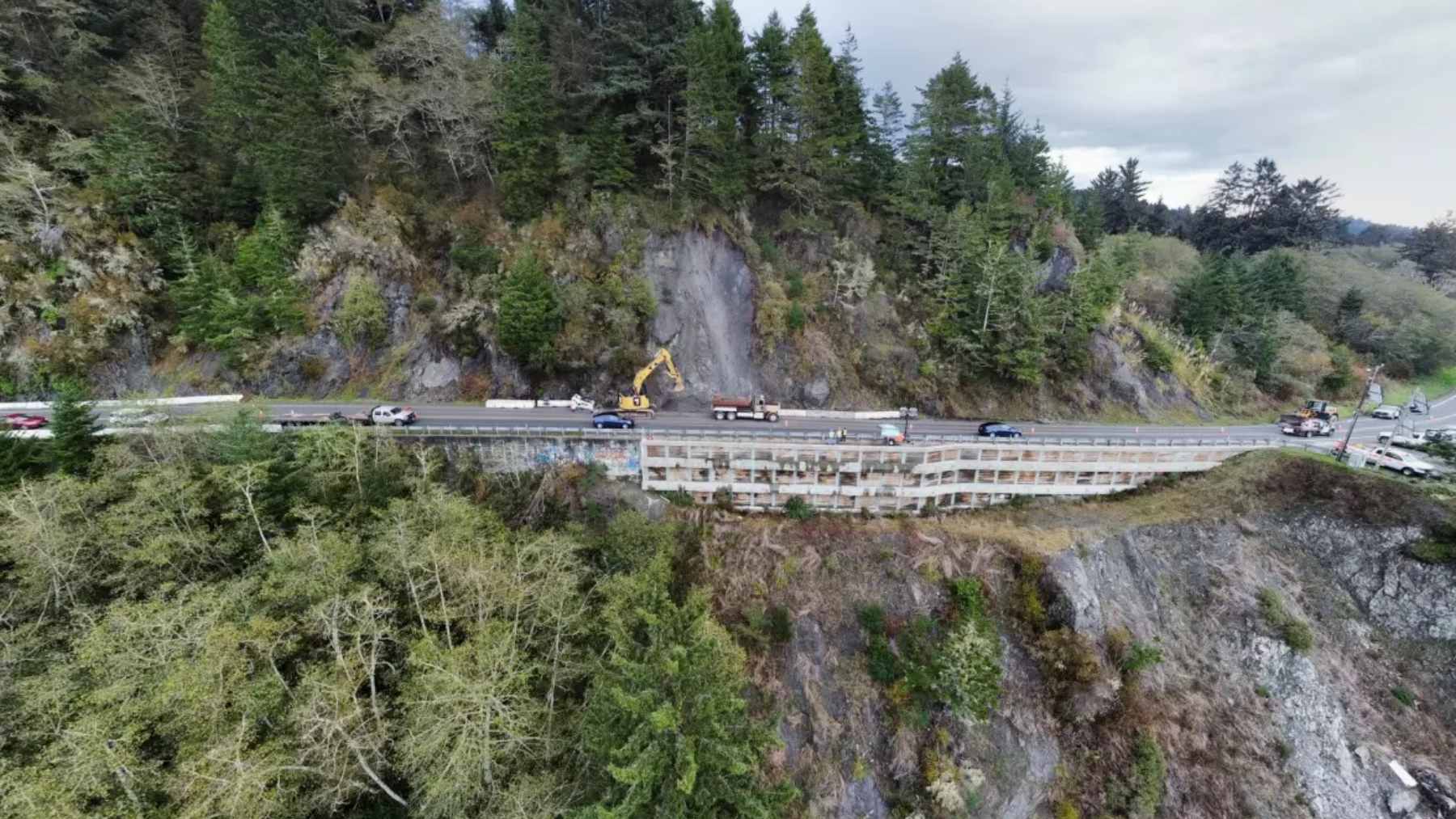
California is preparing for one of its most dramatic highway fixes in years, and it is not happening in Los Angeles, San Francisco, or Silicon Valley. It is unfolding on a remote stretch of U.S. Highway 101 in Del Norte County, where a piece of coastal road known as Last Chance Grade has been fighting landslides for decades.
Caltrans has selected a tunnel bypass as the preferred answer to the problem. The proposed route would move traffic away from an unstable cliffside section south of Crescent City, using an underground tunnel roughly 6,000 feet long.
Official project materials now put the estimated construction cost at $2.7 billion in 2026 dollars, with work potentially stretching into the late 2030s.
A tunnel under the problem
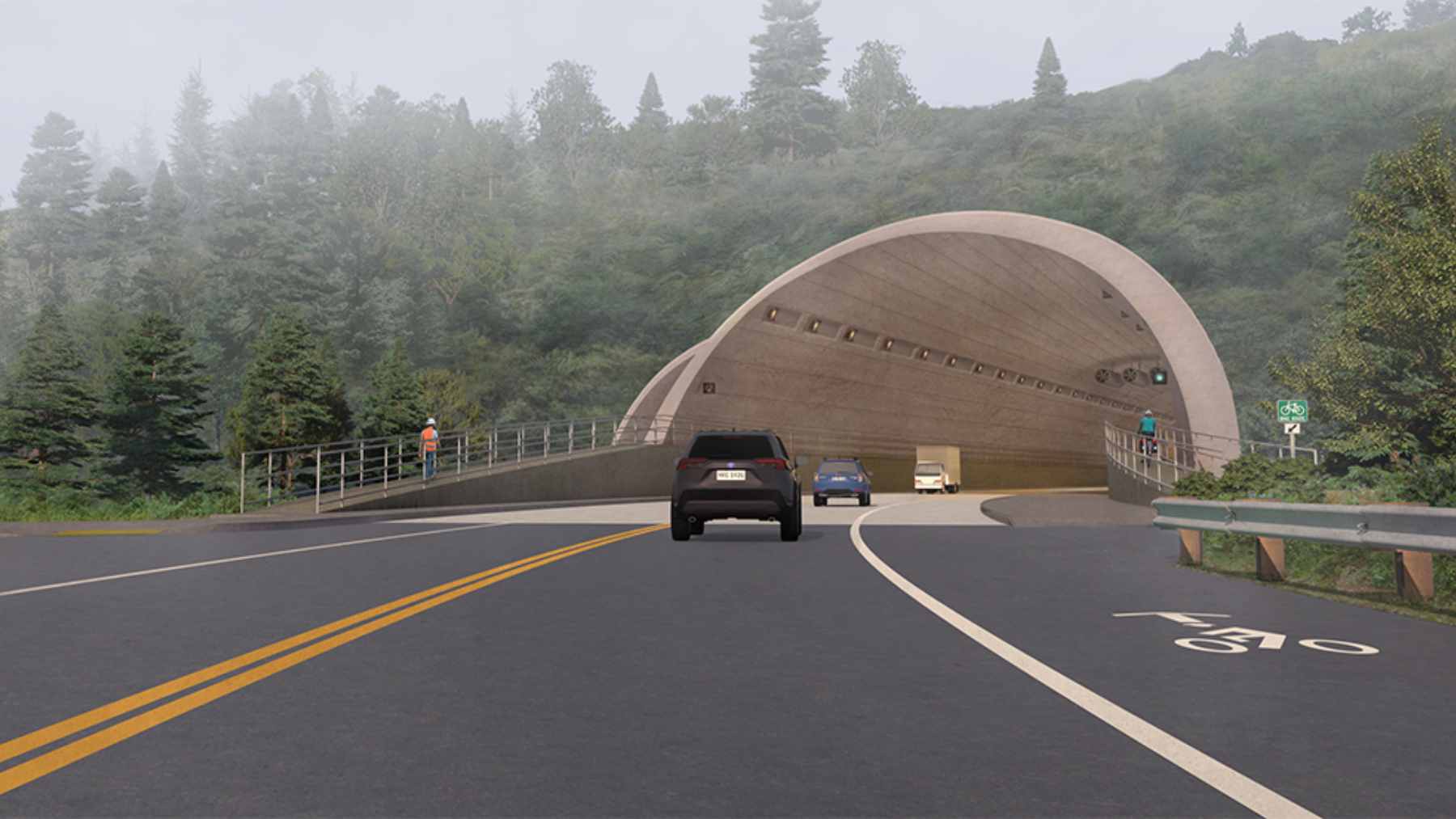
The chosen plan is known as Alternative F. In practical terms, it would realign the highway east of the current route and send drivers through a tunnel with one lane in each direction, eight-foot shoulders, and a separated space for cyclists and pedestrians.
Why go underground? Because the existing road sits on a stretch that keeps moving. Caltrans says the tunnel would avoid most of the landslide complex and provide a more reliable route than the current highway, which has required repeated repairs and monitoring.
If built as described, the project would also take a record away from Yosemite’s famous Wawona Tunnel. The National Park Service lists Wawona Tunnel at 4,233 feet, currently calling it the longest highway tunnel in California.
Why this road matters
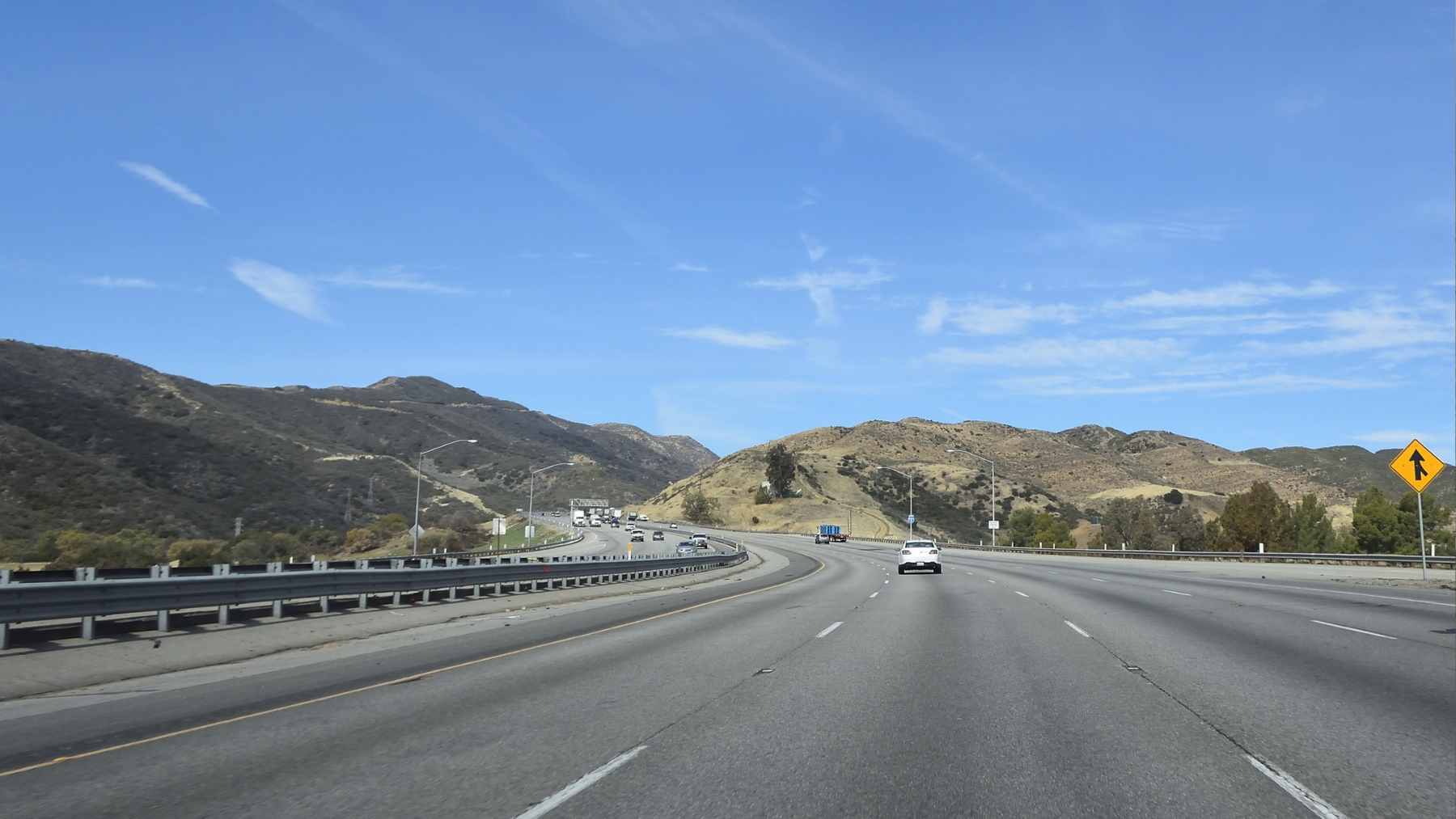
Last Chance Grade is not just another scenic coastal drive. It is a roughly three-mile segment of U.S. 101 north of Wilson Creek, between Klamath and Crescent City, where landslides and road failures have been an ongoing problem for decades.
Since 1997, Caltrans says it has invested more than $100 million responding to events along the roadway. That is a lot of money just to keep a road open, but the alternative could be worse.
If the highway failed completely, Del Norte County could be cut off from smaller communities to the south and from the rest of California’s North Coast. Hospitals, schools, emergency services, and everyday business trips would all feel it. That is where this engineering story becomes a community story.
The business risk
A highway closure here is not only inconvenient. It can become expensive very quickly.
Caltrans’ project FAQ cites a regional study estimating that a one-year closure at Last Chance Grade could mean $236 million in travel costs, $41 million in foregone trips, 3,800 jobs lost, and $456 million in reduced business output. For a rural region, those numbers are not abstract. They show up in missed appointments, delayed freight, fewer visitors, and lost paychecks.
The backup options are also limited. Caltrans says the only alternative route it has identified for emergency access is a 27-mile old logging road that can take more than 2.5 hours, requires four-wheel drive on steep grades, and may not be passable in winter. Not exactly a normal detour.
The redwood question
The tunnel may solve one environmental problem while creating another. Caltrans says the two-lane design is meant to reduce impacts on sensitive resources, including wetlands and old-growth redwood forest, and the agency says it continues to refine the project to avoid and minimize damage.
But conservation groups are warning that the cost cannot be measured only in dollars. Save the Redwoods League says the project would affect portions of Redwood National and State Parks and could require the removal of up to 144 mature trees, including 16 protected, centuries-old redwoods up to 8.9 feet in diameter.
The group has objected to Caltrans’ proposed mitigation package, calling it “deeply flawed.” At the same time, it acknowledged the difficult reality that fixing Last Chance Grade safely may require the loss of some redwoods. That is the hard part of climate adaptation. Sometimes the safer path still leaves scars.
A long road ahead
The timeline is almost as striking as the tunnel itself. The project schedule lists the design and permitting phase from 2026 to 2031, construction from 2031 to 2038, and a possible public opening in 2039.
That means drivers will not see a quick fix. For now, the existing highway remains open and monitored, while planners work through design, permitting, geotechnical studies, right-of-way issues, funding, and mitigation. It is slow, but projects that cut through difficult ground and protected landscapes rarely move like a simple road repair.
Caltrans has framed the tunnel as the lowest long-term closure-risk option compared with other studied alternatives. In one quote from its 2024 announcement, District 1 Director Matt Brady called Alternative F part of a “reliable long-term solution.”
What to keep in mind
At the end of the day, the Last Chance Grade tunnel is a test of how California handles infrastructure in places where geology, climate pressure, old forests, and local economies all collide.
For residents, the tunnel could mean a safer and more dependable connection to the rest of the region. For conservationists, the big question is whether the state can build it while respecting the value of ancient redwoods.
That balance will decide how this project is remembered. Not just as California’s longest highway tunnel, but as a case study in what modern infrastructure costs when nature is already moving the map.
The official environmental document was published on the Last Chance Grade Project website.