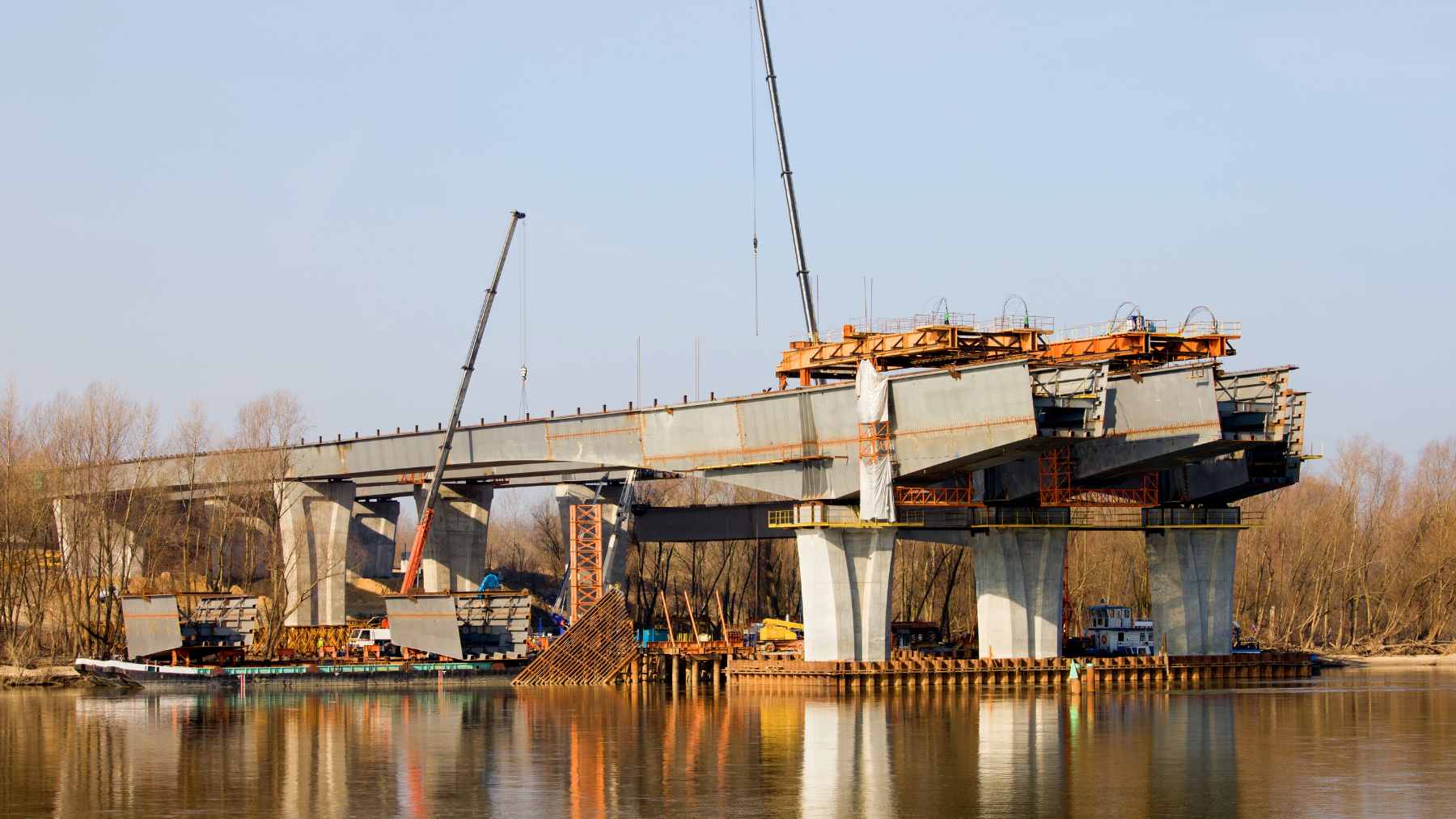
A new international bridge over the Uruguay River is moving from a long-running regional promise into a real infrastructure project, and it could change how people, tourists, and cargo move between Argentina and Brazil.
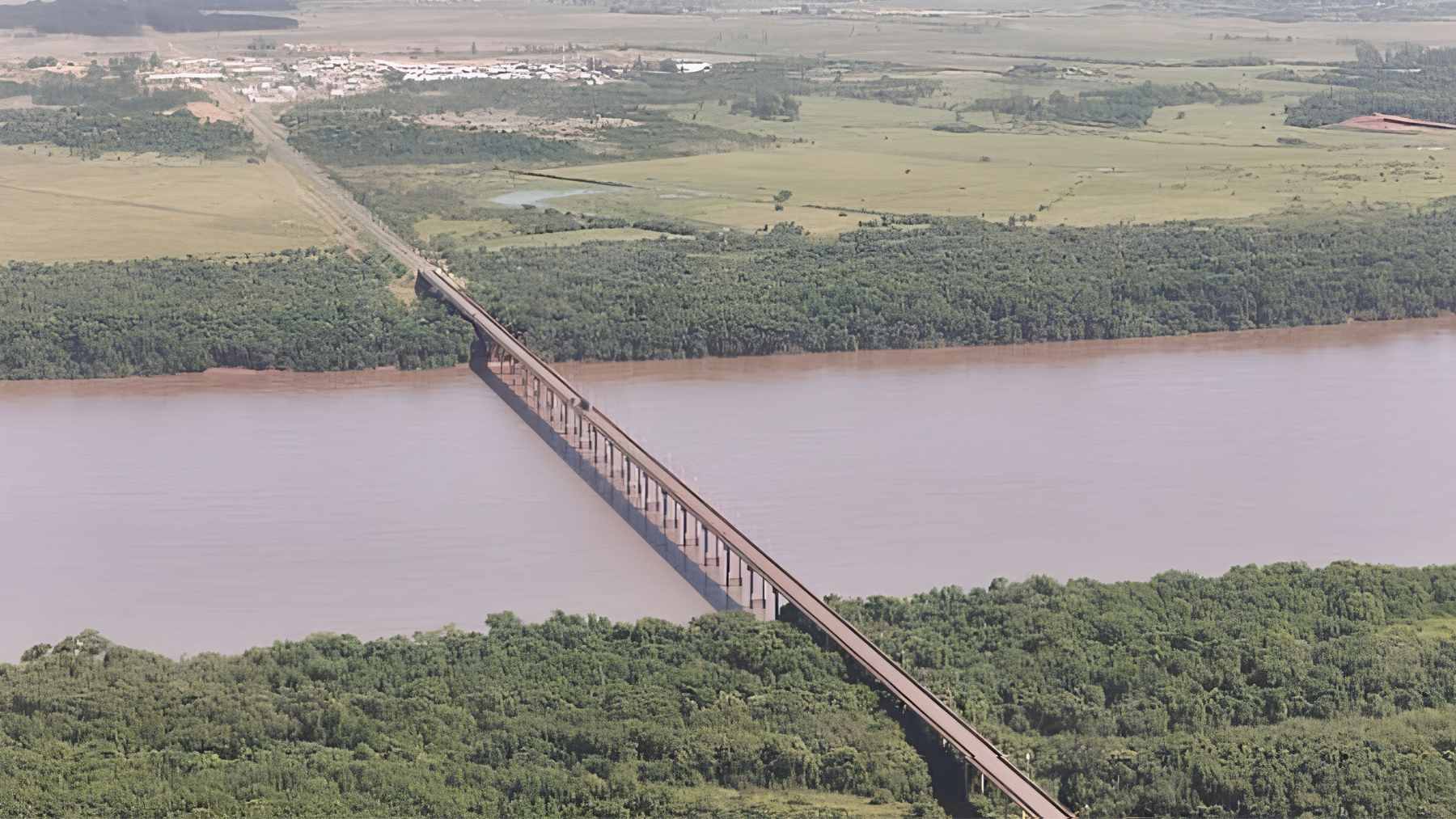
The planned crossing will connect San Javier in Argentina’s Misiones province with Porto Xavier in Brazil’s Rio Grande do Sul state, creating a more direct link where river crossings still depend on ferries and fixed schedules.
The project is also a test of something bigger. Can a major border bridge speed up trade and tourism while respecting a river ecosystem that both countries share?
That question matters because the contract includes not only the bridge and access roads, but also environmental licensing, land procedures, border facilities, and the technical work needed before construction can fully move forward.
Why this bridge matters
The future crossing is expected to stretch about 3,117 feet across the Uruguay River, turning a river barrier into a fixed road connection. Brazil’s Transport Ministry previously described the bridge as a way to strengthen integration, cultural and tourism exchange, jobs, and a new Mercosur trade route linking Brazil and Argentina, with possible benefits for Paraguay as well.
For drivers, the change is easy to picture. Instead of planning around ferry times, residents, truckers, and visitors would have a year-round bridge between two border communities that already live with one foot on each side of the river.
A river project with an environmental test
Big bridges do not arrive quietly. They bring machinery, foundations, access roads, lighting, and a permanent change to how traffic reaches a riverbank, which is why the environmental stage is not just paperwork.
DNIT’s official record says the contract covers the steps and obligations tied to environmental licensing, along with support for expropriation, removal, and resettlement where needed. In practical terms, that means the bridge is not only an engineering job. It is also a river management job, and the details will matter.
What the bridge will include
The design goes beyond a basic two-lane road crossing. The project brief describes two vehicle lanes, emergency shoulders, a bike lane, a pedestrian path, LED lighting, durable materials, and real-time monitoring systems meant to help keep the bridge operating safely for decades.
Those features give the project a technology angle as well as a transport one. Real-time monitoring can help crews spot structural or traffic problems earlier, while LED lighting can reduce power demand compared with older lighting systems, although final environmental performance will depend on how the systems are installed and maintained.
The business case
The winning contract value is about $41.6 million at current mid-market exchange rates, based on the Brazilian contract amount of 214,681,195.71 reais. That is not a small local upgrade, but it is modest compared with the economic role supporters expect the bridge to play in freight, tourism, customs activity, and border services.
The bridge also includes access roads and integrated border complexes, which may prove just as important as the span itself. A bridge without efficient customs can still become a bottleneck, especially for trucks carrying goods across a busy international border.
The schedule is not simple
Earlier expectations pointed to construction beginning sooner, but the latest reported DNIT schedule adds some caution. According to H2FOZ, DNIT said licensing, ratification of the agreement with Argentina, and final project work could take 15 to 19 months before physical construction begins, potentially moving the start of bridge work into the second half of 2027.
The contract itself lists an execution period of 1,440 consecutive days, which is nearly four years, with a longer total validity window. So, while the bridge is closer than it has been in decades, the next visible milestone may not be cranes over the water. It may be paperwork, permits, and cross-border coordination.
What residents should look out for
For local communities, the biggest promise is everyday mobility. A reliable bridge could make medical visits, shopping, family trips, school travel, and small business deliveries less dependent on weather, river conditions, and ferry timetables.
For the environment, the key issue is following through on promises to manage the impact. The bridge may reduce delays and reorganize regional traffic, but construction near a river still needs careful controls for runoff, noise, riverbank disturbance, and long-term maintenance.
A new crossing, but not a shortcut around responsibility
At the end of the day, this bridge is a compass for how South America builds its next generation of infrastructure. It points toward faster trade, more tourism, and closer border communities, but it also points toward a harder question for governments and builders.
Can the project move quickly without cutting corners on the river? That is where the Uruguay River crossing will be judged, not only by the traffic it carries, but by how carefully it is built.
The official statement was published on DNIT.