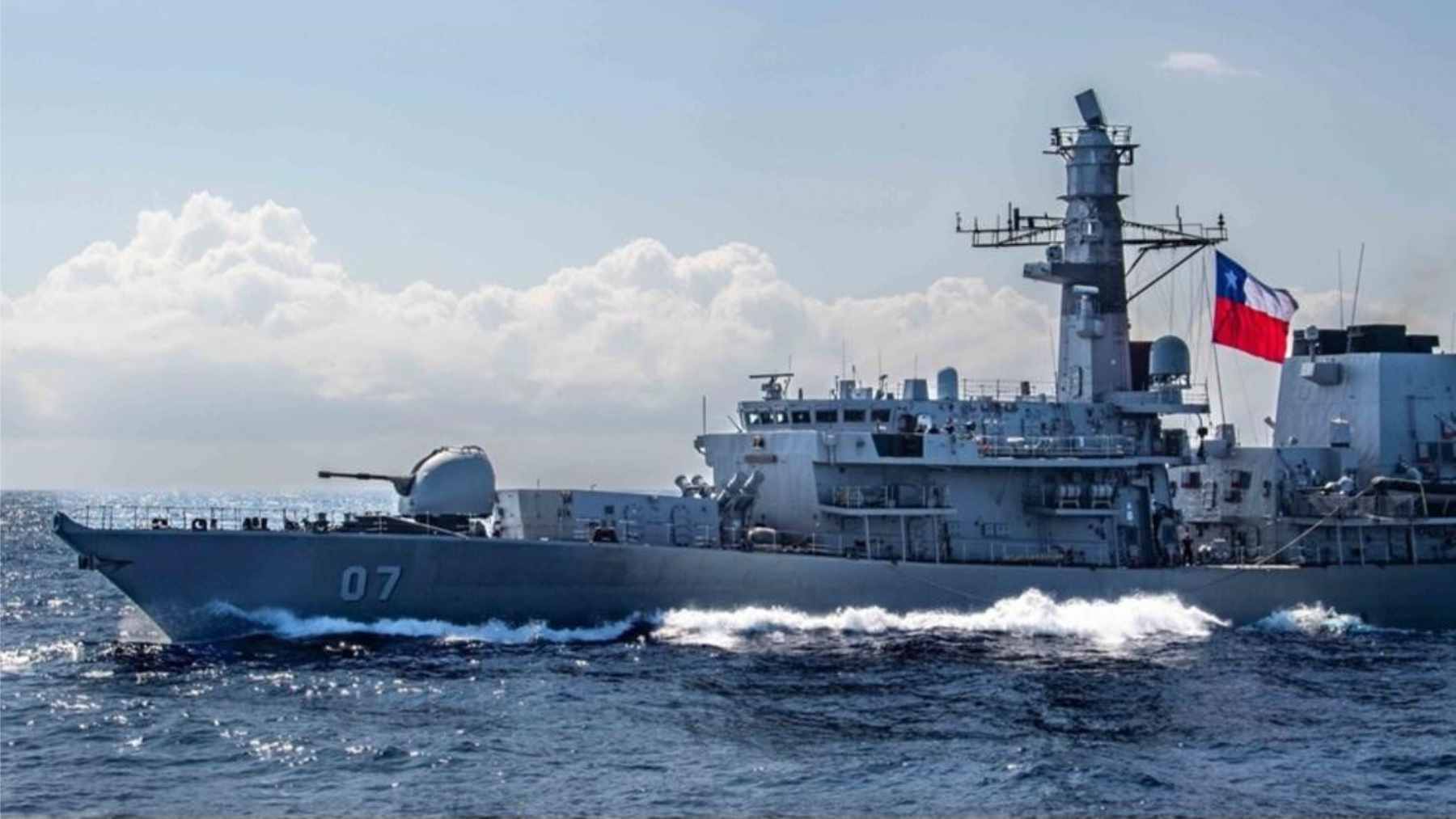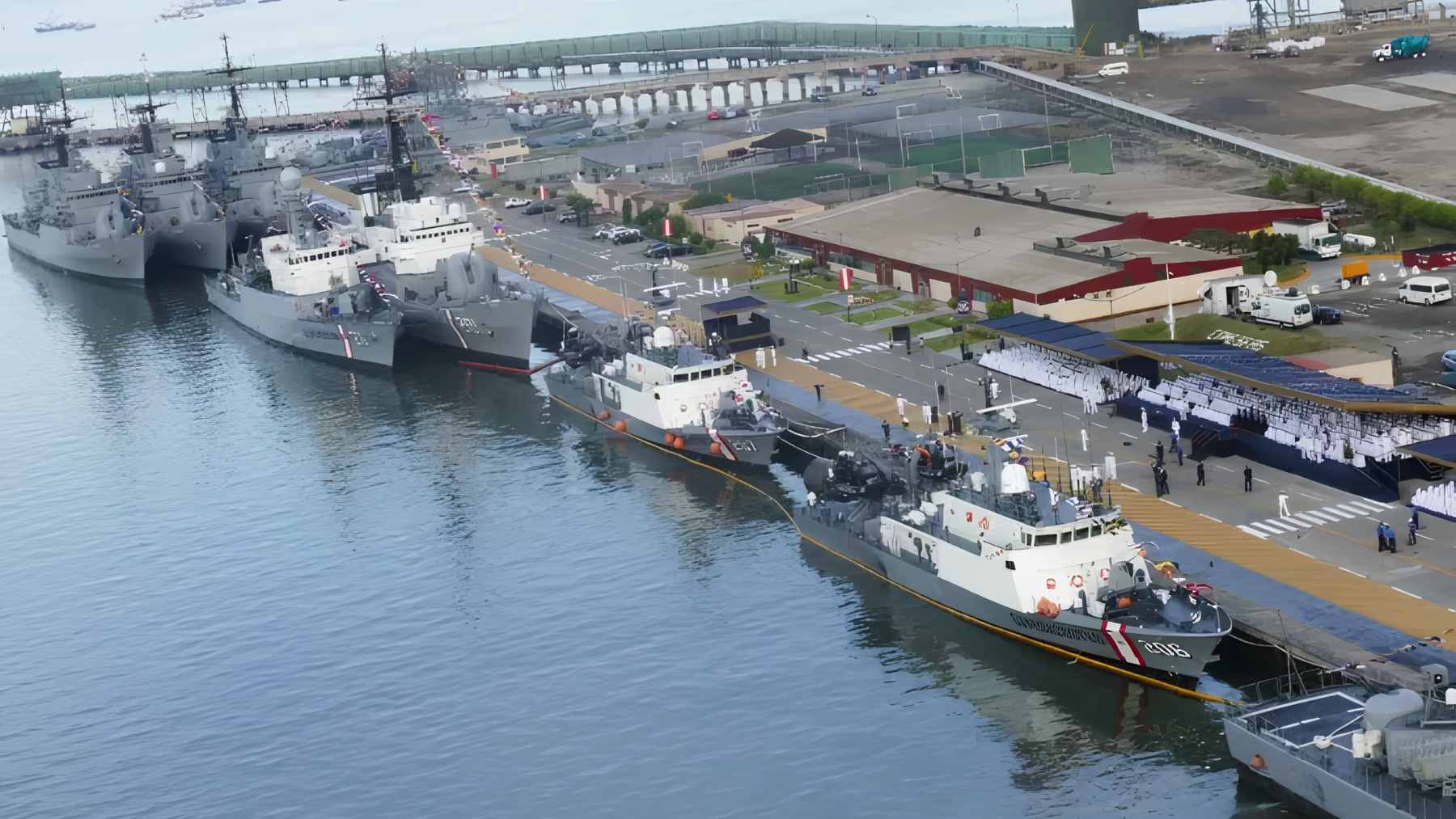
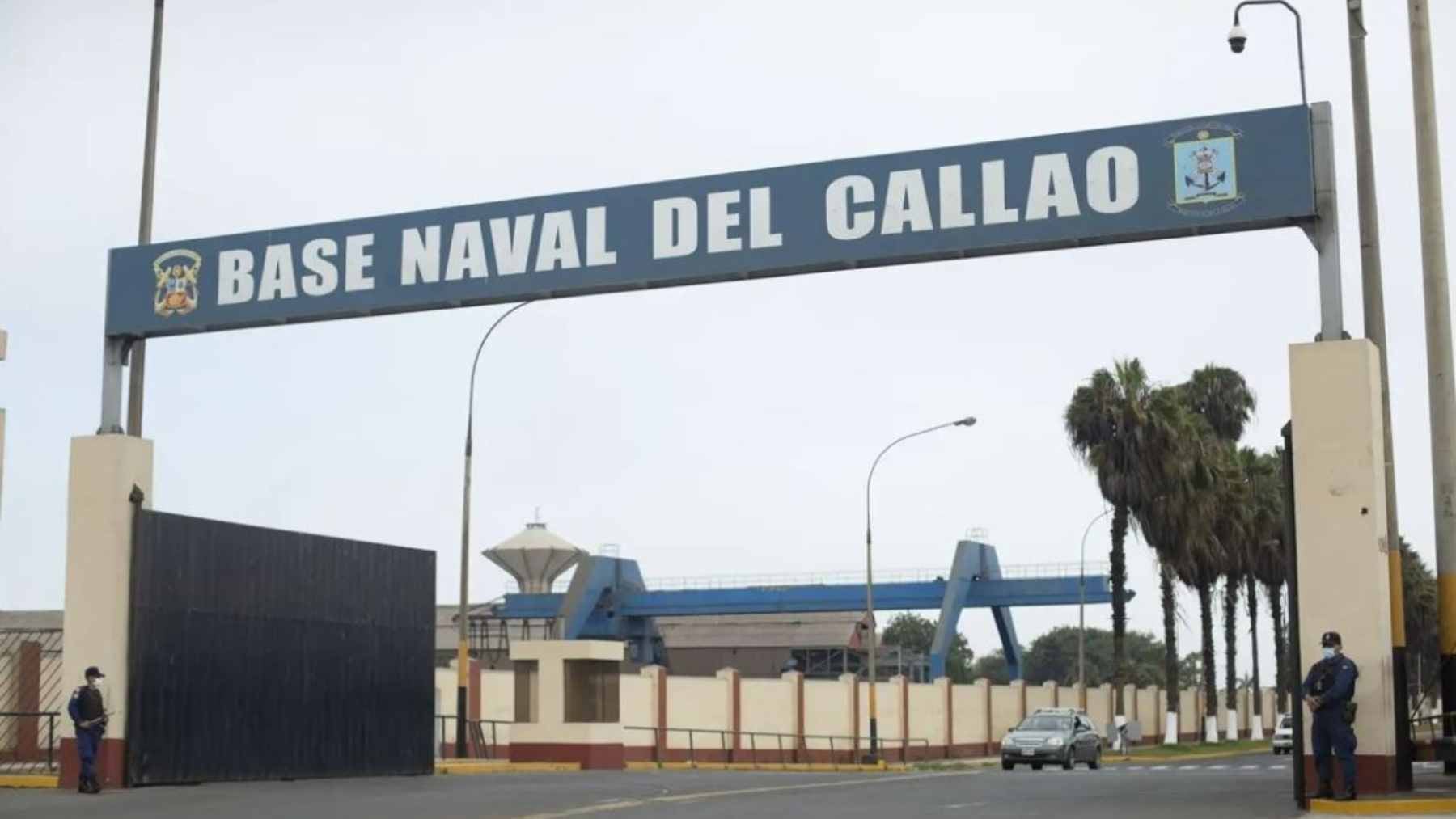
The biggest defense story on Peru’s coast is not only about warships. The U.S. State Department has approved a possible Foreign Military Sale to Peru for design and construction work at the Callao Naval Base, with an estimated value of $1.5 billion, according to the Defense Security Cooperation Agency.
That detail matters. This is not officially a U.S.-owned base being planted in Latin America, but a Peruvian-requested project supported through the U.S. military sales system. Still, because Callao sits beside Peru’s busiest port zone, the decision reaches far beyond defense. It touches trade, technology, coastal planning, and the environment.
A major deal, not a U.S. base
The official filing says Peru requested equipment and services for maritime and onshore facilities at Callao Naval Base. The package includes lifecycle design, construction, project management, engineering studies, infrastructure assessments, surveys, technical support, and logistics services.
The agency also made a careful point that the proposal “will not alter the regional military balance.” But will that settle all doubts? Probably not, especially at a time when ports on South America’s Pacific coast are becoming more valuable for trade with Asia.
Why Callao matters
Callao is not just another waterfront. Peru’s National Port Authority said the country’s public and private terminals moved more than 145.5 million U.S. tons of cargo in 2025, with the South Container Terminal of Callao leading the ranking at about 24.2 million U.S. tons.
The North Multipurpose Terminal of Callao followed with about 22.4 million U.S. tons. In everyday terms, that means cranes, trucks, fuel handling, customs, dockworkers, navy activity, and nearby neighborhoods all operating in a very tight space. That is where the environmental question begins.
The port race is growing
Reuters reported that Peru’s plan to shift its main naval base in Callao would help expand the neighboring commercial seaport. That port is competing with Chancay, the Chinese-built megaport about 50 miles north of Lima, which began operations in November 2024.
Callao also began direct shipping routes from China and South Korea in November 2025, cutting transit times to about 23 days, according to Reuters. That is good news for trade. On the other hand, more cargo can also mean more diesel fumes, noise, road congestion, and pressure on coastal waters.
The bay already has stress
Callao Bay is not starting from a clean slate. A 2023 scientific article listed in Peru’s ALICIA research repository found that surface marine sediment in Callao Bay was highly contaminated, mainly due to arsenic, cadmium, and lead.
That does not mean the naval project caused the problem. It means any major construction there has to be handled with extra care. When a bay already carries the scars of industry, any further developments in shipping, urban growth, dredging, drainage and construction matters.
Tech can help, but only if used well
The defense package includes engineering studies, surveys, infrastructure assessments, and technical support. In practical terms, that can give planners better tools to map risk, separate civilian and military traffic, and design a safer waterfront.
But technology is not magic. Sensors, digital traffic systems, and modern port design only matter if they are tied to public monitoring and real enforcement. Otherwise, a “smart” port can still leave nearby residents breathing dirty air and fishers wondering what changed in the water.
Environmental oversight is the test
Peru’s Ministry of Transport and Communications says environmental certification for national transport infrastructure, including port works, must happen before construction begins. It also says an environmental assessment submitted after construction starts cannot be approved.
That rule is crucial here. The project should make clear who will monitor water quality, sediment movement, construction runoff, hazardous materials, and vessel emissions. No one wants a security upgrade that quietly leaves the waterfront dirtier.
A long footprint
The Defense Security Cooperation Agency said implementation could require up to 20 U.S. government or contractor representatives in Peru for up to ten years for construction management and oversight. That is a long timeline, not a quick ribbon-cutting.
For Washington, the proposal is about supporting a strategic partner on the Pacific. For Peru, it is about making Callao work better without turning the coast into a bigger choke point. For the people who live near the port, the real question is simpler. Will this make the bay safer, cleaner, and easier to live with?
At the end of the day, this project will be judged by more than ships and concrete. It will be judged by the water, the air, the traffic, and the trust built around it.
The official statement was published on Defense Security Cooperation Agency.