The race to feed artificial intelligence no longer stops at the edge of a power grid. Off Shanghai’s eastern coast, China has started operating what it describes as the world’s first undersea data center directly powered by offshore wind, using the sea itself to help cool the servers.
It sounds almost like science fiction, but at the center of this project is a very practical question facing tech companies everywhere. How do you keep building the digital backbone of AI without draining more land, freshwater, and electricity from already crowded cities?
A server room under the waves
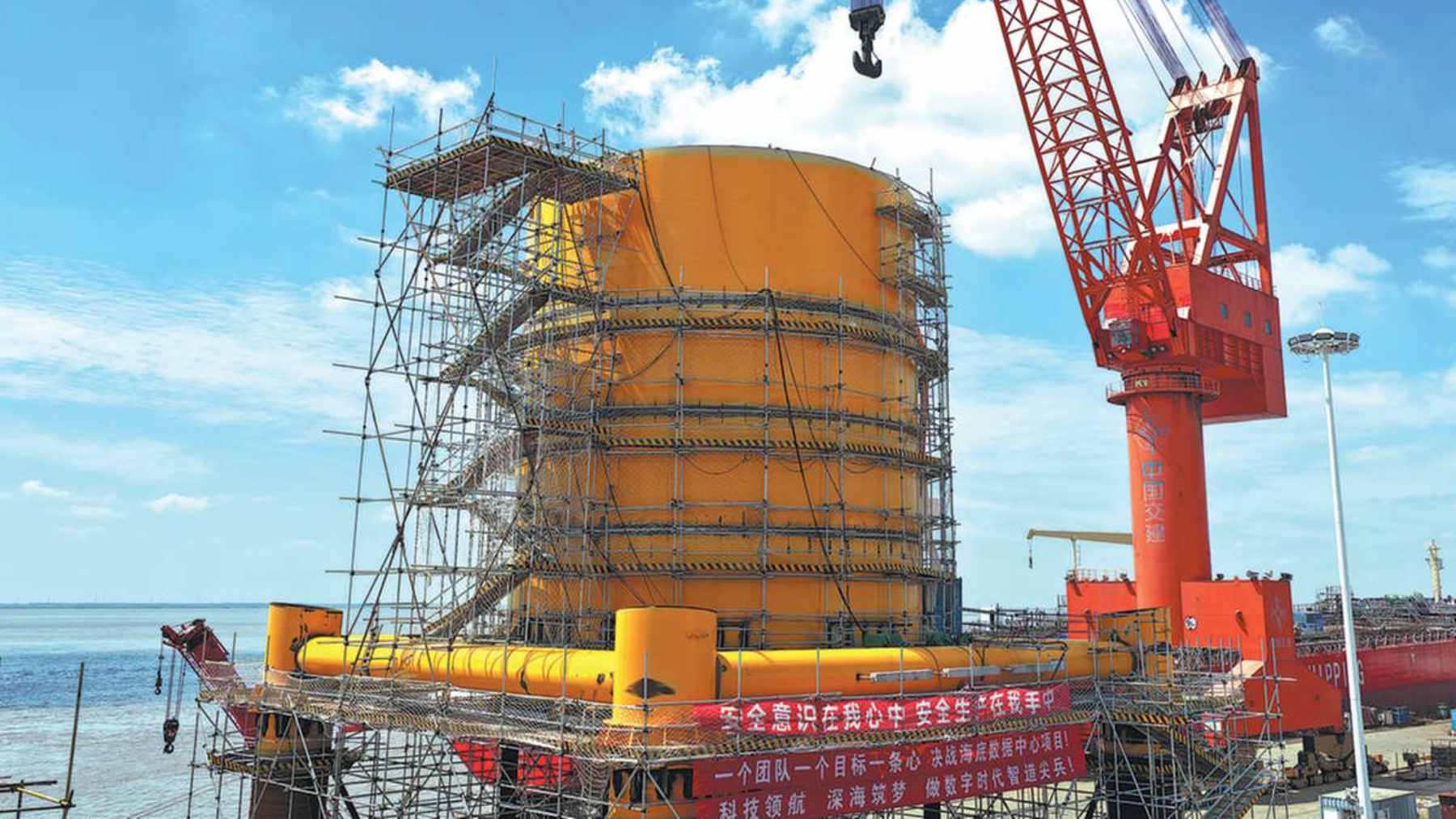
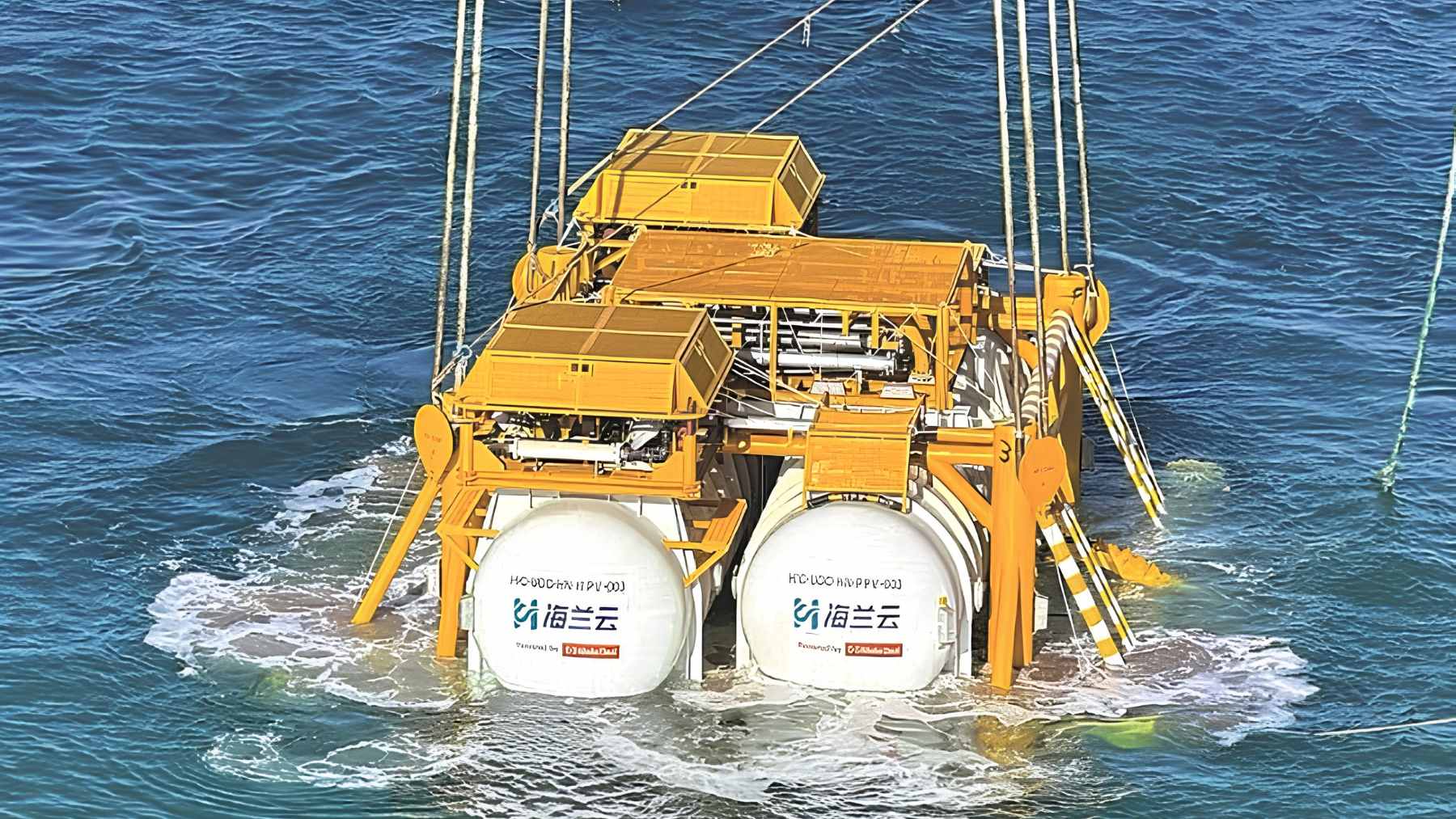
The Shanghai Lingang undersea data center demonstration project entered operation in May in the waters off the city’s eastern coast. It was built by a subsidiary of China Communications Construction and sits about 6 miles offshore in Shanghai’s Lingang area.
The planned capacity is 24 megawatts, which China Daily says is enough to power roughly 20,000 households. The first phase is reported at 2.3 megawatts, with the second phase intended to scale the project up to the full 24.
The key feature is what developers call a “direct offshore wind connection.” Electricity from nearby offshore wind farms is sent through subsea cables to the submerged data modules, cutting out the usual grid-routing path and bringing power generation much closer to computing demand.
Why the sea changes the math
For a normal data center, heat is the everyday enemy. Servers work hard, they get hot, and keeping them cool can require huge amounts of electricity and water, especially in dense urban areas where space is already expensive.
The Lin-gang system uses seawater as a natural cooling source through a circulating copper-pipe heat exchange design. According to project estimates, the setup reduces electricity consumption by 22.8%, eliminates freshwater use, and cuts land use by more than 90% compared with traditional facilities.
In this model, the ocean is not just the backdrop, it becomes part of the cooling system. The data center is trying to bundle power, location, and temperature control into one offshore package.
AI is the pressure behind it
This is not happening because the tech industry ran out of places to put servers. It is happening because AI is changing the energy profile of computing at a startling pace.
The International Energy Agency says global electricity demand from data centers grew 17% in 2025, while electricity use from AI-focused data centers climbed 50%. The agency expects total data center electricity consumption to roughly double from 485 terawatt-hours in 2025 to 950 terawatt-hours by 2030.
That’s why cooling has become a business issue as much as an environmental one. Tsinghua University Professor Li Zhen told China Daily that cooling in conventional data centers can account for about one-third of total electricity use, while an undersea data center of the same scale could bring that share down to “about one-tenth.”
The savings could be huge
Li also gave a sense of the possible national impact if the model were used more broadly. He said China’s data centers consume about 250 billion kilowatt-hours of electricity each year, with roughly 80 billion kilowatt-hours going to environmental cooling.
If similarly scaled data centers were placed underwater, cooling demand could fall to around 30 billion kilowatt-hours, he estimated. That would save about 50 billion kilowatt-hours of electricity every year.
By Li’s estimate, the reduction would be equal to avoiding the burning of about 16.5 million tons of standard coal annually–that’s not pocket change. For the most part, it shows why engineers and policymakers are taking strange-sounding ideas seriously.
The hard questions are still underwater
Still, the sea is not an empty parking lot. Saltwater corrosion, subsea cables, repair access, storm exposure, and continuous heat release into local marine environments are all issues that matter more if one demonstration project turns into a network of offshore facilities.
Similar underwater data center proposals have already raised questions from regulators and scientists elsewhere. In San Francisco Bay, for example, a proposed underwater server project drew scrutiny over permits and possible ecological effects, including concerns about heat and disturbance in sensitive waters.
There is also the maintenance problem. A data hall on land can be entered by technicians with a badge and a toolbox. Underwater, even routine repairs become a marine engineering job.
Not the first dive into the idea
China is not starting from zero here. Microsoft’s Project Natick tested the feasibility of subsea data centers years earlier, including a two-year deployment off Scotland’s Orkney Islands. Microsoft described the project as an effort to understand the benefits and difficulties of deploying subsea data centers powered by offshore renewable energy.
The difference is scale and intent. Natick was a research program, while the Shanghai project is being presented as commercial infrastructure tied to AI workloads, offshore wind, and regional computing demand.
That changes the stakes. A successful experiment is interesting, but a working piece of energy-linked AI infrastructure is something competitors may try to copy.
Why this matters now
For businesses, the project is about more than looking green. It points to a future where data centers may be planned alongside power assets, not simply plugged into the grid after construction is finished.
For governments, it also offers a possible way to reduce pressure on land, freshwater, and urban power systems. That matters in coastal technology hubs where AI companies want low-latency computing close to users, factories, labs, and financial systems.
Will every coastline want server pods offshore? Probably not. But in dense regions with expensive land, offshore wind, and heavy AI demand, China’s project gives the rest of the tech world something very real to measure.
What happens next
Lin-gang officials have already signaled larger ambitions. In 2025, the area said a strategic cooperation agreement had been signed for a 500-megawatt offshore underwater data center project, suggesting developers see this as a platform, not a one-off experiment.
For now, the Shanghai project is a live test of whether AI infrastructure can move into new environments without simply moving its problems with it. If it works, the next data center boom may look less like a warehouse park and more like a piece of marine energy infrastructure.
The report was published on China Daily.