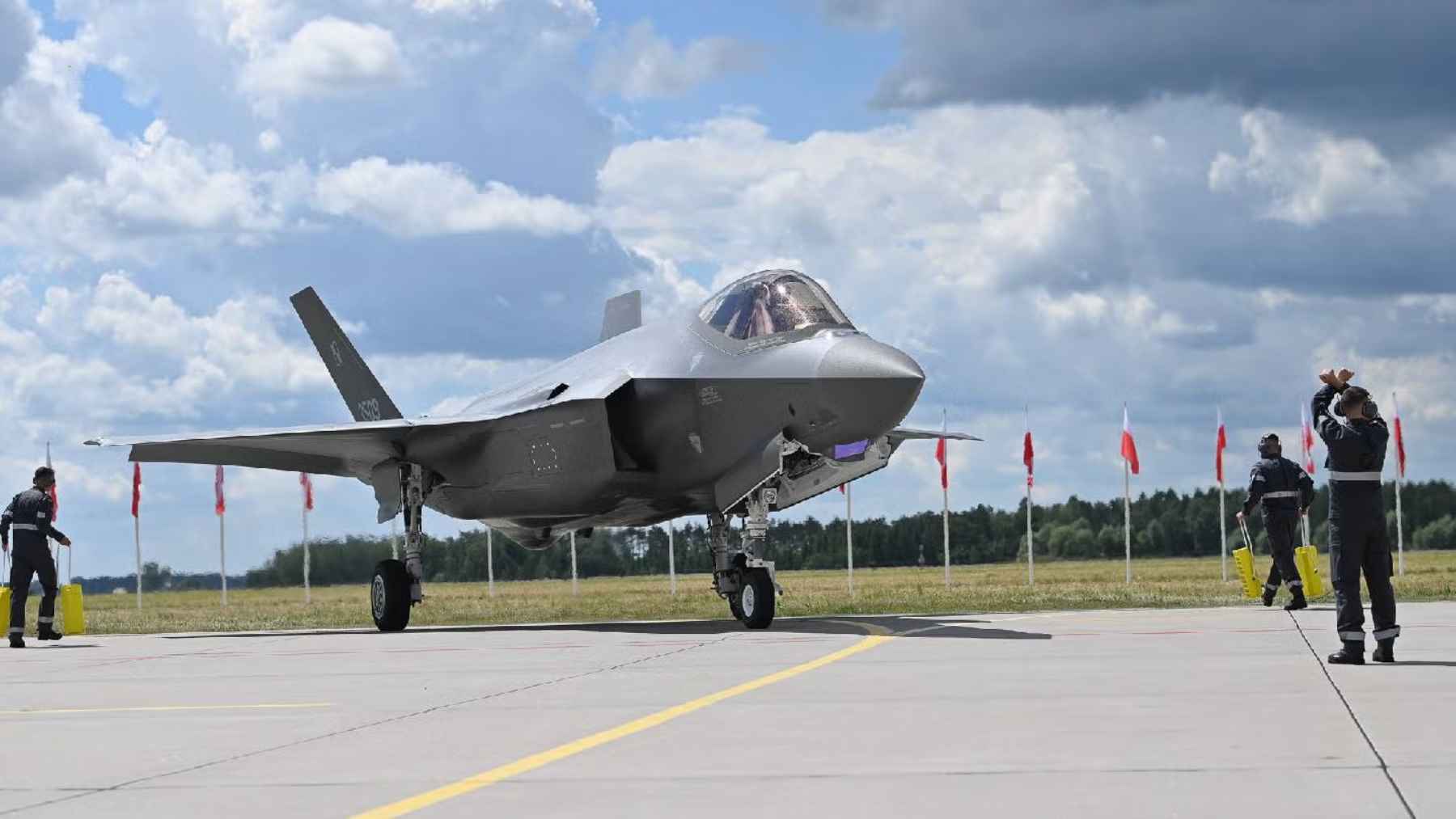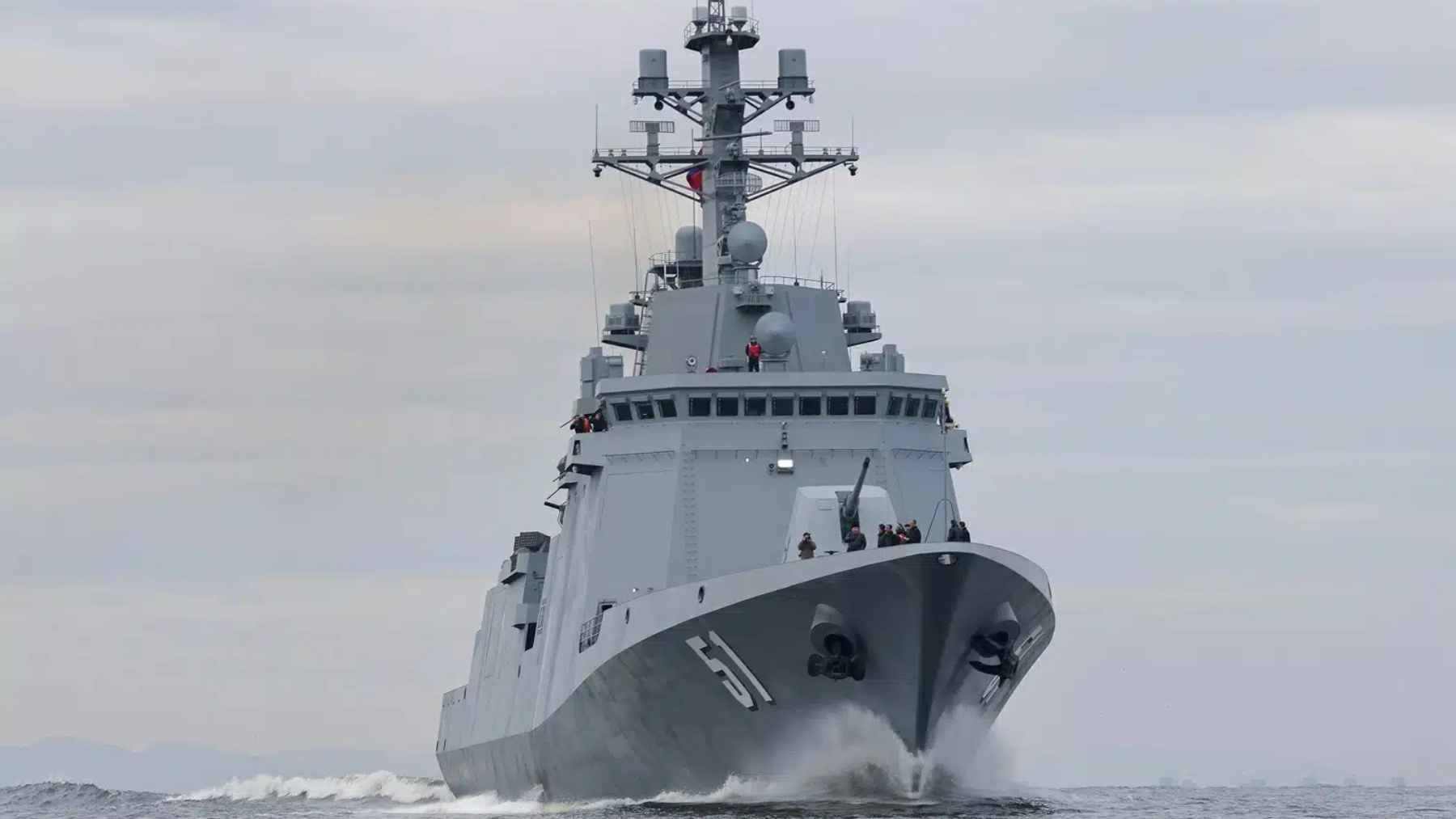
North Korea’s biggest modern warship appears to be moving again. Satellite imagery analyzed by NK Pro showed a vessel matching the No. 51 Choe Hyon destroyer in Nampho Bay on May 28, only weeks before Pyongyang said it plans to hand the ship over to the navy in mid-June.
That matters beyond military watchers. The 5,000-ton-class ship is a symbol of Kim Jong Un’s push for a more capable, missile-armed navy, but repeated sea trials and weapons checks in coastal waters also raise a quieter question. How much environmental risk comes with a naval buildup that outsiders can mostly watch only from space?
Satellite images tell a careful story
Late in the morning on May 28, imagery showed the Choe Hyon missing from its usual berth at Nampho Shipyard, where it had spent much of the past year. Around the same time, a ship roughly matching its size, about 459 ft. long, appeared between the West Sea Barrage and the shipyard while moving east across Nampho Bay.
Just after noon, the same vessel appeared about 2,723 ft. south of the shipyard. That does not prove exactly what the crew was doing. Still, the timing fits a broader pattern of last-minute testing before the destroyer’s planned entry into service.
NK Pro later updated its analysis to say the No. 51 destroyer again appeared missing from Nampho Shipyard on May 29. A similar-sized ship was visible in the bay, while a nearby land target showed signs of possible impact damage between May 24 and May 29. It could have been from coastal launchers, or from unconfirmed ship activity. The images alone cannot settle that.
Kim wants the ship delivered in June
North Korean state media said Kim Jong Un boarded the Choe Hyon on May 7 and observed a maneuverability test before commissioning. The official account said the ship sailed a 120-nautical-mile section of the West Sea, and that Kim ordered it handed over to the navy in mid-June as planned.
That timeline gives the latest satellite sightings extra weight. North Korea’s state media also reported at the ship’s 2025 launch that it had been assigned to the East Sea Fleet, which suggests the vessel may eventually need to sail around South Korea to reach the country’s eastern waters.
Such a trip would be more than a routine transfer. For Seoul and Washington, a large missile-equipped destroyer moving around the peninsula would be a signal that North Korea wants its navy to play a bigger role in deterrence, not just coastal defense.
A bigger navy is taking shape
The Choe Hyon is not just an old hull with fresh paint. The Center for Strategic and International Studies described it as the largest warship North Korea has ever produced and the lead vessel in the Korean People’s Navy’s first destroyer class. CSIS also estimated its length at 472 ft.
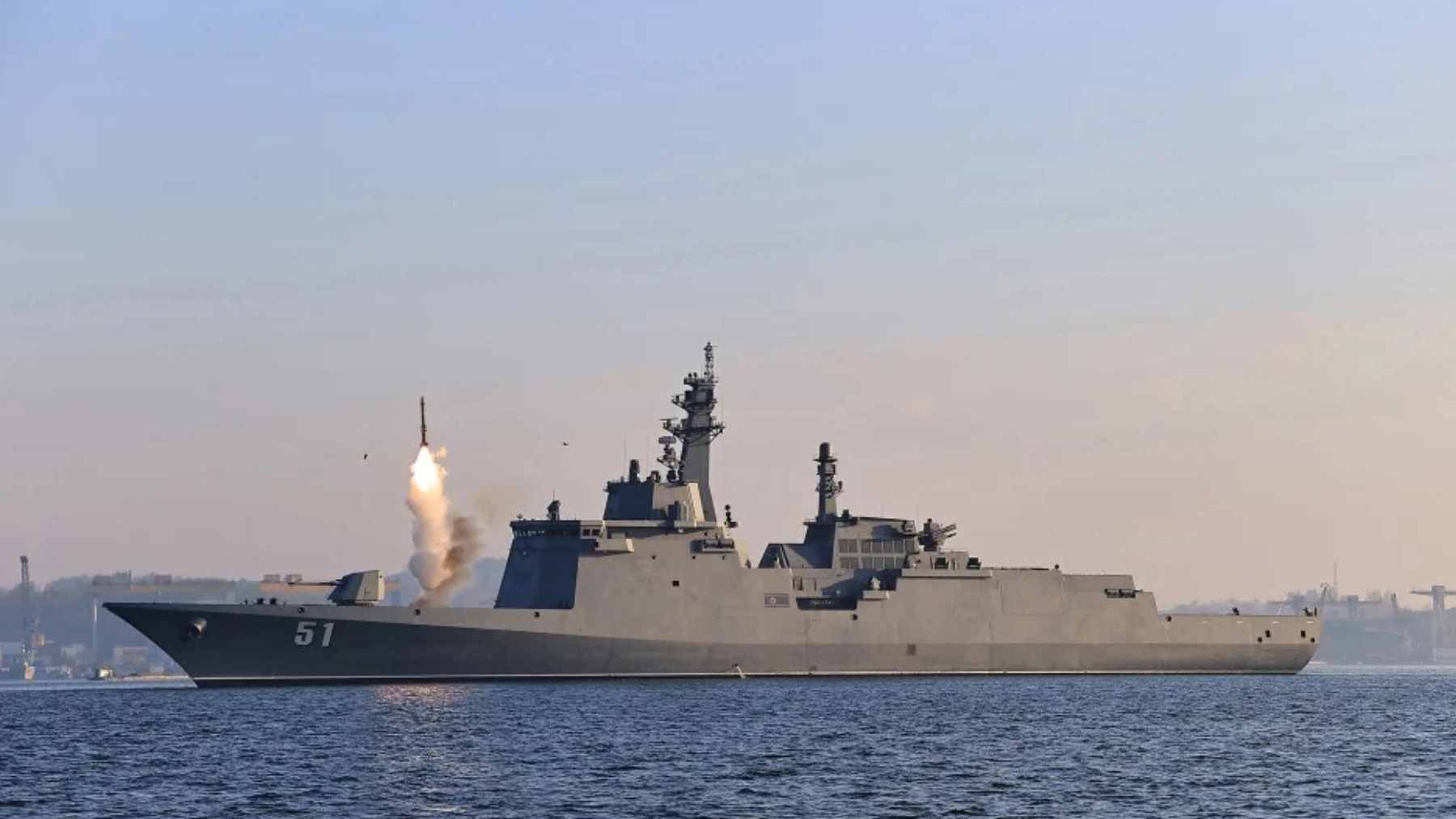
Weapons testing has already been part of the ship’s story. Reuters reported that North Korea fired two strategic cruise missiles and three anti-warship missiles from the Choe Hyon in April as part of operational efficiency trials, citing state media.
KCNA said the tests checked the ship’s integrated weapons command system, missile-launch procedures, and upgraded navigation performance.
Ready for ceremony is not always the same as ready for combat, however. AP has noted that South Korean officials and outside experts have questioned whether North Korea’s new destroyers are fully prepared for active service. Daily NK also reported that the broader destroyer force still appears affected by technical problems and restricted movement.
The hidden ocean risk
There is no public report of an oil spill or confirmed ecological damage from the May 28 or May 29 movements. That caveat matters, but military activity at sea can affect ecosystems even when nothing dramatic appears on the surface.
The National Oceanic and Atmospheric Administration (NOAA) says marine mammals, fish, and invertebrates rely on underwater sound for basic life functions such as breeding, foraging, navigation, and avoiding predators.
It also lists naval exercises among the human activities that add sound to the ocean, with potential effects including stress, hearing loss, and movement away from preferred habitat.
The International Maritime Organization has also warned that underwater noise from ships can have short and long-term consequences for marine life, especially marine mammals. In practical terms, a busier naval testing area is not just a security issue. It is also an ocean-management issue.
Missiles leave more than headlines
Missile tests add another layer. Debris, fuel handling, target impacts, and recovery operations all matter, particularly in coastal waters where fishing, shipping, and marine habitats sit close together.
The United Nations Environment Programme says marine pollution can come from both land and sea, including oil spills, ocean dumping, shipping emissions, and marine litter. It also warns that these pressures can affect biodiversity, human health, and economic activity.
That is why opacity changes the story. In a more transparent system, major tests would usually come with navigation warnings, safety zones, recovery details, and some level of environmental oversight. With North Korea, the outside world often gets satellite imagery, state media statements, and partial military alerts.
What Seoul and Washington will watch
South Korean military authorities did not publicly announce any missile launch tied to the May 28 movement, according to the supplied brief. That does not rule out every kind of test, because public real-time alerts usually focus on ballistic missiles rather than cruise missiles or surface-to-air weapons.
Analysts will now watch whether the No. 51 remains near Nampho, heads toward the east coast, or appears near one of North Korea’s larger naval facilities. The supplied information notes that a major new base north of Wonsan remains unfinished, while older options include Rakwon, Mayang, or Orang.
For now, the Choe Hyon is both a technology story and an environmental accountability story. If Pyongyang turns Nampho Bay and nearby waters into a regular proving ground, the region’s sea lanes, fisheries, and marine ecosystems become part of the competition, too.
The official statement was published on KCNA Watch.