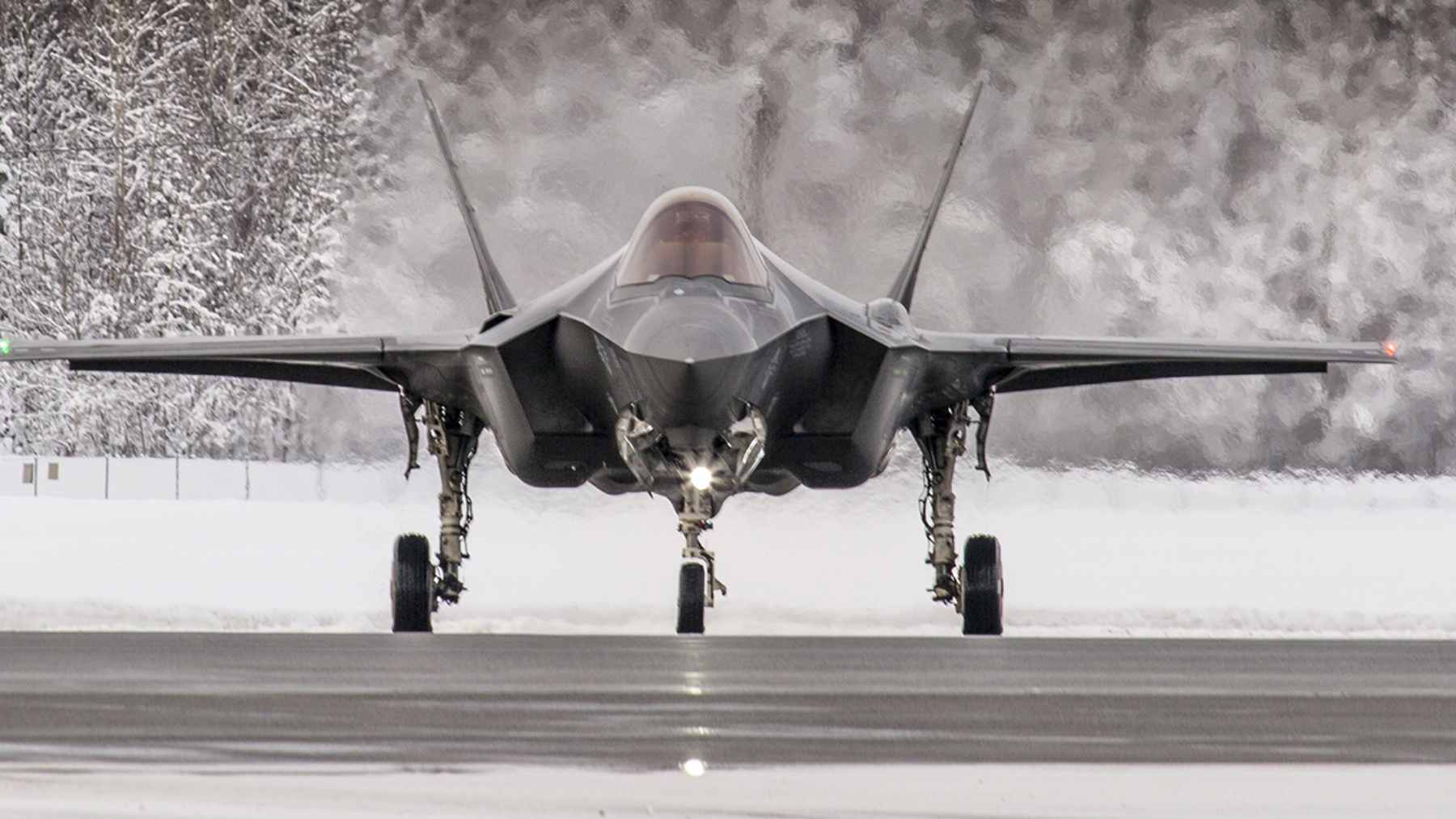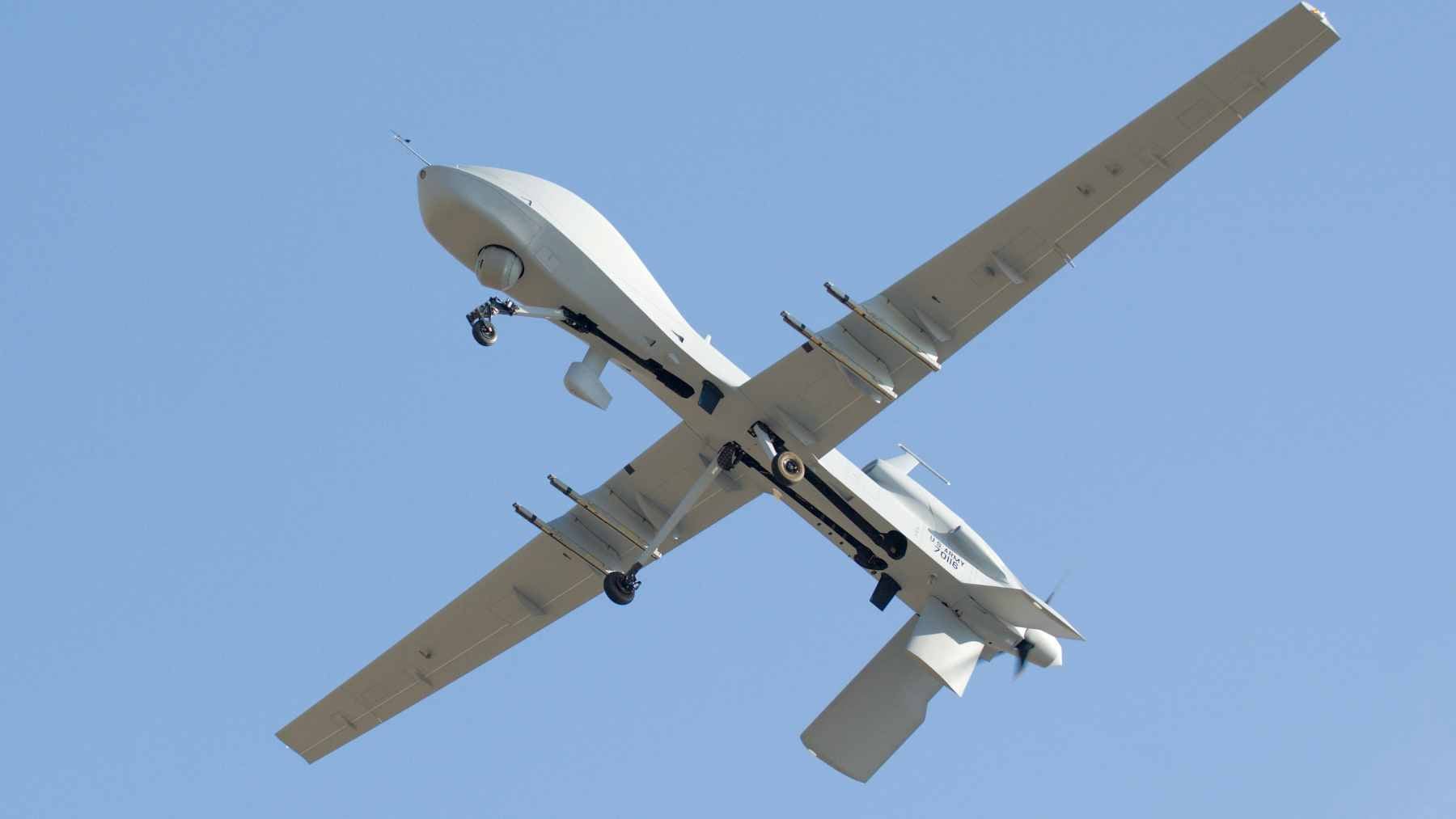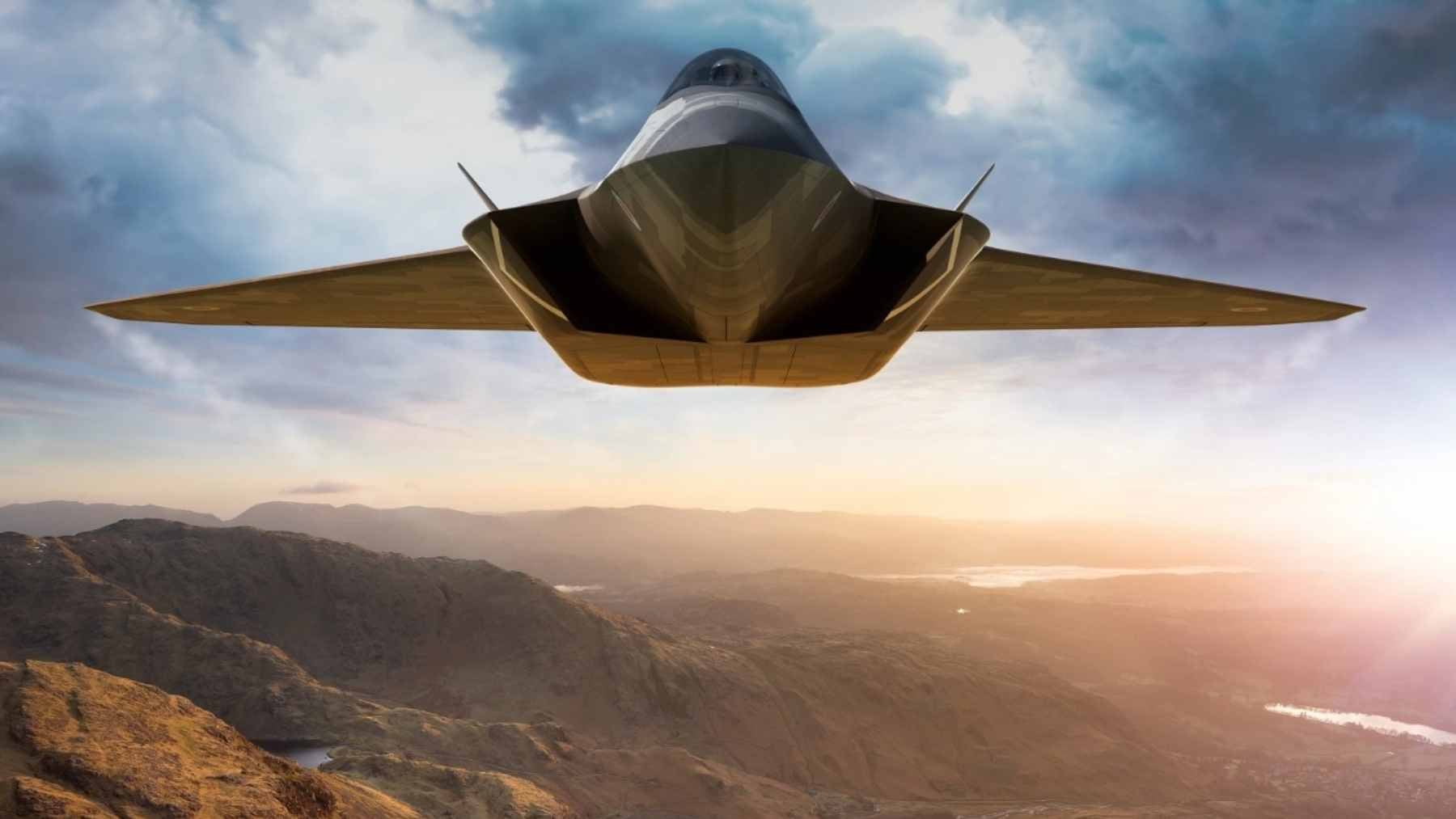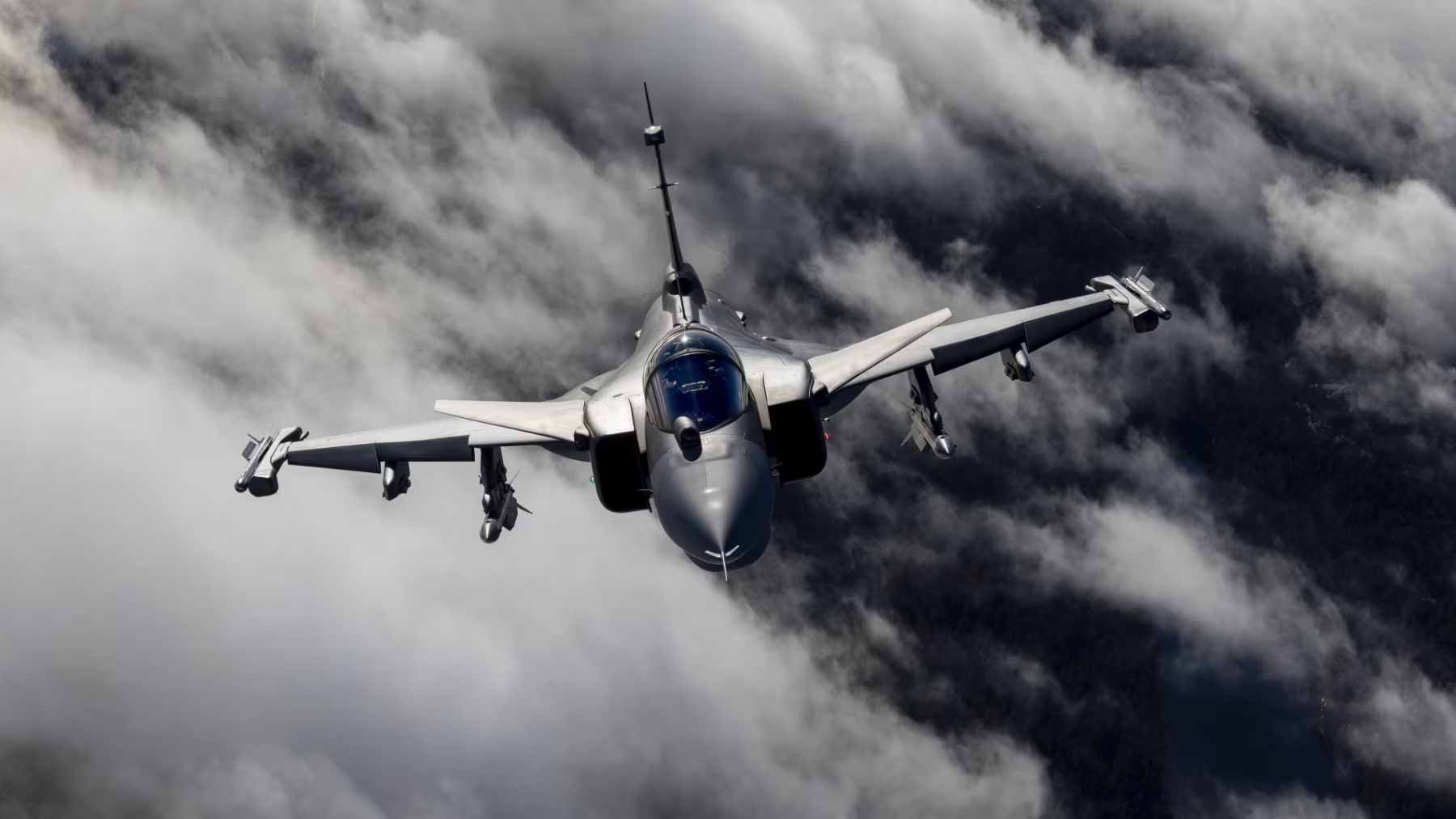
Sweden and Ukraine say negotiations over Saab-made JAS 39 Gripen fighter jets are moving forward, with Kyiv signaling that a deal could be signed within months. The headlines are about airpower, but a quieter question is hanging in the air: what does a fighter jet deal have to do with ecology?
Modern wars do not just destroy buildings. They burn fuel, pollute water, scar farmland, and leave behind toxic debris that can stick around for years, often far from the front line.
The deal and the timeline
At a joint appearance in Stockholm on May 7, Ukraine’s Minister of Defense Mykhailo Fedorov said “we have our plan [on] how to finance it,” according to Reuters. Sweden’s Minister of Defense Pål Jonson also told Reuters that talks were going well, and that he did not rule out a deal this year.
The countries signed a letter of intent in October 2025 that could see Sweden supply up to 150 Gripens, and the EU’s Council finalized a €90 billion ($104 billion) support loan for Ukraine in April 2026.
Reuters reported that first deliveries could be about three years after a contract is finalized, while an older-model loan, sale, or gift could move faster. Jonson said part of Sweden’s aid budget for this year and next could potentially be used to help finance the purchase.
Ukraine’s Ministry of Defence framed the talks as more than an aircraft purchase. Its statement points to expanding defense industry cooperation, electronic warfare work, radar, and satellite communications, plus a proposed “BRAVE SWEDEN” project tied to Ukraine’s Brave1 defense innovation cluster.
Reuters also reported that Saab’s CEO hopes the agreement would become Sweden’s biggest-ever arms export deal.
War’s environmental bill
It is easy to think of emissions as something tied to traffic jams and power plants, not a battlefield. But a 2024 report cited by Reuters estimated the invasion has produced about 193 million tons of CO2 equivalent once you include wartime emissions and expected reconstruction.
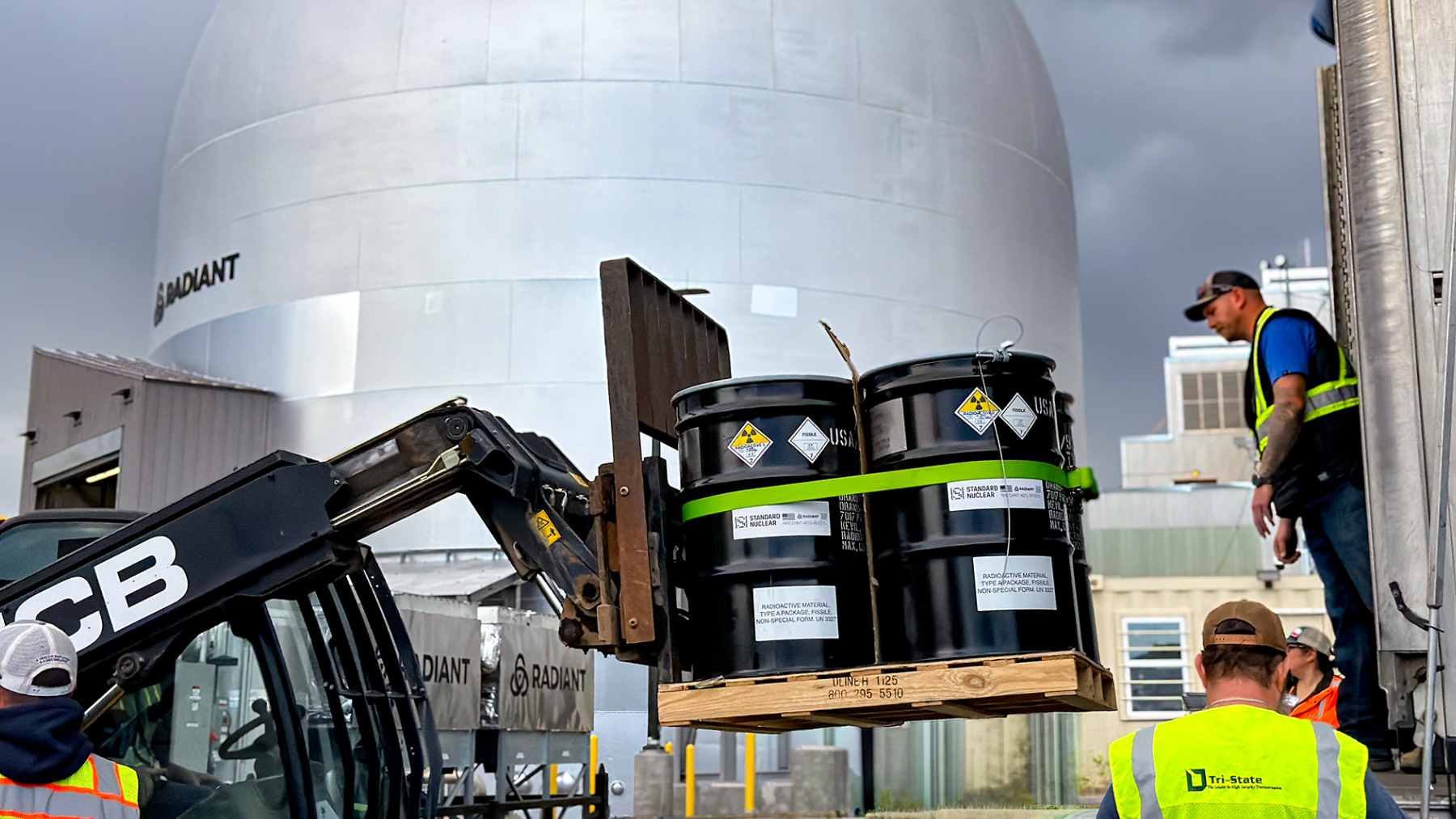
A United Nations Environment Programme review warned that conflict can contaminate land and water through fires, industrial releases, and debris from destroyed infrastructure.
The European Commission’s Joint Research Centre has also pointed to rising toxic pollution risks and serious soil impacts even when overall emissions fall because the economy slows.
So why does an aircraft purchase sit in the middle of this? In practical terms, stronger air defenses can help reduce strikes on refineries, chemical plants, and power networks, which are the kinds of hits that can snowball into long-term ecological harm.
When the lights go out, it is not only the front line that feels it, it is also the family staring at an electric bill in a cold apartment.
Defense tech and energy security
The Ministry of Defense description of the Sweden trip reads like a checklist of modern, networked warfare. Alongside Gripen discussions, it flags cooperation on anti-ballistic solutions and electronic warfare, plus meetings with Saab on radar and satellite communications. It also mentions Ukraine’s DELTA digital tools and talks about potential joint production.
Those details matter for the environment because “seeing” the battlespace faster can reduce waste and chaos. Better sensors and communications can support more selective targeting, quicker repairs, and improved protection for critical infrastructure like power stations and fuel depots.
NATO is also pushing members to treat climate as a security variable, not a separate policy binder on a shelf. The alliance’s climate and security action plan calls for developing a methodology to map greenhouse gas emissions from military activities. NATO’s environment work also stresses guidelines and best practices aimed at reducing harmful impacts from operations and exercises.
A greener jet fuel question
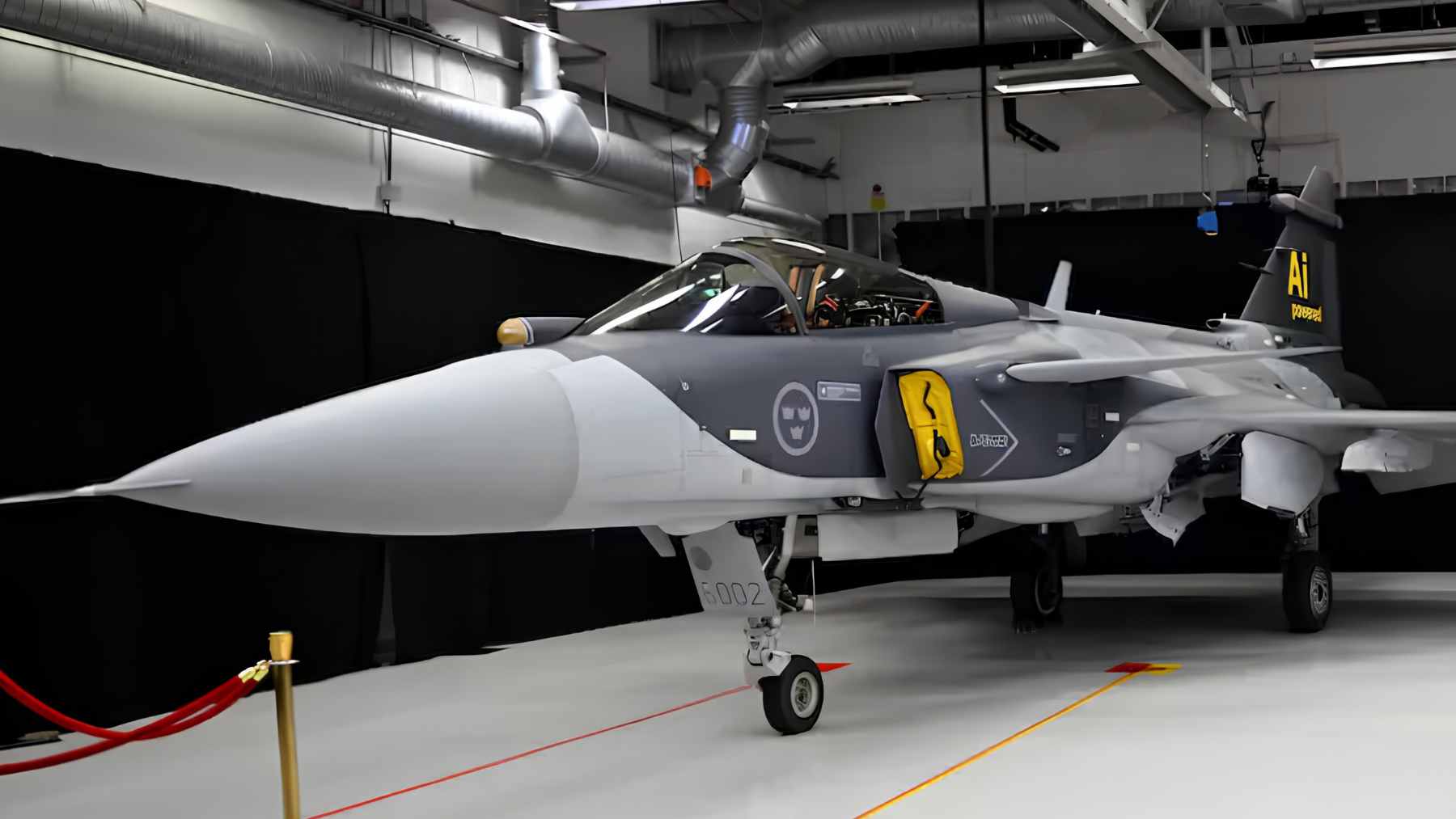
Fighter jets are never going to be “green” in the way an electric bus is green. Still, the defense aerospace industry is testing options that could lower dependence on oil while cutting some emissions. Saab says a Gripen D completed test flights using 100% biofuel in 2017 and that the test team saw no differences compared with standard jet fuel.
In its biofuel announcement, a Saab research executive said independence from oil imports “creates flexibility” for defense and can “contribute to reducing environmental impact from military aviation.” The company also noted that operational use would require further certification and reliable fuel supply.
The catch is that aviation’s climate footprint is not only CO2, and even “cleaner” fuel still leaves a wake in the sky. Climate Action Tracker notes that CO2 accounts for only about one-third of aviation’s overall warming impact once you include effects such as nitrogen oxides and contrails.
That means alternative fuels can help, but they are not a magic eraser in a war where reliability beats experimentation.
The official statement was published on Ministry of Defence of Ukraine.