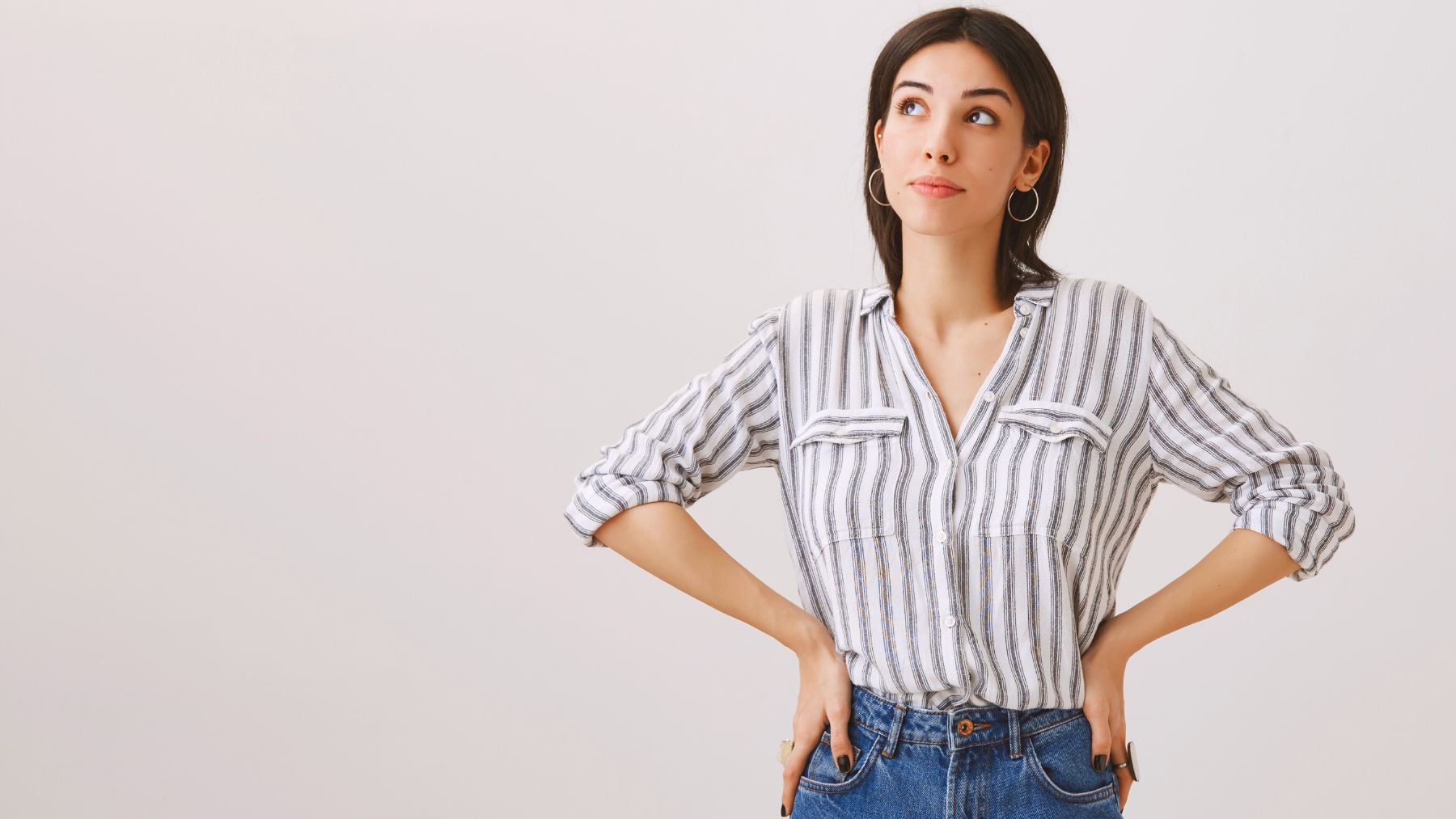
You’ve probably seen people stand with their hands on their hips during a conversation and wondered what it says about them. This simple gesture can signal confidence, tension, curiosity, or even hidden frustration. It shows up in everyday moments at home, at work, and in public places, from grocery stores to school drop-off lines.
In the following sections, we’ll look at what this pose often communicates and why context matters. We’ll also explore a few other gestures that shape how we read people without realizing it, from small shifts in posture to instinctive movements we tend to overlook.
The meaning behind the hands-on-hips pose
Placing your hands on your hips is one of the clearest power cues in body language. People use it when they feel ready to act, take control of a situation, or hold their ground. It widens the body, lifts the chest, and makes someone look more prepared or more dominant. This is why athletes, public speakers, and even parents fall into the pose when they want to make a point.
But the meaning shifts with the moment. When someone strikes this stance during a heated conversation, it can show irritation or the sense that something isn’t right. You may also see it when someone is reassuring themselves, especially under pressure. After tough moments on TV interviews or live events, celebrities often rest their hands on their hips as a quiet “I can do this” reset.
There’s also a softer version of the pose that people use without thinking. A single hand on the hip can appear when someone is uncertain, defensive, or simply getting comfortable. It’s common in quick exchanges at work, like when a manager questions an idea or a coworker pushes back on a comment. The body stiffens slightly, and the free hand stays available to move, which signals the mind is still sorting things out.
On the other side, a more relaxed version shows up in fashion shoots, modeling, and digital branding photography because it creates clean lines and highlights the waist. It sends a lighter message: confident, open, and present. That’s why stylists and photographers in places like New York or Los Angeles teach it as a go-to posture for looking balanced and strong.
Other common gestures and their meanings
Beyond the hands-on-hips pose, there are other cues that add to the message someone is sending.
- The hip shift: When someone shifts their hips in their seat, it can suggest stress, boredom, or simple discomfort. The rest of their body usually gives away which one it is.
- Hands covering the front of the body: This protective posture, often seen during awkward conversations, suggests someone wants to create a barrier and doesn’t feel fully open.
- Hips pulled back during a hug: When two people hug with their hips far apart, it points to distance or a lack of closeness. Partners or close friends tend to keep their hips closer.
Each cue builds on the moment, the relationship, and the emotional tone. When you pay attention to gestures like these, conversations feel clearer and easier to navigate. You don’t have to decode every move, but noticing the big ones can help you understand people better and respond with more ease.