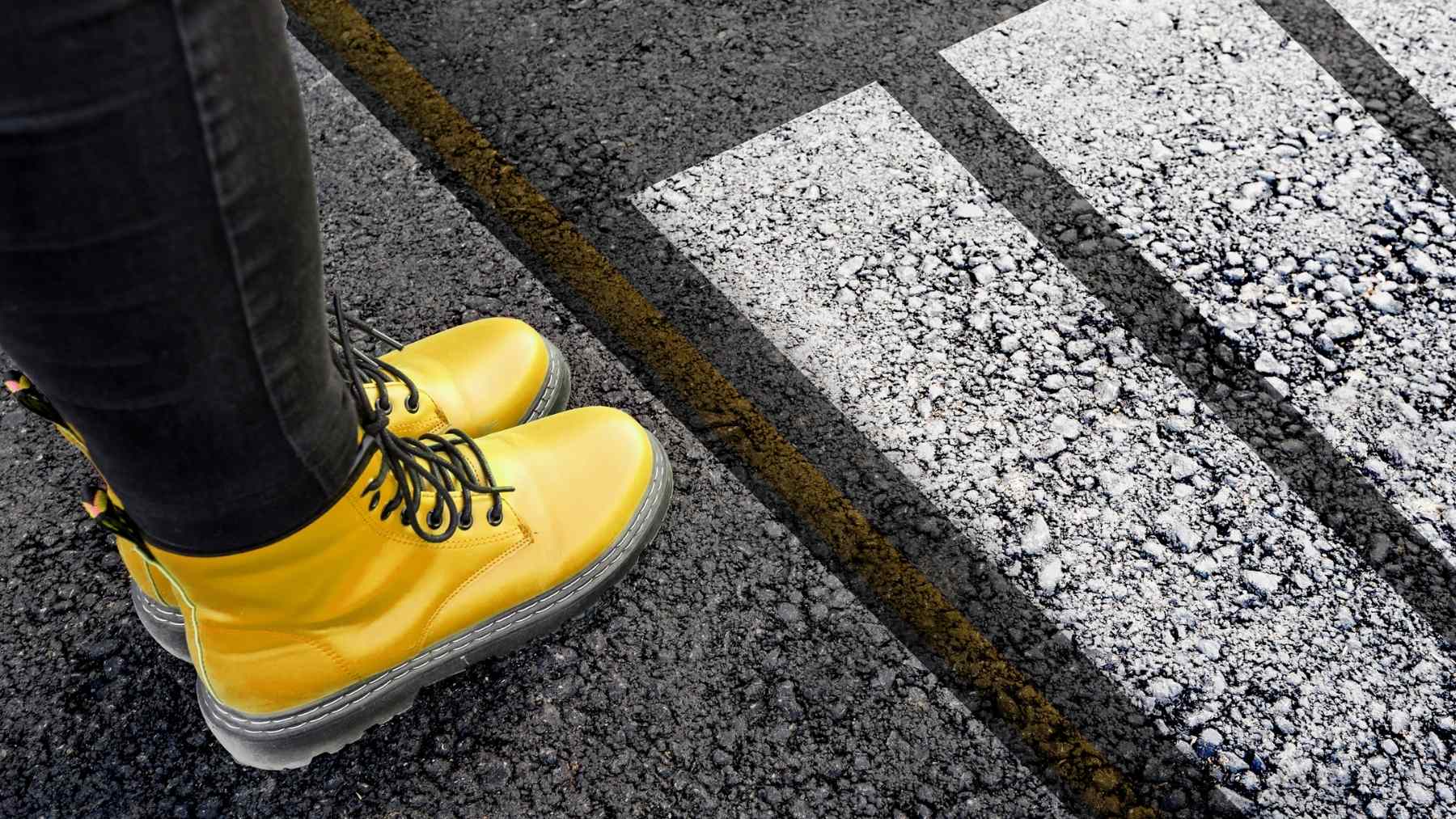
You’re waiting at a crosswalk while cars inch forward and everyone seems to be in a hurry. A driver slows, you step off the curb, and you lift your hand in a quick “thanks.” Psychologists say this small gesture is often linked with empathy and a more positive view of the world, not just good manners.
It also fits what researchers have found about gratitude and well-being in general. A large preregistered meta-analysis drawing from 145 papers across 28 countries found gratitude interventions led to small overall increases in well-being. The takeaway is not that a wave will “fix” anxiety, but that tiny moments of acknowledgment can gently steer your day toward connection instead of friction. (researchgate.net)
A wave is more than manners
In traffic, most interactions are silent and tense, especially at rush hour or on that quick coffee run. When a pedestrian acknowledges a driver who yields, it turns a rule-following moment into a human one. That recognition can reinforce the sense that people around you are paying attention and willing to cooperate.
Gratitude is not only a warm feeling, it can also motivate helping behavior. In a 2006 Psychological Science paper, researchers reported that gratitude increased efforts to assist a benefactor even when helping was “costly,” and that it could also increase assistance provided to strangers. In other words, gratitude can spill beyond the original moment and shape what you do next. (davedesteno.com)
That does not mean you can diagnose empathy by watching who waves. But it helps explain why the gesture matters as a habit, because it rehearses a prosocial script in a stressful setting. For the driver, receiving a brief thanks can also make the interaction feel less like a contest.
What gratitude does for well-being and what it does not
The strongest evidence comes from looking across many studies, not a single viral example. In that preregistered meta-analysis, gratitude interventions led to small overall increases in well-being, with Hedges’ g reported as 0.19. The authors also found that approaches like combining multiple gratitude activities and using randomized controlled trials tended to show larger effects. (researchgate.net)
Still, gratitude is not a substitute for mental health care. Ohio State researchers analyzed 27 studies with 3,675 participants and found gratitude interventions were not much better than unrelated activities for reducing anxiety and depression symptoms, with one researcher saying “There was a difference, but it was a small difference.” They added that it “would not be something you would recommend as a treatment,” which is a useful reality check in a world that loves quick fixes.
Where gratitude seems to shine is as a daily mindset and relationship builder, especially when it stays grounded in real moments. The CDC notes that practicing gratitude can help reduce stress and support physical and emotional well-being, and it suggests routines like writing down what went well or reaching out to thank someone directly. The crosswalk wave is not a journal entry, but it lives in the same family of behaviors, noticing something good and naming it.
Mindfulness starts before you even cross
The original observation is not only about gratitude but also about attention. To notice the driver and choose to acknowledge them, you have to be present in the “now” instead of moving through your day on autopilot. That moment of attention is why psychologists link the gesture with mindfulness and lower stress.
Mindfulness is a broad term, but many programs center on training attention and awareness without getting swept up in every thought. The National Center for Complementary and Integrative Health says research has found mindfulness-based approaches can reduce the severity of anxiety and depression symptoms, though results can be mixed and should be interpreted with caution. It is not magic, but it is a skill you can practice in small doses.
In practice, the crosswalk wave doubles as a micro-pause. You slow down, make eye contact, and take a breath, which can soften the stress response that builds during commutes and errands. You are also less likely to charge into the street on autopilot, which is the kind of mindfulness that pays off immediately.
A small habit you can actually keep
Start with safety and keep it quick. Wait until the car is clearly stopping, cross at the crosswalk, and then offer a small wave or nod without lingering in the lane. If you are driving, slow early, leave room, and look for the pedestrian before you expect a thanks.
If the wave feels awkward, think of it as social mindfulness, leaving the other person a better experience than they expected.
In a 2024 Scientific Reports study, participants (N = 60) induced to feel gratitude were more likely than a neutral group to choose a non-unique option that preserved choice for someone else in an uncertain situation.
That lab setup is not a crosswalk, but it points in the same direction, gratitude can nudge decisions toward consideration.
The payoff is small but cumulative, like a steady drip instead of a flood. You do not need to perform gratitude, and you do not need a perfect mood to try it once or twice a day.
The study was published on Proceedings of the National Academy of Sciences.