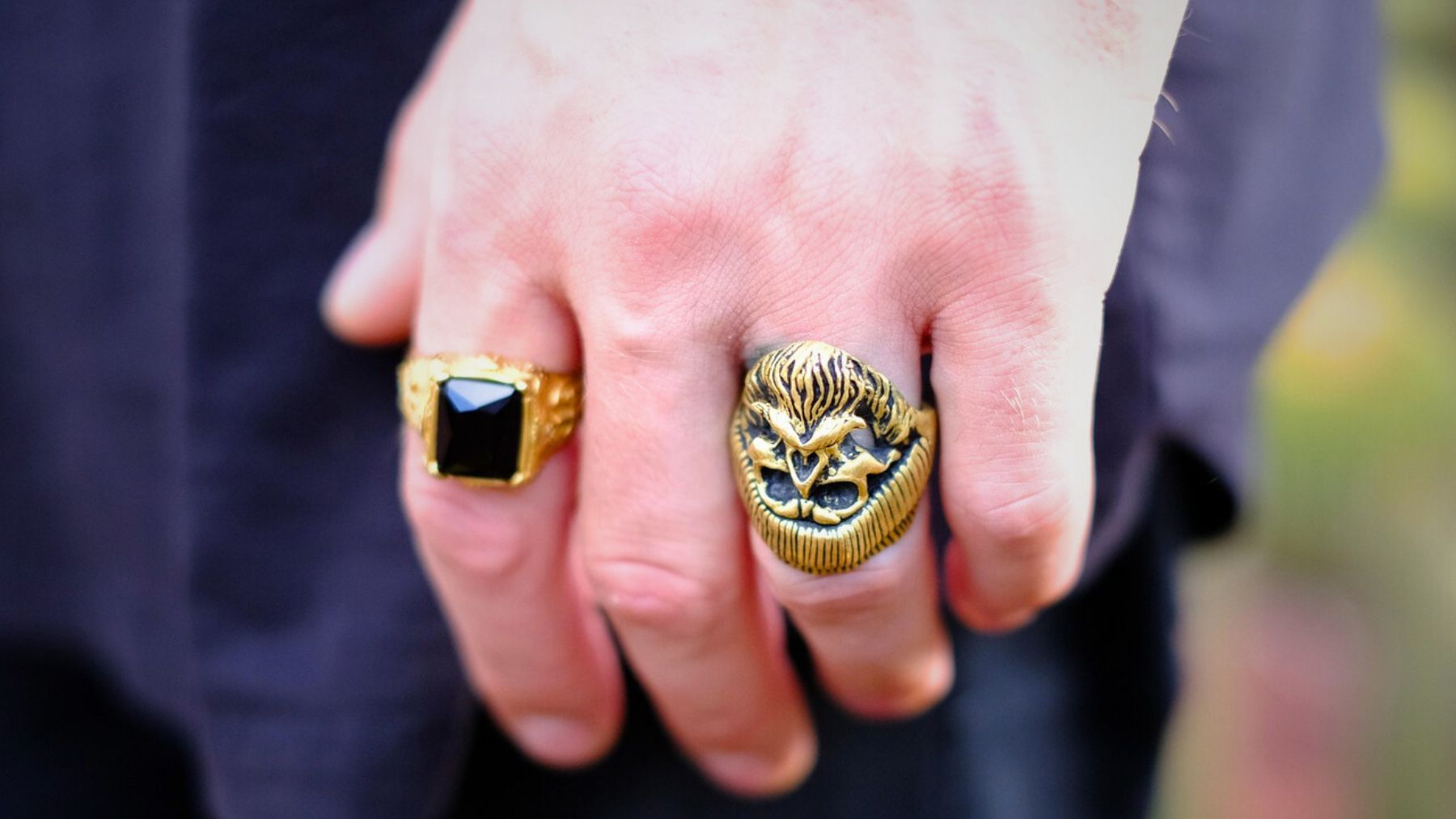
Besides being accessories, rings can tell a story about who we are. Some people wear one meaningful ring, while others stack multiple rings on their fingers. If you love layering rings, have you ever wondered what it could be saying about your personality? Turns out, psychology has some interesting insights into why people choose to wear multiple rings.
Wearing several rings can be a statement of personal style, social identity, or deep emotional significance. From self-expression to status signaling, the reasons for this trend go far beyond aesthetics. Let’s dive into the psychology behind wearing many rings and how it influences how others perceive you.
The psychology of wearing multiple rings
Wearing multiple rings is often linked to self-expression and individuality. People who do this tend to have a strong sense of identity and enjoy showcasing their personality through their jewelry. Here’s what it might reveal about someone’s mindset:
- Creativity and uniqueness: Those who layer different styles and types of rings are often creative individuals who see jewelry as an extension of their artistic expression. Mixing and matching rings can symbolize a free-spirited nature and a desire to stand out.
- Sentimental value: Some people wear multiple rings because each one holds a personal meaning. It could be a family heirloom, a gift from a loved one, or a piece that marks an important personal milestone.
- Confidence and boldness: Wearing multiple rings, especially large or statement pieces, can indicate a strong personality. It suggests that the wearer is confident and unafraid to take up space.
- Emotional connection: Some may wear them as a form of protection, a reminder of a goal, or even a way to stay connected to memories and emotions.
How wearing many rings affects the way others see you
Just as fashion choices influence first impressions, wearing rings can also have an impact on the way we are perceived. Here’s what it could signal to others:
- A strong personal identity: People who wear multiple rings often come across as having a distinct personal style. It suggests that they know who they are and aren’t afraid to express it.
- Social impact: It could also be a way to communicate status, values, or group affiliation. Cultural designs, religious symbols, or luxury brands can indicate belonging to a particular social group.
- A bold personality: Large rings or multiple stacked rings may give off a confident vibe. This can be appealing in social settings but it could be offputting in more reserved environments.
- Rebellious tendencies: Unconventional ring placements might suggest a nonconformist attitude and a willingness to challenge expectations.
Reflecting a wide spectrum that goes from creativity and sentimentality to confidence and boldness, the way we wear rings can say a lot about who we are. At the same time, it shapes how others perceive us, influencing everything from first impressions to social interactions. So, when you put on your favorite rings, are you thinking about the message you might be sending to those around you?