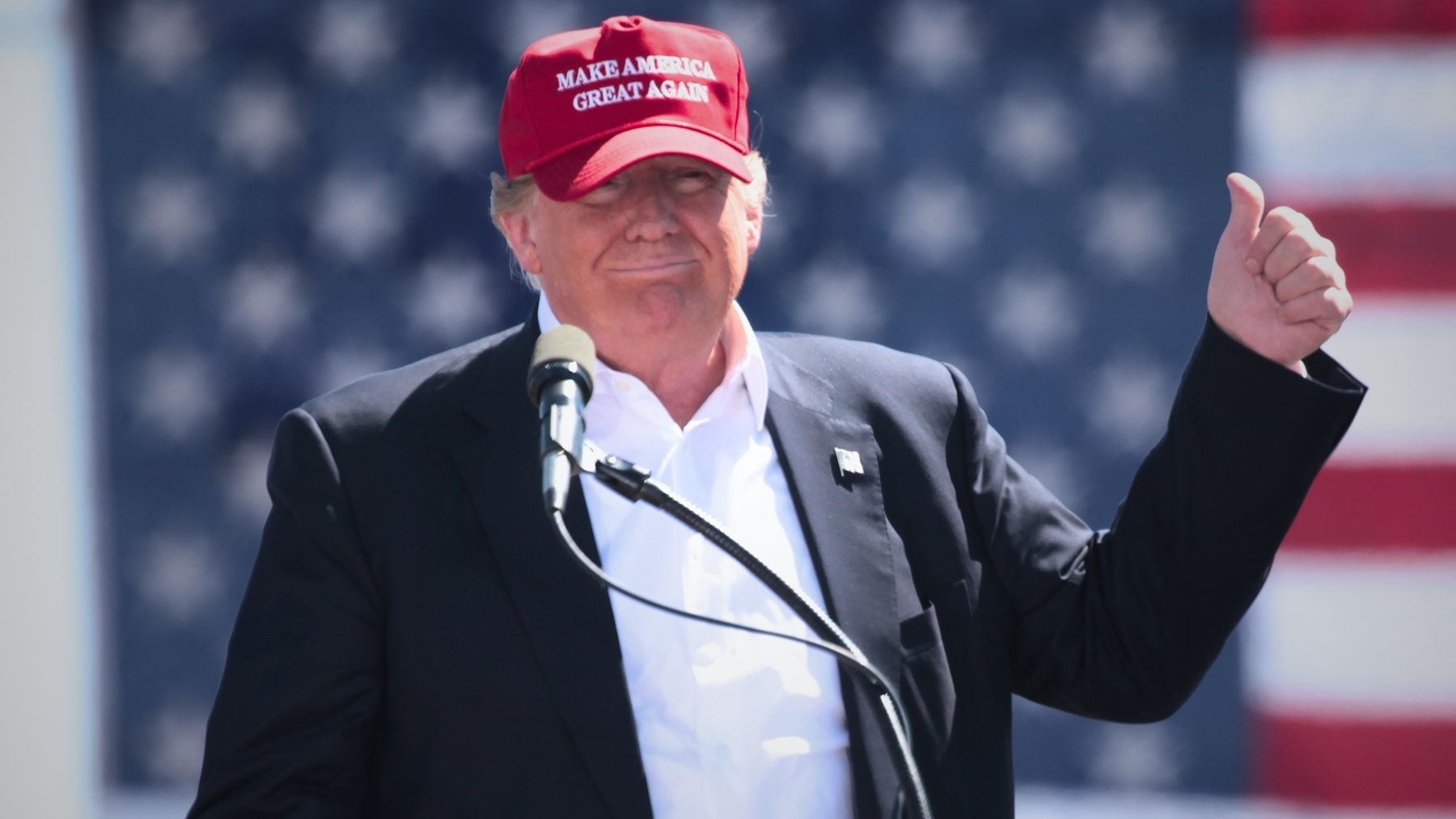
Caps are more than just a handy shield against the sun or a trendy fashion piece. Psychologists suggest that caps can reveal a lot about the wearer’s identity, emotions, and even social aspects. Besides being an everyday practical piece of clothes, caps can also be a silent yet powerful communication tool.
Take public figures like Elon Musk or Donald Trump, often seen sporting caps. For people in positions of power, a cap may soften their image, making them appear relatable. But what about the rest of us? Wearing a cap daily can be more than just keeping the sun at bay or covering up a bad hair day. Let’s explore its details.
The psychology behind wearing caps
For some, a cap acts as a safe space that helps them feel secure in public. It’s like a comfort blanket for grown-ups. Psychologists note that people who are shy or self-conscious may use caps to avoid drawing attention to themselves and stay hidden in plain sight. Caps can also help mask insecurities, like thinning hair or a bad haircut, giving wearers a sense of control.
On the flip side, caps are often used to express individuality and group identity. From baseball fans repping their favorite team to hip-hop enthusiasts rocking flat-brimmed styles, caps become a cultural statement. Psychologist Karen J. Pine explains that accessories like caps are powerful tools for self-expression. They’re a way to tell the world: “This is who I am”.
In urban culture, caps often symbolize rebellion and independence. They’re tied to movements, lifestyles, and even social defiance. Young people, especially in cities, use caps to push against traditional norms. A backward cap, a tilted brim, or a logo can speak volumes about someone’s personality and affiliations.
For people in positions of power, caps can send mixed signals. They might represent humility, showing that influential figures are just like everyone else. On the other hand, they might serve as a branding tool that reinforces their identity. For instance, Musk’s cap choices often align with his tech ventures, while Trump’s red “Make America Great Again” cap became a political symbol.
Wearing caps: functionality and fashion
Caps have come a long way from their humble beginnings as sun protection for farmers. In fact, the evolution of caps mirrors societal trends. As sports gained prominence, so did caps. Teams like the New York Yankees brought caps into the mainstream. Today, they’re a common element in sports and streetwear, blending utility with style.
Wearing a cap as a part of our style can say a lot about our psychology, culture, and identity. Whether it’s about hiding insecurities, making a bold statement, or affiliating with a group, caps are loaded with meaning. From the streets to the boardrooms, they’ve become a way for people to connect and express themselves.
It could also interest you to read about the meaning behind wearing the USA flag in your clothes. Check out our article on the topic.