

Psychology

Two people engaged in a social interaction with different eye contact patterns, illustrating research on communication and body language

Mahatma Gandhi, Indian pacifist: “The weak can never forgive. Forgiveness is the attribute of the strong”

June 3, 2026 at 3:45 PM
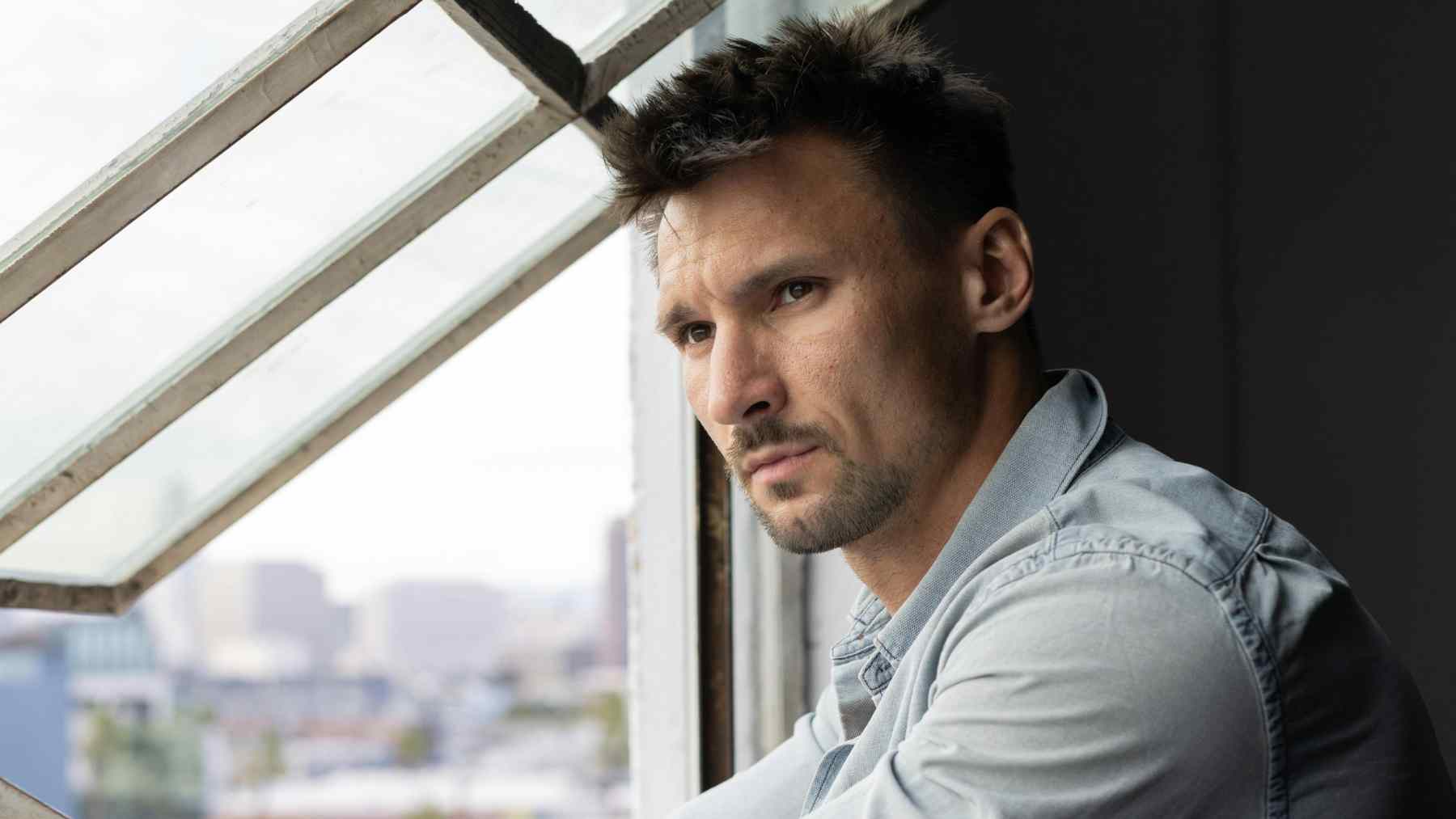
Person avoiding direct eye contact during a conversation, illustrating psychological research on communication and social behavior

Psychology is taking a closer look at one uncomfortable habit: what it could mean when someone won’t make eye contact

June 3, 2026 at 1:45 PM
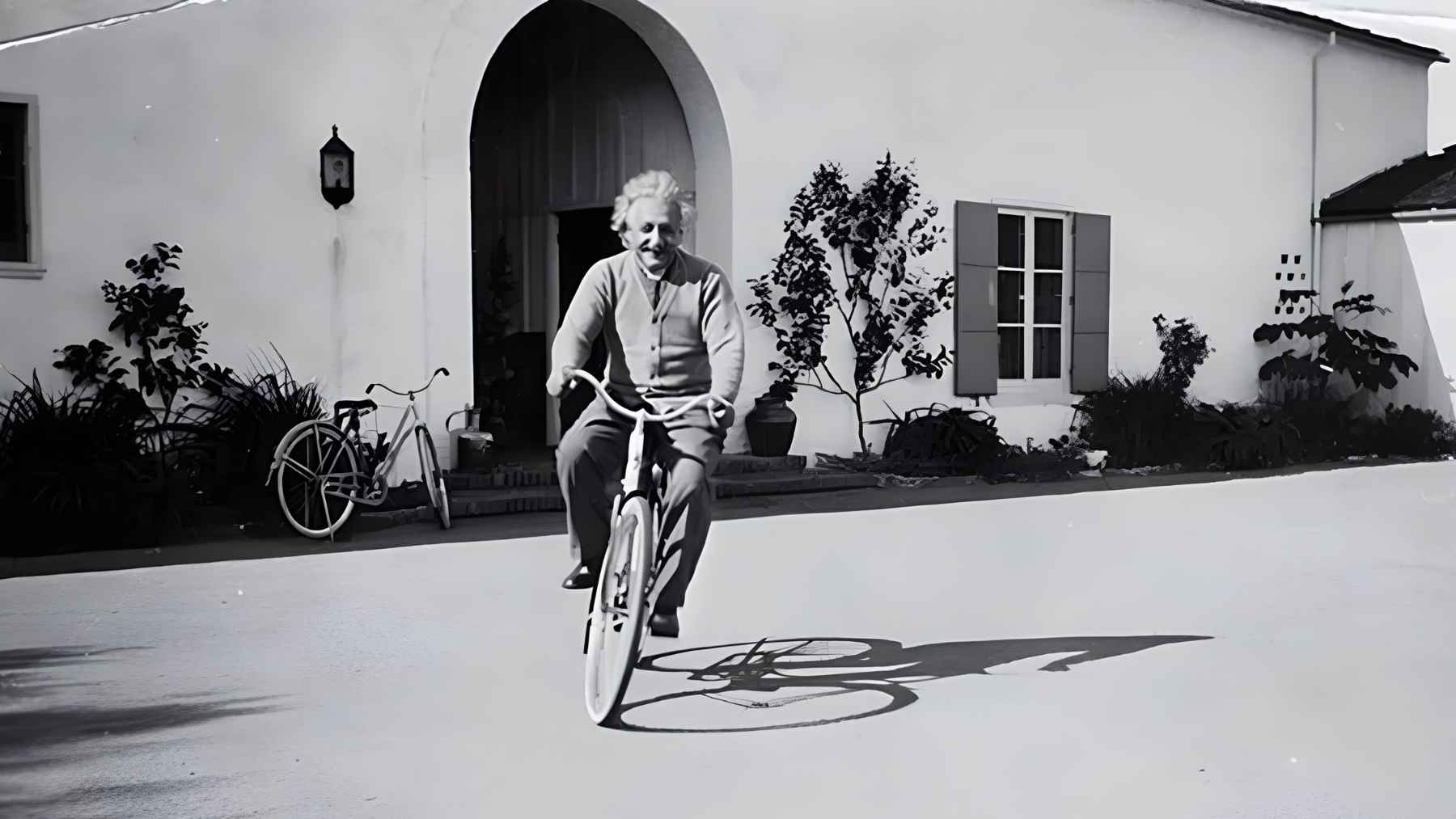
Albert Einstein reflecting on success, personal values, and the importance of meaningful contribution to society

Albert Einstein, scientist: “Life is like riding a bicycle. To keep your balance, you must keep moving”

June 3, 2026 at 10:35 AM
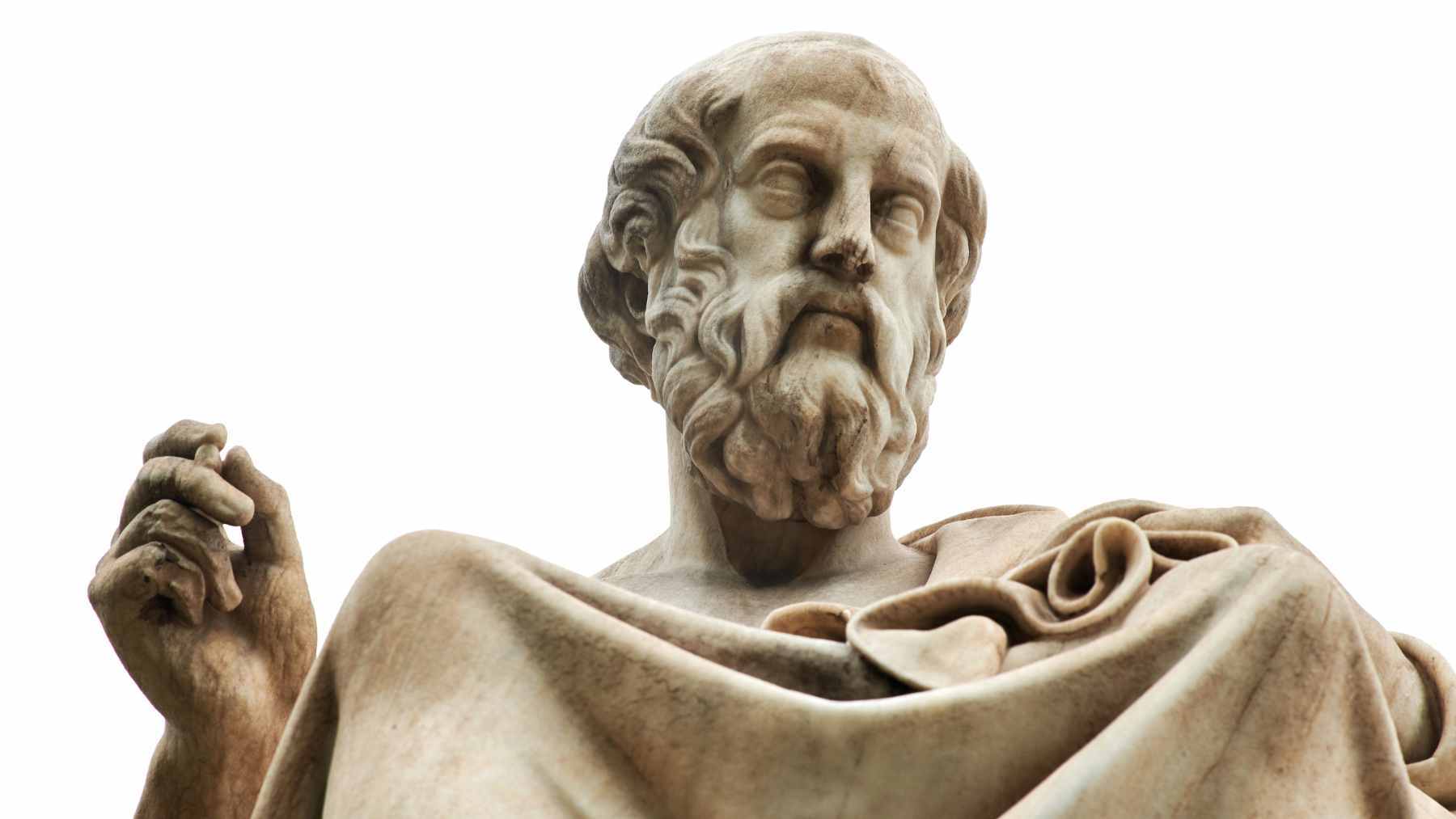
A classic bust of Pythagoras, representing ancient wisdom on balance, moderation, and the importance of lifelong connections.

Pythagoras, Greek philosopher and mathematician: “Educate the children and it won’t be necessary to punish the men”

June 3, 2026 at 6:00 AM
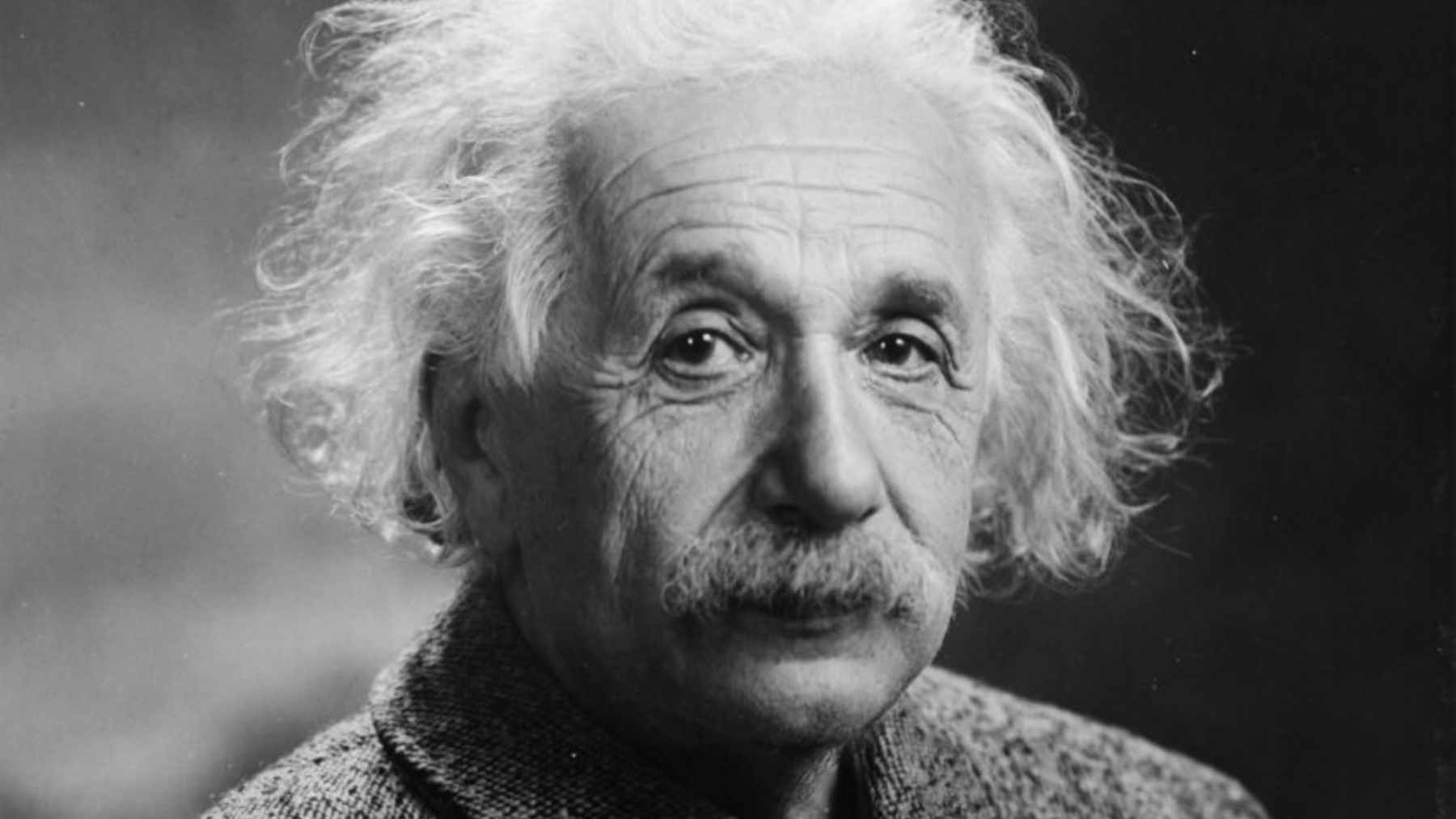
A classic black and white portrait of Albert Einstein, representing his enduring wisdom and intellectual legacy.

Albert Einstein, scientist: “Imagination is more important than knowledge”

June 2, 2026 at 3:45 PM
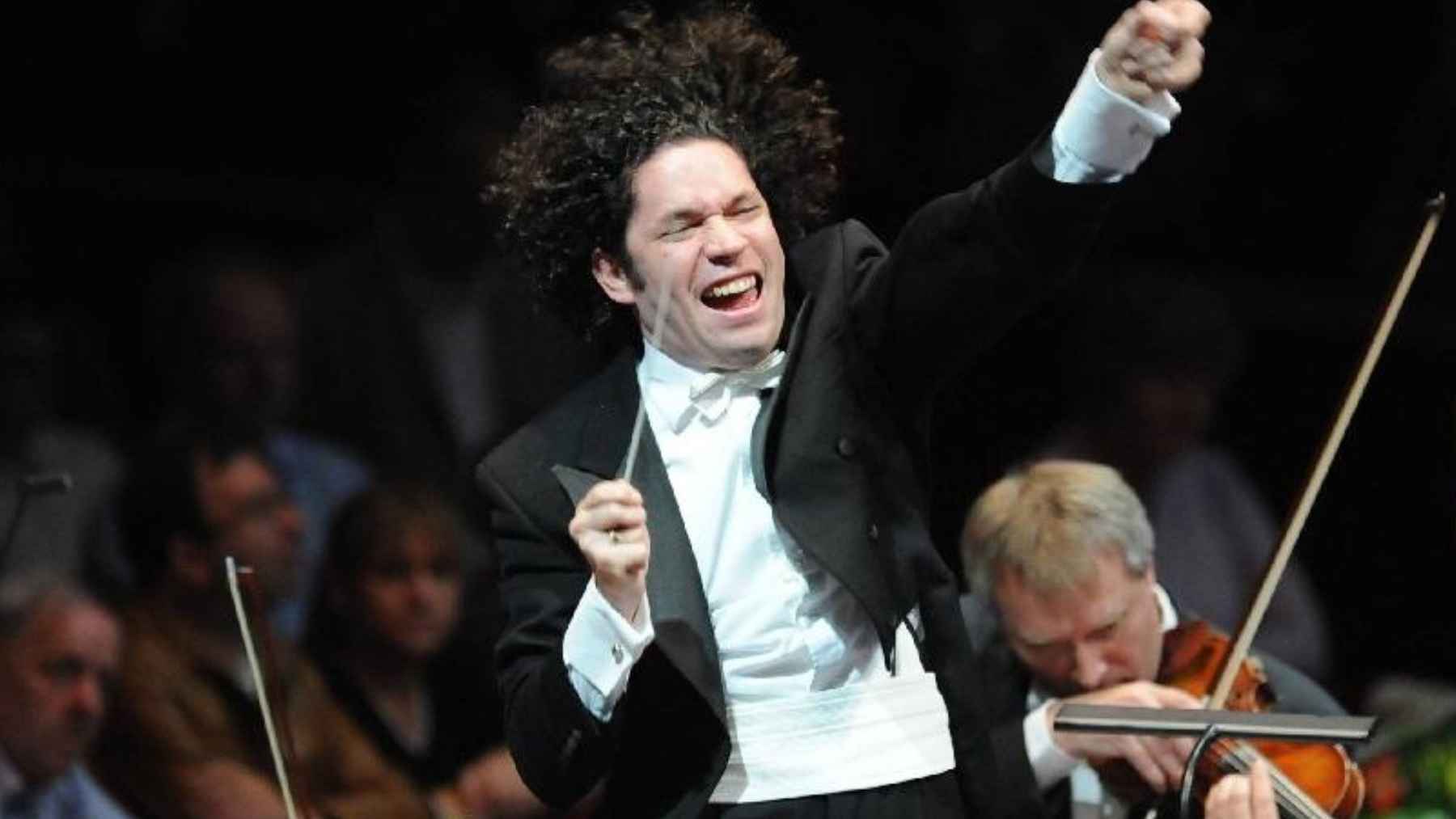
Gustavo Dudamel speaking about music education, youth development, and the role of culture in shaping future generations.

Gustavo Dudamel, conductor: “We can change the world, but it starts with educating young people”

June 2, 2026 at 7:45 AM
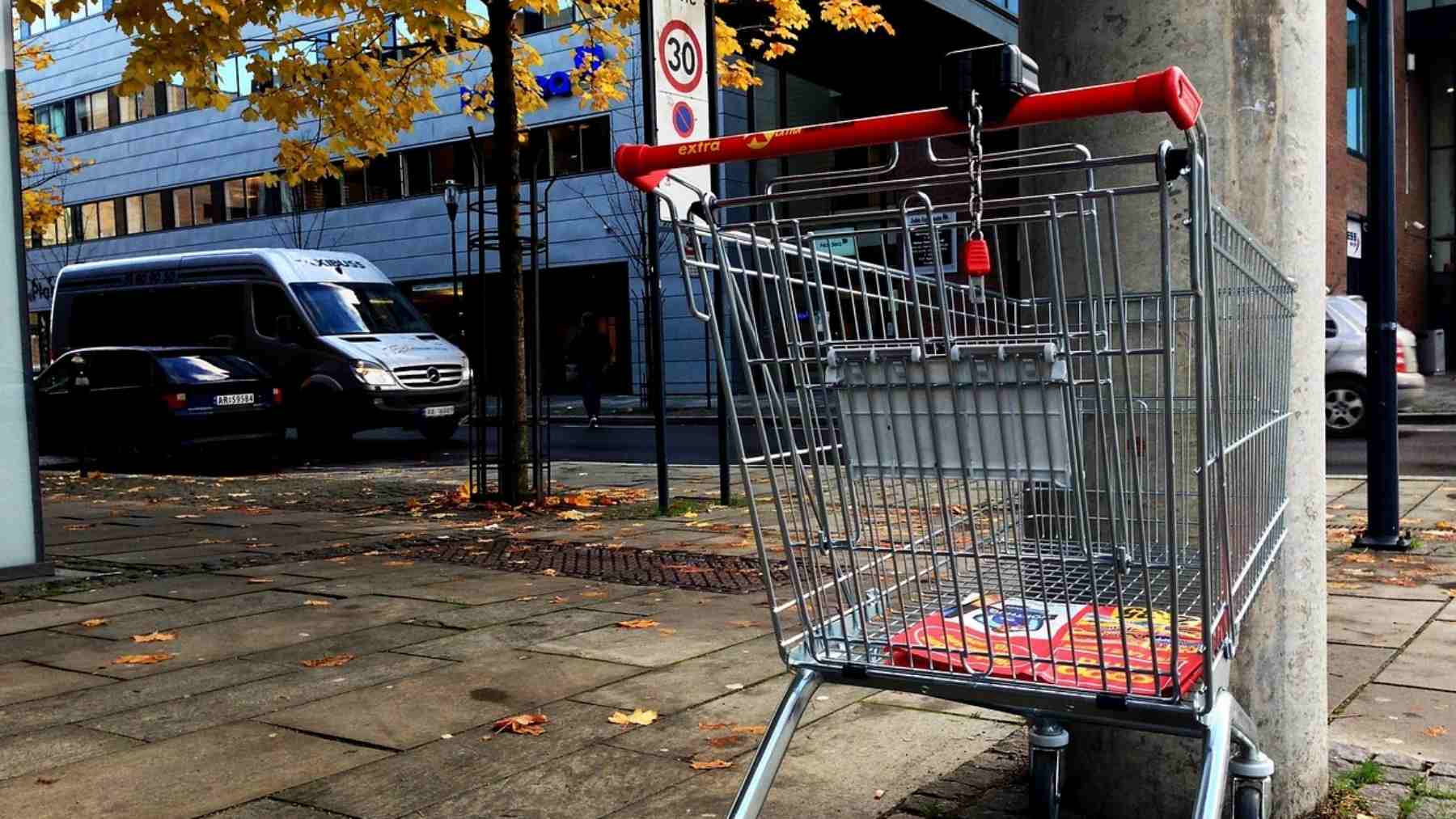
Shopping cart parked neatly beside a sidewalk barrier on a city street

Psychology suggests that people who move a shopping cart out of the aisle without being asked are not only more polite, but have often developed a subtle form of social awareness that allows them to sense tension even before others point it out

June 1, 2026 at 4:25 AM
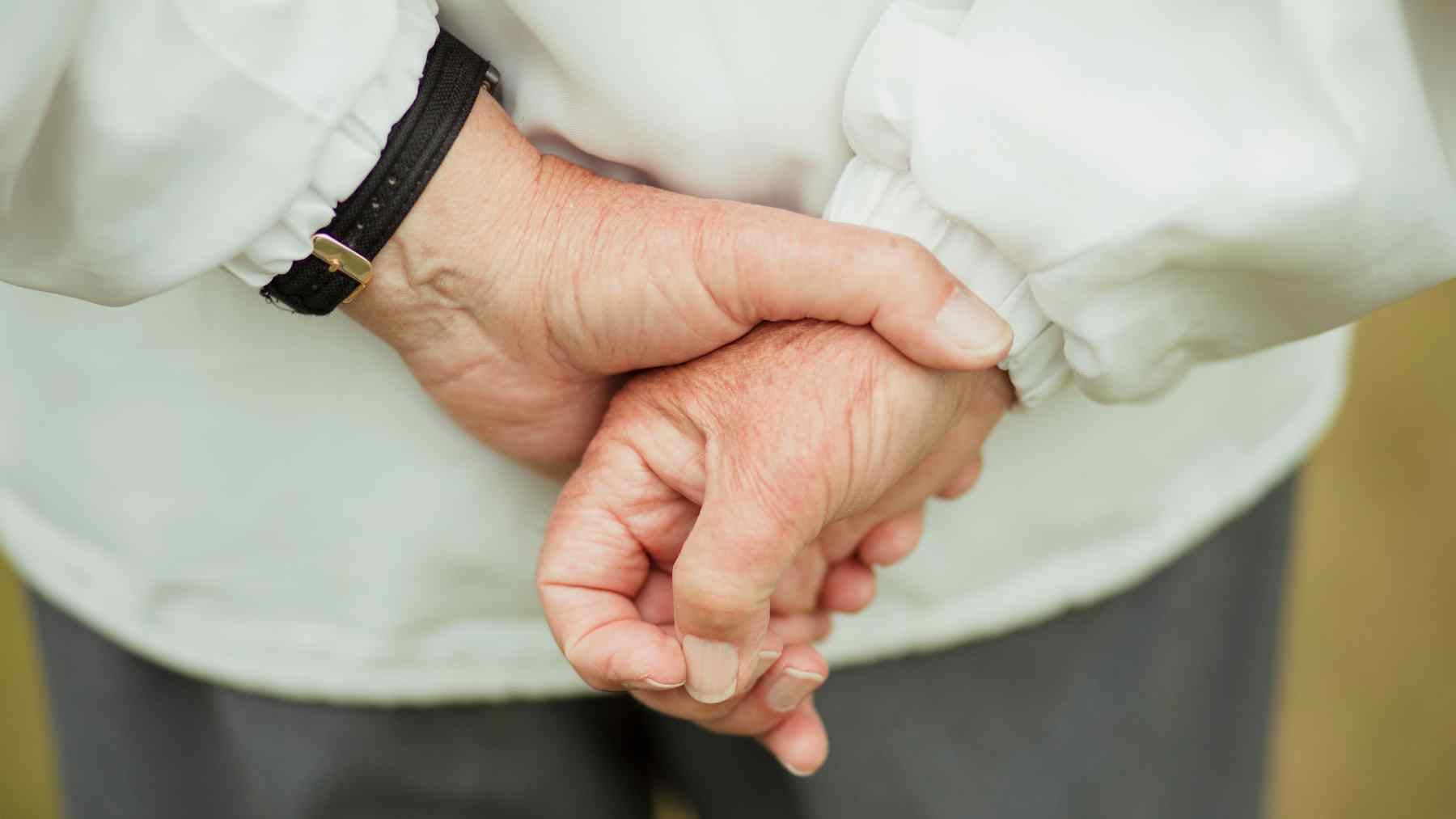
Close-up of a person walking with hands clasped behind their back, a posture linked to calm reflection and mental focus.

Psychology suggests that people who walk with their hands behind their backs aren’t necessarily striking a pose or trying to look solemn; often, they’re simply adopting a more relaxed physical rhythm that can facilitate reflection and calm the mind

May 29, 2026 at 8:31 AM
Turning 40 can feel strangely empty, and psychology suggests burnout may not be the real reason.

Psychology suggests that the strange sense of emptiness many people feel when they turn forty isn’t always due to burnout; it often arises when a life built on sensible decisions begins to feel more like a burden than a choice

May 29, 2026 at 6:29 AM
Woman holding a smartphone while receiving a message, illustrating a simple “thinking of you” text between friends.

Psychology suggests that people who send a simple “I was thinking of you” without asking for anything in return aren’t just being kind—they’re often offering one of the most subtle and effective ways to make someone feel remembered

May 28, 2026 at 2:32 PM
Person struggling to write on a blank page as anxiety and fear of mistakes cause writer’s block

Psychology suggests that people who freeze up when faced with a blank page aren’t always lazy or undisciplined; they are often reacting to a mix of anxiety, insecurity, and fear of making a mistake before they’ve even started

May 28, 2026 at 10:28 AM
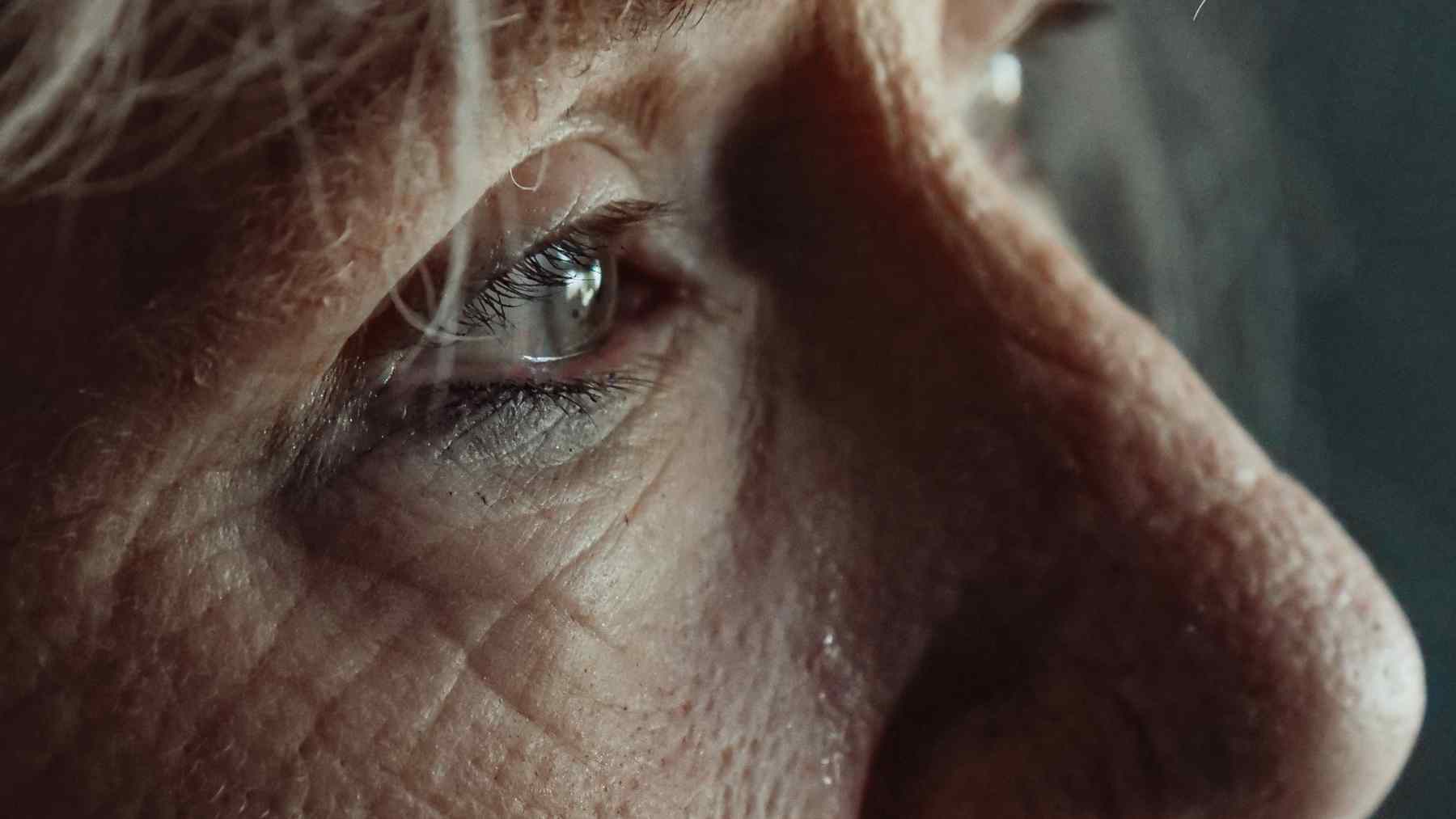
Close-up of a woman’s eye reflecting quiet self-awareness and healthier self-esteem.

Psychology suggests that people with healthier self-esteem aren’t always the most confident or outgoing; they’ve often learned something much more subtle and difficult: to value themselves as people worth counting on

May 28, 2026 at 8:33 AM
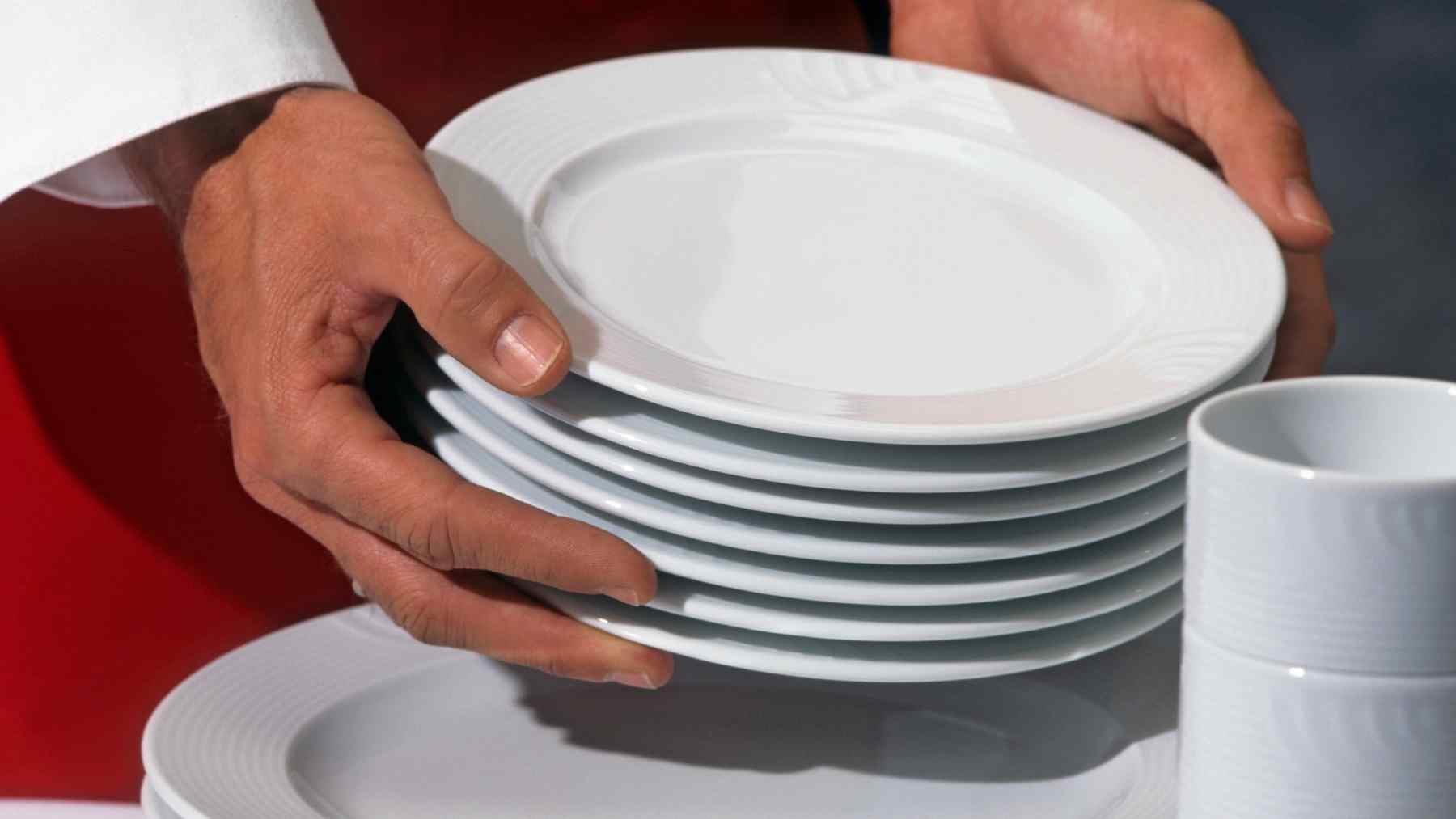
Hands holding stacked white plates at a restaurant after a meal, reflecting respect and consideration for servers.

Psychology suggests that people who stack their plates after finishing a meal at a restaurant aren’t just being tidy; they’re often showing a subtle form of respect and consideration for the work that others do, behind the scenes, around the table

May 27, 2026 at 12:56 PM
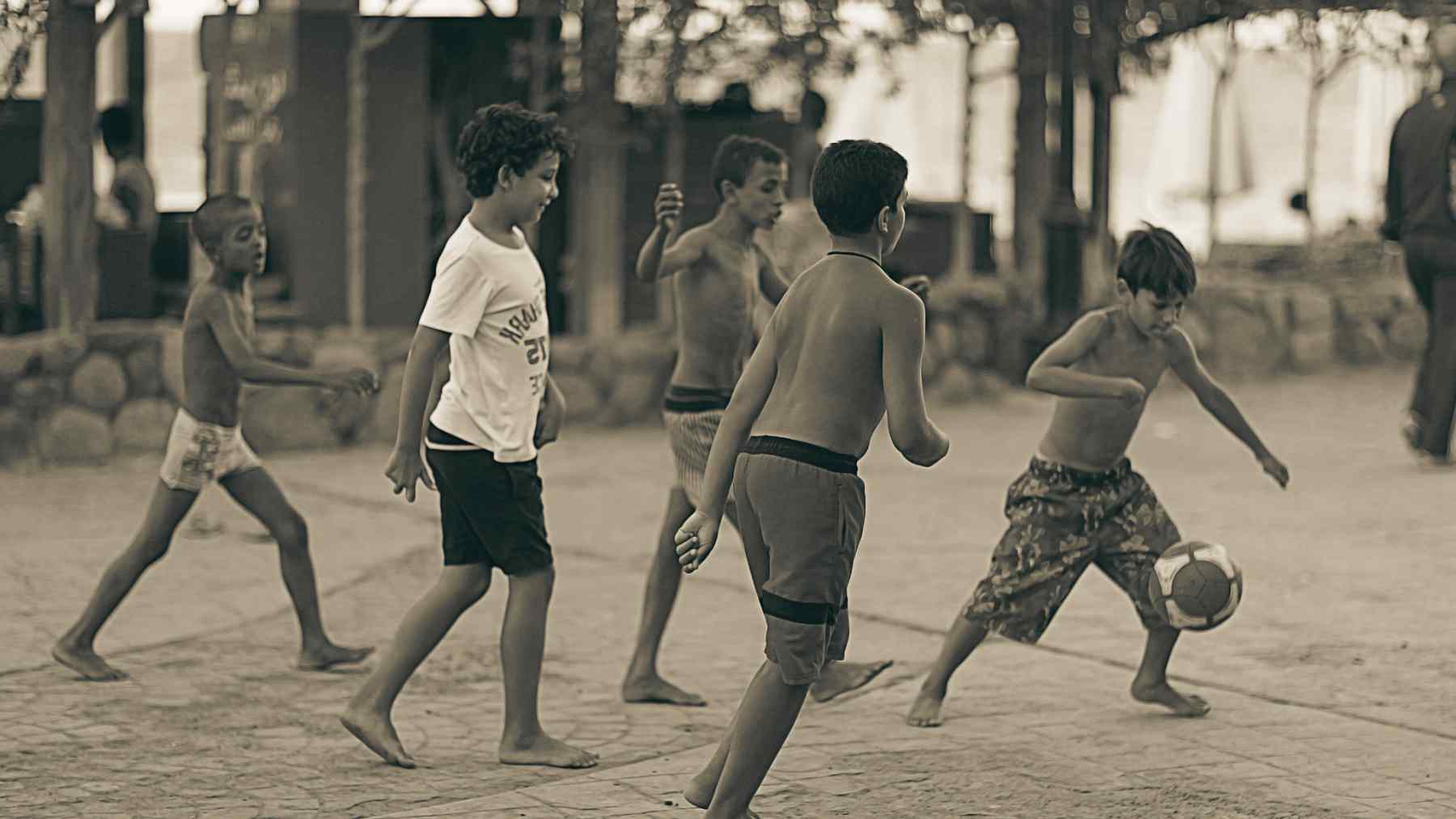
Psychology says people raised in the 1950s and 1960s may seem distant for a heartbreaking reason

Psychology suggests that people who grew up in the 1950s and 1960s are not always cold or distant; they often learned to cope in homes where talking about emotions was seen less as a relief and more as a threat to the established order

May 27, 2026 at 8:44 AM
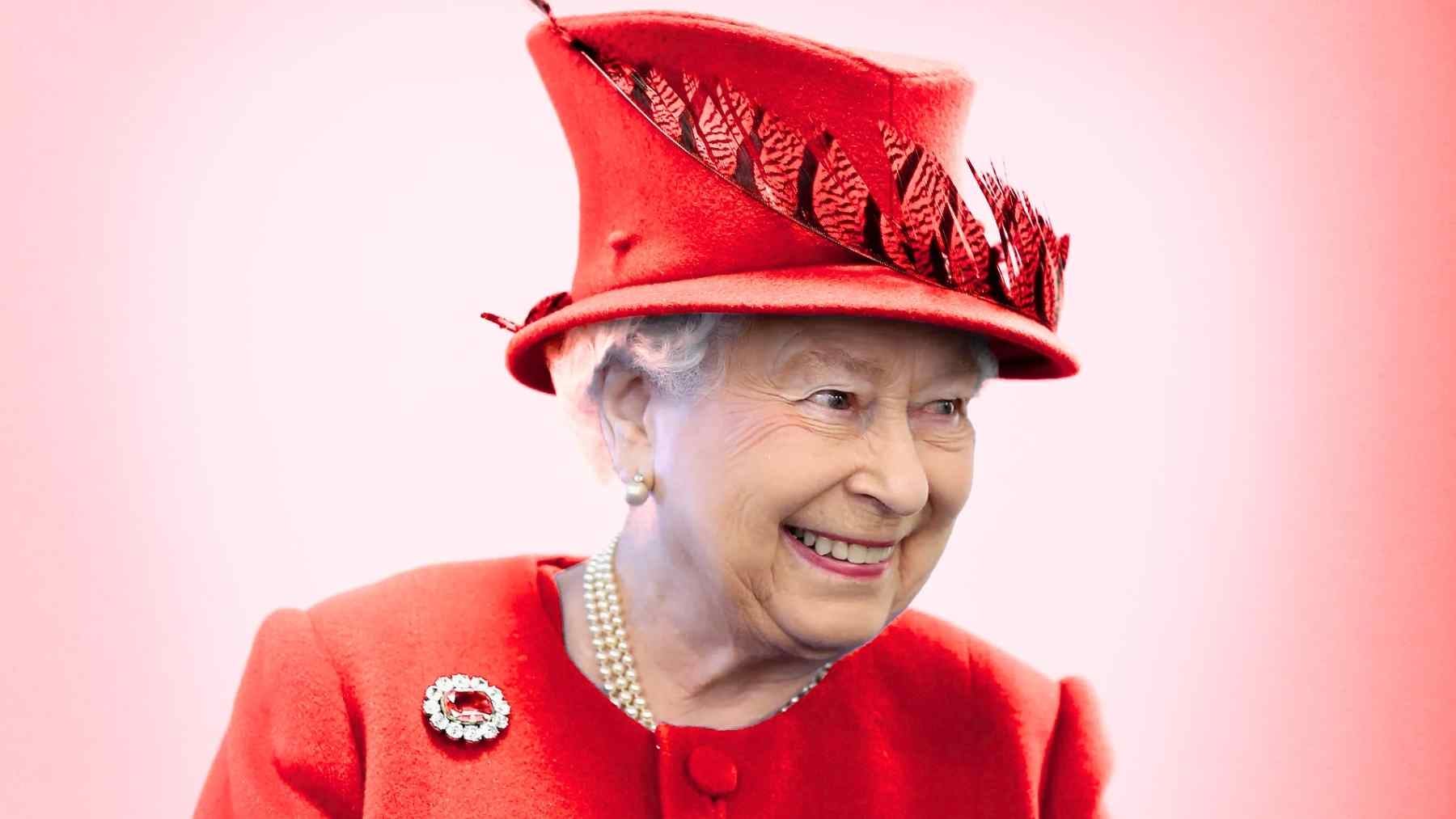
Queen Elizabeth II smiling in a blue hat and coat, reflecting her quote about small steps and lasting change

Queen Elizabeth II: “It’s worth remembering that it is often the small steps, not the giant leaps, that bring about the most lasting change”

May 25, 2026 at 2:28 PM
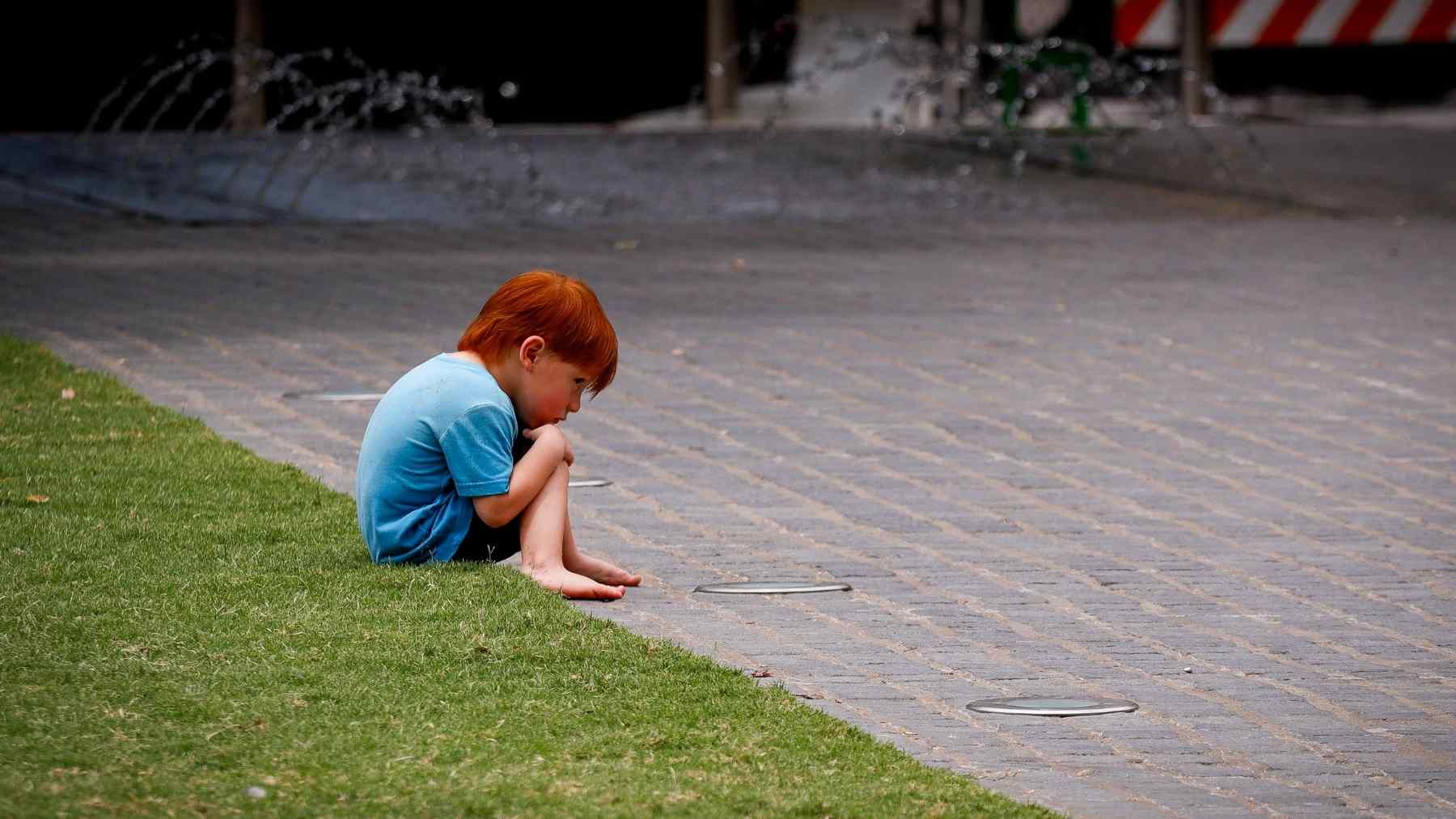
A young child sitting alone outdoors, reflecting the emotional distance linked to growing up with little praise

Psychology suggests that the true hallmark of a childhood with little praise is not always a lack of ambition, but rather a more low-key lifestyle: carrying on without paying too much attention to the outside world, whilst, on the inside, self-criticism takes up too much space

May 24, 2026 at 5:17 AM
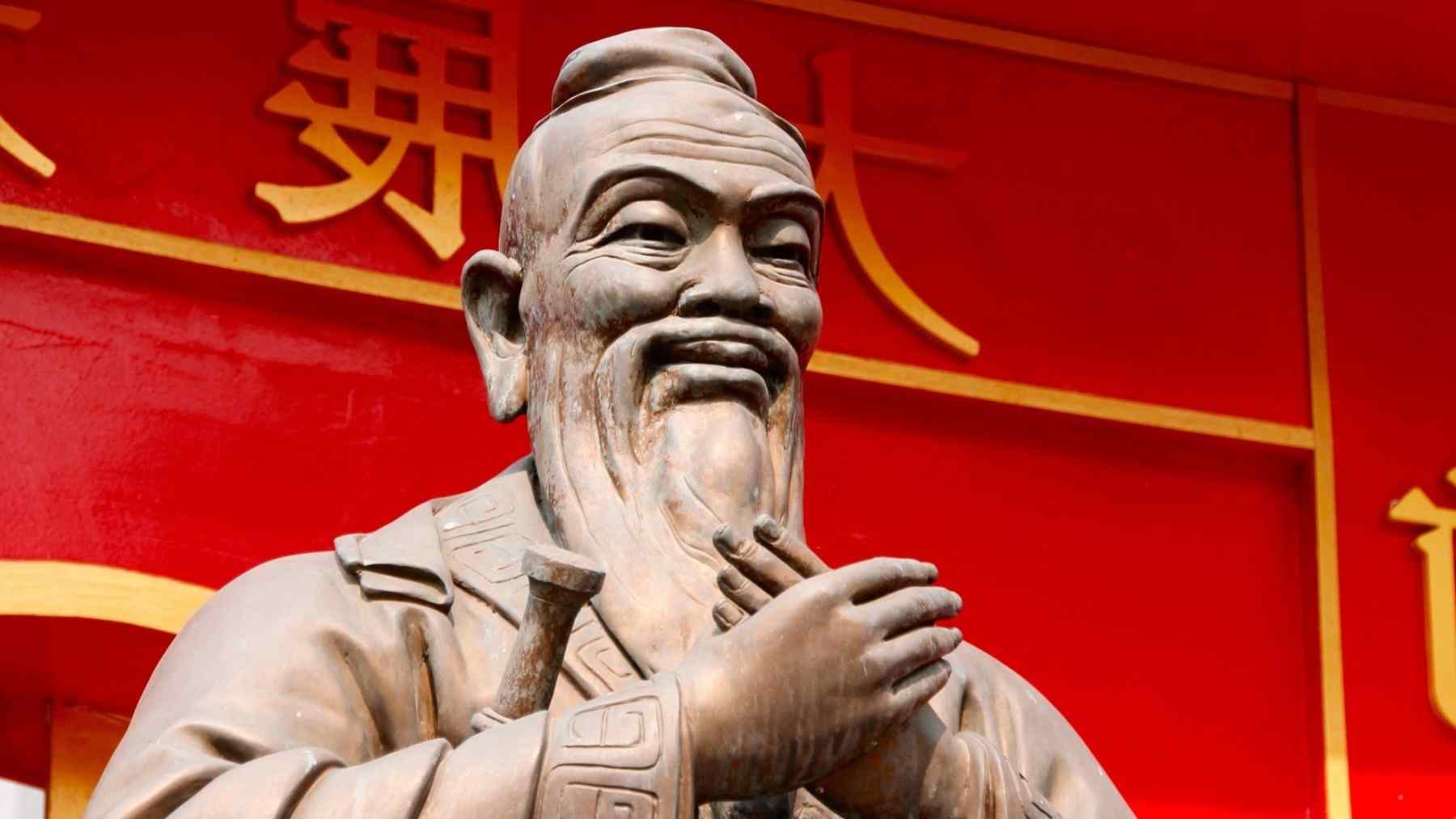
Statue of Confucius in front of Chinese characters, symbolizing wisdom, learning, and thoughtful conversation

A Chinese proverb says that a conversation with a wise person is worth more than a month’s worth of reading; this is not a criticism of reading, but a reminder of the difference between information and judgement

May 24, 2026 at 4:53 AM
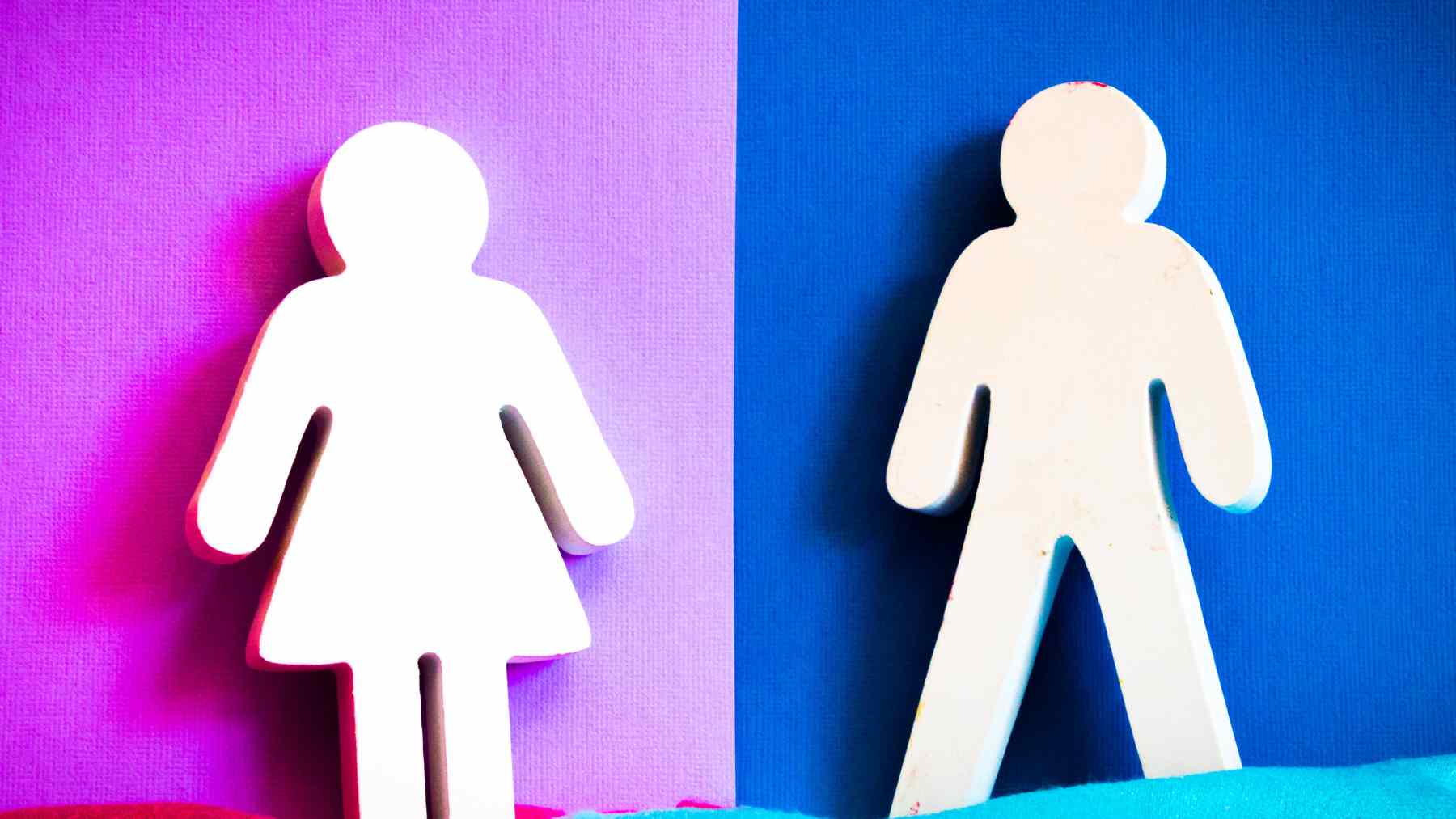
Female and male paper figures on a split pink and blue background, illustrating gender differences in emotional perception

A quote from an FBI-trained negotiator on women and emotional perception: “Women are light-years ahead of us”

May 22, 2026 at 10:30 AM
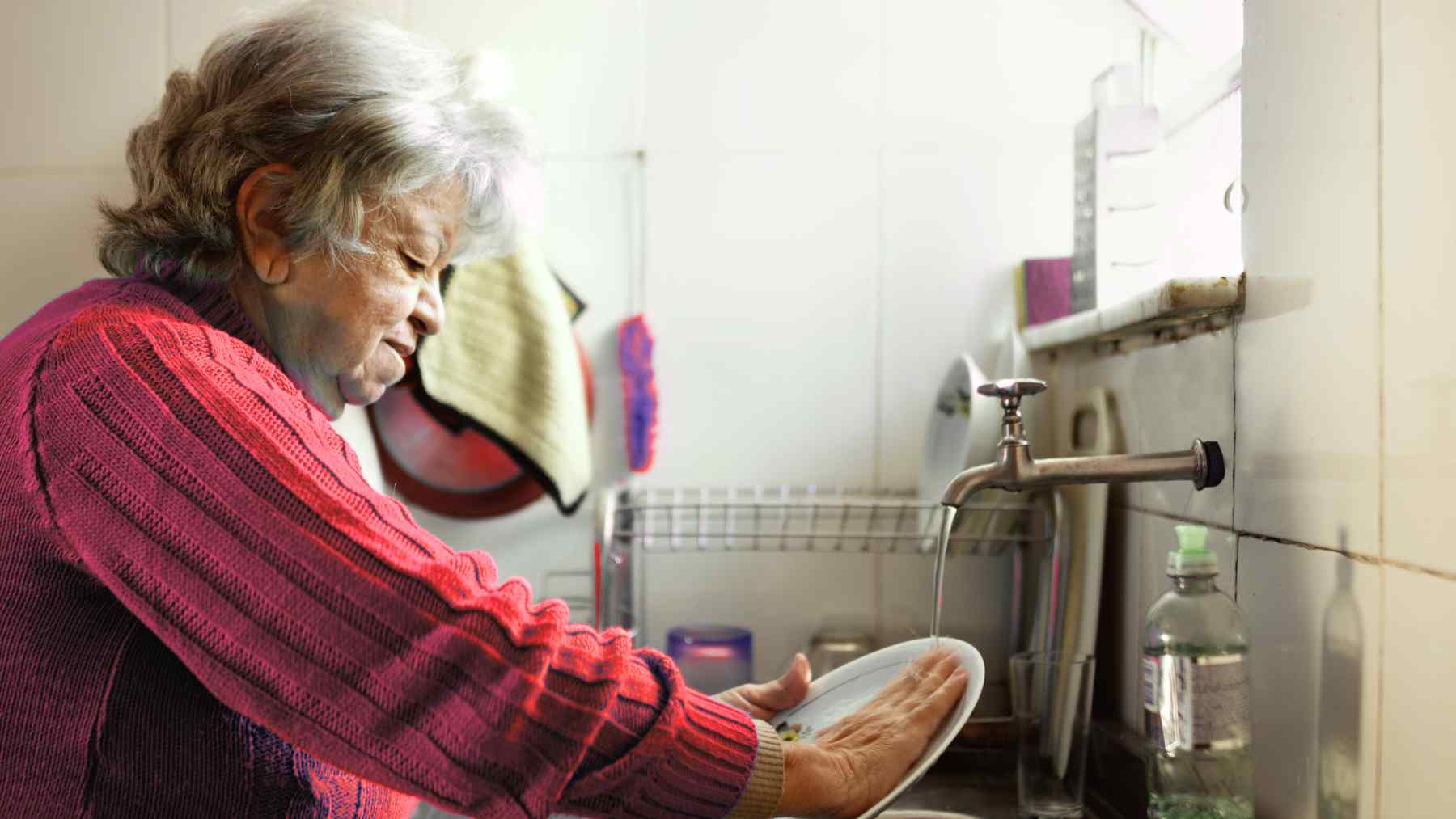
Psychology suggests that people who wash dishes as they cook are not only more organized, but have often developed a subtle form of mental organization that helps them prevent chaos before it sets in

Psychology suggests that people who wash dishes as they cook are not only more organized, but have often developed a subtle form of mental organization that helps them prevent chaos before it sets in

May 22, 2026 at 6:41 AM
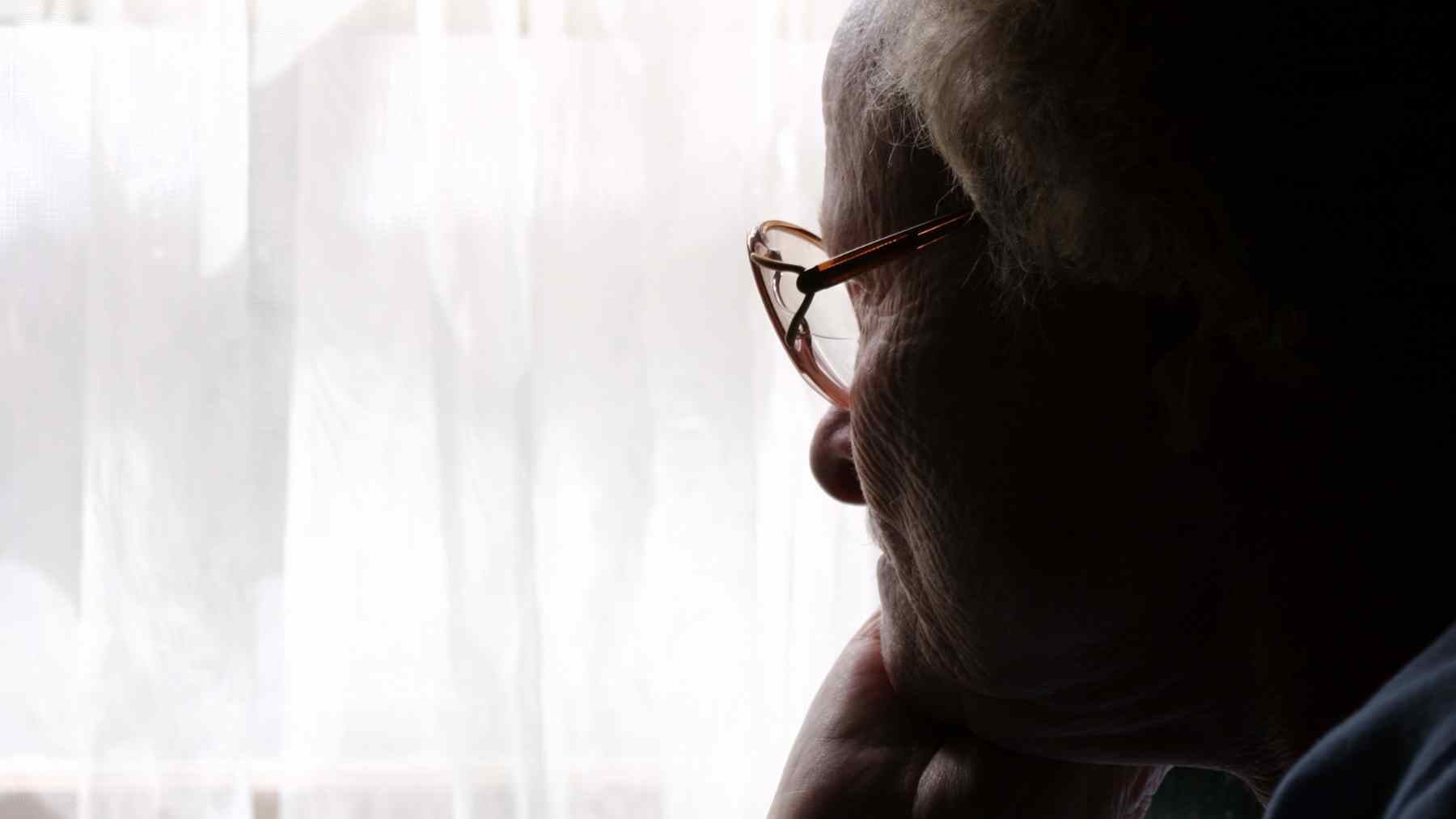
Older parent over 70 sitting in silhouette by a window, reflecting on feeling less needed by adult children.

Most people don’t realize that many parents over the age of 70 don’t feel lonely because their children love them any less; they often experience a more subtle kind of loss: they no longer feel needed in the daily lives of their loved ones

May 21, 2026 at 8:31 AM
Previous Next