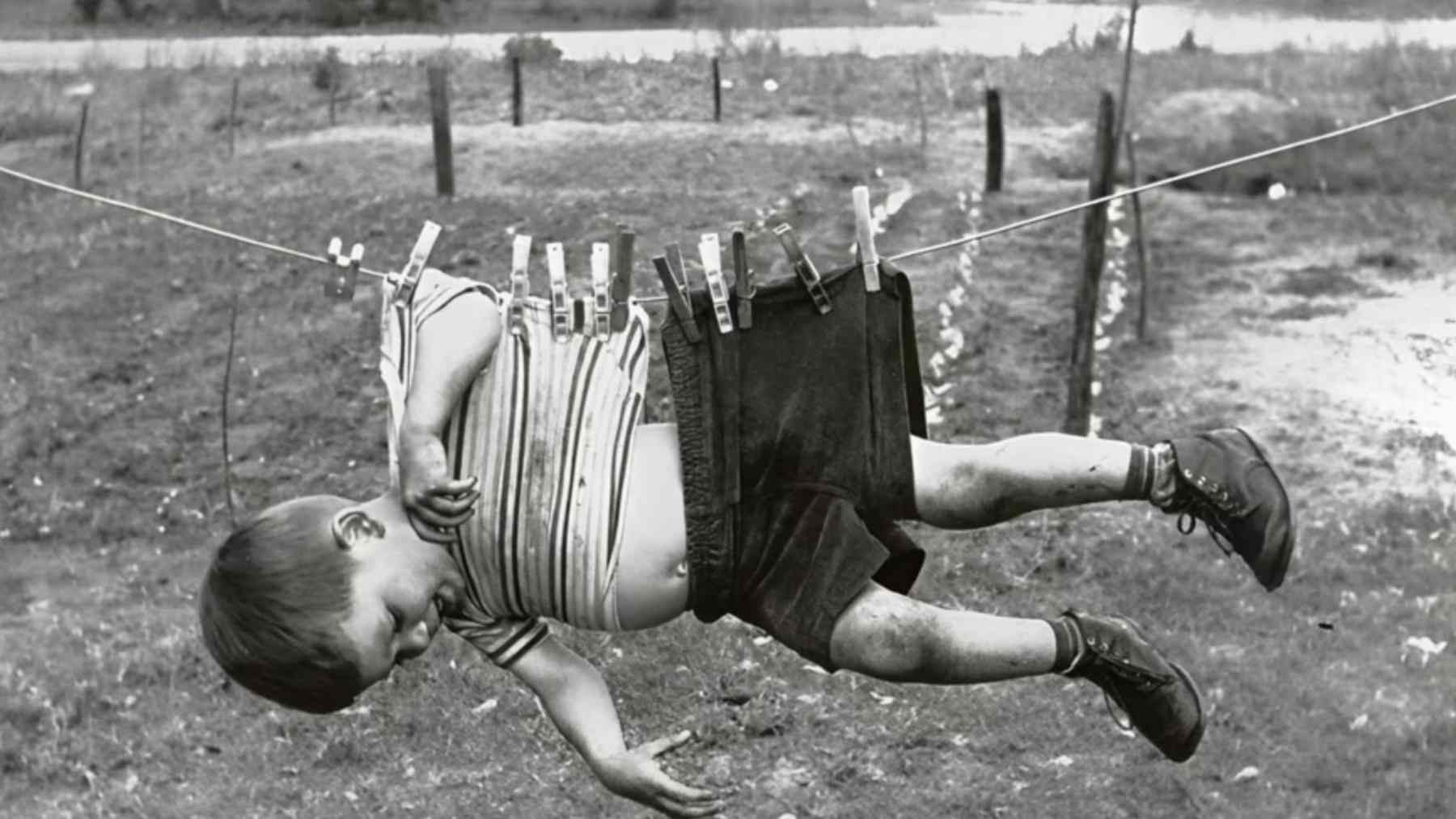
If you have ever heard someone say, “We drank from the hose and turned out fine,” you have met the latest parenting debate. Some writers argue kids of the 1960s and 1970s built resilience because adults hovered less, forcing more boredom, conflict management, and problem-solving.
CDC’s most recent 2023 data show 40% (about 2 in 5) U.S. high school students reported symptoms of depression (feeling so sad or hopeless for two weeks or more that they stopped doing usual activities). The better takeaway is not “neglect works,” but that coping skills are built through practice, and practice needs a little room.
A viral idea with a kernel of truth
Most versions of this story start with freedom, kids biking until dinner and adults not tracking every step (or getting a ping from a location-sharing app). It is nostalgia, but it also reflects a measurable shift toward more supervision and less independence.
Psychologists call the missing ingredient self-regulation, the ability to manage emotions and behavior without someone else doing it for you. Marc Brackett, founding director of the Yale Center for Emotional Intelligence, describes emotion regulation as “a set of learned intentional skills for managing feelings wisely,” and learned skills need reps.
What the research says about overparenting and anxiety
A lot of the current conversation traces back to meta-analyses, studies that pool many studies to look for consistent patterns. In Development and Psychopathology, researchers Qi Zhang and Wongeun Ji found that overparenting was associated with higher depression and anxiety, with small but reliable links across the combined data.
Small does not mean meaningless, but it also does not mean cause and effect. Many participants were young adults reporting on earlier experiences, and anxious kids can also pull adults into more control, so blame rarely helps.
A separate meta-analysis in the Journal of Adult Development found helicopter parenting was associated with more internalizing behaviors and lower self-efficacy and regulatory abilities. The question is simple. If kids never get to try, how do they learn they can cope?
The independence squeeze is real, and it is measurable
Parenting choices do not happen in a vacuum. A major international report for the Nuffield Foundation, coordinated by the Policy Studies Institute, surveyed 18,303 children ages 7 to 15 across 16 countries between early 2010 and mid 2012 and found that restrictions on children going out alone were common in nearly all of them.
Traffic is one of the biggest reasons parents cite, and for many families it is the obvious daily hazard. The report suggests independent mobility is more limited in places with worse road safety, and it highlights perceived danger from cars as a driver of tighter rules.
Those limits can reshape health habits. A New Zealand study comparing children with their parents’ recalled childhood found a generational drop in independent mobility and active travel, alongside an increase in structured organized activities.
Free play is a workout for the brain’s brakes
So what did kids actually gain from roaming and boredom? In “The Power of Play,” the American Academy of Pediatrics describes play as a way to build self-regulation and executive function, the skills that help children pursue goals and ignore distractions.
Longitudinal data backs up the idea. In an Australian sample from the Longitudinal Study of Australian Children, more time in unstructured play in the toddler and preschool years predicted better self-regulation about two years later, even after accounting for earlier self-control and other factors.
A 2015 systematic review found overall positive links between risky outdoor play and children’s health, most often through more physical activity, while also calling for stronger research. Pediatric advocates who back this approach often emphasize removing hazards while still allowing age-appropriate risks that are chosen and controlled by the child.
What “controlled discomfort” can look like today
You do not need to recreate a 1970s childhood to give kids more practice. Start with low-stakes moments, like letting them order for themselves, ask an adult for directions, or work through a minor friend conflict before you step in.
Boredom is another training ground many families have accidentally deleted. AAP authors warn that modern pressures can squeeze out playful learning, which is why they urge adults to protect unstructured play time.
Autonomy is not abandonment. If a child shows persistent signs of anxiety or depression, or if there are safety issues like bullying or self-harm, the answer is support and professional care when needed, and the CDC points people in crisis to the 988 Lifeline.
What adults can do if they never learned these skills
Not every hands-off childhood was harmless, and it is important to say that out loud. The CDC notes that adverse childhood experiences can have lasting effects on health, while positive childhood experiences and safe, stable relationships are protective.
The hopeful part is that emotion regulation can be learned later, too. Yale School of Medicine explains that regulation is a set of intentional skills that improve with instruction and practice, and even small changes like pausing before reacting can add up.
The point is giving kids enough room to build confidence through real life, not just reassurance.
The official data summary was published on CDC.gov.