Traffic outside your window, a phone buzzing on the table, music playing in the kitchen, another video autoplaying before the last one finishes. Modern life rarely gives the nervous system a truly quiet moment.
Spanish neuroscientist Nazareth Castellanos, a senior researcher at Nirakara Lab at Complutense University of Madrid, recently made the case that even short breaks from noise and visual stimulation might help the brain settle down.
“There are neurons that fire when we hear something, and neurons that fire when there is silence,” she said in a February 2026 radio interview, translated from Spanish.
What makes her message so appealing is how simple it sounds. A few quiet minutes might offer short-term calm. But here is the catch: the strongest laboratory evidence behind the broader claim actually comes from mice, not people, and it never even measured the brain’s waste-clearing system.
What the mouse study found
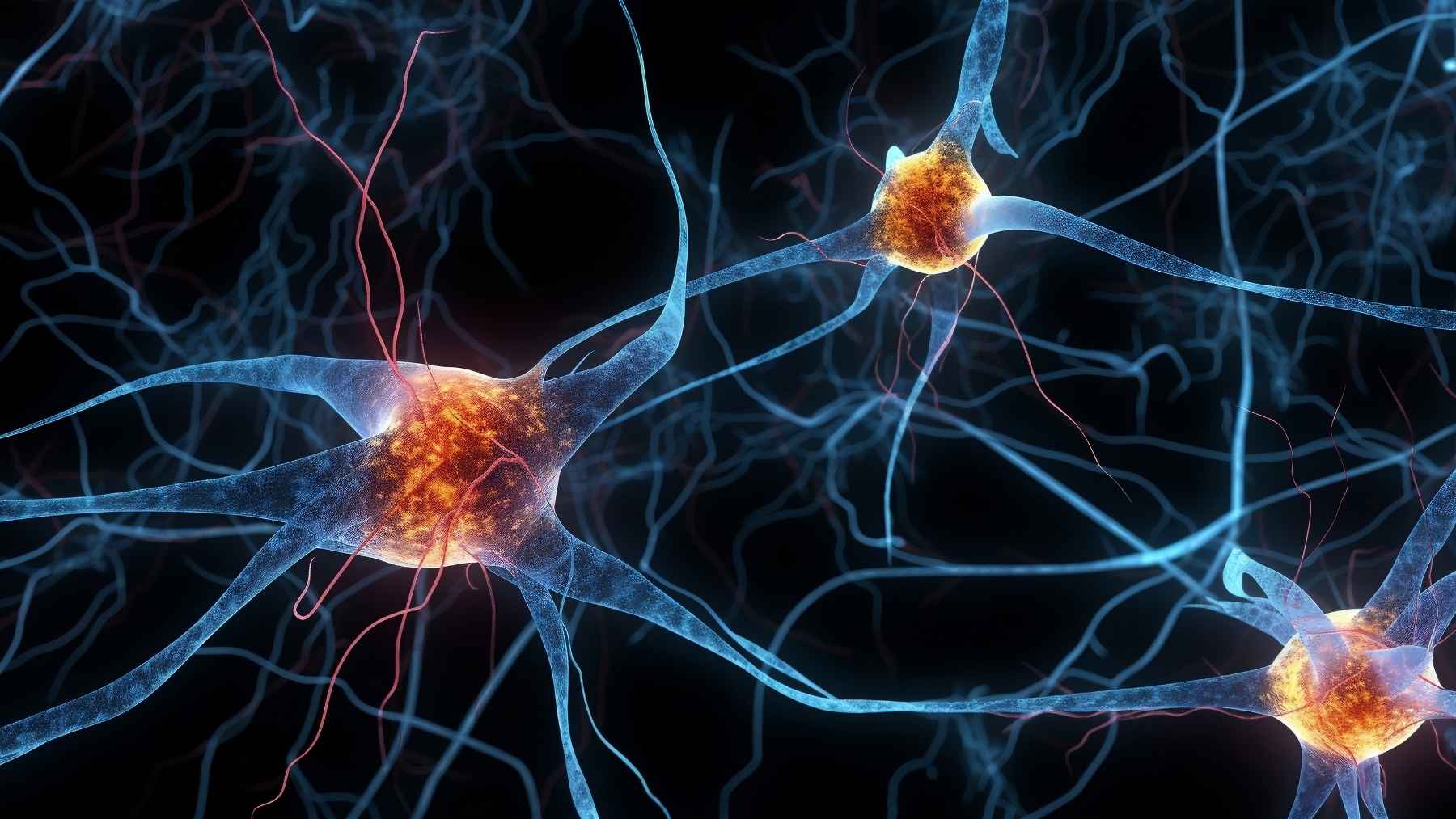
A research team led by Imke Kirste compared young female mice exposed to ordinary animal-house noise, white noise, mouse pup calls, adapted Mozart music, or complete silence.
The animals spent two hours a day in their assigned condition, and the investigators examined cell growth in the hippocampus, a brain area involved in learning and memory.

This process has a name: adult neurogenesis. In plain terms, it just means new nerve cells forming in the brain of a fully grown animal. After three days, several of the conditions boosted the number of precursor cells, early-stage cells that can eventually turn into full neurons.
But here is where it gets interesting. After seven days, however, only the silence group still showed a significant increase in labeled cells and a greater absolute number of immature new neurons.
It was first published online back on December 1, 2013, and later appeared in the journal’s 2015 volume, so this is not a newly completed experiment.
A surprising reason silence may have worked
Here is the twist nobody expects. The researchers did not actually conclude that silence necessarily relaxed the mice. Instead, they suspected the opposite might be true: total silence may have felt strange and altering to the mice, precisely because near-total quiet almost never happens naturally.
And that detail matters a lot, because this study gets repeated constantly as proof that silence“regenerates” the human brain.
In reality, the experiment showed an association between a highly controlled quiet condition and early cell development in mice, but it did not test mood, anxiety, memory improvement, or whether those cells produced lasting health benefits.
The brain remains active without sound
Silence doesn’t mean that the brain is switching off. In a human imaging study, 11 adults were asked to listen for a faint sound during periods of silence, and parts of their auditory cortex actually lit up while they waited. Areas of the brain tied to attention got involved too.
That finding supports a more careful version of the neuroscientist’s point. When sound disappears, the brain can keep monitoring and predicting, and other animal work has found neurons responding when an expected tone is omitted.
But none of that proves there is some special set of “silence neurons” out there cleaning brain tissue.
What brain cleaning actually means
When people talk about “cleaning the brain”,they are usually referring to something called the glymphatic system. Think of it as a kind of drainage network made of fluid. This helps flush out waste away from brain tissue.
Most research has focused on sleep, anesthesia, blood-vessel rhythms, and the movement of cerebrospinal fluid, not ordinary daytime silence.
Even in that area, science is still figuring things out. A 2024 mouse study found that this waste-clearing process slowed down during sleep and anesthesia.
Meanwhile, a 2026 study involving 39 people found patterns consistent with greater overnight removal of amyloid and tau proteins during normal sleep than during sleep deprivation.
So what does all this actually tell us about sitting for three minutes at lunchtime? Honestly, not much, at least not yet. None of the research cited here has shown that a short quiet break while you are awake activates glymphatic clearance or removes harmful proteins from a human brain.
Two quiet minutes can still matter
That said, there is better human evidence for a modest, immediate calming effect. In a study of 24 healthy young adults, researchers played different styles of music and inserted two-minute silent pauses.
And what happened? During those pauses, heart rate, blood pressure, and breathing fell, which was consistent with short-term relaxation.
That does not make silence some kind of treatment, though. The study was small; it only looked at immediate physical reactions, and it never showed that quiet time daily prevents anxiety, depression, dementia, or other illnesses.
Still, when traffic, conversations, and notifications keep tugging at attention, a pause can feel like taking your foot off the accelerator.
A practical low-stimulation break
In practice, the idea here is simple: find two or three minutes during the day, close the eyes, reduce sound, and limit interaction with the surroundings. A gentler label may be “low-stimulation break,” since true sensory deprivation usually means a much more controlled setting.
Put your phone on mute, step away from the TV playing in the background, and find somewhere safe to sit. You do not need to force your mind to go blank. The realistic aim is simply to cut down on incoming situations for a moment, not to run your brain through some kind of biological car wash.
Silence obviously cannot replace real sleep, medical care, or therapy when those are actually needed. But as a small daily habit, it really might help your body slow down and give attention a short breather. And that is genuinely useful on its own, without needing to turn one interesting study into some kind of a miracle claim.
The main study was published in Brain Structure and Function.