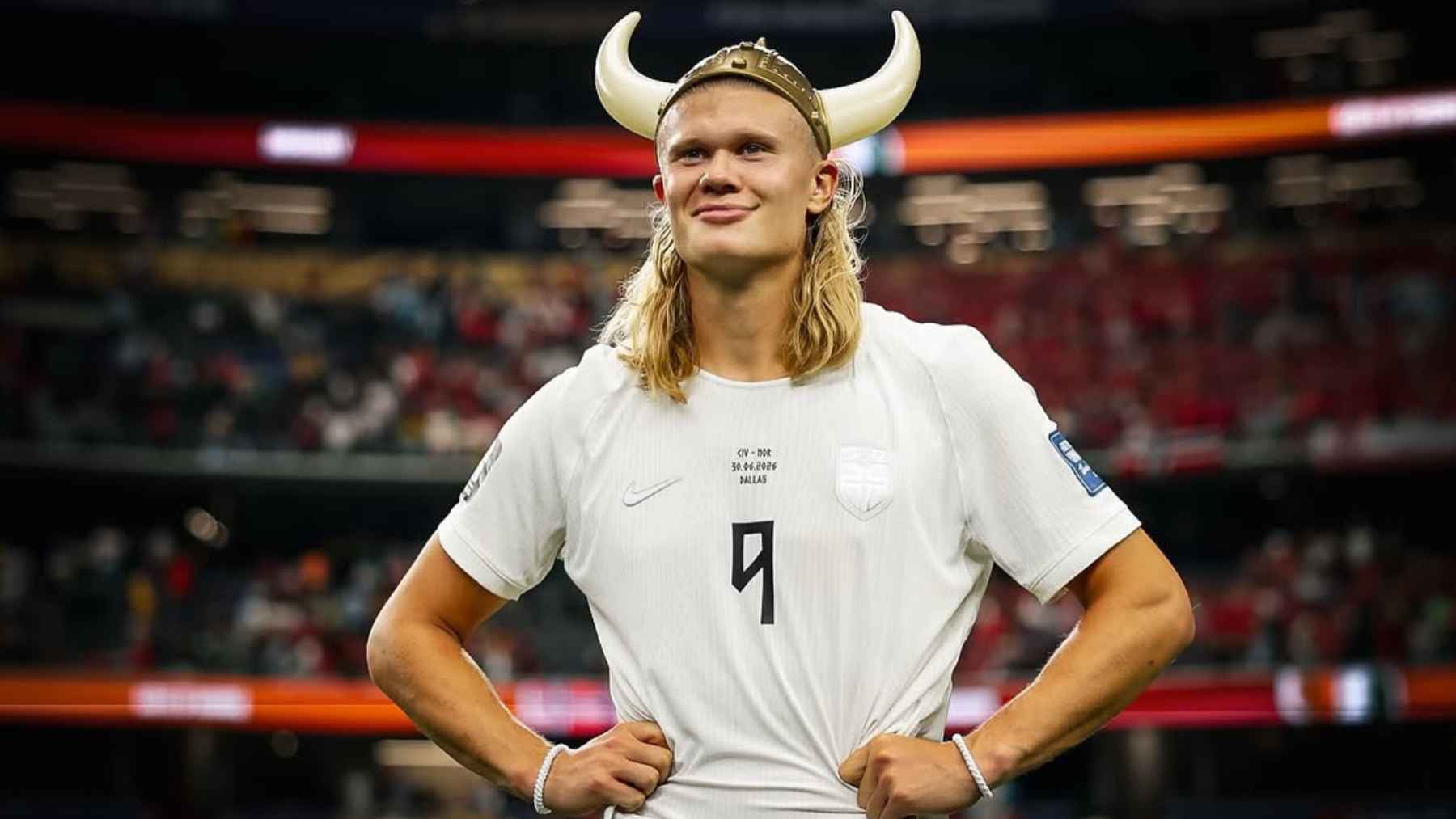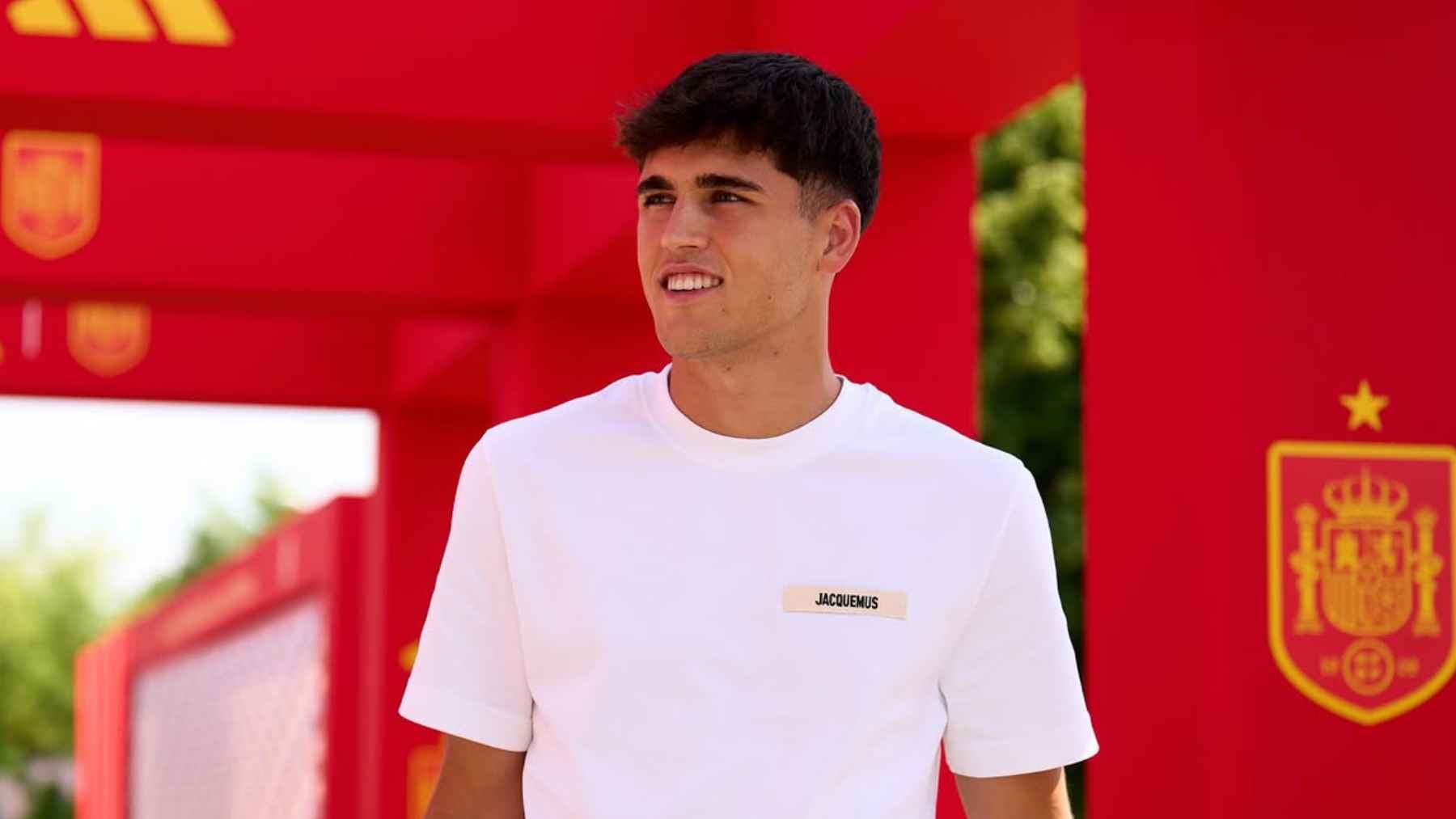
Pau Cubarsí is only 19, but his daily schedule would wear out most grown adults. The FC Barcelona center back sleeps around nine hours a night, trains every morning, studies business in the afternoon, and every once in a while, celebrates a good match with a hamburger.
It sounds simple, but it says a lot about what happens behind the scenes in elite soccer. His whole routine is built around recovery, which really means giving the body and mind enough time to reset before doing it all again.
And research on young players suggests that sleep doesn’t just help on the field; it helps in the classroom too.
Sleep comes first
For Cubarsí, everything starts with sleep. “I sleep about nine hours a day. On matchdays, even more,” he recently said.
Nine hours is right at the top end of general guidance for adults his age, though sports specialists point out that an athlete’s needs can climb even higher once you factor in training, travel, and matches.
That is not just a personal habit, it is sustained by real numbers. A study led by Ana Merayo through Barça Innovation Hub followed 261 young soccer players and found that 70 percent of them were sleeping less than they should. Players who slept more and slept better also tended to earn stronger academic results.
The connection makes sense once you think about it. Lack of sleep can slow down focus, reaction time, speed, mood, and all of that matters when a defender has a half second to read a play or make the right pass. One late decision can change the whole game.
Training before class
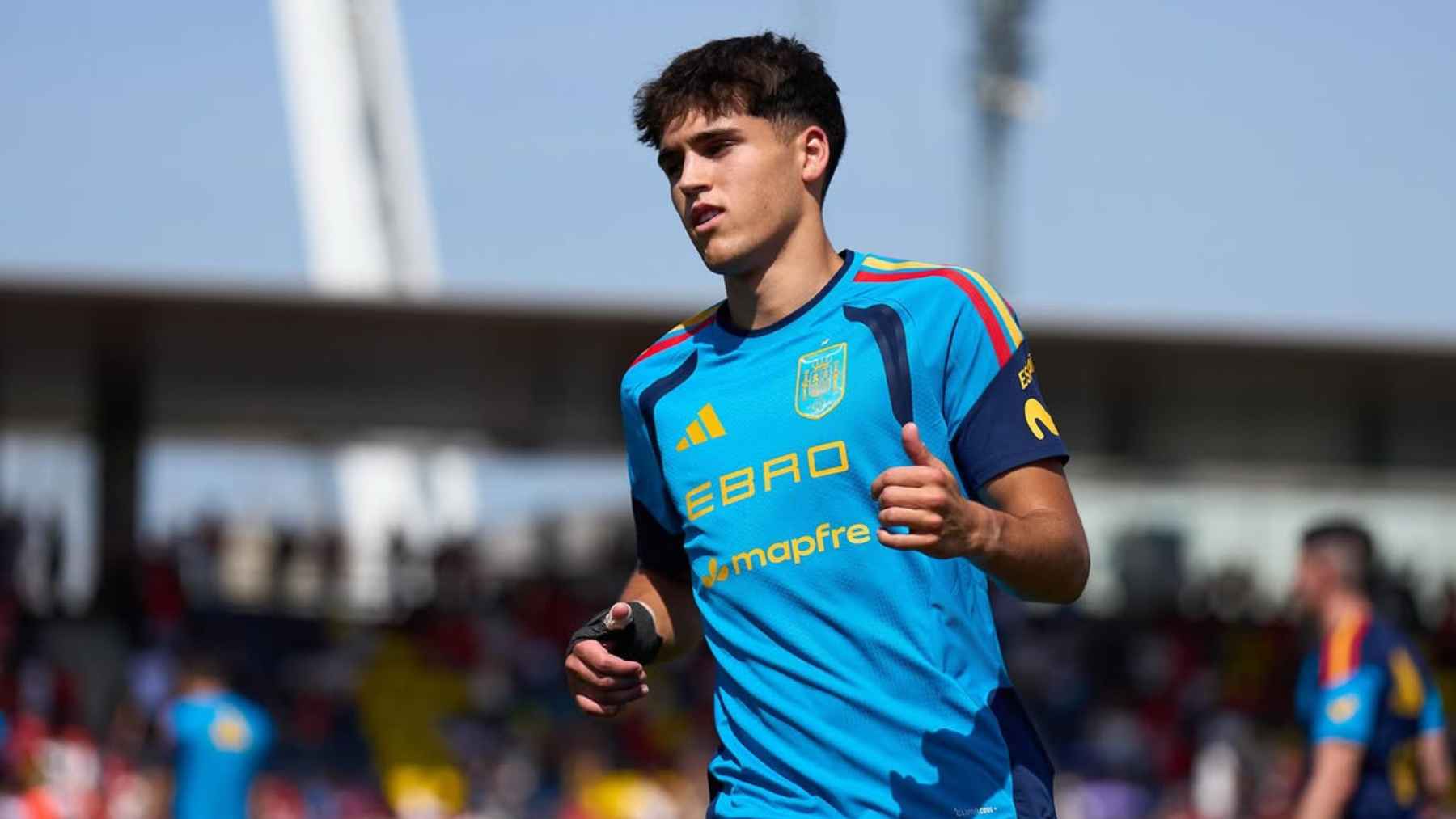
Back in 2024, during his final year of high school, Cubarsí’s schedule looked something like this: train with the first team in the morning, then head to class from 3 p.m. to 8 p.m. to study social sciences at La Masia. That’s already a full day before he’s even opened a textbook.
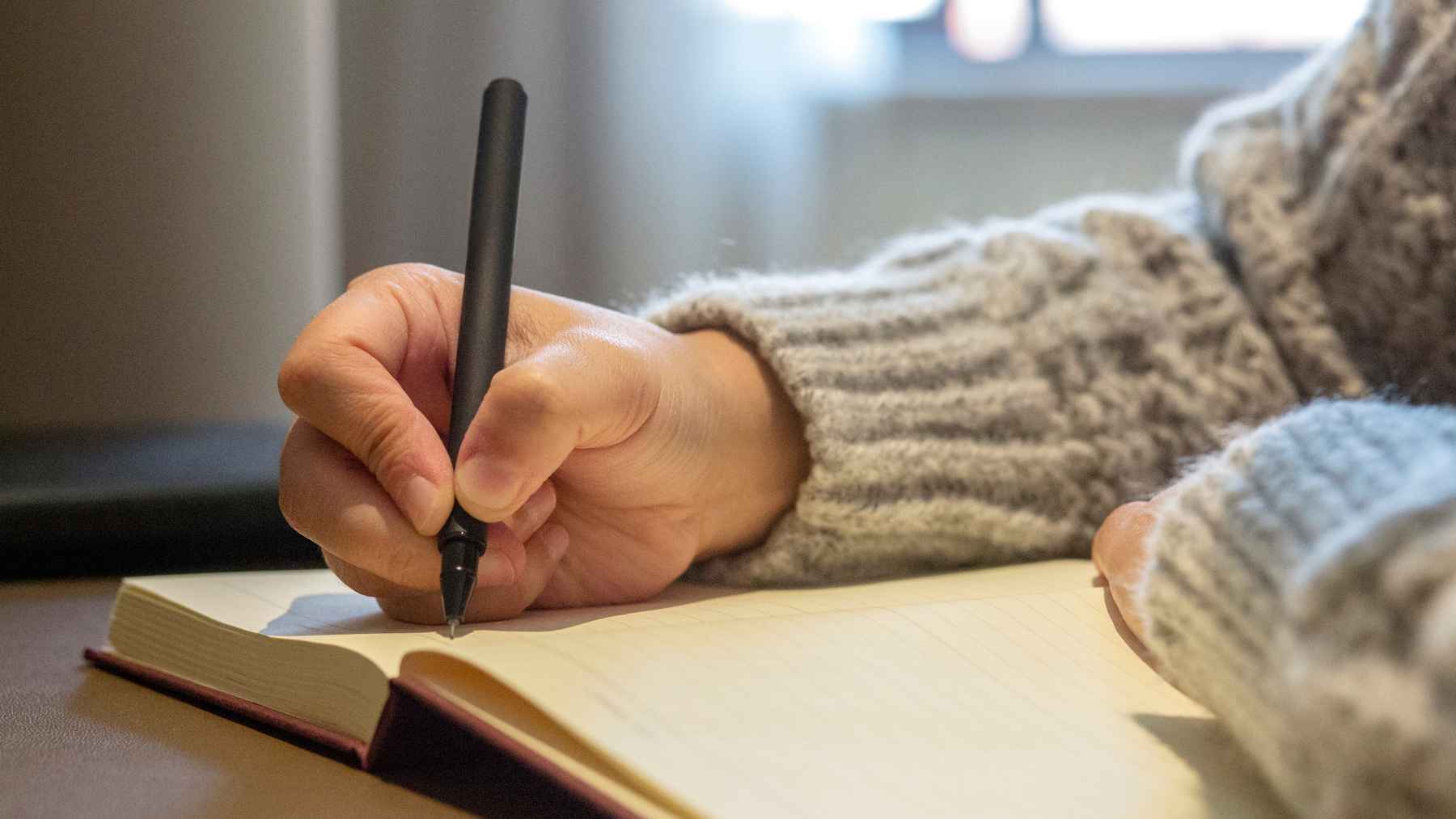
European match weeks made it even harder. “If there is a Champions League game, I have to ask for notes or pay more attention the next day,” he told RAC1. Try to imagine landing back home after a road trip and immediately opening a notebook while your classmates are already three chapters ahead.
Business studies continue
His academic setup changed after high school. By October 2025, Cubarsí described his studies as an online Business Administration and Management course, rather than a full university schedule.
Reuters reported that the format was deliberately lighter so he could recover and keep studying alongside professional soccer.
Different reports have said it is either two or three afternoons a week, and the number can shift depending on his calendar for any given week. But the bigger picture is simple: the flexibility is what lets his classes fit around training, physio, travel, and games, instead of competing with them.
The academy built the habit
The pattern started years before his senior breakthrough. His official player profile says he joined the academy from Girona on July 1, 2018, as an under-12 player, then made his competitive first-team debut at 16 in January 2024.
During the 2024-25 season, he made 56 appearances and helped win three domestic trophies.
The facilities include classrooms, tutorial rooms, group work areas, and spaces for personal support.
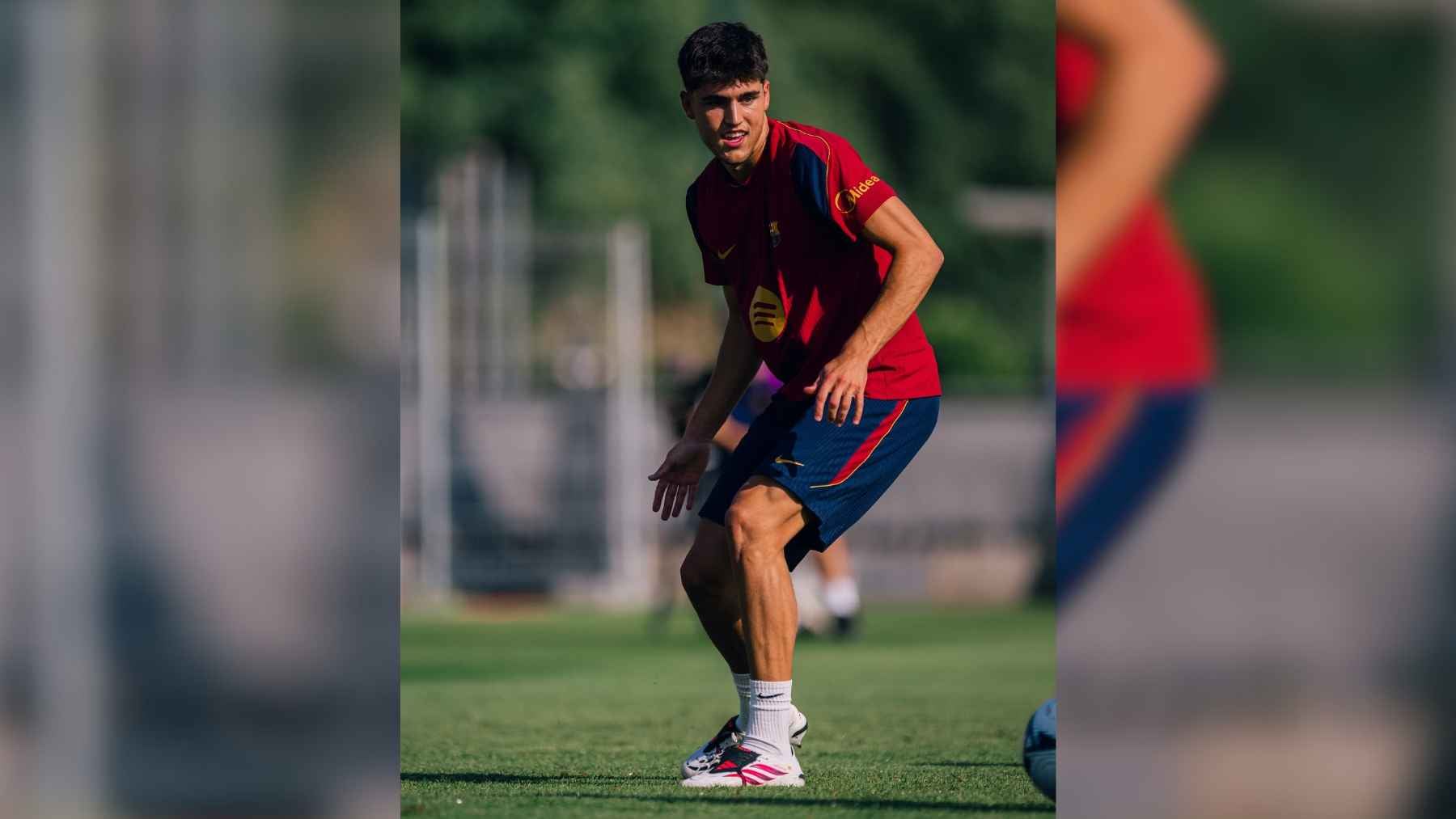
In other words, training and education are designed to share the same calendar rather than fight for whatever time is left. Cubarsí has clearly carried that mindset into his first-team career.
The burger reward
His food routine leaves room for normal life. Cubarsí says he tries to eat a varied diet and take care of himself, but he does not treat every single meal like it is a test he has to pass. For most people, athletes included, a routine that actually feels doable tends to stick a lot better than one that only looks perfect on paper.
After a good performance, his reward can be a hamburger. “If I played and, luckily, played well, the burger tastes much better,” he said in the MARCA interview. It is a small win to close out a match that came with plenty of noise, pressure and physical drain of a match.
Keeping social media small
Cubarsí also tries to keep the phone in its place. In The Athletic, he said he pays little attention to social media because everyone in soccer wants to judge what a player does or fails to do. “I don’t think you should pay too much attention to it,” he said.
For him, the phone is mostly a way to pass time and look at things he enjoys. And that’s what rounds out the whole routine: sleep protects his recovery, school keeps another door open, the burger marks a job well done, and staying off social media quiets down the noise outside the stadium.
The main sleep study discussed in this article was published in Science and Medicine in Football.