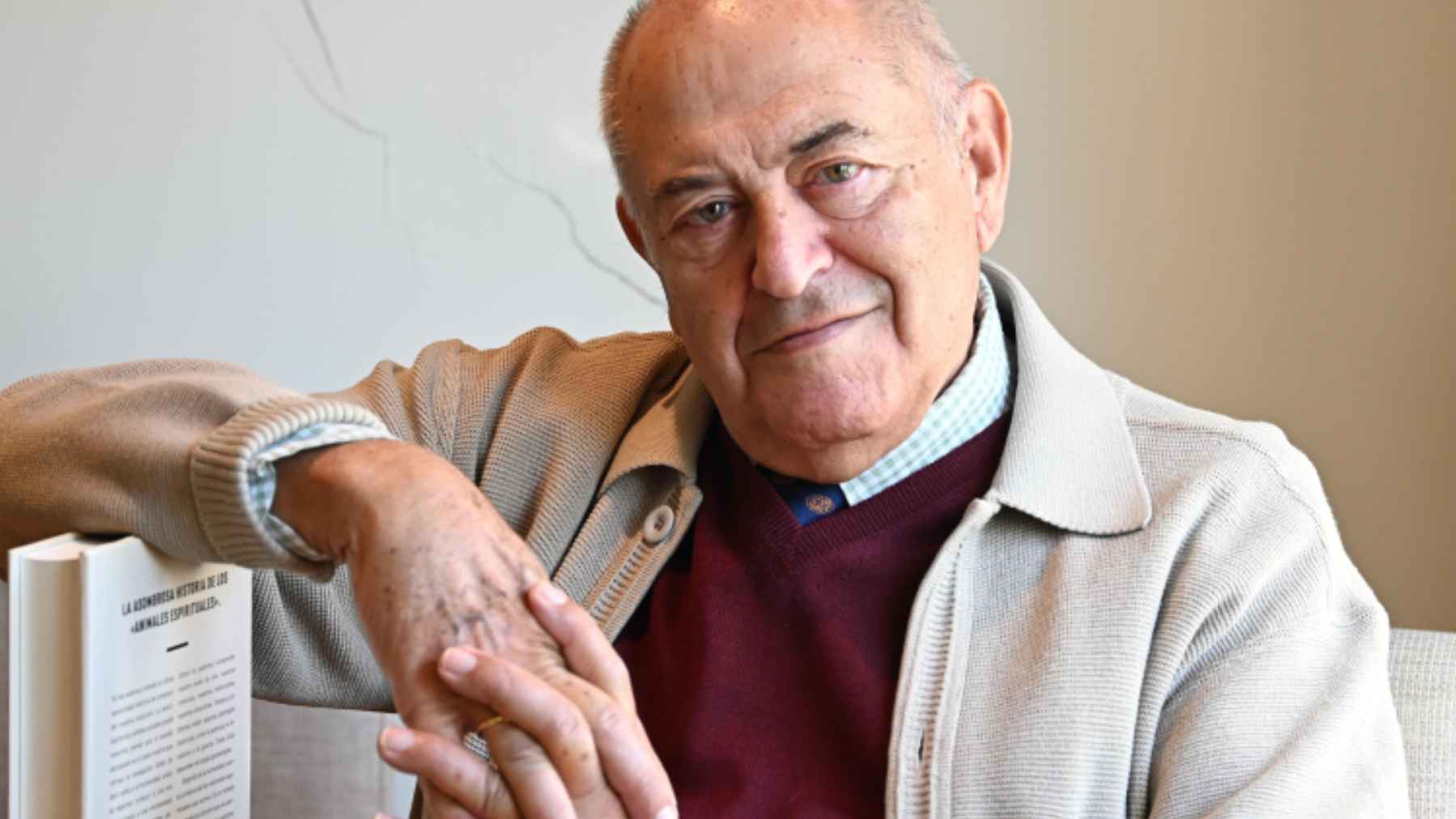
The Spanish philosopher and educator has a straightforward take on a problem many families already recognize. In his new book La vacuna contra las adicciones, he says the biggest mistake in education has been telling young people that happiness is all that matters and that reaching it should be easy.
He is not saying comfort automatically leads to addiction. His point is different: children who never practice waiting, failing, or working through hard problems may be more likely to reach for the quickest escape when things get stressful – whether that is alcohol, a pill, gambling, or just another hour of scrolling.
The promise of easy happiness
“The biggest educational mistake has been telling young people that only happiness matters and that achieving it is very easy,” he said in an interview with El Periódico. When adults tell kids happiness should show up fast and easy, he argues, it is hard to turn around later and ask them to be patient or work for something.
So what happens when that promise runs into a normal bad day? A failed exam, a breakup, a slow job search, or an awkward conversation can hurt, and Marina believes young people need practice sitting with that discomfort instead of rushing to make it go away. That is really where his whole warning about instant rewards starts.
What addiction actually means
Addiction is more than enjoying a drink, game, or phone. To put it simply, it is a pattern you can’t easily control, one that keeps going even when it is clearly causing harm. The National Institute on Drug Abuse describes drug addiction as a long-term disorder marked by compulsive use, despite the damage it causes.
Marina also draws an important line. Once an addiction is established, he says, it becomes a medical issue – his “mental vaccine” is aimed at prevention, not treatment. And no single lesson, parenting style, or personality trait explains addiction by itself. Genetics, mental health, family life, past trauma and environment all play a role.
Spain’s data tell a mixed story
The latest national survey from Spain’s Ministry of Health brings both good and bad news. Among students ages 14 to 18, 71 percent said they drank alcohol in the past year, and almost 52 percent in the previous month.
Around 18 percent had used tranquilizers or sleeping pills at some point. Still, alcohol, tobacco, cannabis, and sedative use all went down compared to 2023.
Digital habits and gambling are still a concern too. A separate official report based on 35,256 students, found that 15.3 percent showed signs of problematic social media use. 13 percent had gambled online and 20.9 percent had gambled in person in the past year. It is not something to panic about, but it is not something to ignore either
Frustration tolerance has scientific support
Researchers have a name for the skill Marina’s describing:”distress tolerance.” It means staying with an uncomfortable feeling or a hard task long enough to respond on purpose, instead of running from it right away. That does not mean ignoring real harm. It means not running away the moment things feel uncomfortable.
Afton Kechter and a team from the University of Southern California followed 3,203 high school students for four years.
Among teens who hadn’t tried a given substance yet, higher distress tolerance was linked to fewer days of alcohol, cigarette, and opioid use down the road — though the study couldn’t prove low tolerance causes substance use, and the link didn’t hold up for kids who’d already used before.
Technology can train the opposite habit
On the podcast El Sentido de la Birra with Ricardo Moya, Marina explained it in everyday terms. “Our brain is lazy, and if it sees the problem solved, it does not make an effort,” he said, arguing that constant digital shortcuts can weaken voluntary attention, the focus we choose versus the focus captured by a notification.
That does not mean every screen is the enemy. The problem starts when a five-minute homework break turns into 45 minutes of mindless scrolling, or when boredom starts to feel unbearable without a phone in the hand becomes forty-five minutes of automatic scrolling, or when boredom feels unbearable without a screen.
Spain’s numbers confirm the problem is real. They just do not prove that phones and screens are the whole story.
Education as practice for real life
Jose Antonio Molina defines intelligence less as memorizing facts and more as knowing how to act to solve a problem. In practical terms, his idea is to teach kids to break a problem in different steps, wait for a reward, manage anxiety, ask for help when they need it, and try again after failing.
That does not mean glorifying hardship or denying young people joy. Happiness still matters, but pairing support with the right amount of challenge can turn a missed shot, a bad grade, or an awkward conversation into practice, instead of disaster.
The main work discussed here, the bookc La vacuna contra las adicciones, was published by Editorial Ariel on May 27, 2026.