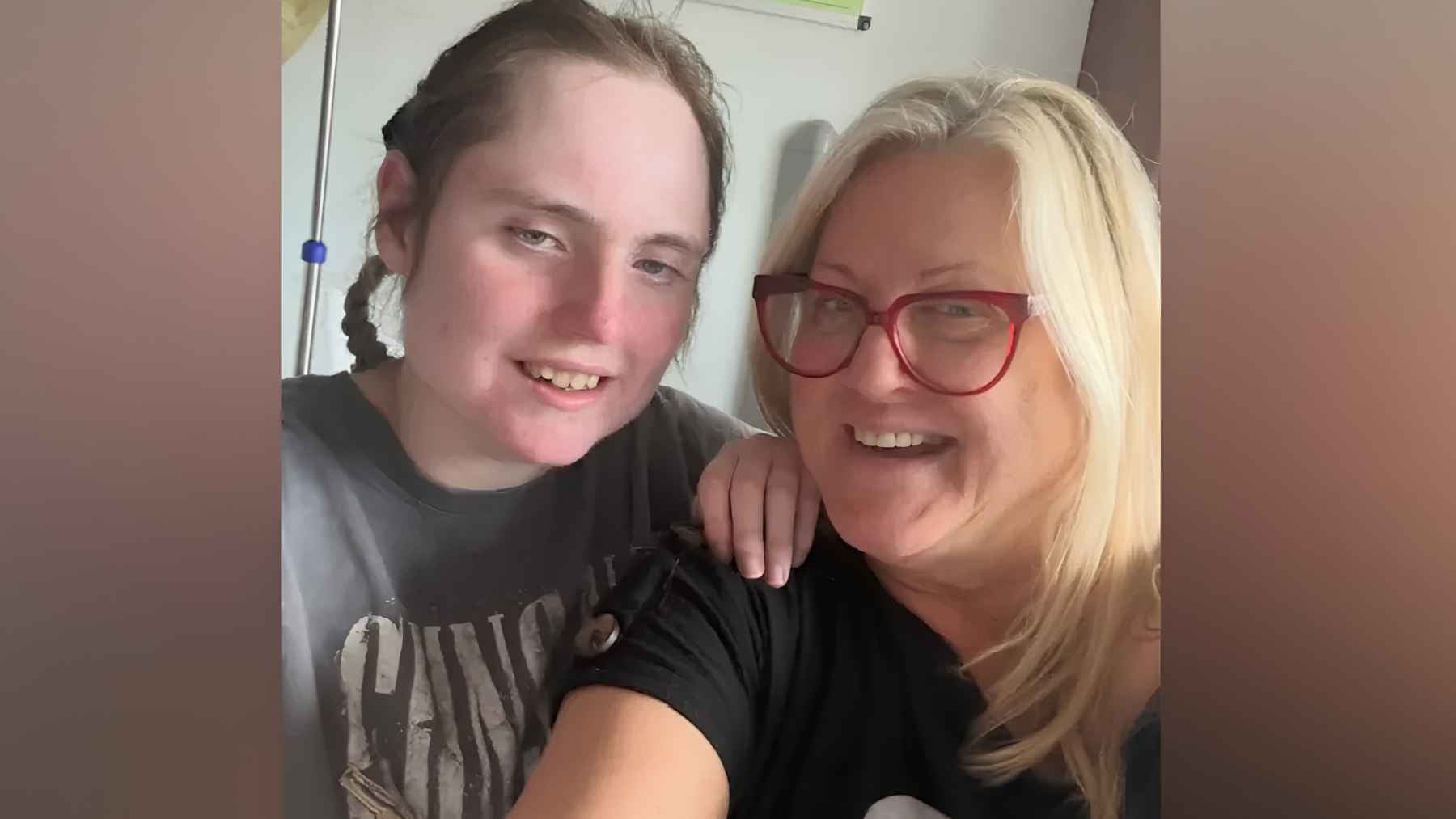
A 27-year-old woman from Southport has left a Liverpool hospital for a specialized home after a disagreement over who should pay for her care kept her waiting for months.
Natasha had been medically ready to go, and her support package had been prepared since May, but the move could not happen until regional health officials agreed on funding.
Her mother, Elaine, watched the ambulance leave on Monday, July 20, 2026, with tears in her eyes. “These are tears of joy,” she said. The new placement gives Natasha her own home, one-to-one care, and staff available around the clock
Treatment succeeded, but discharge stalled
Natasha was taken to The Walton Centre in Liverpool after epileptic seizures became life-threatening 14 months earlier. Specialists brought them under control, and Elaine praised everyone who cared for her daughter, including doctors, nurses, porters, security workers, and kitchen staff.
Still, Natasha could not simply go home. She is nonverbal, needs close supervision, and had been unable to leave the hospital grounds for safety reasons, even after clinicians considered her medically ready to leave.
The new home was ready
A social worker from Sefton Council found a specialized placement in Bolton, Greater Manchester, and the transfer was scheduled for early June. Southport MP Patrick Hurley had also spent months working with the family to resolve the case.
The local authority had agreed to fund half of the package. The remaining half became the sticking point when NHS Cheshire and Merseyside said it was no longer responsible and that NHS Greater Manchester should take over the share.
The report did not provide a detailed legal explanation for the handoff, but the planned move stopped almost at the last minute.
Why regional funding became crucial
Integrated care boards are statutory regional bodies that plan and buy health services in England. They replaced older commissioning groups in 2022 and are responsible for the day-to-day management of health services within their areas.
How can a move be ready and still not happen? Natasha’s planned transfer crossed a regional boundary, and the unresolved responsibility held up her discharge. The treatment, home, and care team were ready, but the funding agreement was not.
Two rare conditions shape Natasha’s needs
Leigh syndrome is a progressive disease linked to problems with mitochondria, the tiny structures that turn food and oxygen into usable energy for cells. Because the brain and muscles need so much energy, the condition can affect movement, swallowing, breathing, and other basic functions.
It usually appears early in life, though some people develop symptoms later or progress more slowly.
Natasha also has GAMT deficiency, an inherited disorder that mainly affects the brain and muscles. It can cause severe developmental difficulties, very limited speech, and recurring seizures. Together, the conditions help explain why a standard care setting would not meet her needs.
A report changed the timetable
The initial regional television report aired on July 14, after Natasha had been medically ready for discharge for months. Several high-level meetings followed, and six days later she left for Bolton, according to the follow-up account.
Elaine said the new team would arrange the assessments and support that her daughter still needed. She also said, “I never believed this day was going to come.”
A wider discharge problem
Natasha’s story is unusual in its medical details, but the administrative delay fits a much larger pattern.
Age UK’s July 2026 analysis of NHS England data found that more than 13,000 people remained in hospitals on a typical day even though they were medically ready to leave, with 6.75 million bed days lost to delays of seven days or more in the 2025 to 2026 financial year.
Most people in that analysis were older, while Natasha is only 27. Her case is a reminder that younger disabled adults can also be caught between hospital care, social care, and regional funding decisions. A bed may be safe, but it is not the same as a home.
A new beginning in Bolton
Natasha was awake from half past four in the morning on discharge day, and Elaine believed her daughter knew something important was about to happen. She emerged smiling in a wheelchair, accompanied by a nurse who would help her settle into the new home.
Elaine must wait several days before visiting so Natasha can adjust to her surroundings.
After months without the freedom to leave the grounds, her daughter will now have more room for ordinary routines, familiar faces, and life beyond a ward. “This is the beginning of the rest of our lives,” Elaine said.
The original report was published by BBC News.