Have you ever heard of an illness where the immune system turns on the nerves that help you see and move? That is what happens in neuromyelitis optica spectrum disorder, a rare autoimmune disease that can strike the optic nerves and spinal cord.
Now, a small but striking case report has brought unusual long-term news. Two people with severe, treatment-resistant disease remained free of relapses for 15 and 16 years after receiving donor stem cell transplants, without ongoing immune-suppressing treatment.
Why NMOSD is so serious
Neuromyelitis optica spectrum disorder, often shortened to NMOSD, can cause sudden vision loss, painful spasms, weakness, paralysis, vomiting, hiccups, and bladder or bowel problems.
The National Institute of Neurological Disorders and Stroke describes it as a disorder in which the immune system damages parts of the central nervous system, especially the optic nerves and spinal cord.
For patients, that can mean much more than a diagnosis on paper. A relapse can change daily life quickly, from reading a phone screen to walking across a room or using the bathroom without help. That is why preventing attacks matters so much.
A full immune reset
The treatment used in this report is called an allogeneic hematopoietic stem cell transplant. In plain English, doctors try to replace a patient’s faulty blood-forming immune system with healthy stem cells from a donor.
Giorgio Orofino, Angela Genchi, Maria Teresa Lupo Stanghellini, and colleagues reported the long-term results in a new case report. Their work tracked two patients whose NMOSD had not responded to standard treatment.
Before the donor cells were given, the patients received chemotherapy drugs to clear out malfunctioning immune cells. They also received rituximab, a monoclonal antibody that reduces B cells, the immune cells that can make harmful antibodies.
What doctors saw
The key antibody in this story is called AQP4-IgG. In many people with NMOSD, it mistakenly targets support cells in the nervous system, setting off inflammation that can damage the protective coating around nerve fibers.
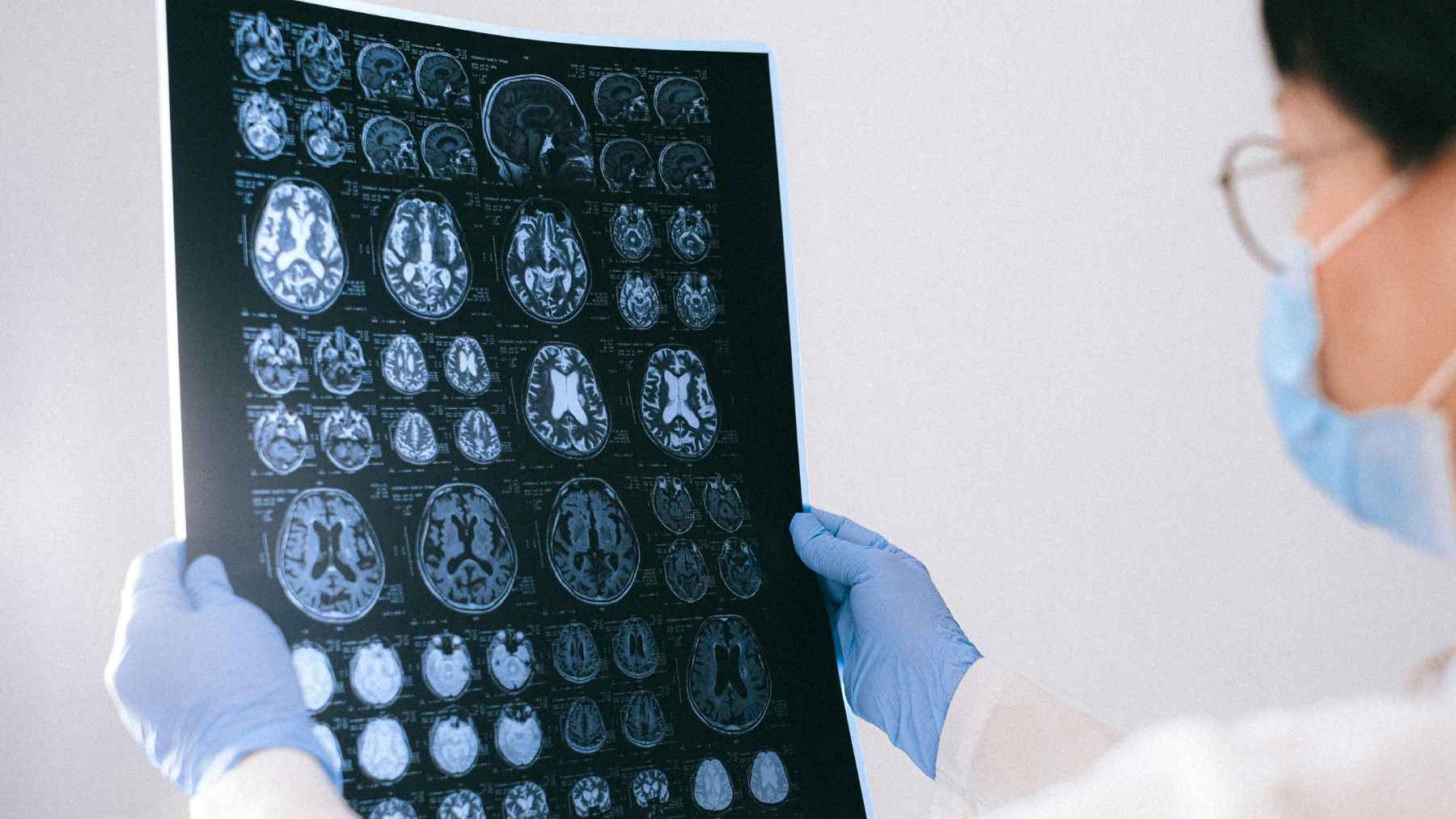
After the transplant, that antibody became undetectable in both patients and stayed that way through the long follow-up. Doctors also used neurological exams, brain and spinal cord MRI scans, and antibody testing to monitor what happened over the next 15 and 16 years.
The patients also reported better quality of life. One saw major improvement in physical ability and later became a father of two children, while the other still had disability from earlier damage but could do some activities that had once been out of reach.
Why 15 years matters
Many NMOSD treatments aim to reduce relapse risk by calming or blocking parts of the immune system. That can be lifesaving, but it usually means ongoing therapy and careful follow-up.
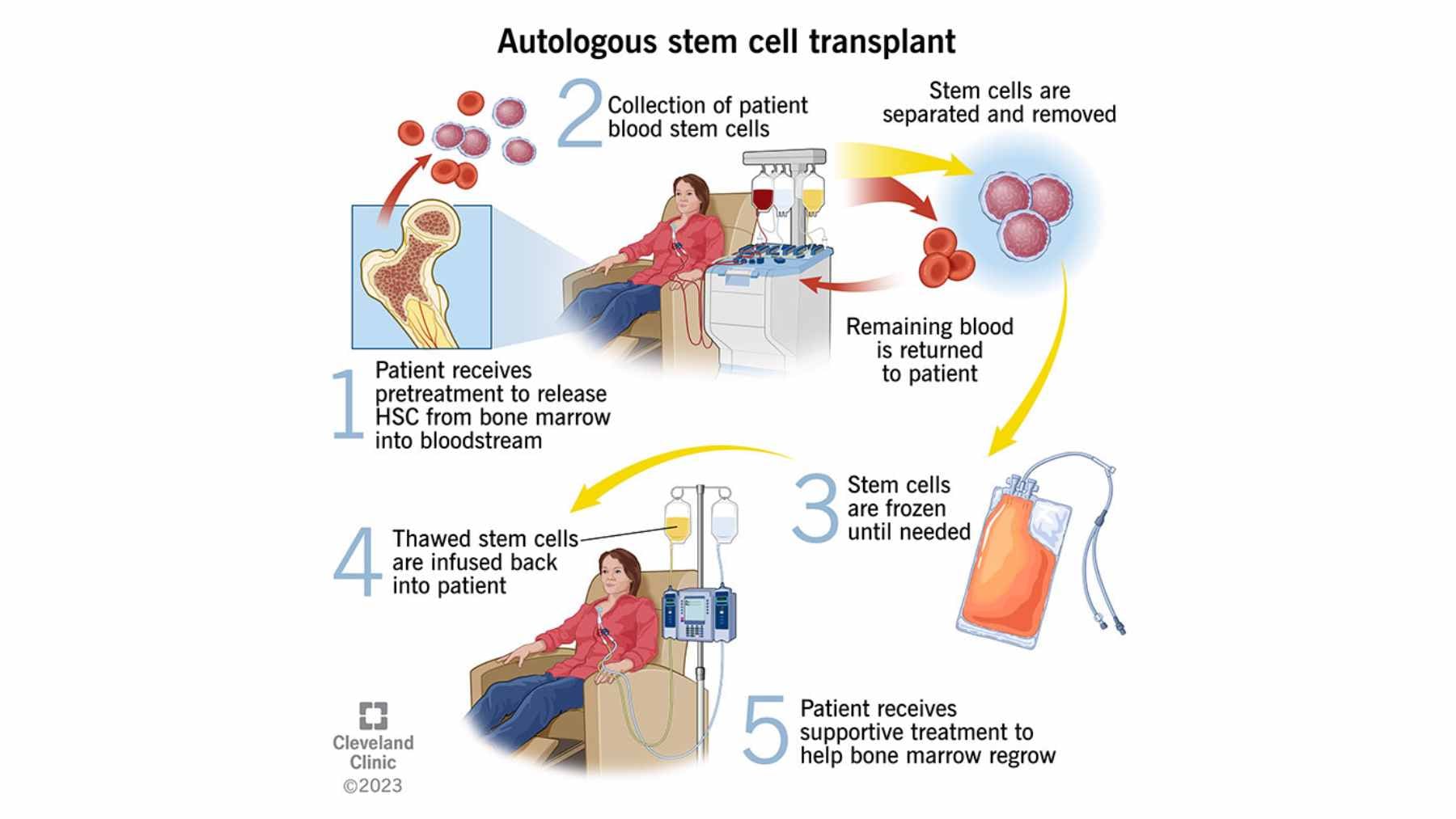
This report points to something different. For these two selected patients, the transplant did not just hold attacks down for a short period, it appeared to rebuild the immune system in a way that removed the disease-linked antibody from the blood.
That is a big reason the 15-year window stands out. Earlier research on autologous stem cell transplantation, which uses a patient’s own cells, found relapse-free survival of 31% at three years and 10% at five years in a group of 16 refractory NMO patients.
Not a routine treatment
Still, this is not a simple new cure that can be handed to every patient. It is a report of two people, both with unusually severe disease, and that kind of evidence can show possibility but cannot prove broad safety or benefit.
Allogeneic stem cell transplant also carries serious risks. The National Cancer Institute notes that even with prevention, up to half of people receiving this kind of transplant may develop graft-versus-host disease, a complication in which donor immune cells attack the patient’s healthy tissues.
That risk changes the conversation. A treatment like this would likely be considered only for carefully selected patients, especially when other options have failed and the disease itself is causing major danger.
What comes next
The most careful takeaway is not hype, but proof of concept. The cases suggest that, in rare circumstances, replacing the immune system may deeply change the course of NMOSD instead of only suppressing it.
What would doctors need next? Larger studies, longer safety tracking, and clearer rules for who might benefit enough to justify the risk. That is the hard part.
For families facing repeated relapses, though, the report offers a reason to watch this field closely.
The main study has been published in Med.