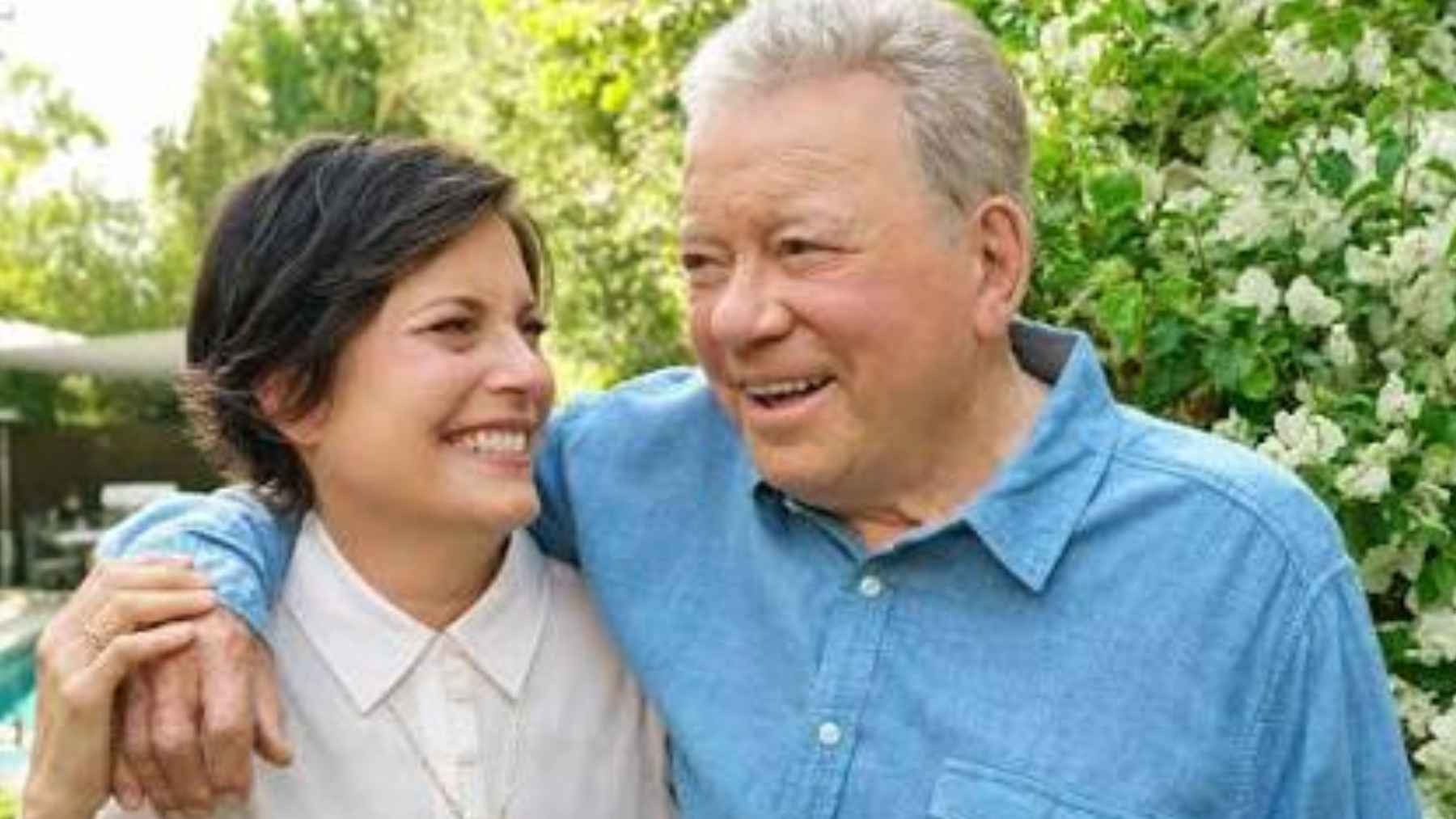
William Shatner has revealed that he faced stage 4 malignant melanoma while his youngest daughter, Melanie Shatner Gretsch, was already receiving treatment for stage 4 breast cancer. Their diagnoses arrived less than a year apart, leaving one close family to manage two advanced cancers at the same time.
Now 95 and 61, respectively, the father and daughter say they have had no evidence of disease since late 2024. Their experience is deeply personal and cannot predict another patient’s outcome, but it also shows how much some cancer treatments have changed in a relatively short time.
Two diagnoses within a year
Melanie found a tiny lump beneath her left breast in July 2022, about five months after her previous screening. A biopsy showed HER2-positive breast cancer, meaning the tumor carried extra copies of a gene that can drive cancer cells to grow quickly.
Further scans found cancer in lymph nodes inside her chest. Dr. Carlie Thompson of UCLA Health said the spread technically made it stage 4, although it was limited and had not reached vital organs. Melanie then underwent nearly 18 months of chemotherapy, HER2-targeted treatment, a double mastectomy, and 30 radiation sessions.
As Melanie approached the end of treatment, Shatner noticed a growing lump on his cheek. In June 2023, doctors diagnosed stage 4 melanoma that had spread to his lungs and brain, leading to surgery and about two years of immunotherapy.
What stage 4 cancer means
The National Cancer Institute explains that metastatic cancer has moved from the place where it started to a distant part of the body. For many cancers, doctors call this stage 4.
The name of the cancer does not change when it spreads. Melanoma found in the lung is still melanoma, for example, because the new tumor is made from the same type of cells as the original cancer.
The words “cancer-free” and “remission” also need some care. Complete remission means that all signs and symptoms have disappeared, but it does not always mean cancer can never return, so medical monitoring remains important.

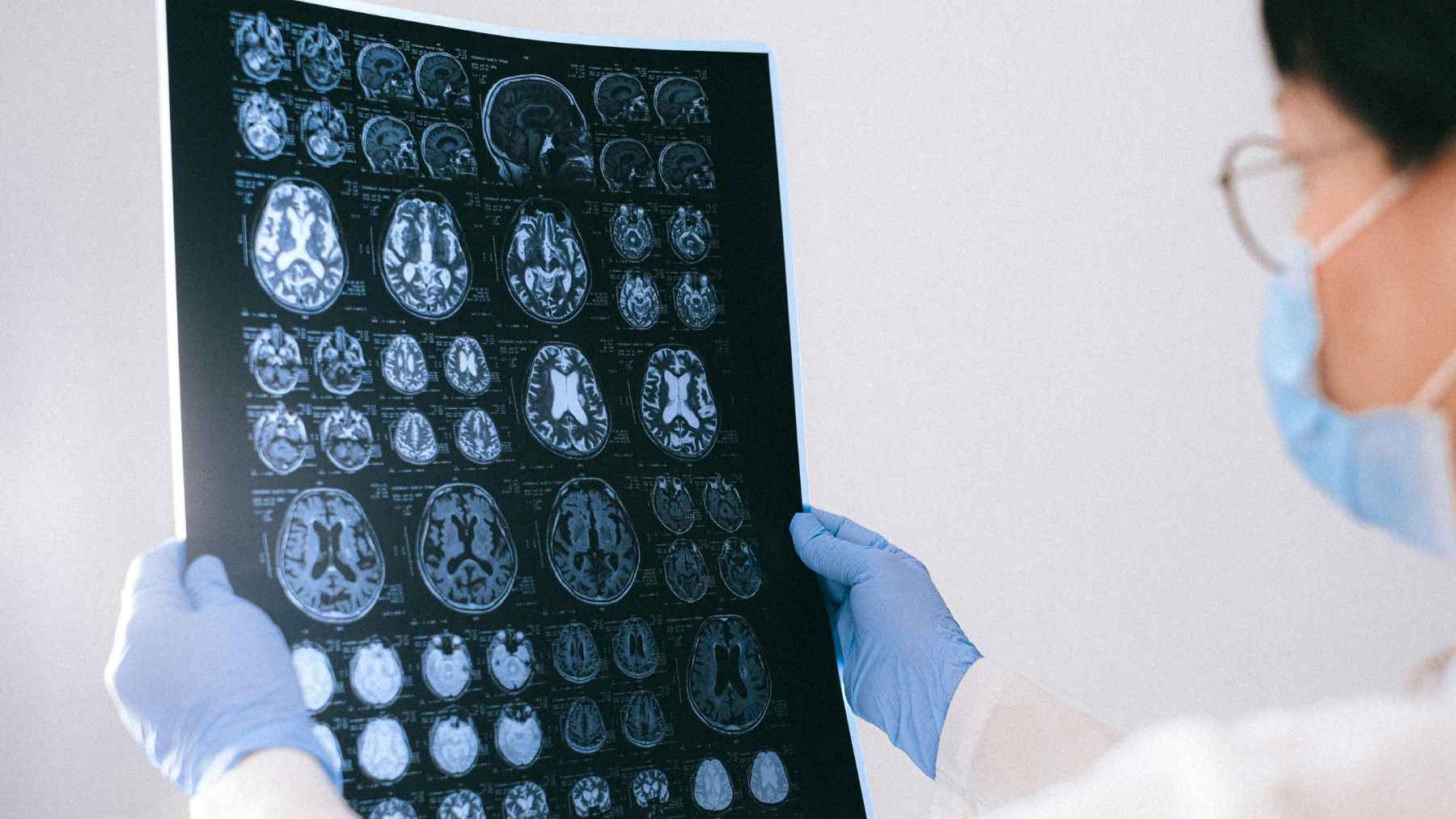
A doctor represents the medical advice behind a broader approach to managing high blood sugar without automatically eliminating carbohydrates.
Treatment changed the outlook
Shatner’s treatment used immunotherapy, which helps the immune system recognize and attack cancer cells. Some modern drugs work by blocking signals that act like brakes on immune cells, allowing those cells to respond more strongly against a tumor.
Around 20 years ago, average survival for a diagnosis like Shatner’s was only six to eight months, according to his doctor. Over the past decade, immune-based medicines and targeted therapies have expanded the options available for advanced melanoma.
That progress matters, but stage 4 cancer remains serious. Response can depend on the type of tumor, where it has spread, a patient’s overall health, and whether the cancer has biological features that a drug can target.
Family support through the worst nights
Medicine was only part of the story. During chemotherapy, Melanie called her father late at night and told him, “I think I’m dying.” She heard him getting out of bed before he replied, “I’m coming over.”
Support also arrived in quieter, everyday ways. Relatives brought meals, watched movies with Shatner, helped with treatment costs, and made sure neither patient had to face the hardest stretches alone.
“We’re a very together family,” Shatner said while reflecting on what they endured. The science was essential. So was having someone answer the phone.
Everyday life feels different now
After reaching remission, both said they began noticing small moments more clearly. Shatner spoke about watching a bird pass his window, seeing the blue sky, playing with his dog, and even smiling while driving his car.
Why do ordinary scenes carry more weight after a life-threatening diagnosis? For Shatner, they became reminders not to let daily life slip past unnoticed, while Melanie said the experience made her less afraid and more open to joy.
That idea inspired “No Time but Now,” a weekly video podcast that premiered on July 29, 2026. The series features conversations with researchers, doctors, survivors, and other guests about health, resilience, longevity, and living with greater intention.
Shatner keeps moving forward
Shatner remains best known for playing Captain James T. Kirk in the original “Star Trek” television series. His long career also includes “T.J. Hooker,” “The Practice,” music projects, books, and widely seen Priceline commercials.
He is scheduled to perform at Riot Fest in Chicago’s Douglass Park on Sept. 20, 2026, with a new heavy metal band. For a performer whose most famous role was built around exploring the unknown, his message today is much closer to home. Pay attention to the day in front of you.
The main interview was published in People.