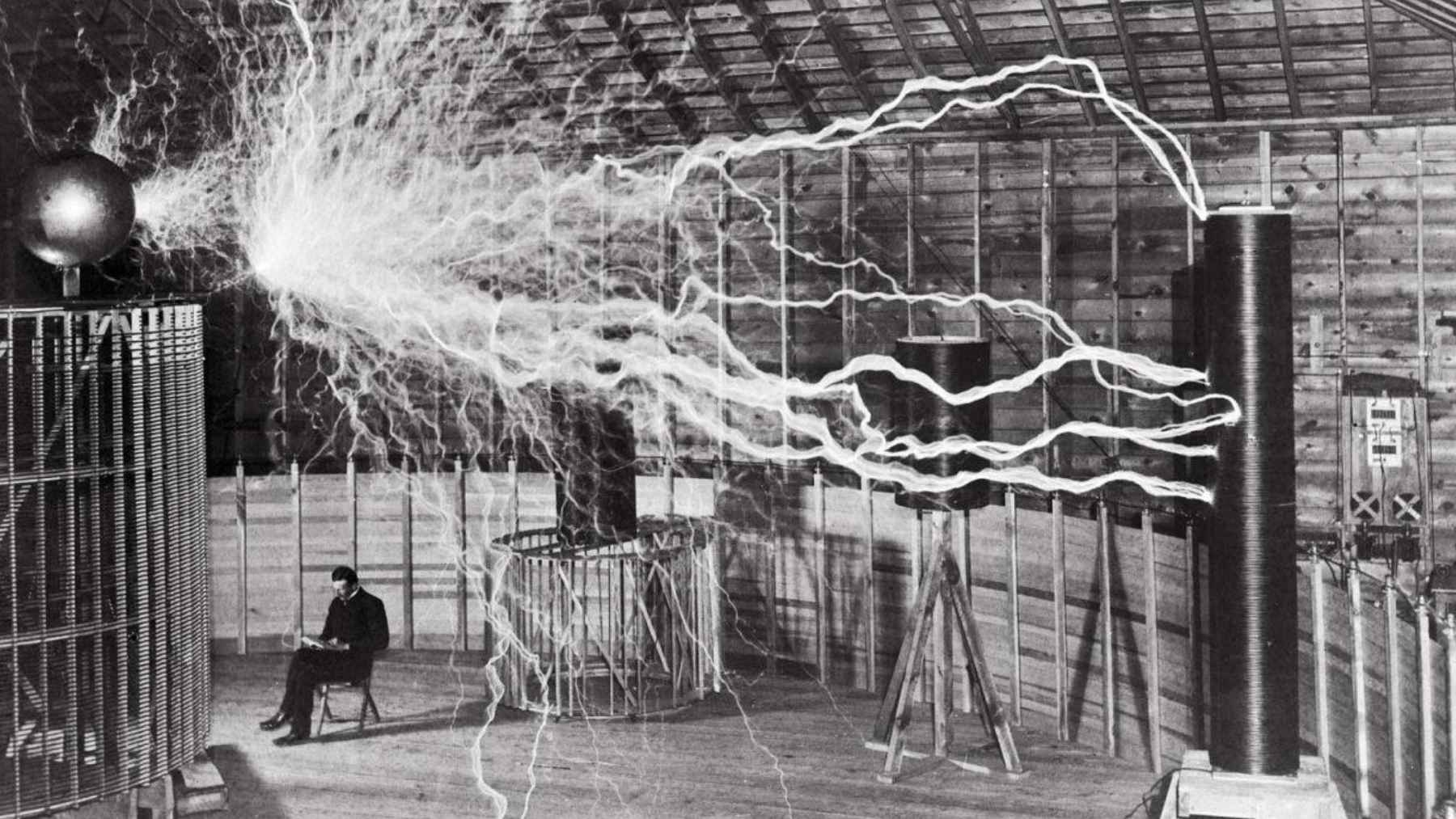
Being copied can feel personal. A line widely credited to Nikola Tesla answers that frustration with a sharp twist. “I don’t care that they stole my idea. I care that they don’t have any of their own.”
The problem is that no reliable book, letter, speech, or interview has been identified as the source of those exact words. Even so, the thought fits a documented pattern in Tesla’s life, where the ability to create new ideas often mattered more than simply possessing a finished result.
A quote without a paper trail
Tesla left behind patents, articles, interviews, and a six-part autobiographical series called My Inventions. Several of his best-known statements can be traced to those records, including his warning that “a new idea must not be judged by its immediate results.”
The stolen-idea line is different. It appears across quote pages, social media posts, posters, and motivational articles, but those versions rarely name an original publication or provide a date.
That does not prove Tesla never said it. It does mean careful writers should call it “widely attributed to Nikola Tesla” rather than presenting it as a verified quotation. A good line can travel farther than its evidence.
What the quote is really saying
The message draws a sharp distinction between copying an outcome and understanding the thinking that created it. Someone can duplicate a design, repeat a method, or borrow a finished concept without gaining the curiosity and judgment that made it possible.
Original work usually begins much earlier. A creator notices a problem others overlook, tests ideas that fail, learns from the mistakes, and keeps adjusting until something finally works.
An imitator may reach the same destination by following someone else’s tracks. However, what happens when the landscape changes? The borrowed route may stop working, and that is where real creative ability shows itself.
Tesla built more than one big idea
Tesla’s documented career gives the disputed quote much of its emotional force. The U.S. Patent and Trademark Office credits him with more than 100 U.S. patents and more than 200 patents worldwide, including work on the induction motor and rotating magnetic field that helped make alternating-current power practical.
Alternating current is the form of electricity delivered to homes and businesses, keeping the lights on and appearing on the monthly electric bill.
Westinghouse later acquired rights to many of Tesla’s alternating-current patents and helped turn them into commercial power systems. That partnership moved his electrical ideas out of the laboratory and into technology capable of serving factories, cities, and ordinary households.
His interests also reached into high-frequency electricity, wireless communication, lighting, and remote control. Some projects succeeded, while others remained unfinished or failed commercially. Innovation was not a single lightning strike for Tesla. It was a habit.
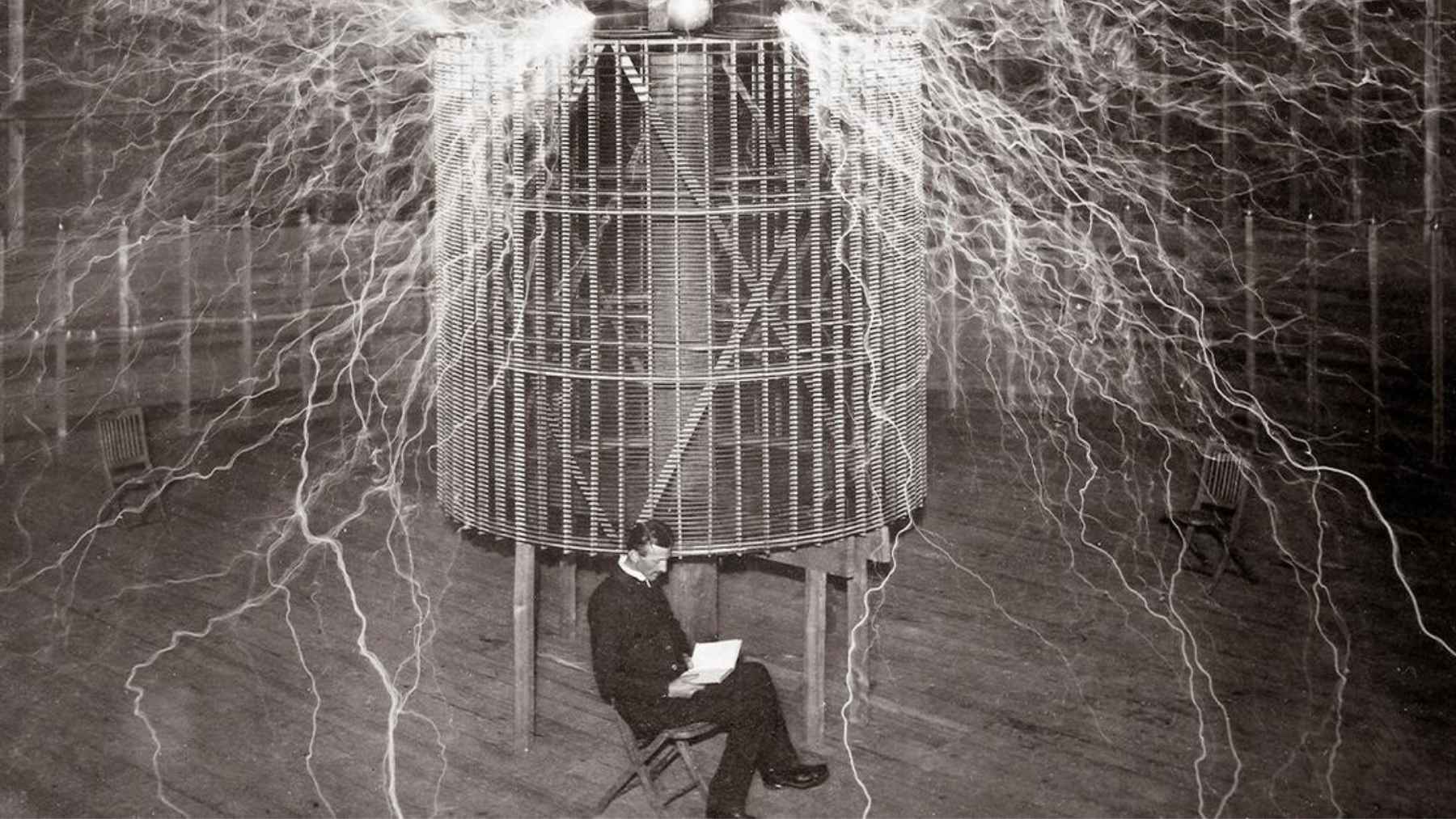
A historic laboratory experiment shows intense electrical discharges surrounding a large high-voltage apparatus.
The battles over credit were real
Tesla’s career did include genuine conflicts over patents and recognition, although popular accounts often simplify them.
In a 1943 radio patent case, the U.S. Supreme Court determined that Tesla’s earlier work anticipated important features later included in Marconi’s system. The ruling also examined contributions from Oliver Lodge and John Stone.
That decision did not simply declare Tesla the sole inventor of radio. Still, it shows that questions of priority, ownership, and previously disclosed technical ideas were not invented later by internet fans.
His Wardenclyffe laboratory offers another example. Tesla pursued an ambitious global wireless system there, yet the project lost financial backing and never became the commercial network he imagined. The site became his last laboratory, while the failure contributed to years of financial difficulty.
Why the idea still matters
Today, copying can happen almost instantly. A photograph, paragraph, product concept, or piece of software can move around the world before its creator has finished a morning coffee.
Copying is not the same as creative renewal, however. A copied result can age quickly, while the person who understands the process can adapt, solve the next problem, and make something better.
That is the lasting lesson in the quote, whoever first shaped its exact wording. Protecting original work still matters, but the deeper advantage is the ability to keep thinking after one idea has been taken. Tesla’s record makes that message feel believable, though historical fit is not historical proof.
The source article that prompted this examination was published in The Times of India.