Losing muscle with age is not simply a matter of birthdays. Eating too little protein, cutting calories too sharply, and dropping strength exercise can all speed up the decline, according to physician Rodrigo Arteaga.
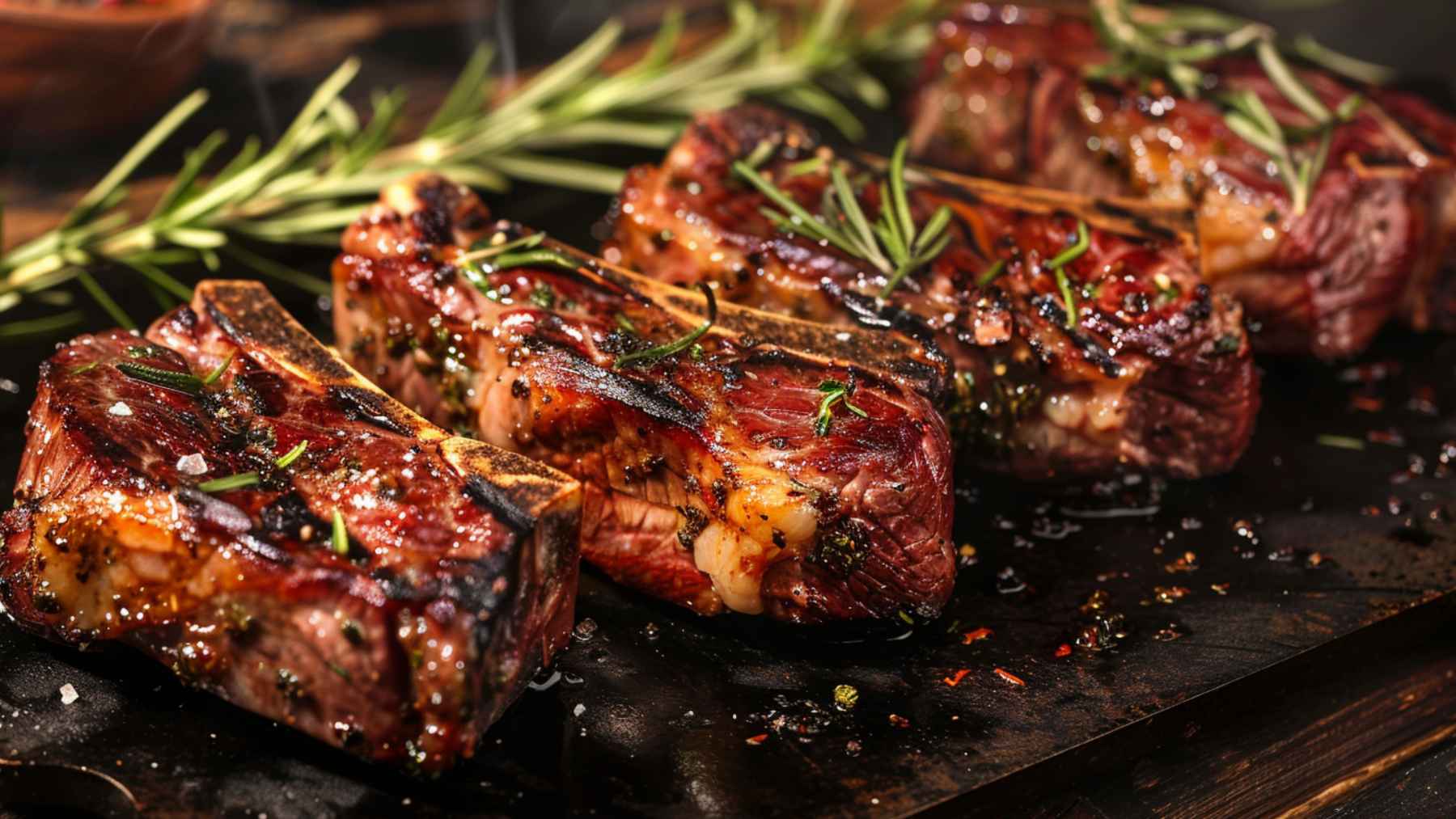
His practical rule is easy to picture at the dinner table. A palm-sized portion of meat, chicken, or fish can provide roughly 25 g to 30 g of protein, but protecting strength depends on the full day’s diet and regular resistance training, not one “perfect” food.
Why aging muscle needs a stronger signal
Muscle becomes less responsive to protein as people get older, a change researchers call “anabolic resistance.” In simple terms, the same meal may produce a weaker muscle-building response than it once did, especially when physical activity also falls.
Appetite can shrink with age, too, so breakfast or lunch may turn into coffee, toast, or another low-protein meal. Protein supplies essential amino acids, the raw materials used to repair muscle, yet movement tells the body to put those materials to work.
The palm-sized protein rule
“A 3.5 oz. serving of meat, chicken, or fish gives you roughly 25 g to 30 g of protein,” Arteaga said. The exact total changes with the cut, cooking method, and water content, which is why the palm rule works better as a quick estimate than a laboratory measurement.
One egg generally provides about 6 g to 7 g, while a cup of some cooked legumes adds roughly 10 g to 12 g and denser choices may provide more.
Greek yogurt, milk, soy, tofu, lentils, chickpeas, and beans can also help build a meal, and checking the serving size in United States Department of Agriculture (USDA) FoodData Central keeps the arithmetic honest.
How much protein is enough
For people aiming to maintain or increase muscle, Arteaga uses about 0.73 g of protein per pound of body weight each day as a reference. That would equal roughly 112 g for someone weighing 154 lb., divided among several meals rather than saved for dinner.
That figure is not a universal prescription. A major analysis led by Robert Morton at McMaster University found that resistance-training gains generally stopped increasing beyond a daily intake close to this level, while the federal adult allowance is lower at about 0.36 g per pound.
Needs change with age, activity, illness, appetite, and overall calorie intake. People with chronic kidney disease should not raise protein sharply without personalized advice because damaged kidneys may require a different balance.
Spread it across the day
Arteaga recommends placing roughly 30 g to 50 g of protein in each main meal when that fits a person’s size and target. This means, breakfast could include eggs and Greek yogurt, while lunch might pair chicken or tofu with beans instead of leaving nearly everything for the evening.
A controlled study found that a more even protein distribution stimulated 24-hour muscle protein production better than a dinner-heavy pattern.
However, meal timing is not magic, and another trial in older adults found no clear long-term advantage from distribution alone, so total intake and training still carry much of the load.
Food is only part of the plan
Very restrictive diets can remove fat and muscle together, particularly when the calorie deficit lasts for months.
Fruits, vegetables, legumes, minimally processed carbohydrates, olive oil, avocados, nuts, and oily fish help provide energy and nutrients such as vitamin D, calcium, magnesium, iron, vitamin B12, zinc, and omega-3 fats.
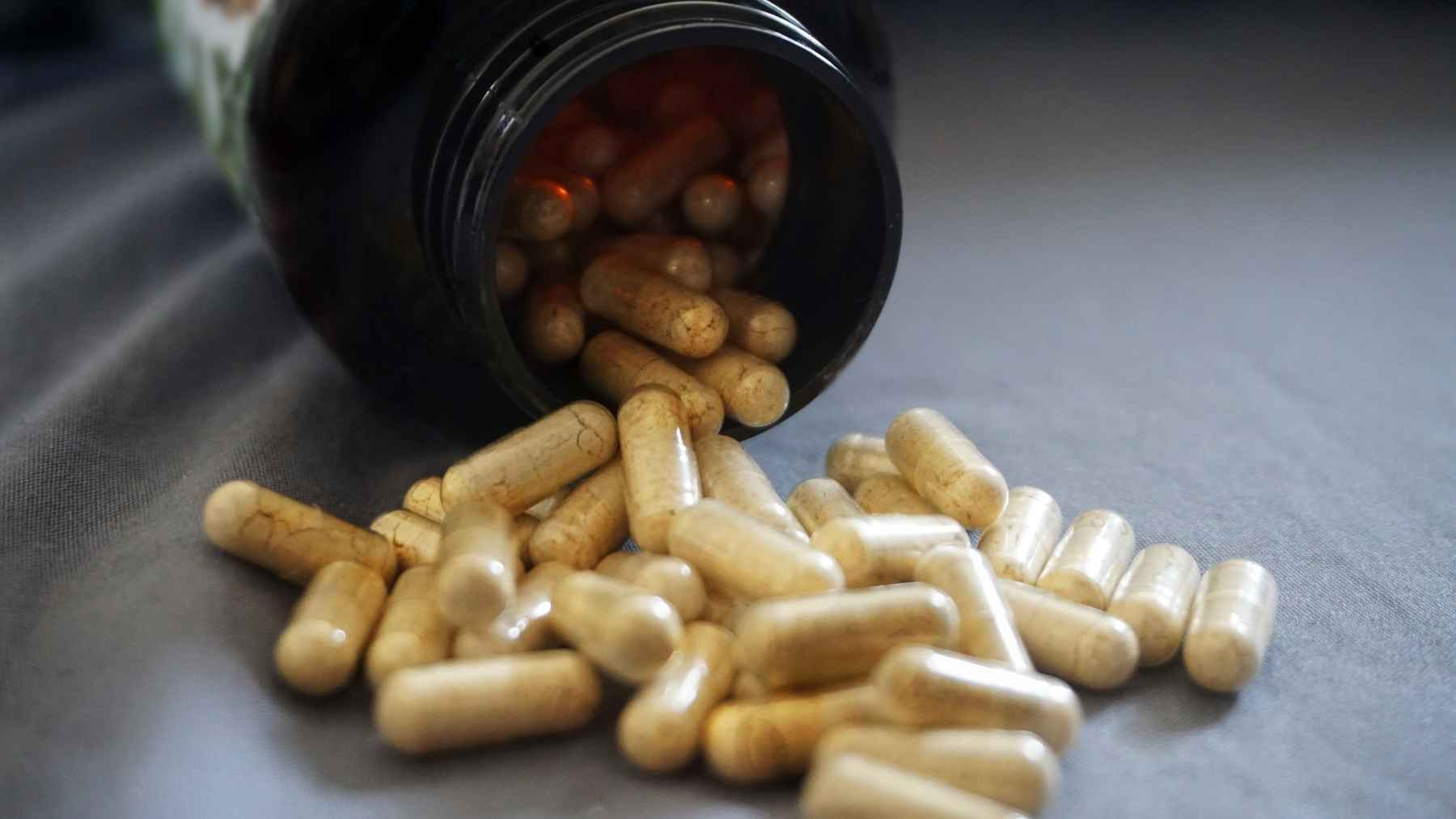
Supplements may have a supporting role, but they cannot replace training. The National Institutes of Health describes creatine monohydrate as the most widely used and studied form, with common maintenance intakes of 3 g to 5 g daily.
However, people taking medication or managing a health condition should discuss supplements with a clinician.
Strength sends the building order
Resistance exercise is the stimulus that tells the body to preserve and build muscle. Squats, presses, rows, resistance-band movements, and safely lifting loads can train large muscle groups without requiring a bodybuilding routine.
Federal guidance recommends muscle-strengthening activity on at least two days each week, with effort adjusted to fitness and health. The plate supplies the bricks, but training gives the building order.
That matters far beyond appearance. Stronger legs, hips, back, and arms can make it easier to rise from a chair, carry groceries, climb stairs, and remain independent as the years pass.
The official educational video has been published by Dr. Rodrigo Arteaga.