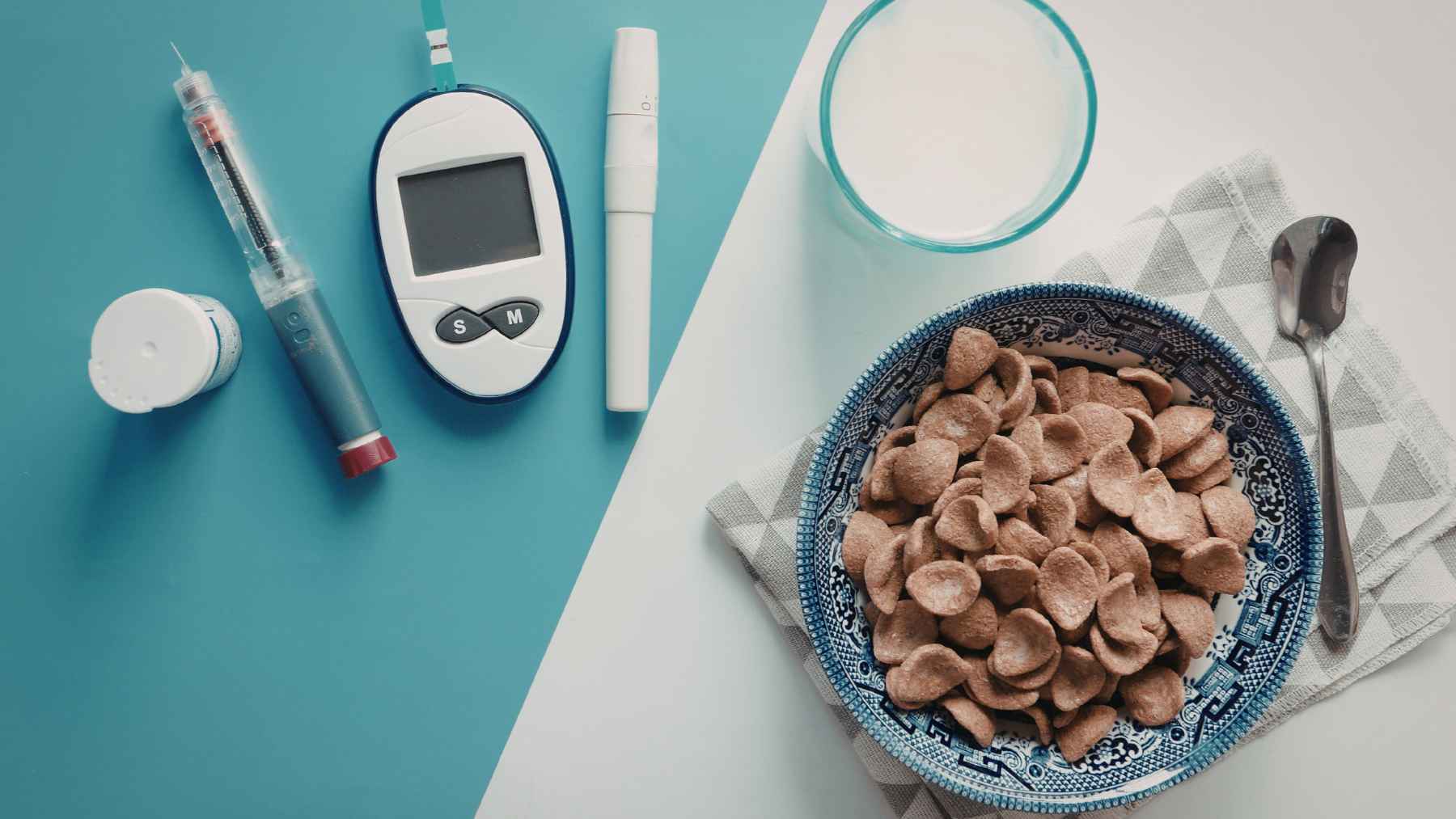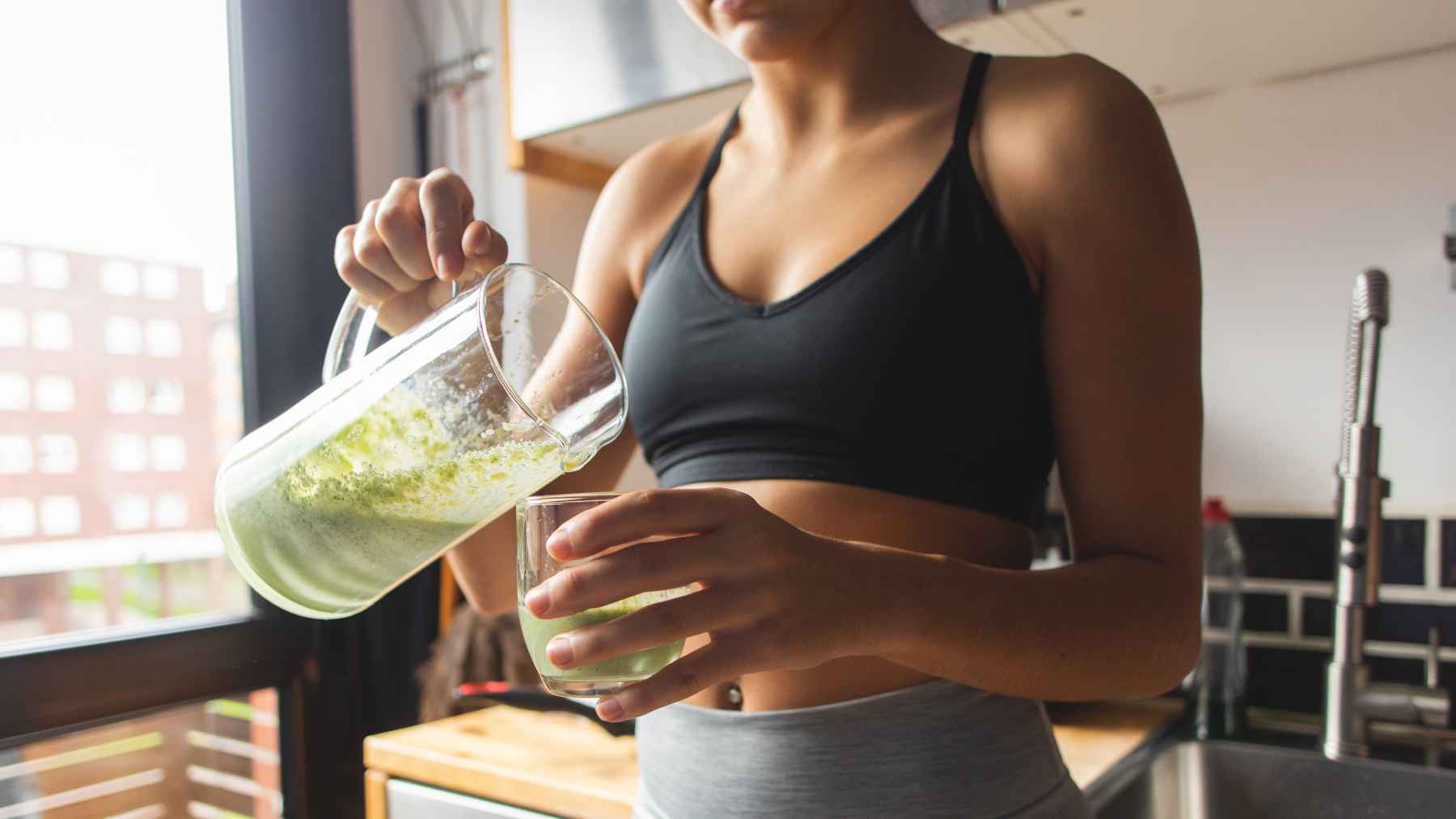
Reaching for a “detox” drink may sound like an easy way to clear fat from the liver. The reality is less dramatic. No morning beverage cleans the organ overnight, but the right choice can reduce added sugar, unnecessary calories, and sharp blood sugar swings.
For most people, the practical options are water, plain coffee, unsweetened tea, ginger infusion, chia water, and an unsweetened oat drink. Their value comes mainly from what they replace and how they fit into breakfast, not from any special effect created by drinking them on an empty stomach.
What fatty liver actually means
The common form linked to insulin resistance, excess weight, high triglycerides, or type 2 diabetes is now called metabolic dysfunction-associated steatotic liver disease, or MASLD. In simple terms, excess fat builds up inside liver cells, and some people later develop inflammation and scarring.
That is why the morning goal is not to “flush toxins.” It is to support a calorie-controlled eating pattern, improve hydration, and avoid drinks loaded with fructose or other added sugars.
The National Institute of Diabetes and Digestive and Kidney Diseases advises limiting sweetened soft drinks, sports drinks, sweetened tea, and juice for people with fatty liver.
Six morning drinks that make sense
Water is the simplest starting point because it hydrates without adding calories or sugar. A squeeze of lemon is fine when well tolerated, yet it does not turn water into a liver cleanse.
Plain coffee is one of the better-studied choices, provided it does not worsen jitteriness or acid reflux. Current European liver guidance notes that coffee has been associated with less liver damage and fewer liver-related complications in adults with MASLD, although it is not a treatment by itself.
Unsweetened green or black tea offers another low-calorie option. Ginger tea works for people who want something caffeine-free, while chia water may add fiber and help fullness. An unsweetened oat drink can accompany breakfast, but the label still matters because brands vary in calories and carbohydrates.
Tea research offers a cautious signal
A 2026 systematic review by Amogh Verma, Ranjana Sah, and Rachana Mehta examined 15 studies involving almost 1.4 million participants.
The overall pooled estimate did not prove a reliable reduction in fatty liver risk, although cohort and cross-sectional analyses suggested a possible benefit. The signal is interesting, yet tea should not be treated like medicine.
Tea contains polyphenols, plant compounds studied for antioxidant and anti-inflammatory effects. Even so, one unsweetened cup cannot cancel out excess alcohol, sugary foods, poor sleep, or a sedentary routine. That is where many “healthy drink” claims go off the rails.
Brewed tea should also be separated from concentrated green tea extract supplements. High-dose extracts have been linked to rare cases of liver injury, while ordinary brewed tea has a much longer record of use as a beverage.
Drinks that look healthy but may not help
Fruit juice is the obvious trap. Even homemade juice concentrates the fruit’s sugars and removes much of the fiber that slows eating and helps fullness, so whole fruit is usually more useful for someone managing weight, blood sugar, or triglycerides.
Commercial smoothies can carry the same problem when they contain large amounts of fruit, honey, dates, syrups, or sweetened yogurt. Bottled teas, energy drinks, flavored plant milks, kombucha, and “detox” preparations also deserve a label check because a health-focused package can still hide added sugar.
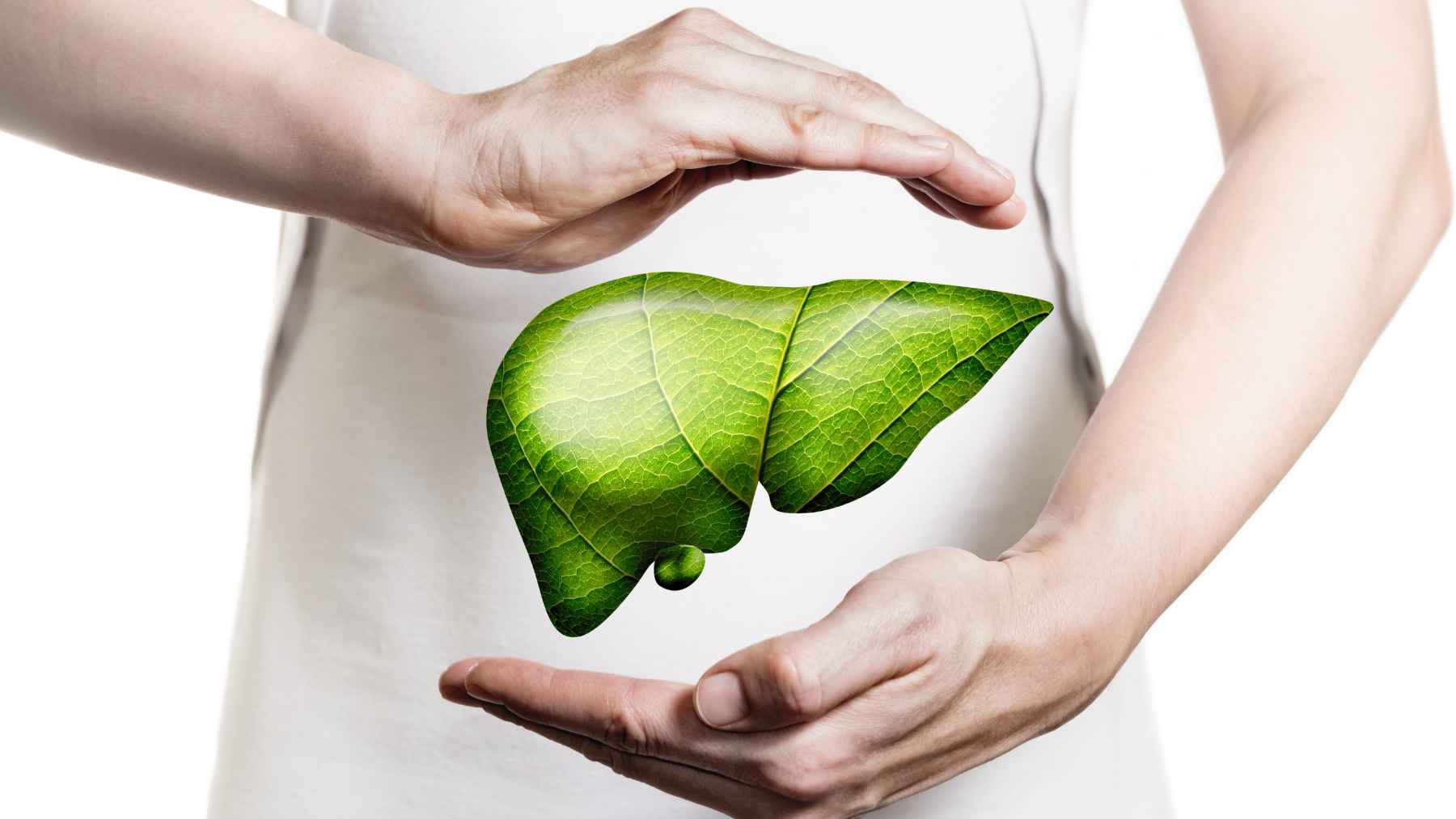
An illustration represents liver health and the importance of protecting the liver through healthy daily habits.
Morning habits matter more than the cup
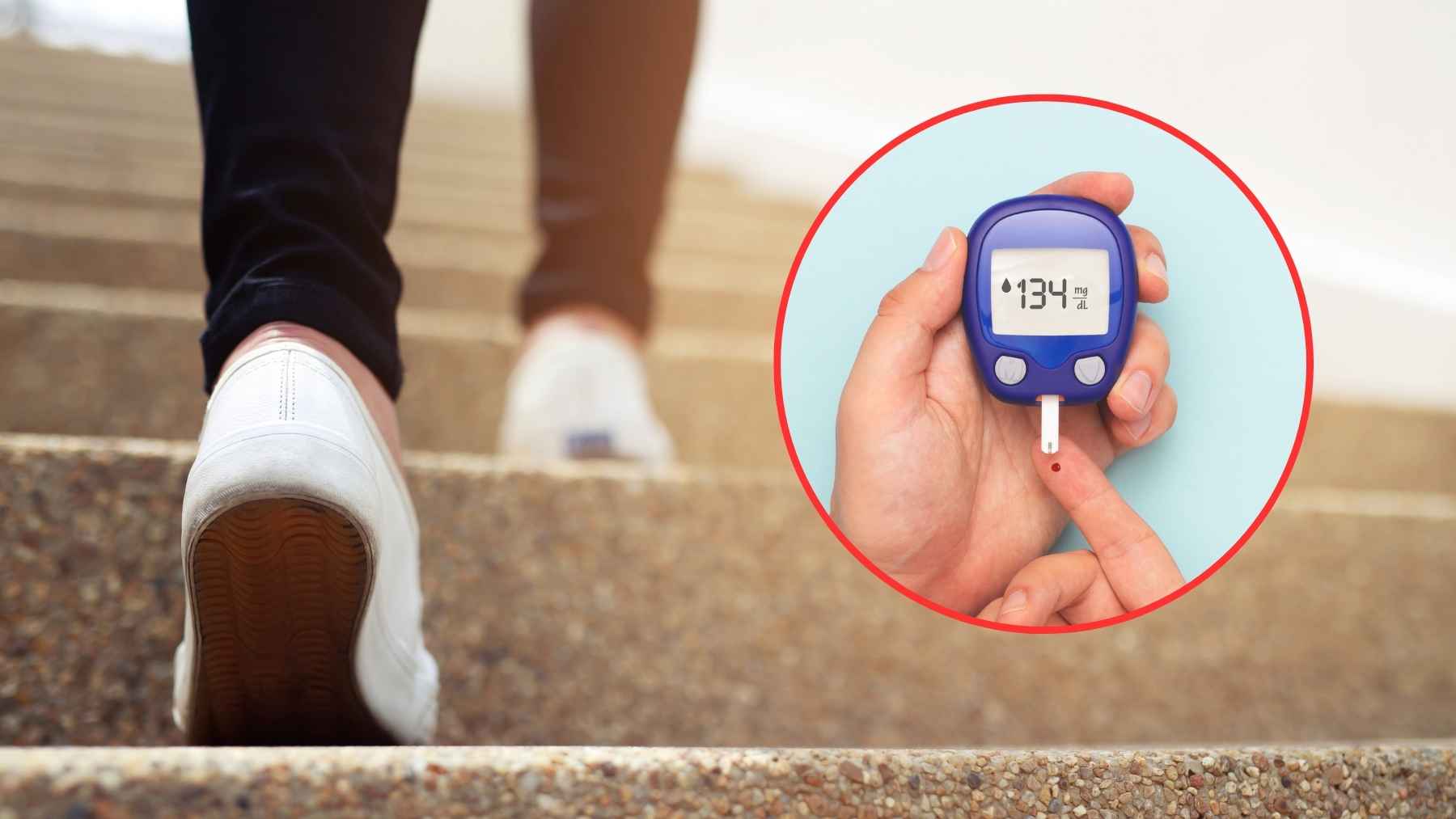
A brief walk for 10 to 20 minutes is a realistic way to begin building daily movement. It is not a magic dose, but regular exercise can reduce liver fat and improve metabolic health even when the scale moves slowly. Guidance commonly works toward at least 2.5 hours of moderate activity each week.
Breakfast also matters. Pairing a sugar-free drink with protein and fiber from eggs, plain yogurt, oatmeal, nuts, or whole fruit will usually be more filling than pastries or sweetened cereal. That can make the next few hours easier, especially when cravings normally arrive before lunch.
Sleep and the previous evening count too. A late heavy meal, regular alcohol use, and too little sleep can make weight and blood sugar harder to manage, so the liver does not experience each morning in isolation. The cup is only one piece of the routine.
A simple way to start the day
A practical pattern might be water after waking, followed by plain coffee or unsweetened tea, a short walk, and a breakfast built around protein, fiber, and minimally processed food.
Chia water, ginger tea, or an unsweetened oat drink can rotate in according to taste and digestive tolerance. Consistency beats novelty.
People with abnormal liver tests, diabetes, reflux, medication concerns, or a confirmed liver condition should discuss their routine with a health professional.
These drinks can support better choices, but they do not replace diagnosis, follow-up testing, prescribed treatment, or a broader plan for weight, diet, activity, and alcohol use.
The main study has been published in Health Science Reports.