A child asks “why” once, then asks it again. An adult may hear an interruption, especially when dinner is waiting or a meeting is already running late, but John Locke saw something more valuable in that restless curiosity.
The famous line about learning from a child’s questions is authentic, although the version shared online is often shortened. Locke was not simply praising childhood innocence. He was warning that polished adult speech can hide borrowed ideas and old prejudices.
What Locke actually wrote
In Section 121 of his 1693 work Some Thoughts Concerning Education, Locke wrote, “There is frequently more to be learned from the unexpected questions of a child than the discourses of men.” The popular paraphrase keeps that appealing thought, but it drops the sharper ending of his sentence.
In the full passage, Locke criticizes adults who follow familiar intellectual paths shaped by ideas they have inherited and biases absorbed through education. He also advises adults to answer children truthfully and directly, at a level they can understand, then allow those answers to lead into further questions.
Why curiosity mattered?
Locke’s view of childhood fits his wider philosophy of empiricism, the idea that knowledge is built largely through experience.
In An Essay Concerning Human Understanding, he rejected the claim that the mind begins life already stocked with ideas, arguing instead that the materials of knowledge arrive through sensation and reflection.
That does not mean he believed a child’s mind was weak or passive. The mind can compare, combine, and examine what experience provides. Seen through that framework, a child’s question is evidence of thought in motion, not just noise coming from the back seat.
Modern research follows the same path
Developmental research has reached a similar conclusion about question asking. A 2007 monograph by Michelle Chouinard, Paul Harris, and Michael Maratsos described questions as a powerful tool children use to collect information, learn about the world, and solve problems.
In one set of audio-recorded home conversations examined by the researchers, children asked more than 100 questions per hour on average. Around 71% were requests for information, while the children often continued asking when they did not receive a useful answer. Attention alone was not what they wanted.
More recent work on curiosity and early scientific thinking argues that curiosity-driven questions can motivate information seeking and help children connect new facts with what they already know. “Why” is not merely a verbal habit. It can be the first step in building an explanation.
How can adults use the lesson?
At home or in class, Locke’s advice begins with listening before answering. An adult can ask what the child already thinks, give a clear response, and admit when the answer is unknown. That small pause can reveal whether the child wants a name, a cause, a rule, or reassurance.
The same habit can help at work. Asking why a procedure exists, why a target was chosen, or why everyone assumes a problem has only one solution may uncover weaknesses that a long presentation misses.
Still, the point is not that every unexpected question is brilliant. It is that questions deserve examination before habit dismisses them.
There is also a lesson for education. Knowing more can make a person faster at answering, but speed is not always understanding. A patient teacher or parent can treat curiosity as a trail to follow rather than a door to close.
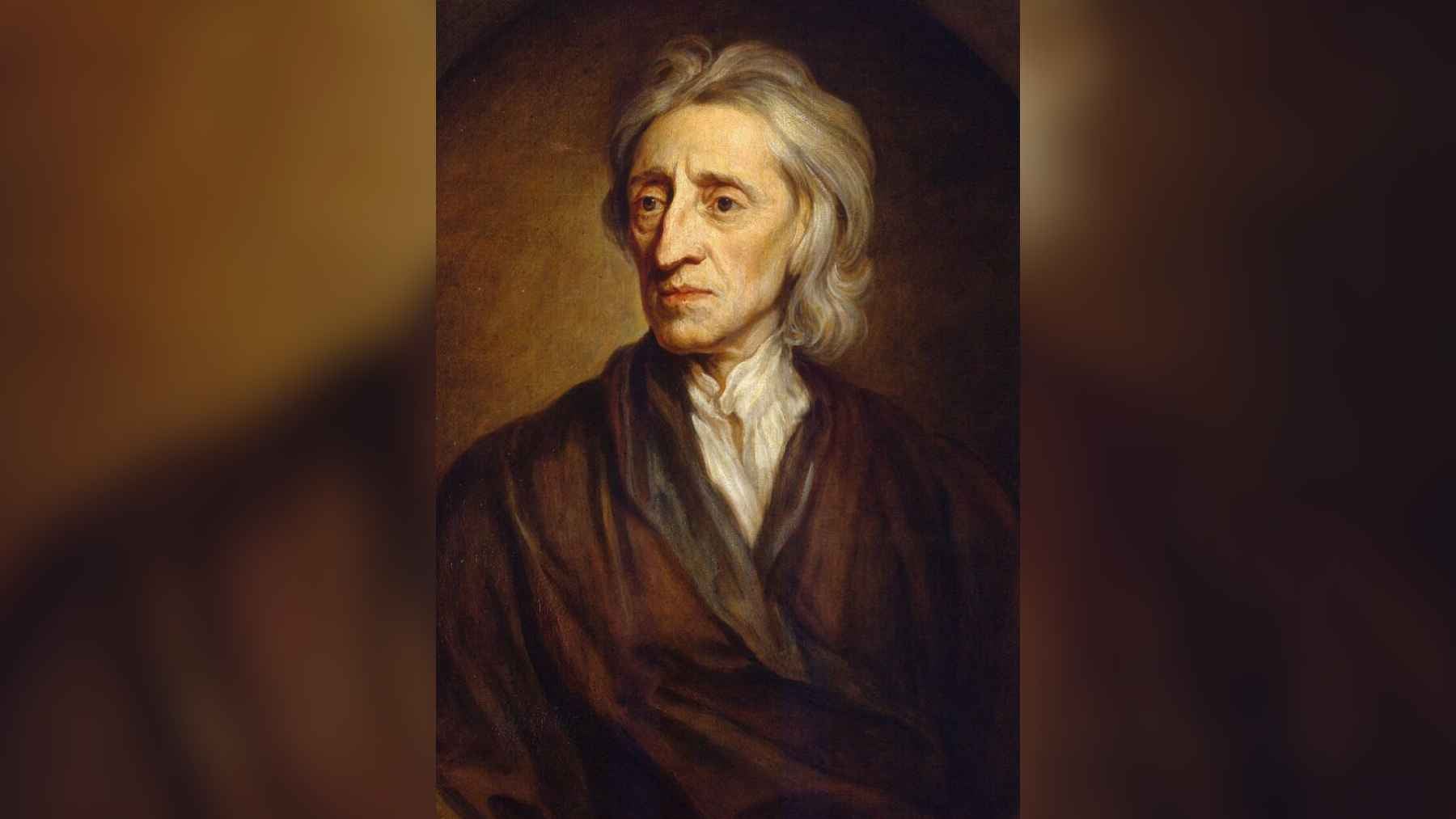
Who was John Locke?
John Locke was born in Wrington, Somerset, in 1632 and died in 1704. The English philosopher and medical researcher became one of the central figures of British empiricism, and his work helped shape later debates about learning, evidence, and the limits of human understanding.
His political influence was just as large. In Two Treatises of Government, Locke argued that legitimate power must respect natural rights, especially life, liberty, and property. Those ideas later influenced liberal thought and arguments against abusive government.
Education and politics may seem like separate subjects, but a common thread runs through both. Locke opposed authority that demanded acceptance without examination and urged people to use reason rather than simply inherit another person’s opinions.
A child’s unexpected question matters because it can interrupt that automatic acceptance and make an adult think again.
The original passage was published in John Locke’s Some Thoughts Concerning Education.