“Life is nothing but a continuous succession of opportunities to survive.” The sentence, widely attributed to Gabriel García Márquez, turns an ordinary word into a demanding idea. Survival is not presented as one dramatic victory, but as a series of chances to keep going.
That may explain why the reflection continues to move readers. It speaks to loss, change, failure, uncertainty, and the quiet effort required to begin again, while capturing themes that run through much of the Colombian writer’s work.
A simple line with a hard truth
At first glance, the quotation can sound bleak, but life is not only about surviving. Read more closely, and the sentence leaves room for something more hopeful because every difficulty also contains another possible opening.
Survival here is not limited to staying alive. It can mean adapting after a setback, protecting a memory, accepting change, or finding enough hope to take the next step. Sometimes that next step is the whole story.
Available references do not identify the original book, speech, or interview in which the wording appeared. That detail is worth noting because famous quotations often circulate without their first context, even when the idea fits an author’s broader body of work.
He learned to watch real life
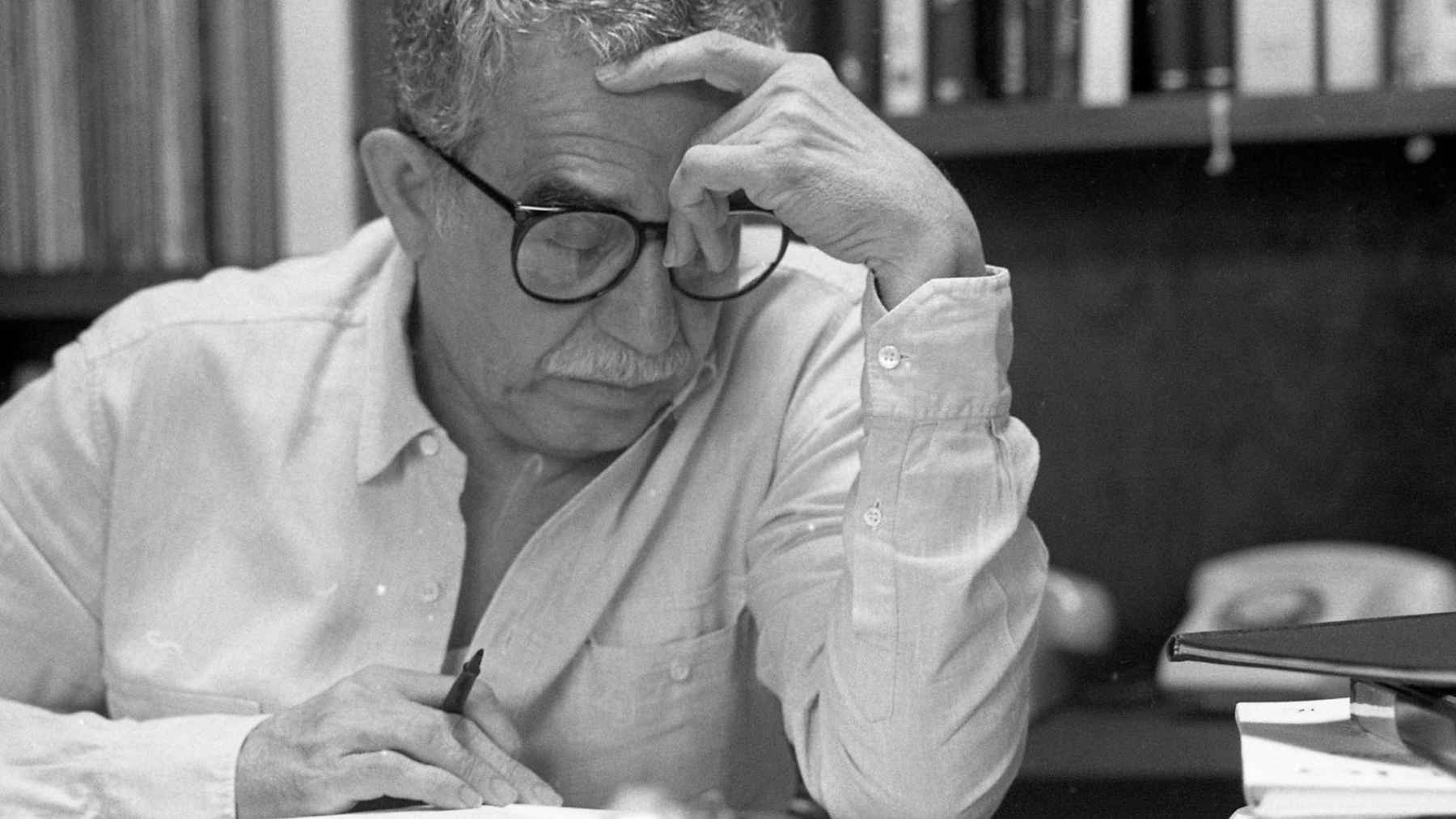
García Márquez lived from 1927 to 2014 and received the Nobel Prize in Literature in 1982. The Swedish Academy honored novels and short stories in which the fantastic and the realistic were combined to reflect the life and conflicts of a continent.
Long before he became one of the world’s best-known novelists, he worked as a journalist. That training taught him to watch people, listen for revealing details, and take everyday reality seriously, skills that later shaped the rhythm and precision of his fiction.
His style is often linked to magical realism, which means that extraordinary or impossible events are narrated as if they belong naturally beside ordinary life. The effect is not fantasy for its own sake. It allows private grief, public violence, family memory, and political history to occupy the same page.
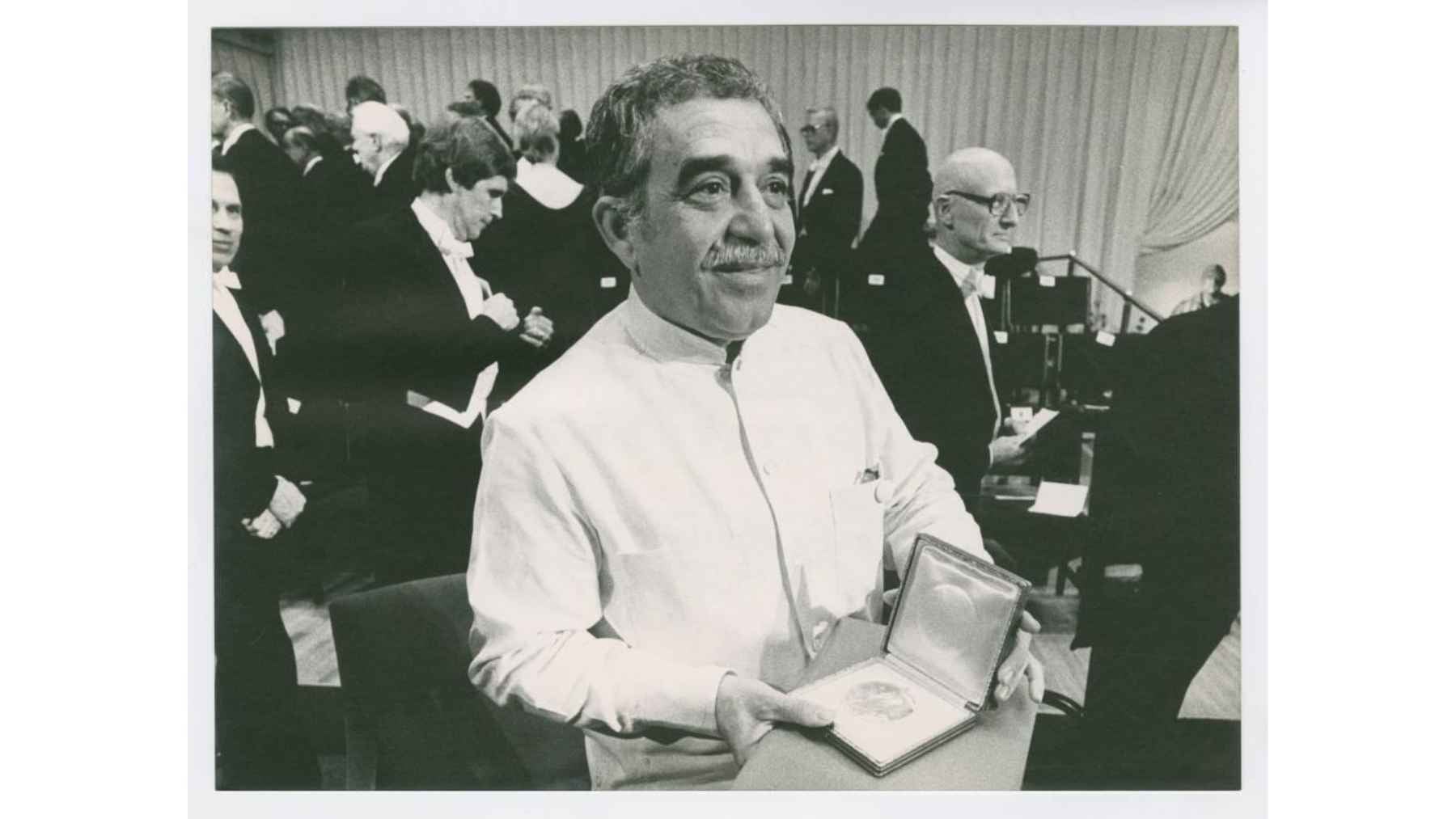
Gabriel García Márquez at the Nobel Prize ceremony in 1982, where the Colombian author received the Nobel Prize in Literature.
Resilience runs through the fiction
Books such as “One Hundred Years of Solitude,” “Love in the Time of Cholera,” and “Chronicle of a Death Foretold” approach human experience from different directions. Love, loneliness, memory, violence, hope, and the passage of time repeatedly shape the choices made by their characters.
Those characters rarely receive easy lives or clean endings. They wait, lose people, carry old wounds, repeat mistakes, and still search for a way forward. The drama often lies less in defeating hardship than in learning how to live beside it.
That is where the survival quotation gains its force. It does not promise that suffering will disappear or that every opportunity will lead to success. Instead, it suggests that human beings can continue remaking themselves, even when circumstances narrow their options.
A Latin American perspective
The reflection also fits the historical and social world behind much of the author’s writing. His body of work connects his vision to a Latin America shaped by conflict, inequality, political upheaval, and deep social change.
In that setting, survival is both personal and collective. A family may endure through memory, a community through solidarity, and an individual through love or stubborn hope. These are not polished solutions, but they are recognizable ways people hold their lives together.
For the most part, his stories avoid turning resilience into a cheerful slogan. Endurance can be exhausting, unfair, and lonely. But it can also preserve dignity when the world offers very little certainty.
Why readers still return to it
Modern readers do not need to share his characters’ worlds to understand the feeling. A job loss, an illness, a broken relationship, or a sudden move can divide life into a before and an after. Then comes the same practical question his sentence raises. What can be done with the next opportunity?
The answer will differ for everyone. For one person, survival may mean asking for help. For another, it may mean changing direction, keeping a promise, or getting through an ordinary Tuesday when everything feels heavier than usual.
That is why the line still resonates decades later. It recognizes hardship without making despair the final word, and it treats hope not as a grand speech but as repeated action.
The biographical record on Gabriel García Márquez has been published by the Nobel Prize.