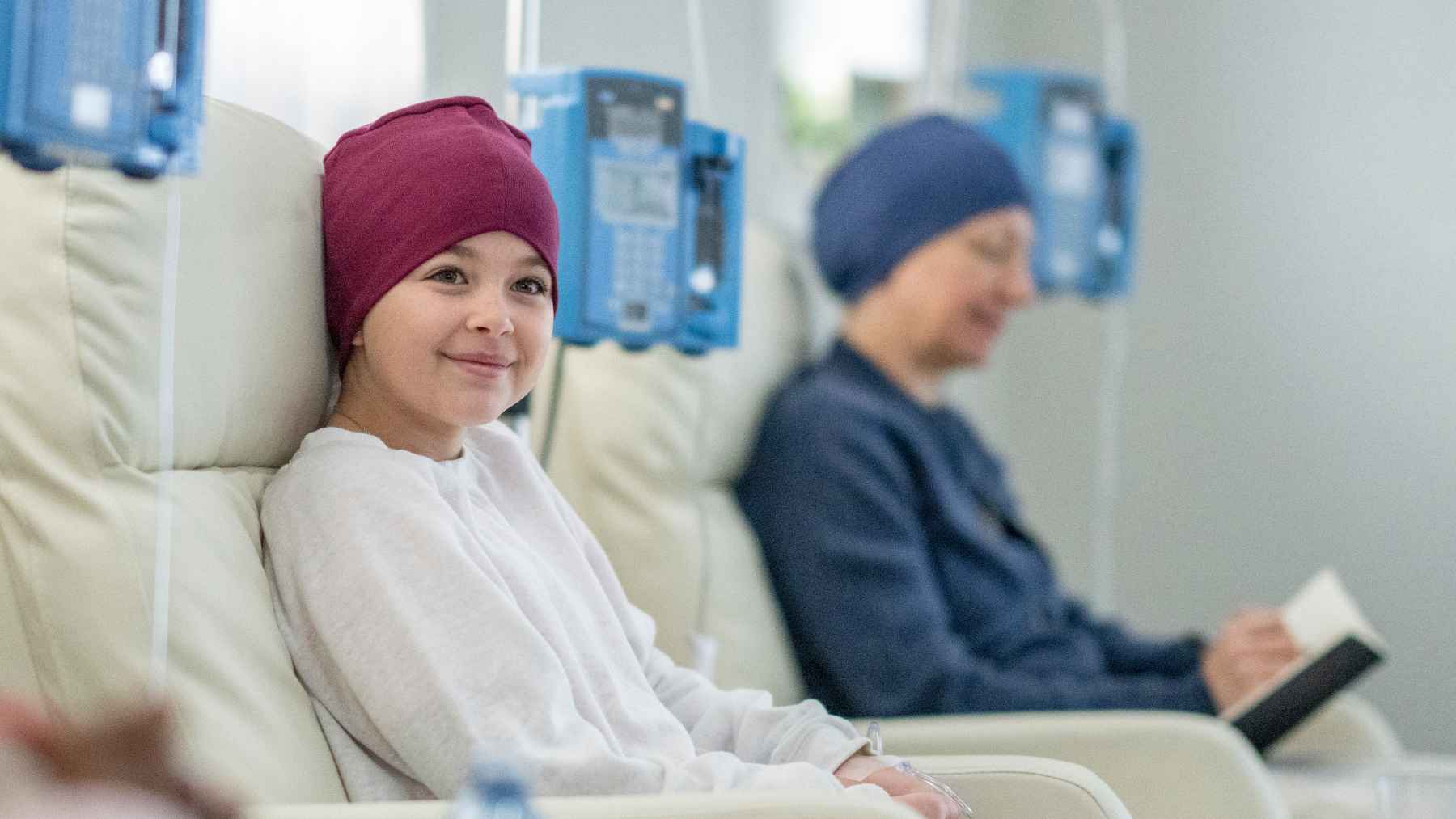
Childhood cancer is now curable for more than four out of five children in high-income countries. That progress has not reached much of the world, though, where patients may never receive a correct diagnosis, essential drugs, or care from a trained team.
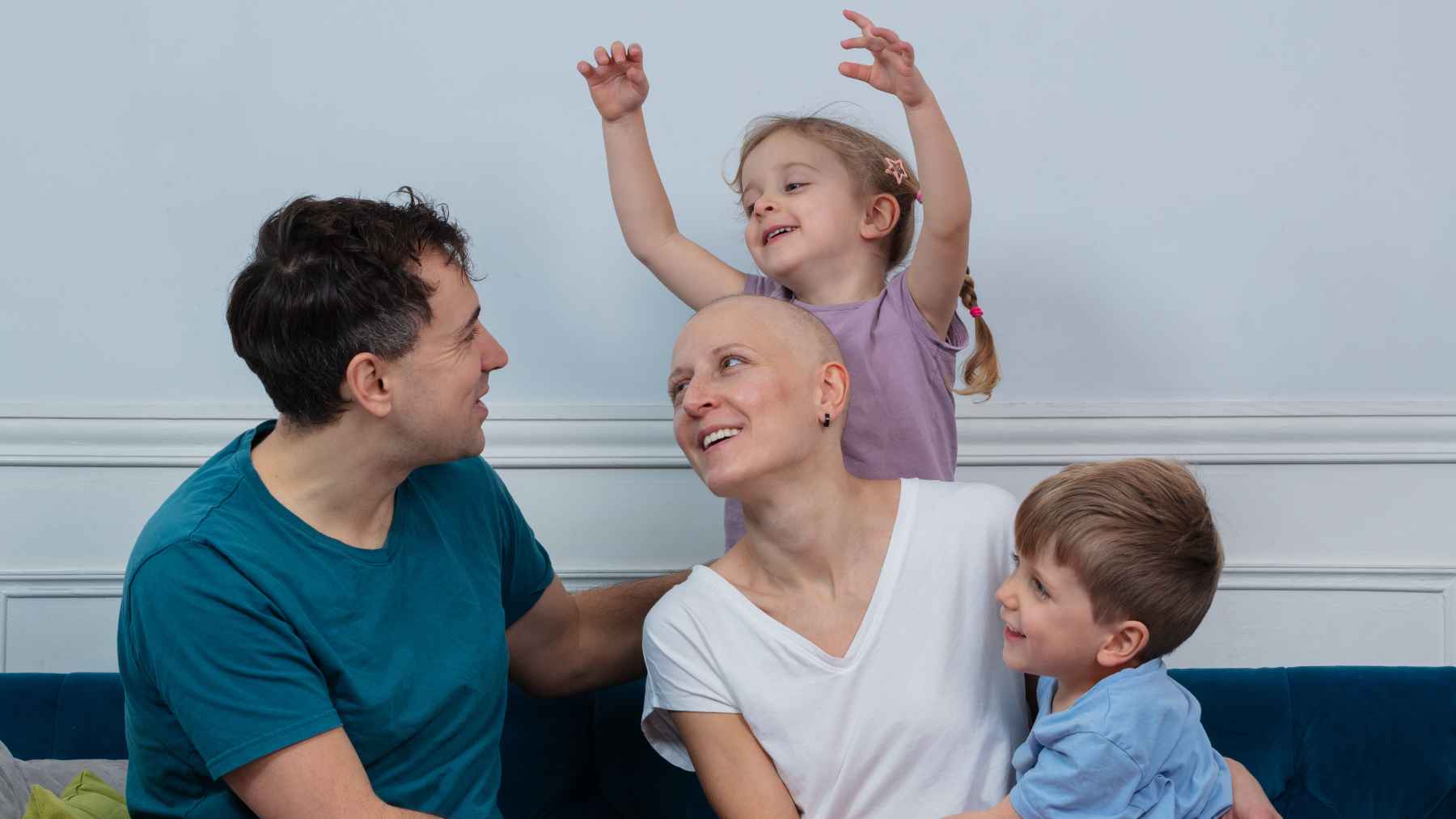
During a recent Madrid visit hosted by Fundación Aladina, Carlos Rodríguez-Galindo described the gap he has spent more than three decades trying to close. The Spanish-born pediatric oncologist warned that the crisis reaches far beyond the hospital bed because, as he puts it, “when a child develops cancer, the whole family gets sick.”
The 200,000 children behind the warning
The headline figure needs context. It does not mean one doctor personally treats 200,000 patients. It refers to an estimated 200,000 children each year who may never be properly diagnosed, even though roughly 400,000 develop cancer worldwide.
The survival gap is stark. More than 80% of children are cured where comprehensive services are widely available, while fewer than 30% survive in many lower-income settings. Geography can become as decisive as the tumor itself.
Why does that happen? Delayed diagnosis, unavailable therapy, treatment abandonment, dangerous side effects, and relapse all contribute to avoidable deaths. In practical terms, a curable leukemia can become fatal because a laboratory, antibiotic, nurse, or hospital bed is missing.
From one year abroad to a global mission
Born in Reus, Spain, in 1962, he grew up in a family of doctors and chose pediatrics before a cancer rotation set his direction. He left Spain for what was supposed to be one year of specialist training, then built a career at St. Jude Children’s Research Hospital, Harvard University, Dana-Farber Cancer Institute, and Boston Children’s Hospital.
Today, he is an executive vice president, chair of Global Pediatric Medicine, and director of the hospital’s international program. The Global Alliance lists more than 400 member institutions, and he described a broader network working across about 100 countries.
The strategy is not to fly every child to Memphis. Teams build registries, train clinicians, share treatment guidelines, and shape plans around what each hospital can safely provide. When local care is impossible, they help arrange an evacuation.
Why children’s cancer needs its own specialists
Pediatric oncology is the branch of medicine that treats cancer in babies, children, and teenagers. Childhood tumors are biologically different from most adult cancers, and therapy must work inside a body and brain that are still developing.
That is why the physician argues that training “cannot be left to chance.” A specialist must understand cancer drugs, genetics, pain control, palliative care, and the delicate work of explaining life-changing decisions to parents.
A child cannot manage appointments, insurance, or a sudden fever alone. Parents may miss work, siblings lose routines, and ordinary family life starts revolving around test results. The patient is one person, but the shock wave moves through the whole household.
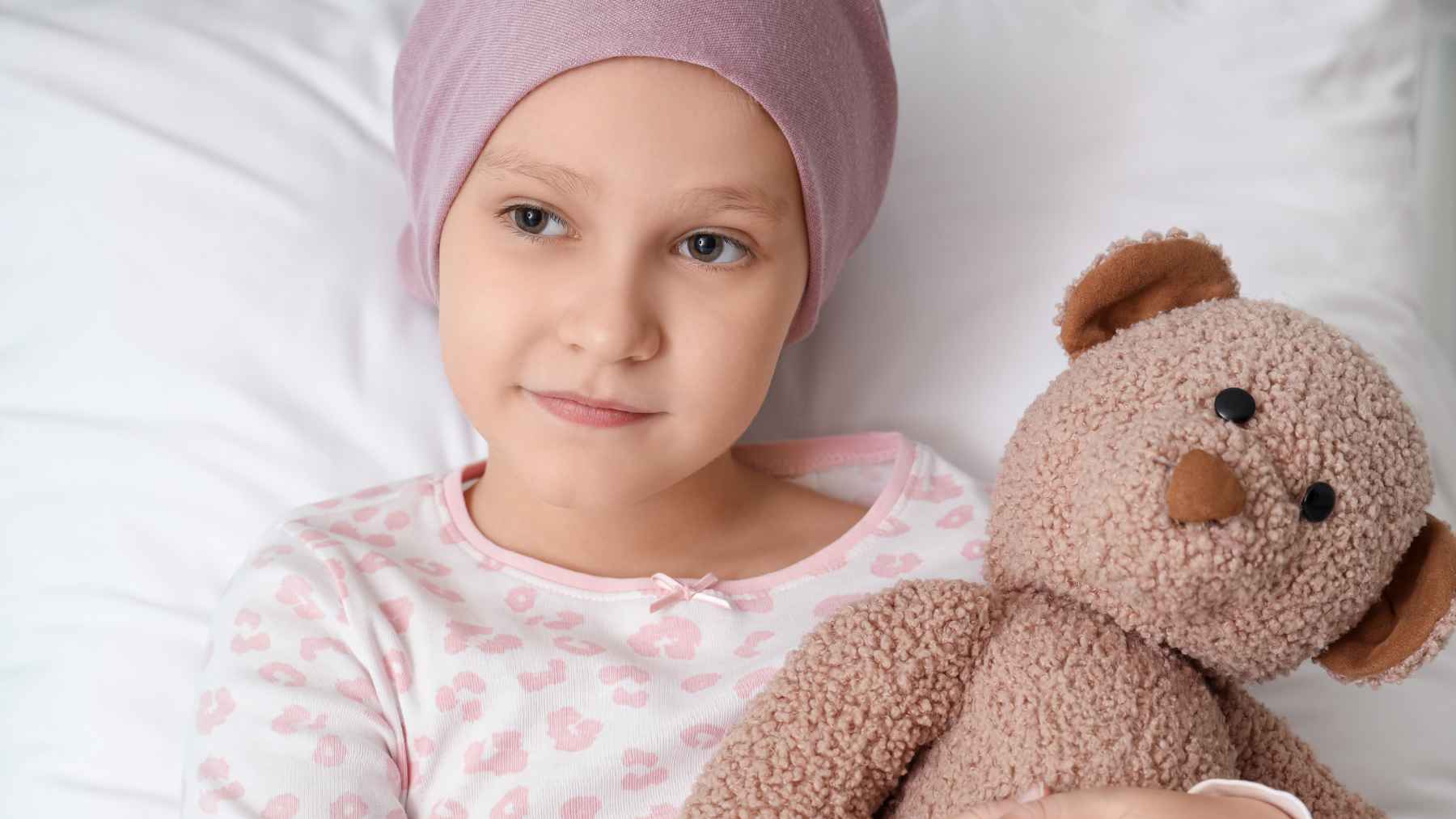
A child undergoing cancer treatment holds a teddy bear, reflecting the importance of specialized pediatric oncology care and family support.
When war breaks the treatment chain
Cancer care depends on continuity. Chemotherapy, blood products, scans, and infection treatment often have to arrive on schedule, which means a war can break the chain in days.
In the interview, he said the network had helped coordinate the transfer of more than 1,400 Ukrainian children with cancer to European countries, including Spain. He also said teams were supporting patients from Gaza who had been received by Spain and Italy.
The hospital does not run ambulances or deploy field units. Its role is to connect pediatric oncologists, governments, receiving hospitals, and travel logistics so treatment can restart. It is quiet work, but a missed transfer can mean a missed chance.
Getting medicines where they are needed
One practical response is a medicine-access platform created with the World Health Organization and supported by UNICEF. It aims to provide quality-assured cancer drugs to about 120,000 children in lower-resource countries, backed by a $200 million commitment over six years.
“Quality-assured” simply means the drugs have been checked against recognized safety and manufacturing standards. An adapted protocol does not mean improvising either, it means choosing the safest evidence-based plan a hospital can realistically deliver.
A treatment guide cannot replace functioning labs, nurses, antibiotics, or a reliable supply chain, but it can stop scarcity from turning into chaos, giving local teams a common route forward. Sometimes, that first workable route is what keeps a child in care.
Cure is not the finish line
The oncologist remains optimistic that new therapies will keep improving survival, but he says the next challenge is caring properly for survivors. Beating the tumor may end treatment, yet it does not always end the medical story.
The National Cancer Institute reports that 60% to more than 90% of survivors develop at least one chronic health condition. So-called late effects can involve the heart, lungs, growth, learning, mood, fertility, or the risk of another cancer years later.
That leaves pediatric cancer medicine with a double duty. It must reach children before a treatable disease becomes fatal, then stay with them as they grow into adults. The science has moved forward, but access and lifelong care now have to catch up.
The original interview by Nuria Ramírez de Castro was published by ABC.