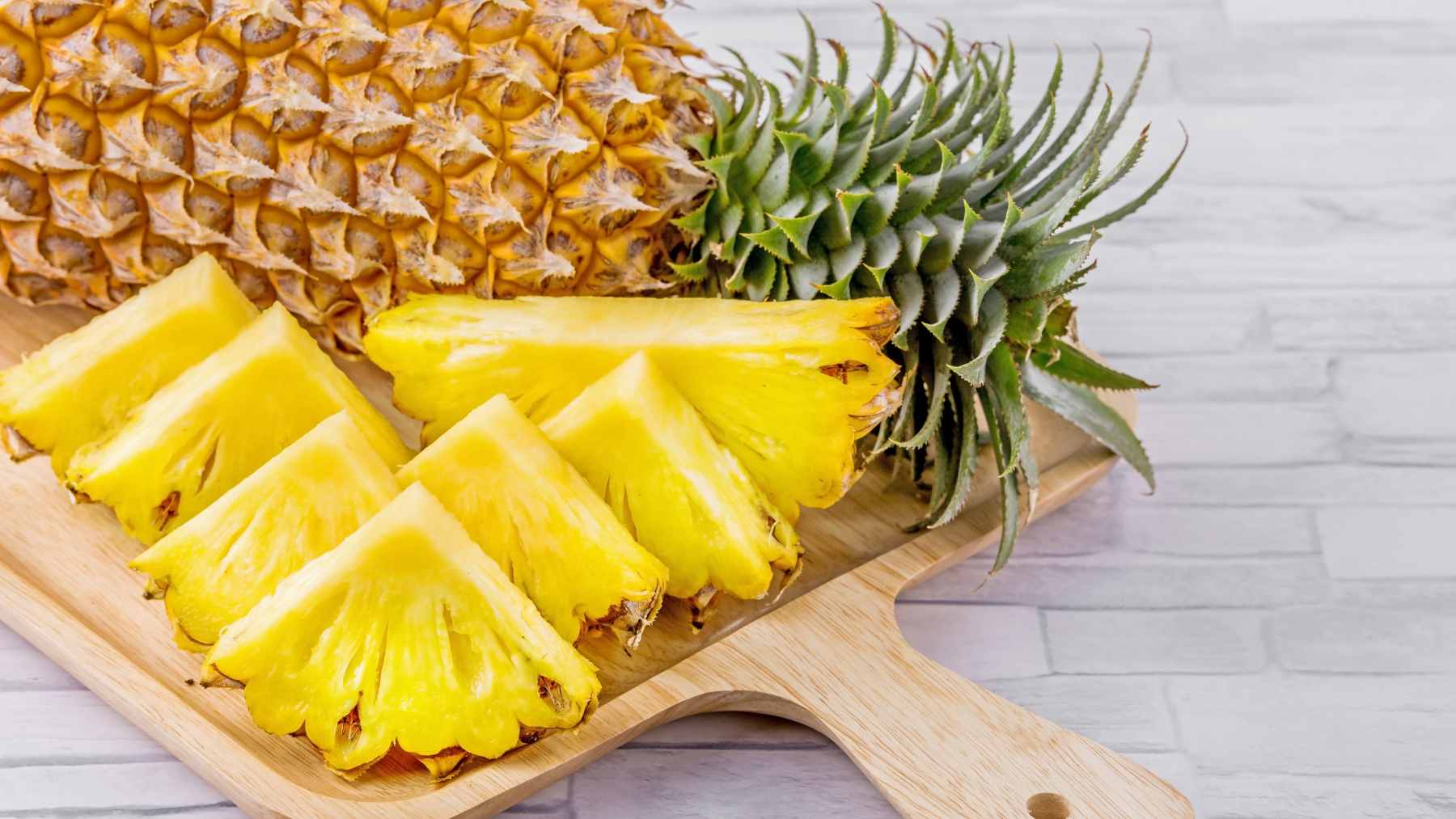
Pineapple is often treated as a snack or a bright finish to dinner, but timing may matter when digestion is the goal. Registered dietitian Amy Brownstein wrote, “The best time to eat pineapple for digestion is with or around mealtime,” especially when the meal includes protein.
The reason is bromelain, a natural group of enzymes in pineapple that can cut large protein molecules into smaller pieces. So should pineapple become a required dessert? Not quite, because it is not a treatment for chronic bloating, reflux, or other digestive disease, and research on ordinary portions of the fruit remains limited.
Why meals may matter
Bromelain works a little like tiny kitchen scissors. When pineapple is eaten with chicken, fish, eggs, yogurt, tofu, or another protein-rich food, the enzyme is present at roughly the same time as the protein it can help break apart.
That makes eating it during a meal or shortly afterward a practical choice. The available guidance does not establish a precise window, such as 10 or 30 minutes after eating, and the body already produces its own digestive enzymes.
What bromelain does
A 2024 review whose first author was Urna Kansakar, a researcher at Albert Einstein College of Medicine, described bromelain as a mixture of protein-digesting enzymes found in pineapple fruit and stems. The stem contains the highest concentration, but the edible flesh also contains active enzymes.
By splitting protein into smaller peptides and amino acids, bromelain may make those nutrients easier to process. The same action explains why bromelain is used as a meat tenderizer.
Pineapple by the cup
According to USDA nutrition data, one cup of pineapple chunks weighs about 5.8 oz. and provides roughly 82 calories. It contains about 22 grams of carbohydrates, 2 grams of fiber, 16 grams of naturally occurring sugar, and 1 gram of protein.
That fiber supports normal bowel function, while the fruit also supplies vitamin C. In everyday terms, a cup offers sweetness and nutrients with almost no fat, though portion size still matters within the rest of the meal.
Fresh and canned are different
Fresh, frozen, and canned pineapple can all add fruit to a meal. For canned fruit, choosing pieces packed in 100% juice rather than heavy syrup can reduce added sugar, which the Food and Drug Administration recommends limiting as part of an overall healthy diet.
There is one important catch. If active bromelain is the main reason you are eating pineapple, fresh fruit is the clearest choice because heat reduces enzyme activity, and a thermal study found that bromelain in pineapple juice became less active as processing temperatures rose.
What the evidence really shows
Bromelain has a long history of use for indigestion, bloating, and heartburn, and laboratory research suggests it can influence inflammation. Yet much of the medical literature involves concentrated supplements, cells, or animals rather than people eating a few pineapple chunks after dinner.
Memorial Sloan Kettering Cancer Center notes that bromelain is sometimes taken to support digestion and absorption, but human studies are lacking, so claims about major digestive benefits should remain cautious. Useful, perhaps, but not a cure.
When pineapple can backfire
Pineapple can leave some mouths feeling tender or tingly. People with canker sores may find it irritating, while those with acid reflux should pay attention to their own triggers because acidic foods can worsen symptoms for some people, according to the National Institute of Diabetes and Digestive and Kidney Diseases.
A burning mouth or a flare of heartburn is not proof that the fruit is “working.” Smaller portions, eating it with other food, or skipping it during a symptom flare may be more comfortable, while anyone with an active ulcer or persistent upper abdominal pain should seek medical advice instead of using pineapple as a remedy.
Who should be cautious
Anyone with a pineapple or bromelain allergy should avoid it. Reactions can include itching, hives, swelling, or, rarely, a severe allergic response, and the American Academy of Allergy, Asthma and Immunology identifies bromelain as a major pineapple allergen.
People taking warfarin or other blood thinners should also speak with a clinician before using concentrated bromelain supplements. The bleeding concern is based mainly on laboratory and preclinical evidence, but it is important enough that medical specialists advise caution.
A simple way to eat it
For most healthy people, a modest serving with lunch or dinner is a reasonable place to start. Try fresh chunks beside grilled chicken, stirred into plain yogurt, or added to a salsa for fish or beans, then notice whether the meal feels comfortable rather than chasing a perfect clock time.
Choose a fresh pineapple that feels heavy and smells lightly sweet near the base. Skip fruit with mold, very soft areas, or a fermented odor, and refrigerate cut pineapple promptly.
The expert guidance was published by Verywell Health.