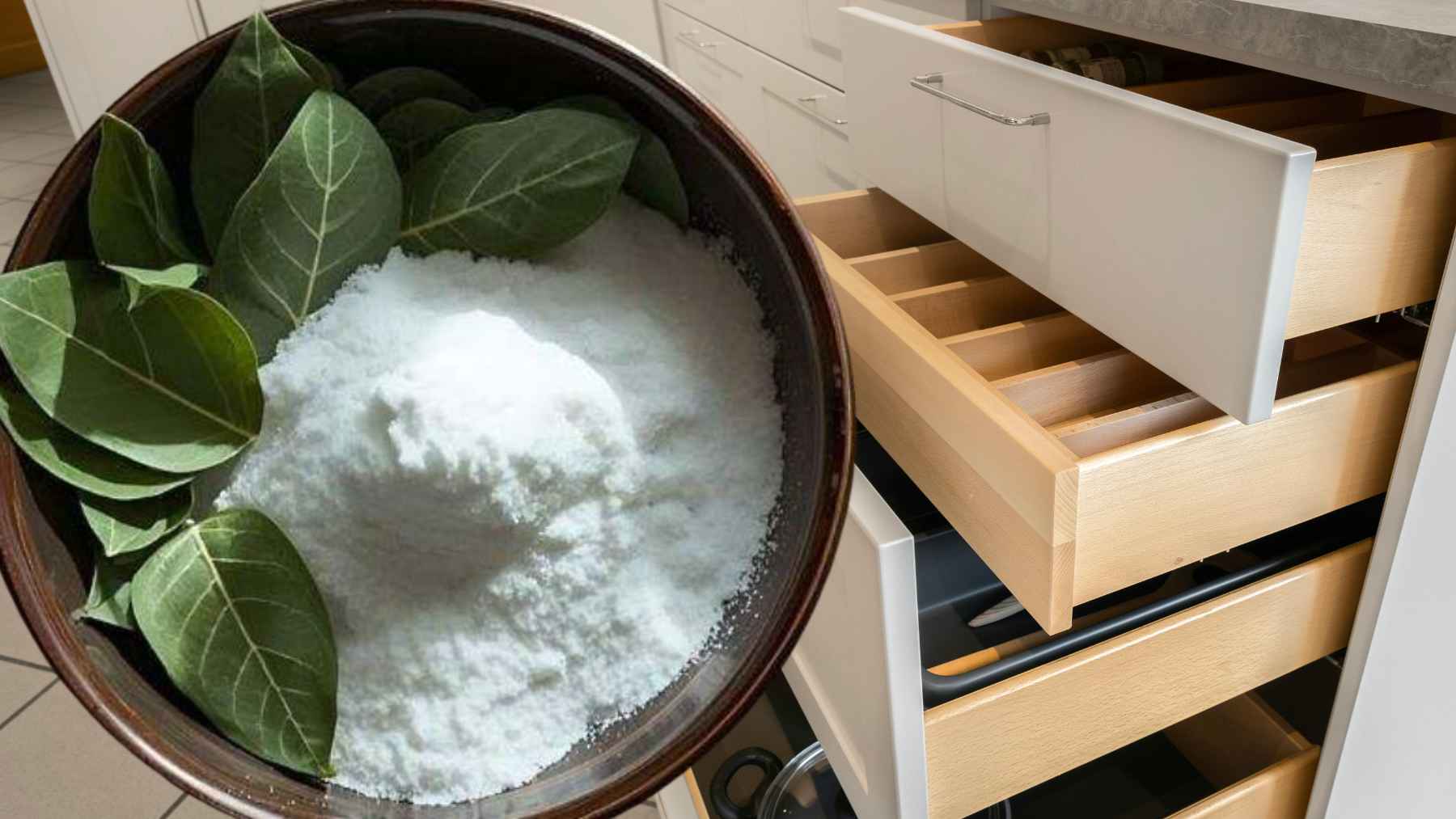
Open a closet, drawer, or refrigerator after it has been shut for a while, and the stale smell can hit fast. A low-cost mix of dried bay leaves and baking soda may help soften those everyday odors without adding a heavy commercial fragrance.
Its main benefit is simple deodorizing, not germ control. The household recipe uses five dried bay leaves and two teaspoons of baking soda, but claims that it can eradicate bacteria, fungi, or serious mold go beyond the available evidence.
What the mixture can do
So what can this two-ingredient trick realistically do? Baking soda can interact with some acidic and basic odor compounds instead of merely covering them with perfume, while crushed bay leaves add a warm herbal scent. The combination may make a musty drawer or the refrigerator shelf near last night’s onions smell more pleasant.
A 2015 laboratory experiment offers some useful context. About 2 oz. of baking soda spread in the bottom of a 2-gallon food-waste bin reduced measured odor by roughly 70%, although that test did not include bay leaves and does not guarantee the same result in every home.
The U.S. Department of Agriculture also recommends placing baking soda in a shallow container inside a refrigerator or freezer when stubborn odors linger. That is a practical clue about where this mixture is most likely to help, especially in spaces with limited airflow.
Why baking soda helps
Baking soda is sodium bicarbonate, a mild alkaline substance that can shift some smelly compounds toward a less noticeable chemical state. In effect, it may reduce the source of certain odors rather than simply layering another scent on top.
It can also work as a gentle scouring powder because its grains are mildly abrasive. That makes it useful for light grime on many durable, nonporous surfaces, but “gentle” does not mean safe for every finish, so test a hidden spot first and rinse the area after wiping.
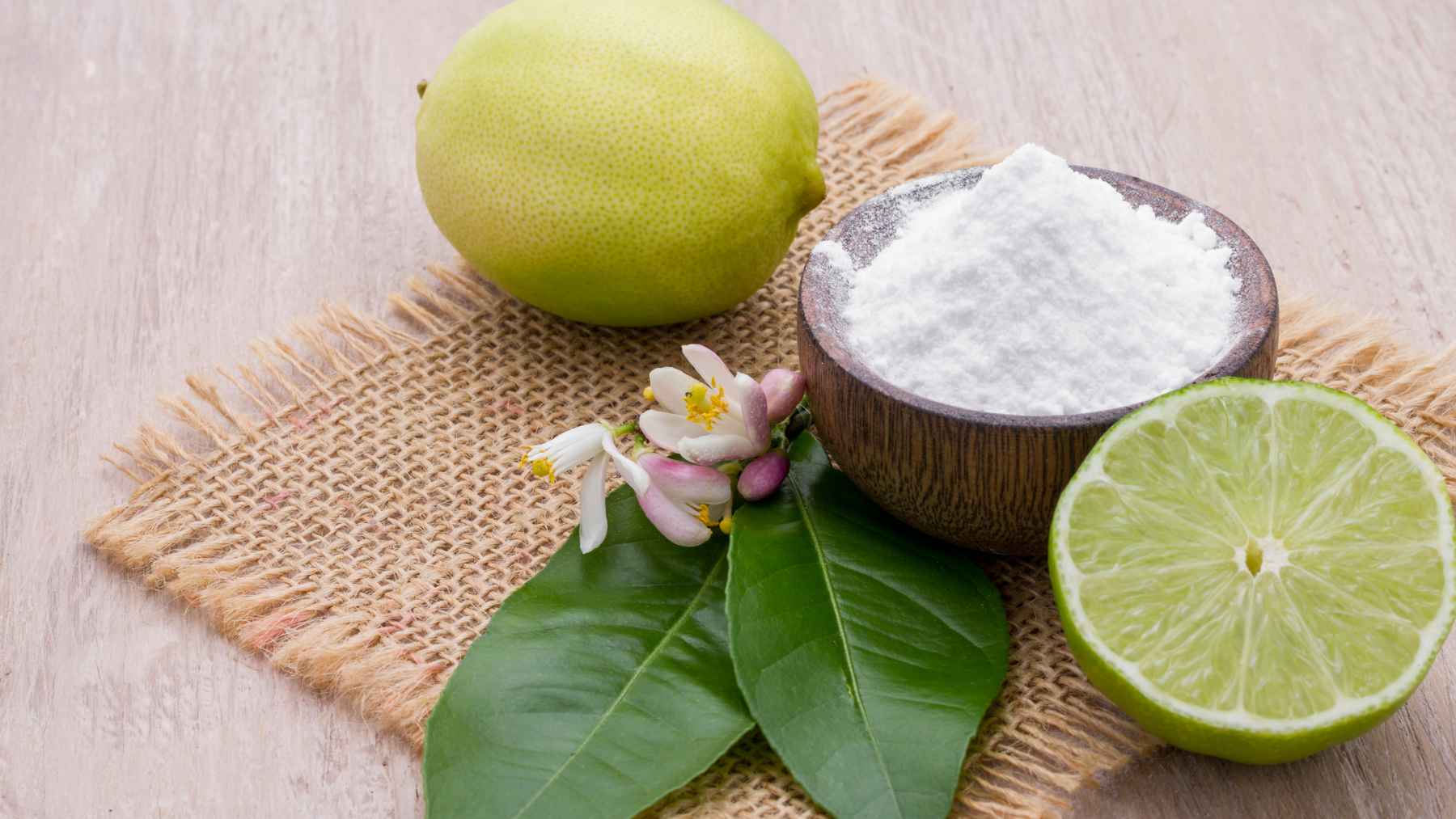
A simple blend of dried bay leaves and baking soda can help reduce everyday household odors, though it is not a disinfectant.
What bay leaves add
Bay leaves contain volatile compounds that create their familiar aroma. Crushing the dried leaves exposes more surface area, allowing that scent to escape more readily into a cloth sachet or small open container.
A 2019 study led by Hafize Fidan of the University of Food Technologies found that concentrated bay laurel essential oil inhibited several bacteria and yeasts under laboratory conditions.
The researchers extracted only about three parts of leaf oil from every 100 parts of plant material, which helps explain why a few dried leaves should not be treated like a tested disinfectant.
The difference matters. Evidence for distilled essential oil in a lab does not prove that chopped leaves mixed with baking soda will kill microbes on a countertop, inside a refrigerator, or in the air.
How to prepare it
Start by drying five bay leaves completely, then crush or finely chop them. Mix the pieces with two level teaspoons of baking soda, making sure no damp leaf material remains that could turn the sachet into another source of mustiness.
For a drawer, closet, or refrigerator, place about one teaspoon of the blend in a small breathable cloth bag. Keep it away from uncovered food, discard it if it becomes damp or clumpy, and refresh it when the herbal scent has faded.
For light cleaning, sprinkle a small amount on a durable hard surface and rub gently with a damp cloth. Rinse and dry afterward, and avoid using the mixture as a sanitizer for cutting boards, utensils, or surfaces contaminated by raw meat.
Where the limits begin
The Centers for Disease Control and Prevention draws a clear line between “cleaning” and “disinfecting.” Soap, water, and scrubbing remove dirt and many germs, while a disinfectant is designed to kill remaining germs, particularly when someone in the home is sick.
This homemade blend is not registered as a disinfectant by the Environmental Protection Agency, and it should not replace a verified germ-killing product when one is needed. Federal guidance specifically warns that baking soda should not be relied on for disinfection against common disease-causing bacteria.
Visible mold, a damp cabinet, or an odor that keeps returning points to a bigger problem. Moisture control is the real fix, which means finding leaks, drying wet materials, improving airflow, and cleaning affected surfaces rather than trying to perfume the warning sign away. Used for what it actually does, the mix is a simple deodorizer, not a cure-all.
The main research on bay laurel oil discussed in this article was published in the journal Molecules.