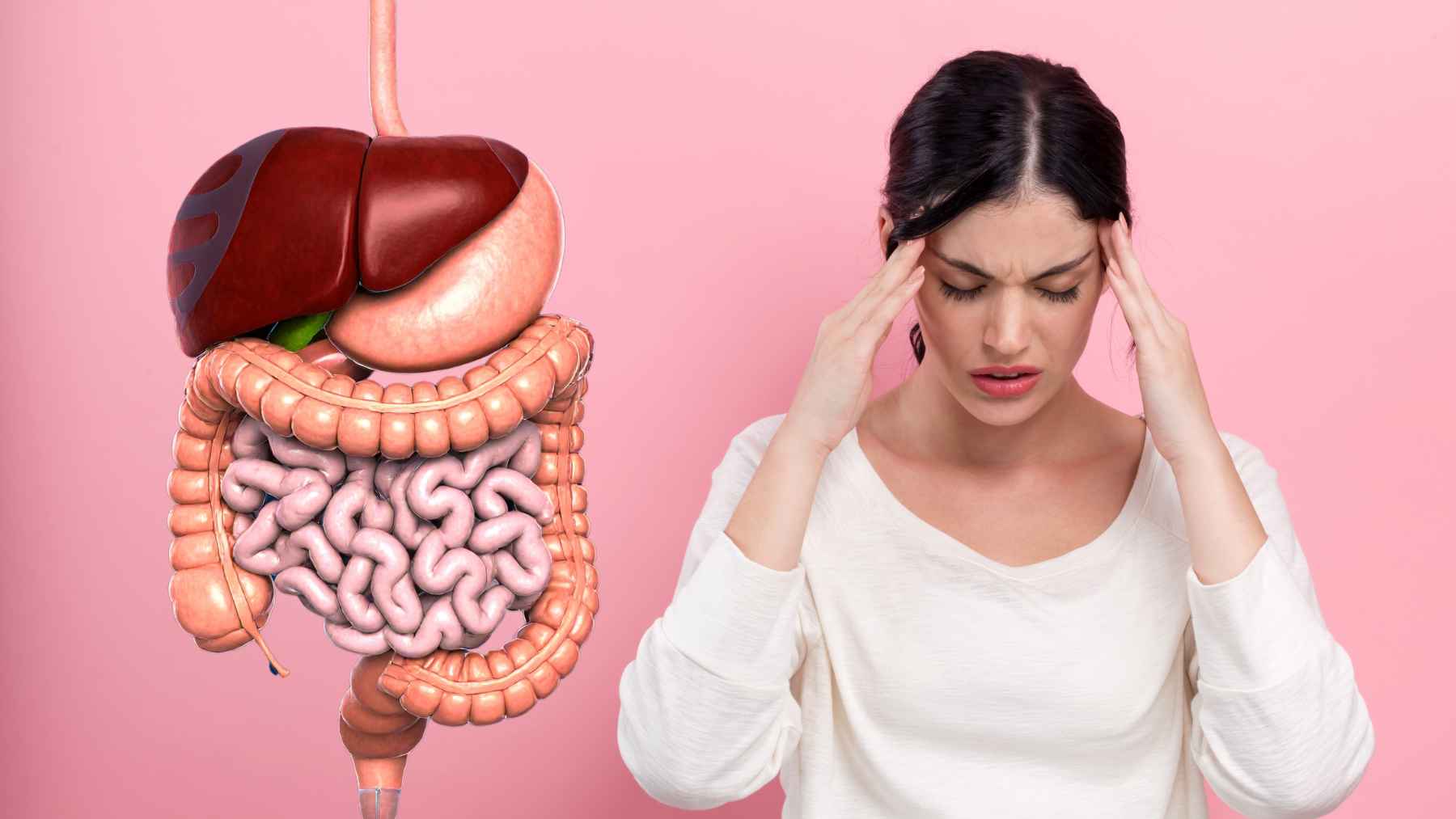
Feeling backed up can make almost anyone search for an immediate “intestinal cleanse,” but your colon is not a kitchen drain that needs a harsh flush. Having stool inside it is normal, and a dramatic purge is not the same as healthy regularity.
For most uncomplicated constipation, the safer goal is to restore the bowel’s natural rhythm. Fiber, fluids, movement, bathroom timing, and a better toilet position can make stool softer and easier to pass, though meaningful improvement may take days rather than minutes.
Skip the detox
Constipation usually involves hard or difficult-to-pass stools, fewer than three bowel movements a week, or the feeling that some stool remains behind. It does not usually mean the intestines are coated with old waste that must be scrubbed away.
The National Center for Complementary and Integrative Health says there is no compelling research showing that “detox” programs remove toxins from the body.
Repeated enemas, colon hydrotherapy, juice-only plans, or excessive laxatives can instead cause diarrhea, dehydration, poor nutrient absorption, or dangerous changes in electrolytes, the minerals that help nerves and muscles work. Natural does not always mean harmless.
Complete bowel emptying does have a legitimate medical purpose before certain procedures, such as a colonoscopy. That process uses a carefully selected preparation and clear instructions from a health professional, not an improvised home cleanse.
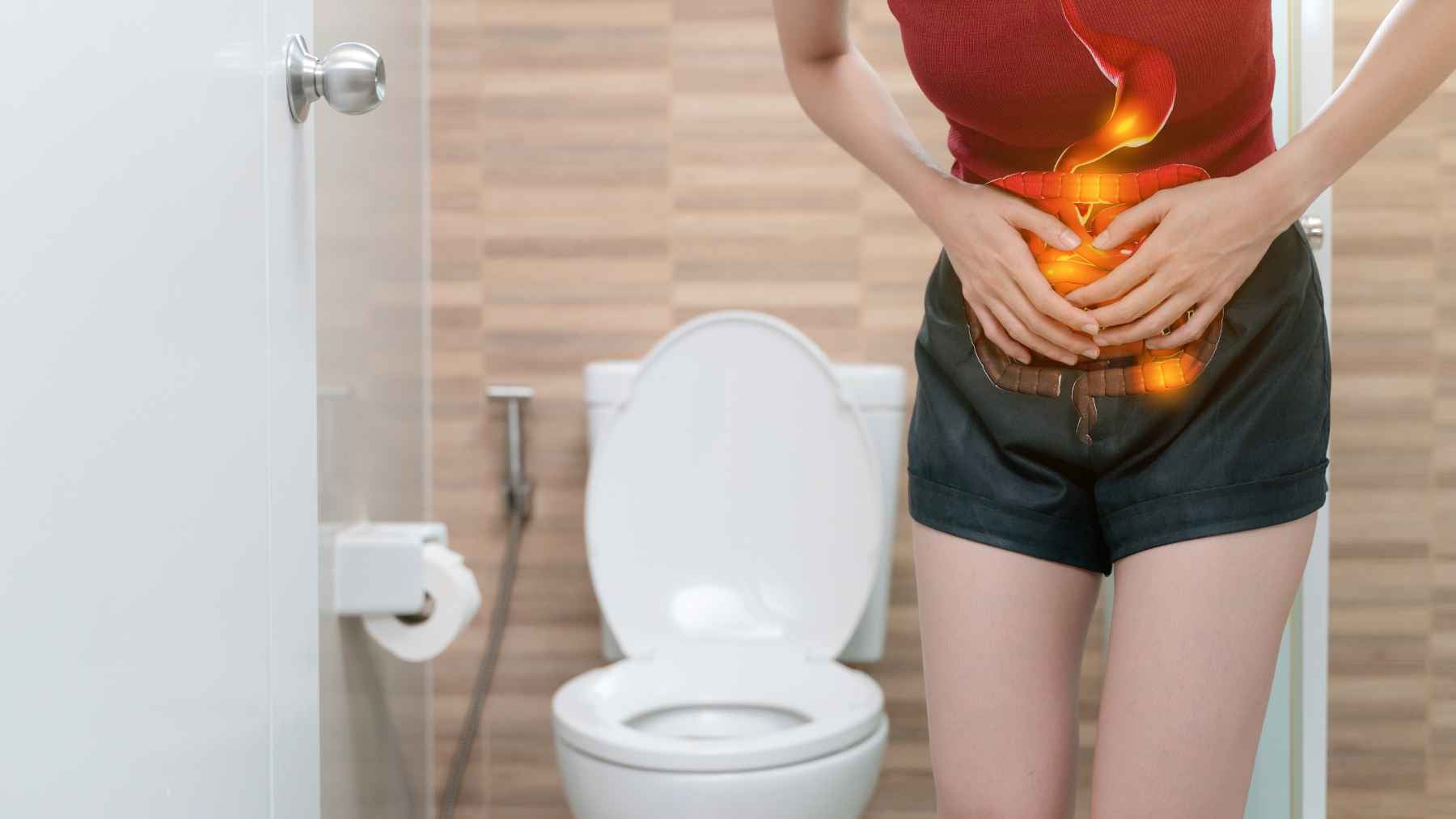
Doctors say constipation can often be relieved by increasing fiber intake, staying hydrated, exercising regularly, and improving toilet posture instead of relying on harsh laxatives.
Fiber and fluids work together
Fiber acts a little like a sponge. It adds bulk and helps stool hold water, giving the colon something softer and better formed to move.
Whole grains, beans, lentils, vegetables, fruit, nuts, and seeds are useful sources, with general adult targets ranging from roughly 0.8 to 1.2 oz. of fiber a day depending on age and sex.
There is evidence behind some everyday choices. In an international randomized trial involving 121 people with functional constipation or irritable bowel syndrome with constipation, eating two green kiwifruits daily for four weeks added about one-and-a-half complete bowel movements per week and improved abdominal comfort.
Still, more fiber is not always better overnight. Increase it gradually to reduce gas and bloating, and drink regularly so the added fiber does not make hard stool worse.
General advice often uses about 51 to 68 fluid oz. of water a day as a practical range, but individual needs vary and anyone with a medical fluid limit should follow professional guidance.
Work with your body’s schedule
The colon moves stool through rhythmic muscle contractions called peristalsis. Sitting for most of the day may work against that movement, while regular physical activity can help some people return to a steadier pattern. A brisk 20-to-30-minute walk is a simple starting point, though it is not an emergency purge.
Ever notice the urge to use the bathroom after breakfast? That is the “gastrocolic reflex,” a normal response in which food entering the stomach signals the colon to move. Try sitting on the toilet about 15 to 45 minutes after breakfast, and avoid repeatedly ignoring the urge when it appears.
Posture matters, too. Placing the feet on an 8 to 10-inch stool raises the knees above the hips and creates a straighter path for stool to leave the rectum. Lean forward, relax the belly, and avoid holding your breath or straining as though you were lifting a heavy box.
When medicine may help
Diet and routine changes can take time, and they will not solve every case. A doctor may also need to review medications or supplements, since iron, certain pain medicines, some antidepressants, and other products can slow the bowel.
A 2023 clinical guideline led by gastroenterologist Lin Chang and jointly issued by the American Gastroenterological Association and American College of Gastroenterology gave polyethylene glycol a strong recommendation for chronic idiopathic constipation.
That term describes long-lasting constipation without another identified disease causing it. The evidence review found that this osmotic laxative, which holds water in the stool, was superior to placebo.
Stimulant laxatives also have a role, but some are positioned mainly for short-term or rescue treatment. Anyone who needs laxatives frequently, cannot have a bowel movement without them, or remains constipated despite self-care should speak with a pharmacist or doctor rather than escalating a home cleanse.
Know the red flags
Constipation needs prompt medical attention when it comes with rectal bleeding, blood in the stool, constant abdominal pain, vomiting, fever, unexplained weight loss, or an inability to pass gas. A sudden major change in bowel habits, especially in midlife or later, also deserves evaluation.
These symptoms can point to fecal impaction, an intestinal blockage, medication effects, a pelvic floor disorder, thyroid disease, diabetes, or another condition that home remedies will not fix. The same applies when basic measures simply do not work. At the end of the day, safe relief is about helping the bowel function normally, not chasing the most dramatic cleanse.
The official clinical guideline was published in Gastroenterology.