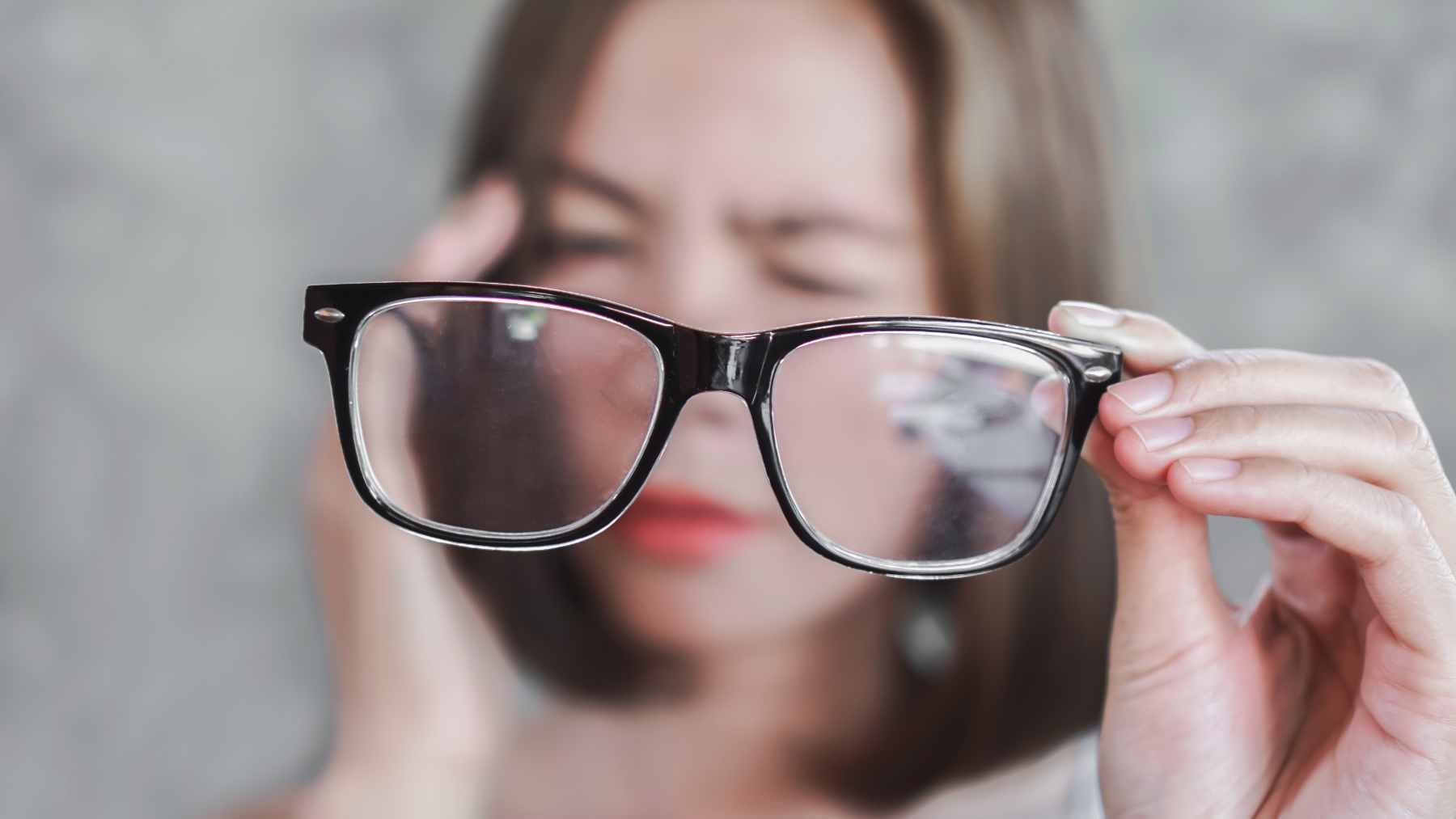
Blurry sight, faded colors, glare from headlights, and trouble seeing at night are easy to blame on getting older. However, those changes can point to cataracts, a clouding of the eye’s natural lens that can slowly make reading, driving, working, and recognizing faces more difficult.
Official global health data show that cataracts cause distance vision impairment or blindness in 94 million people, and one in two people who need surgery cannot access it.
The condition is usually treatable, but the first step is noticing what has changed. Steadily poorer vision should not be written off as an unavoidable part of age.
What a cataract does
Inside each eye is a clear lens that bends light onto the retina, the light-sensitive tissue at the back of the eye. A cataract forms when that lens becomes cloudy, rather like a clean window slowly fogging over. Light no longer lands sharply, so details soften and colors may lose some of their punch.
Dr. Nicolás Charles, a cataract surgeon and head of cornea and refractive surgery at Charles Centro Oftalmológico, describes it this way: “A cataract is the clouding of the lens, the natural lens inside the eye.
When it loses transparency, light no longer focuses correctly on the retina and vision begins to deteriorate progressively.”
Warning signs people often miss
Early cataracts may cause no noticeable symptoms. As the clouding grows, the National Eye Institute lists blurry or hazy vision, faded colors, sensitivity to bright light, halos, double vision, poor night vision, and frequent changes to a glasses prescription.
The shift is often gradual, which is exactly why it is easy to miss.
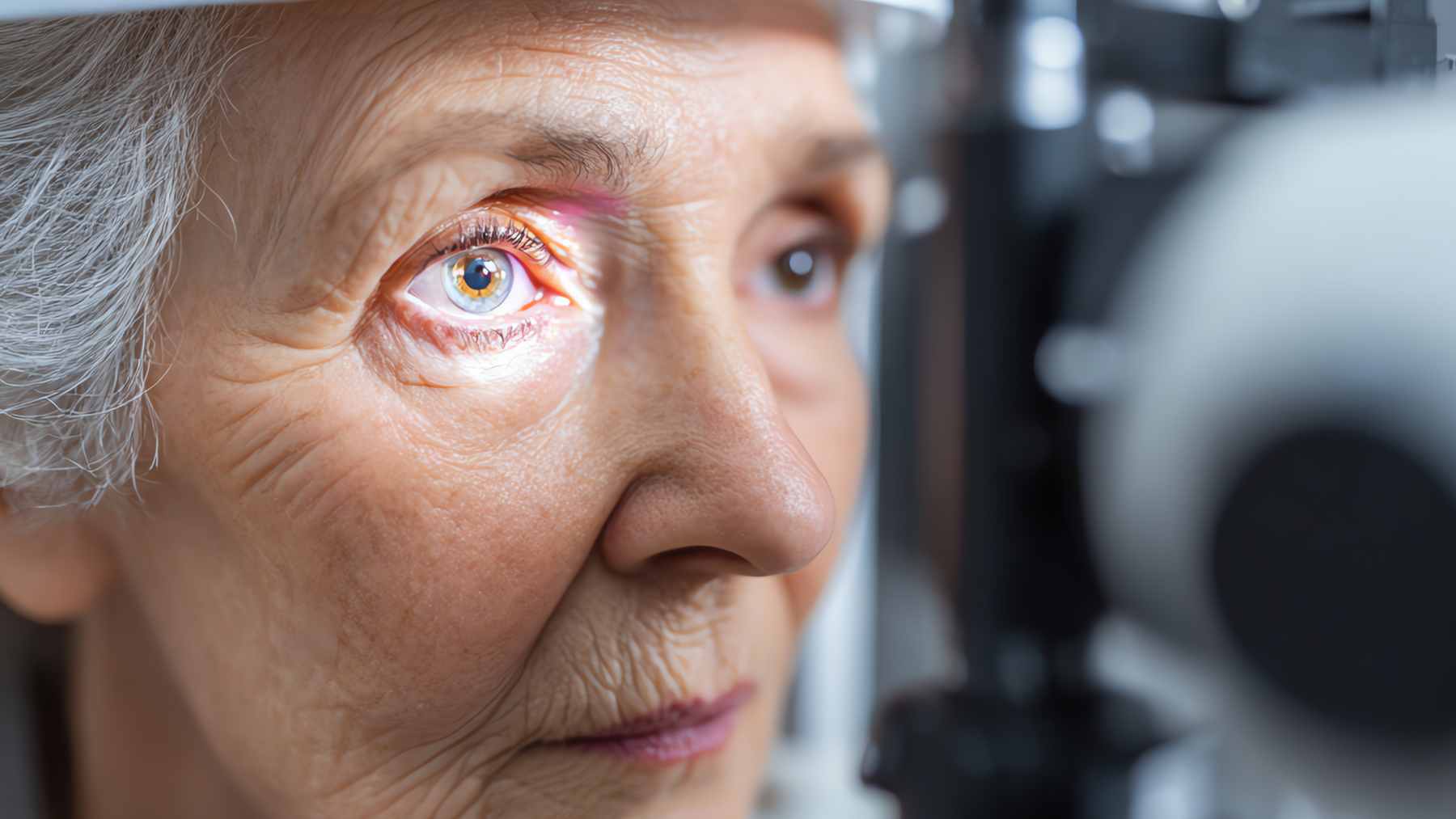
Do oncoming headlights suddenly bloom into glowing rings? Does a familiar book need brighter light than it used to? Those small frustrations can become safety issues behind the wheel or on a staircase, and the same symptoms may also signal another eye problem.
Why cataracts develop
Age is the biggest risk factor. Over time, proteins in the lens can break down and clump together, creating cloudy patches that usually grow slowly. Cataracts can affect one eye or both, but they do not spread from one eye to the other.
Diabetes, smoking, long periods of unprotected sun exposure, steroid medicines, family history, and previous eye injury can raise the risk or bring cataracts on earlier. Not every case can be prevented.
Still, quitting smoking, wearing UV-blocking sunglasses and a brimmed hat, and protecting the eyes during risky work can help reduce avoidable exposure.
An eye exam gives the answer
A symptom list cannot confirm a cataract. Doctors usually use a dilated eye exam, with drops that widen the pupil so they can inspect the lens and look for other causes of vision loss. The test is simple, and it turns a vague worry into a clearer plan.
U.S. guidance advises adults age 60 and older to have a dilated eye exam every one to two years. Someone with new symptoms, diabetes, an eye injury, or other risks may need an earlier check. The timing should be tailored with an eye care professional.
Managing early cataracts
At present, no eye drop or pill can dissolve or reverse a cataract. In the early stages, brighter lights, anti-glare sunglasses, magnifying lenses, or a new glasses prescription may make daily tasks easier. These steps manage the blur, but they do not remove the cloudy lens.
Surgery is usually considered when the cataract interferes with reading, driving, work, or other activities that matter to the patient. Most people do not need to rush into an operation simply because a cataract has been found.
Early detection matters because it allows regular follow-up and helps doctors rule out eye diseases that may need faster treatment.
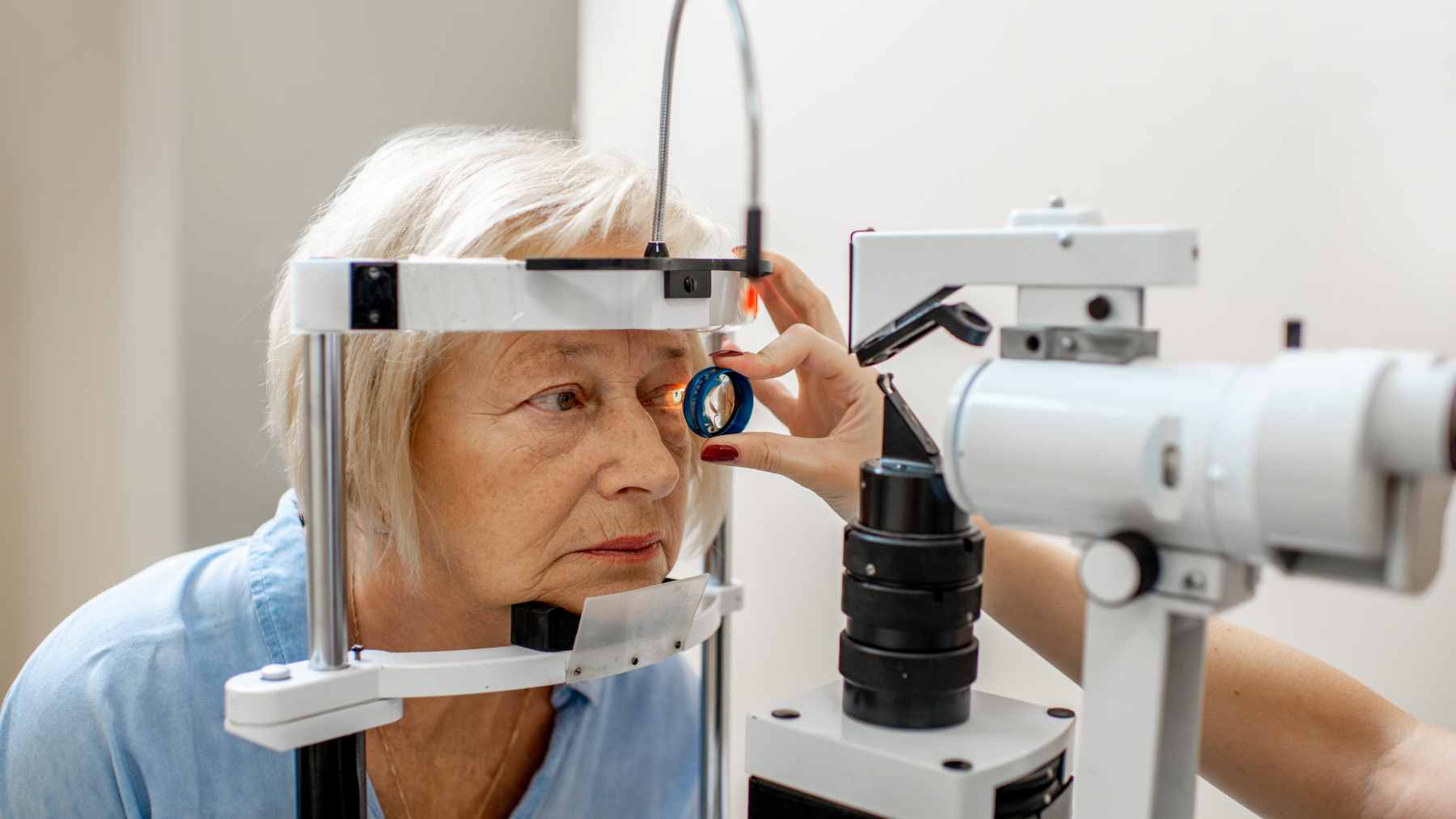
How cataract surgery restores sight
During surgery, the cloudy natural lens is removed through a small incision and replaced with a clear artificial lens that stays inside the eye. A common method uses ultrasound to break the lens into tiny pieces before they are removed.
In practical terms, the eye’s fogged window is exchanged for a clear one.
About nine out of ten people see better afterward, according to federal eye-health guidance. Safe does not mean risk-free, though, since infection, swelling, pressure changes, or retinal detachment can occur. Follow-up care matters.
A treatable problem with unequal access
A 2026 global analysis using estimates from 68 countries found that nearly half of people facing cataract-related blindness still lacked the surgery they needed.
The gap was widest in the African Region, where three in four remained untreated, and women had lower access in every region studied. High costs, long waits, staff shortages, and limited awareness all play a role.
For someone at home, those global numbers come back to one everyday decision. New or worsening blur, faded colors, or headlight glare should lead to an eye exam, not quiet resignation.
The main access study was published in The Lancet Global Health.