Living with diabetes has always involved numbers. Blood glucose readings, insulin doses, meals, exercise, and sleep can shape a whole day before breakfast is over. But newer international guidance is sending a clear message. Good diabetes care now has to measure more than glucose.
That shift matters because emotional strain is common.
In a 2024 global survey by the International Diabetes Federation, 77 percent of people living with diabetes said they had experienced anxiety, depression, or another mental health challenge because of their condition. Dr. Camila Hernández, a diabetologist and nutrition specialist, summed up the change this way, “The management of diabetes is no longer defined only by the numbers.”
Why diabetes distress matters
Diabetes distress is the emotional burden of living with a condition that needs attention every day. It is not simply having a bad week. It can mean fear of a sudden glucose drop, frustration over high readings, or the feeling that diabetes never really clocks out.
What happens when the numbers look fine but the person is exhausted? Hernández noted that “behind every glucose measurement” there is often concern about avoiding very low or very high blood glucose, which in severe cases can be life-threatening. That watchfulness can follow someone to school, work, dinner, and bed.
Ignoring this distress can have medical consequences. The same global survey found that 79 percent of participants reported diabetes burnout, and many said stress had interrupted treatment. That’s where emotional care becomes part of physical care, not an extra.
Guidelines changed the conversation
The American Diabetes Association released its 2026 Standards of Care on December 8, 2025, with new recommendations on technology, nutrition, and person-centered care. The update includes guidance on behavioral health screening and referral for diabetes distress and anxiety.
It also recommends continuous glucose monitoring at diagnosis and afterward for people who could benefit.
The European Association for the Study of Diabetes has moved in the same direction. In September 2025, it launched its first evidence-based clinical practice guideline, focused on assessing and managing diabetes distress in adults with type 1 and type 2 diabetes.
The guidance encourages health professionals to ask about distress in routine visits.
Professor Richard Holt of the University of Southampton and Professor Jane Speight of the Australian Centre for Behavioural Research in Diabetes co-chaired the EASD panel. Holt said the guideline affirms the importance of “emotional health alongside physical health” for people with diabetes.
Technology can reduce guesswork
Continuous glucose monitoring, often called CGM, uses a small sensor to track glucose throughout the day and night. Instead of relying only on single finger-stick checks, people can see patterns as they eat, exercise, sleep, or use insulin. In practical terms, it can make the invisible easier to read.
Abbott’s FreeStyle Libre 2 system, one device mentioned in this discussion, provides real-time glucose information and optional alarms for high or low readings.
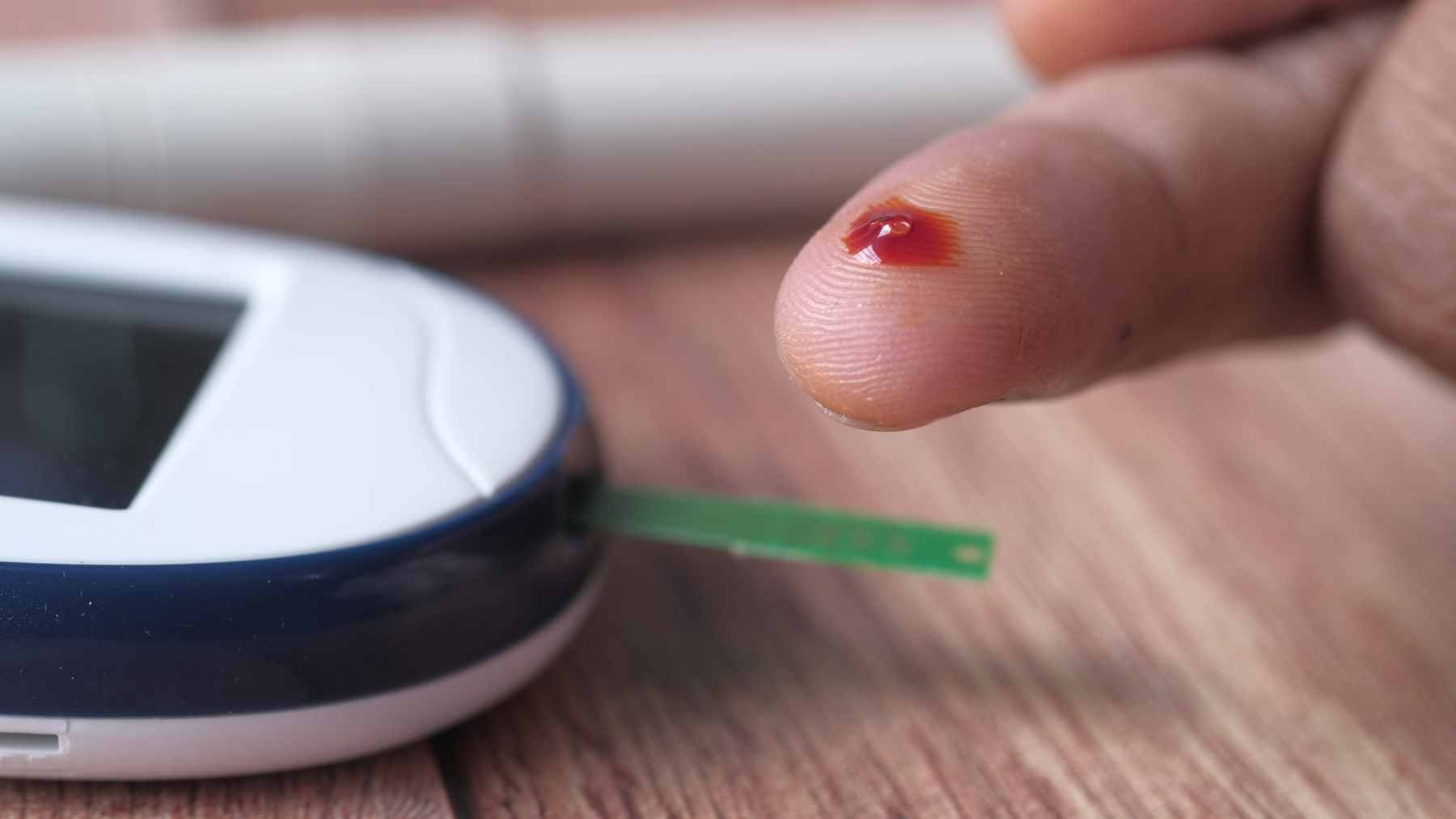
In Chile, the company announced in August 2024 that the system was available with automatic minute-by-minute readings and smartphone alerts when low or high glucose is detected. For families, that can mean fewer moments of guessing in the middle of the night.
Still, a sensor is not a cure, and it should not turn life into a nonstop alarm. Hernández stressed that the information works best when combined with medical guidance and patient education, because the data can help people and clinicians adjust treatment. The tool matters, but so does how it is used.
Chile is widening access
Chile offers a useful test case for the next phase of diabetes care. The supplied information says reimbursement mechanisms for modern monitoring devices have existed since 2022 through Fonasa, the public health insurer, and the private insurers known as Isapres. That is an important start, especially for families juggling medical costs.
The newer GES update moved further. Chile’s Decree 29, published on January 16, 2026, says beneficiaries younger than 18 and pregnant people with confirmed type 1 diabetes have access to continuous glucose monitoring.
In everyday terms, that means the technology is no longer only a private purchase for some of the people at highest risk.
Even so, the access gap has not disappeared. The ADA now recommends CGM from diagnosis and anytime afterward for anyone who could benefit, which opens a larger policy question in Chile and elsewhere. Who gets the tool first, and how fast can health systems catch up?
The next test is human care
Dr. Isabel Dávila, medical manager for diabetes care at the company, described the change as a deeper shift in how medicine understands the condition.
“Today we have solid evidence to address diabetes beyond glucose,” she said, adding that care now includes daily experiences, emotional well-being, and technology that supports people with diabetes and their caregivers.
That does not mean a diabetes diagnosis has become easy. It means the outlook is, to a large extent, different from a decade ago because better tools, stronger evidence, and more integrated care are changing what patients and families can expect. The challenge is making those gains reach more people.
This is the quiet change in diabetes care. Better sensors and updated guidelines matter, but so does a doctor asking, “How are you holding up?”
The official guidance has been published in Diabetes Care.