A small cabin near Walden Pond may not sound like the setting for a modern lesson on well-being. Yet Henry David Thoreau’s image of three chairs, one for solitude, two for friendship, and three for society, still feels surprisingly current in an age of constant messages, crowded feeds, and busy schedules.
Thoreau moved into the woods near Concord, Massachusetts, on July 4, 1845, after building a cabin on land owned by Ralph Waldo Emerson. His experiment later became Walden, a book about living more simply and paying closer attention to what actually makes a life feel full.
Three chairs in a small cabin
In Walden, Thoreau wrote that he had “one for solitude, two for friendship, three for society.” The line has survived because it turns a big question into a picture anyone can understand: how much space should we give ourselves, our closest relationships, and the wider world?
The point was not that people should run away from everyone else. The National Endowment for the Humanities notes that Thoreau “went in for society, but on his own terms,” a useful reminder that the cabin was not a fortress.
Thoreau was setting an order of priorities. First came the self, then the chosen friend, and only after that the larger crowd with all its noise, manners, gossip, and expectations.
Solitude was not loneliness
For Thoreau, solitude was not the same as being abandoned. It was a deliberate space for thinking, reading, walking, and noticing the world without the noise of other people’s opinions.
This is where his idea feels strangely up-to-date. Susan Cain, author of Quiet, helped bring attention to introverts and to the value of listening, working alone, and choosing depth over constant visibility.
Thoreau put it more sharply in Walden, saying he loved being alone and found solitude deeply companionable. In everyday terms, he was asking for mental breathing room, the kind many people now try to protect by silencing a phone or taking a walk without earbuds.
Friendship came before society
The second chair mattered because Thoreau did not reject human connection. He separated friendship from general company, as if to say that one real conversation can matter more than a room full of polite chatter.
Modern research gives that old idea a fresh frame. The Harvard Study of Adult Development, one of the longest-running studies on adult life, has found that close relationships are a stronger predictor of long-term happiness and health than money, fame, social class, IQ, or even genes.
That does not mean every person needs a huge social circle. In practical terms, it points to something simpler: a few trusted people, honest time together, and relationships strong enough to carry ordinary life.

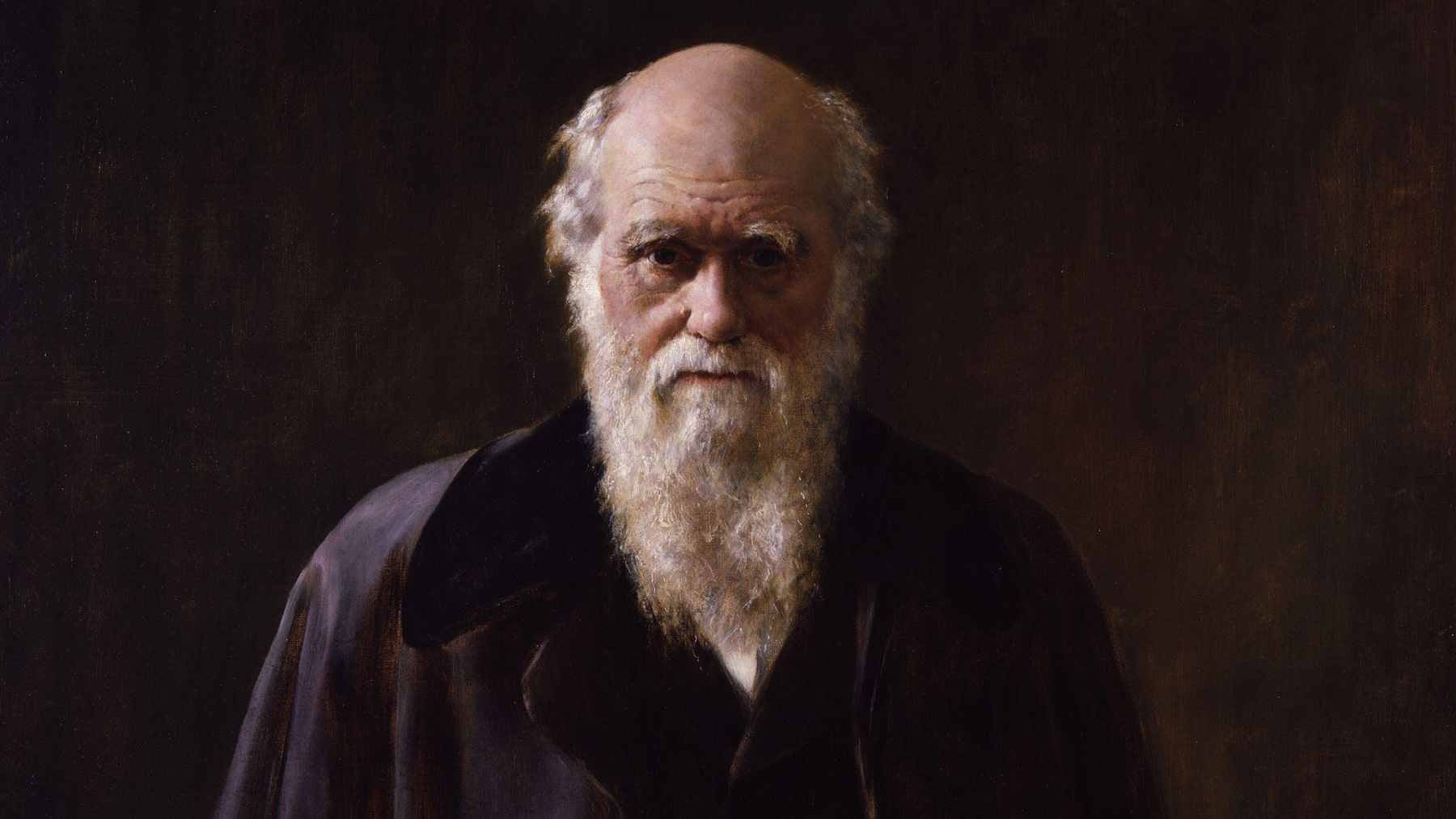
An illustrated portrait of Henry David Thoreau, whose famous “three chairs” passage in Walden continues to inspire readers to balance solitude, meaningful friendships, and social life.
Society needed limits
The third chair, the chair for society, was still in the cabin. Thoreau did not throw it away, but he placed it last.
He worried that society could become “too cheap” when people met too often without bringing anything new to one another. It is an old complaint, but it sounds familiar in a world of endless notifications, office small talk, viral arguments, and group chats that never really sleep.
What was he really warning against? Not people themselves, for the most part, but shallow contact that leaves everyone more distracted and less present.
Less can mean more
Thoreau’s lesson on happiness was tied to simplicity. He believed that people often pay for possessions, status, and routine with something more valuable than money: their time and attention.
The Walden Woods Project notes that one commonly shared version of this idea is often misquoted. The more accurate line from Walden says the cost of a thing is the amount of life required in exchange for it, sooner or later.
That idea still lands. A bigger home, a fuller closet, or another subscription may look like progress, but Thoreau’s question cuts deeper–how much of your life did it take to get it?
A simple model for today
Thoreau’s three chairs can be read as a small map for modern well-being. One chair asks whether we can be alone without feeling empty, the second asks whether we are caring for our closest bonds, and the third asks whether public life is helping us or draining us.
This does not require a cabin in the woods. It could mean protecting one quiet hour, calling one good friend, or saying no to one more event that adds noise without meaning.
At the end of the day, Thoreau’s message was not about owning less for the sake of owning less. It was about making room for what remains when the excess is gone.
The main work discussed here has been published in Walden, or Life in the Woods.