Protein is everywhere right now, from gym videos to grocery labels that seem to promise a better body in a single snack. But Sophie Gastman, a registered nutritionist and author of Find Your Healthy, has a quieter approach.
She says she does not build her meals around constant macro counting, because “staying away from hyper-focusing on any kind of number is more helpful.”
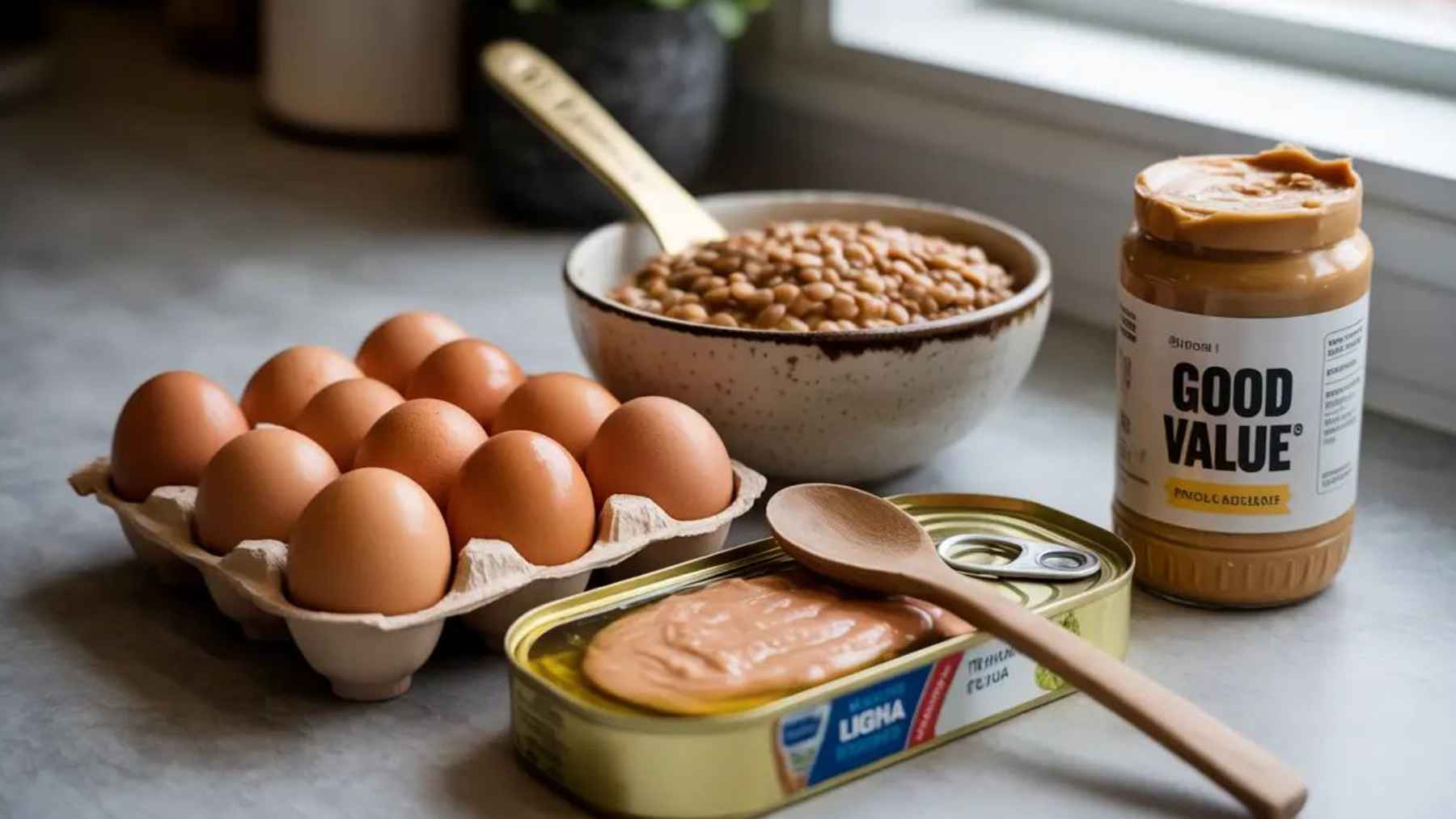
Her kitchen rule is simple enough for a busy week: keep a few protein-rich staples nearby, then add them to meals you already like. For Gastman, that means canned fish, eggs, and frozen edamame beans and peas–three foods that can turn toast, salad, rice, or leftovers into something more filling.
Protein without number-chasing
Macronutrients are the big nutrients that give the body energy: mainly protein, carbohydrates, and fat. Counting them can help some people, especially athletes with specific training plans. For many others, it can become one more thing to stress over before breakfast.
Protein is critical. MedlinePlus explains that protein is found in every cell of the body and helps repair cells and make new ones. It also supports growth and development during childhood, adolescence, and pregnancy.
That is why the conversation can get loud online. Active people may need more protein than people who are mostly sedentary, and sports nutrition research often places many exercisers in a higher daily range than the basic adult minimum.
In Gastman’s example, a 130-lb. woman might aim for about 90 to 130 grams a day, while a 176-lb. man might aim for about 125 to 176 grams.
Canned fish earns its spot
Canned fish is the first staple Gastman keeps around. It is affordable, rich in protein, and easy to store unopened in a cool, dry pantry for a long time. No meal prep, no special container, no complicated recipe.
Her go-to options include tuna, sardines, mackerel, and salmon. That variety matters, because eating the same thing every day can get boring fast. A can of fish can go onto a salad, get mashed onto toast, or be stirred into rice after work when cooking energy is low.
What does that look like in real life? It might be lunch between meetings, a quick dinner after practice, or a bowl of rice that suddenly feels like a full meal. Small move, big difference.
Eggs do the quiet work
Eggs are the second food Gastman keeps stocked. One large egg has about 6 grams of protein and can cook in just a few minutes. That makes it useful on mornings when there is barely time to find matching socks.
They also fit into plenty of everyday meals. Gastman uses them in salads, breakfast tacos, or avocado toast. In practical terms, that means one ingredient can work at breakfast, lunch, or dinner without feeling like a diet food.
The United States Department of Agriculture’s FoodData Central is a key reference for checking nutrient information, and it also shows why exact numbers can vary a little by food type, portion, and preparation.
That is another reason Gastman’s strategy is practical. The goal is not perfect math, but reliable building blocks.
Frozen edamame and peas change the bowl
Gastman’s freezer staples are edamame beans and peas. She adds them to stir-fries, salads, and rice bowls, which makes sense because they need little prep and do not spoil quickly. On a night when the fridge looks empty, a freezer bag can save dinner.
A 3.5-oz. serving of cooked edamame contains about 11.5 grams of protein, while the same amount of peas contains about 4.7 grams. Edamame is also a soy food, so it brings plant-based protein into the meal without needing a powder or bar.
Gastman says these foods make meals more satisfying. That point is easy to understand. A bowl with rice alone may not hold you for long, but rice with edamame, peas, and an egg starts to feel like a meal that can actually carry you through the afternoon.
The bigger lesson
The advice here is not to chase protein all day. Gastman’s wider plate still includes vegetables, fiber-rich foods such as beans, and healthy fats such as avocado. That balance matters, because a high-protein meal can still miss the mark if it crowds out other foods the body needs.
The American Heart Association notes that the recommended daily allowance for most adults is 0.36 grams of protein per pound of body weight, while protein can make up 10% to 35% of daily calories, but needs vary. Age, activity, health conditions, and goals all change the picture.
At the end of the day, Gastman’s approach is less about rules and more about removing friction. When useful foods are already in the kitchen, eating enough protein does not require a spreadsheet. It just requires opening a can, cracking an egg, or tossing a handful of edamame into the pan.
The official report on Sophie Gastman’s protein staples has been published in Business Insider.