Elsa Pataky is not treating fitness like a fixed identity. At 49, the Spanish actress says the routine that once worked for her has changed. After years of practicing yoga several times a week, she now gives more space to heavy strength training, Pilates, and the Norwegian method, a demanding interval workout.
Her point is bigger than a celebrity workout reveal. Pataky’s shift is a reminder that a good routine is not the one everyone is posting, but the one your joints, energy, schedule, and goals can actually sustain.
The CDC says adults need aerobic activity and at least two days of muscle-strengthening work each week, and that mix is close to the wider message behind her new plan.
Why her routine changed
“Before I did yoga, but for the joints I think it starts to be too much with age,” Pataky said, explaining that Pilates helps her more now because the stretches feel “more delicate” and focused.
She also said Pilates works the core, the muscles around the abdomen, back, and pelvis that help keep the body upright and stable.
That does not mean yoga is suddenly bad. The National Center for Complementary and Integrative Health says yoga is generally safe when taught properly, but injuries can happen, and people with health conditions or aging joints may need to modify some poses.
In practical terms, the best class is the one your body can recover from.
Heavy weights matter
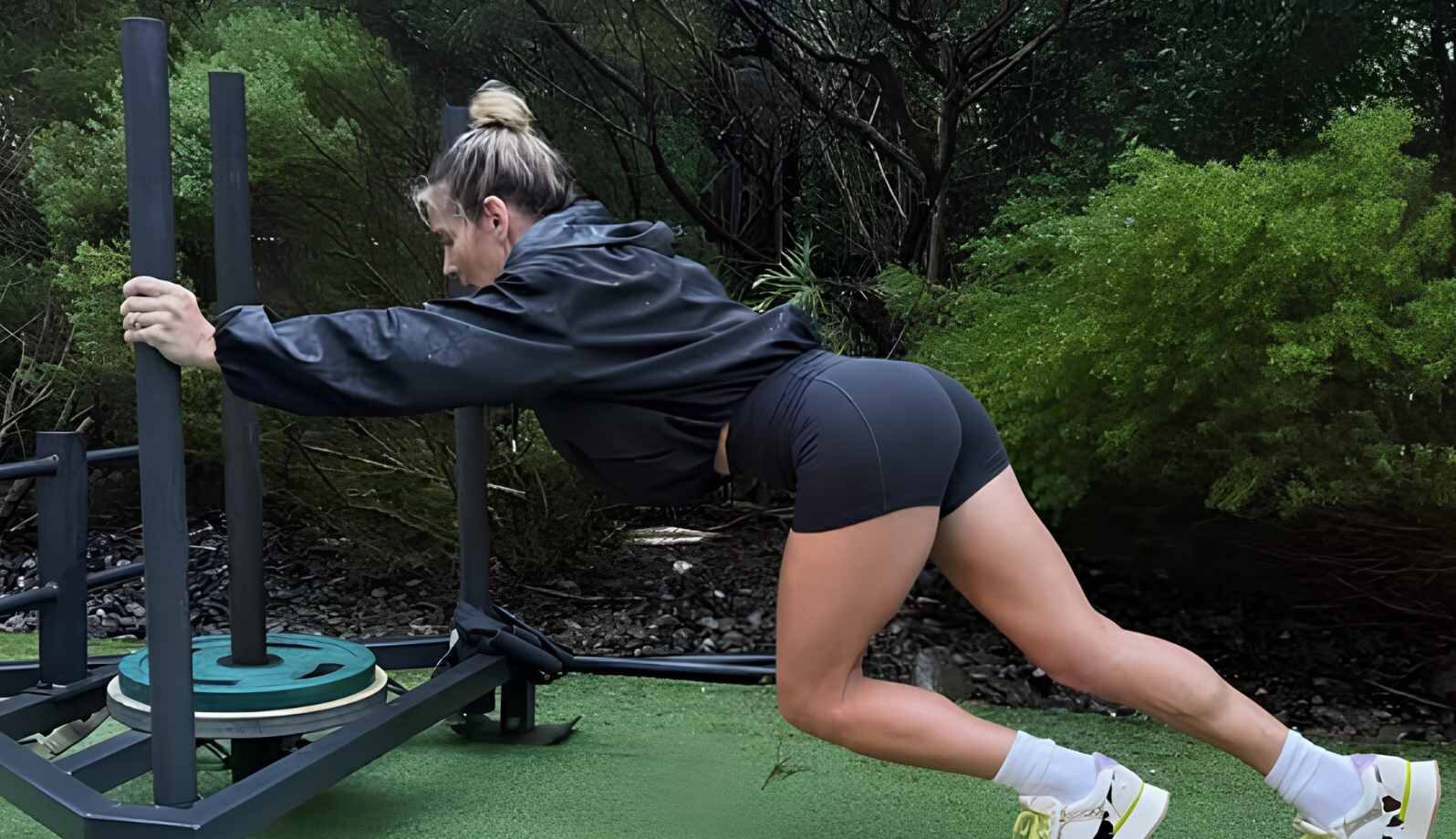
Pataky’s current routine leans hard into strength training. She says she trains with “a lot of weight,” focuses heavily on legs, and wants to leave the gym feeling genuinely fatigued. It sounds intense, but the basic idea is familiar to trainers everywhere. Muscle matters, especially as the years go by.
The American College of Sports Medicine has pushed back against the idea that people become too old to strength train. It notes that muscle loss can lead to strength loss, weaker daily function, and a higher risk of losing independence. That is not just about looking fit in photos.
It is about stairs, groceries, posture, and getting through long workdays without feeling drained.
Pilates fills the gap
Pilates is not simply an easier replacement for yoga. It is built around controlled movement, breathing, alignment, and core strength. For Pataky, two sessions a week now help her work on flexibility, posture, and injury prevention without feeling that she is forcing her joints through movements that no longer suit her.
NIHR Evidence has reported that mat Pilates appears to improve strength, flexibility, balance, and cardiorespiratory fitness in older adults compared with no exercise, while also noting limits in the quality of the evidence.
That nuance matters. Pilates is not magic, but it can be adapted, and adaptation is the whole story here.
The Norwegian method
Pataky has also added the Norwegian method to her morning training. The version described in her routine uses hard four-minute efforts followed by active recovery, the kind of workout that makes the heart and lungs work at a high level. It is tough. Pataky says she enjoys the challenge.
Researchers at the Norwegian University of Science and Technology’s Cardiac Exercise Research Group recommend four by four interval training to improve fitness.
The key target is VO2 max, a simple term for how much oxygen the body can use during hard exercise. A large JAMA Network Open study of more than 122,000 adults linked higher cardiorespiratory fitness with lower long-term mortality, although that kind of study shows an association, not a guarantee.
Food and recovery count
Pataky also connects training with food. Her approach, according to the briefing, is to eat a bit of everything in moderation while avoiding processed foods and added sugars as much as possible.
For breakfast, she often uses smoothies with oats, fresh fruit, seeds, goji berries, and her Forever by Elsa Pataky supplement line.
That part of the routine is less glamorous than the workout itself, but it may be the piece many people recognize. Some mornings are rushed.
Some days, training is the last thing anyone wants to do. Pataky says she focuses on the satisfaction afterward, and that small mental trick can be what gets a person moving.
The real lesson
The most useful part of Pataky’s routine is not that everyone should copy it. In fact, copying the whole thing would be a mistake for many people. She trains at least five days a week and also stays active with things like horseback riding and snowboarding, which is far beyond a beginner plan.
The real takeaway is simpler. Start with what you can stick with, then build from there. Maybe that is yoga today, Pilates next year, weights twice a week, or brisk walks after dinner. At the end of the day, the best routine is the one that keeps changing with you.
The main source for this report has been published by TELVA.