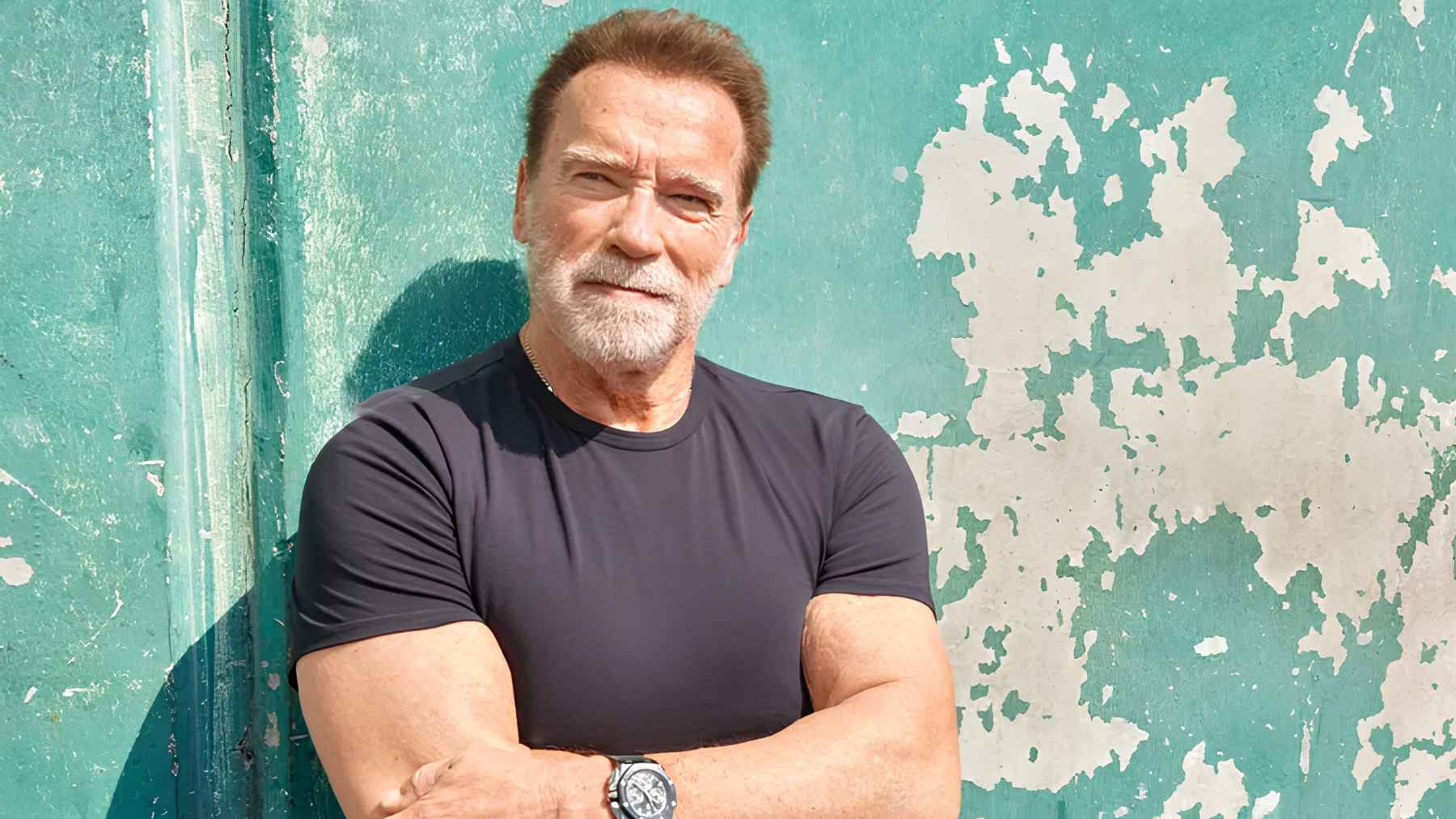
Arnold Schwarzenegger has spent more hours in gyms than most people will ever spend thinking about gyms. Yet at 78, his reason for training has less to do with old trophies and more to do with something much simpler. He wants one win before the day gets away from him.
In a recent newsletter, Schwarzenegger said he keeps exercising because the benefits “compound over time,” helping him ski, stay mentally sharp, and recover from setbacks. But his real answer is more human than scientific. “I get a win every single day,” he wrote.
A champion without a finish line
Schwarzenegger’s fitness message carries unusual weight because of his history. His official biography describes him as a world champion bodybuilder and California’s 38th governor, and says he won seven Mr. Olympia titles before moving fully into acting and public life.
That past matters, but it is not the center of his current philosophy of life. He is no longer describing the brutal training style that made him famous in the 1970s. In practical terms, he is talking about a habit that survives age, pain, surgery, and busy mornings.
Why the daily win matters
The 78-year-old says the gym gives him proof that he is still moving forward. Some days that means a strong workout. On other days, the victory is simply showing up when staying in bed would have been easier.
That idea is small enough for anyone to understand. Who has not had a morning when the couch, the phone, or a stressful email wins the first round? Schwarzenegger’s point is that exercise can flip the scoreboard early, even when the rest of the day is messy.
Where most people get stuck
Schwarzenegger argues that many people treat fitness like a countdown to a single event. A number on the scale. A beach trip. A wedding. Once the event arrives, or once progress slows, the routine often fades away.
The data gives that warning some weight. Stanford Health Care says 80 to 85 percent of people who lose a large amount of weight regain it, and it links long-term maintenance to lasting changes in diet, exercise, and daily habits. That is why a “finish line” mindset can be risky.
Habits take longer than slogans
Fitness marketing often sells fast turnarounds, but real habits usually move at a slower pace. A University College London study published in the European Journal of Social Psychology found that new habits took 66 days on average to become automatic. The range was wide, from 18 to 254 days.
That finding is not an excuse to quit. It is a warning not to panic too early. If a person stops after three or four hard weeks because the results in the mirror have not changed much, they may be walking away right when the habit is still solidifying.
What science says about moving at 78
Schwarzenegger’s message also matches mainstream public health advice, even if most people should not copy his exact routine.
The CDC says adults 65 and older need aerobic activity, muscle-strengthening work, and balance activities each week, while adding that some movement is better than none when health conditions limit what someone can do.
The benefits are not just about looking fit. The agency also says regular physical activity can help older adults protect muscles, bones, daily function, sleep, mood, and thinking skills.
That is the ordinary stuff that matters when you want to carry groceries, climb stairs, or keep up with family.
Consistency beats complexity
The American College of Sports Medicine made a similar point in its 2026 resistance training guidance. Its review of research involving more than 30,000 participants found that the biggest shift comes from moving from no resistance training to any regular form of it, not from chasing a perfect plan.
That is good news for anyone intimidated by gyms. Bands, machines, bodyweight movements, or simple weights can all fit the larger purpose when they are safe and repeatable. At the end of the day, the best workout is usually the one a person can keep doing next week.
The lesson for ordinary people
So, what can an ordinary person take from a former Mr. Olympia? Not the exact sets, the Hollywood discipline, or the lifetime of muscle memory. The useful piece is smaller. Make the win visible.
Starting a program is a win. Doing a short walk when traffic, noise, or a long workday has already drained your patience is a win. Finishing three planned sessions in a week is a win, even if nobody on social media notices.
Schwarzenegger’s approach does not make training easier. It makes the target clearer. Instead of asking when fitness ends, he is asking whether he can earn one more honest victory today.
The official newsletter item has been published in Arnold’s Pump Club.