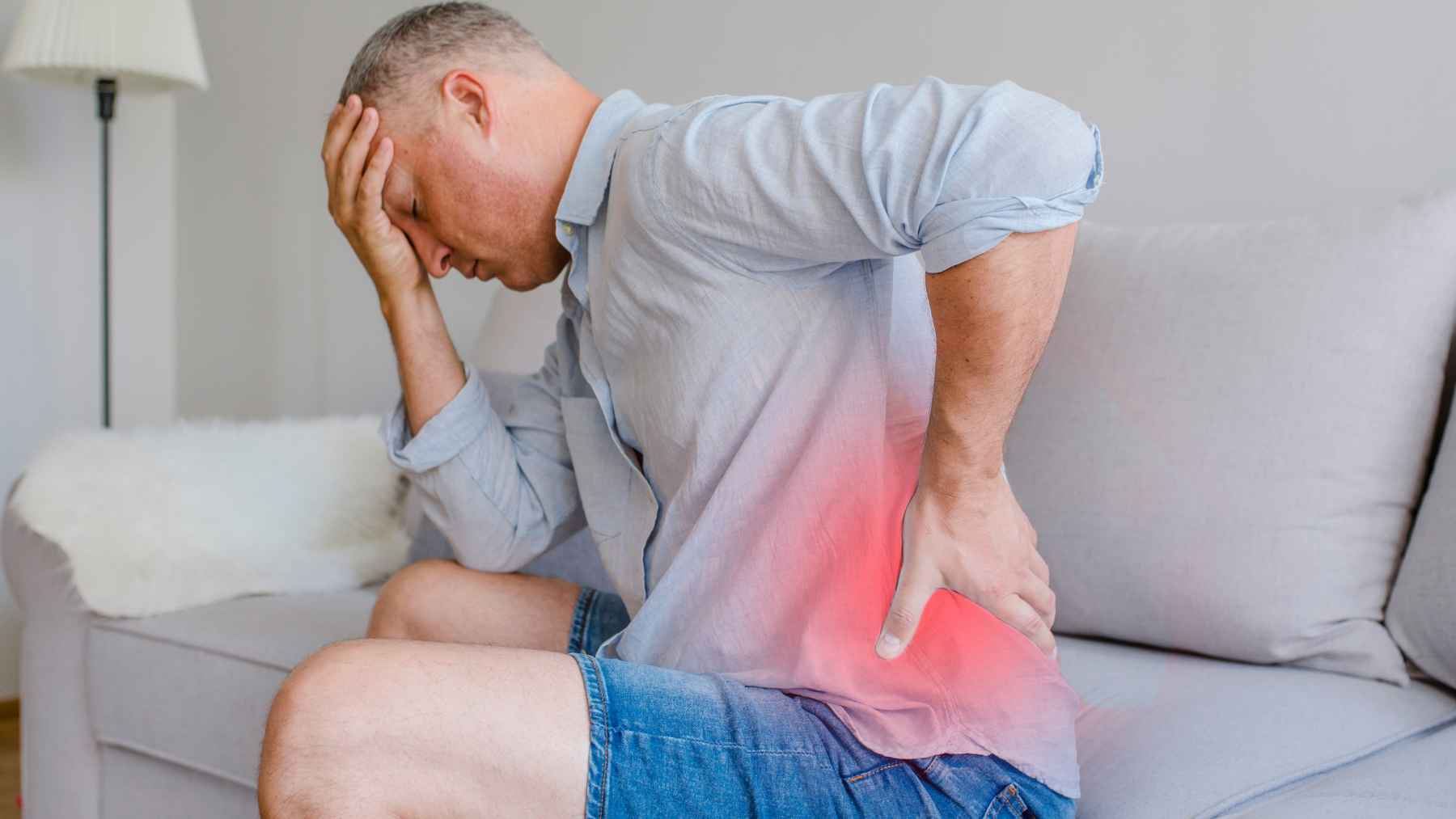
Could a small electric pulse help painful joints by working the muscles around them? For people with osteoarthritis, that question matters because movement is often the treatment they are told to do, but also the thing that hurts most.
Osteoarthritis affects an estimated 595 million people worldwide, making it one of the leading causes of pain and disability. It is a degenerative joint disease, meaning the tissues inside a joint break down over time, most often in the knees, hips, hands, and spine.
What osteoarthritis does
Osteoarthritis is not just “wear and tear.” It can involve cartilage, bone, ligaments, and the muscles that help protect the joint. When those tissues change, simple things like stairs, grocery bags, or getting out of a car can become a daily test.
The CDC says there is no cure, but symptoms can be managed through physical activity, healthy weight, joint protection, self-management, and medical care when needed. Physical therapy and joint replacement surgery may also be used when symptoms are severe.
Why exercise still matters
Exercise remains one of the strongest tools for managing osteoarthritis. Walking, swimming, low-impact aerobics, balance work, and strengthening with weights or bands can help people keep daily living skills and move with less pain.
In practical terms, stronger muscles act like better shock absorbers. They support the joint, reduce strain, and may help break the cycle of pain, inactivity, weight gain, and more stiffness.
But here is the problem. Many people with osteoarthritis are told to move more while their body is telling them to move less. That is where electric muscle stimulation comes in.
How the electric pulses work
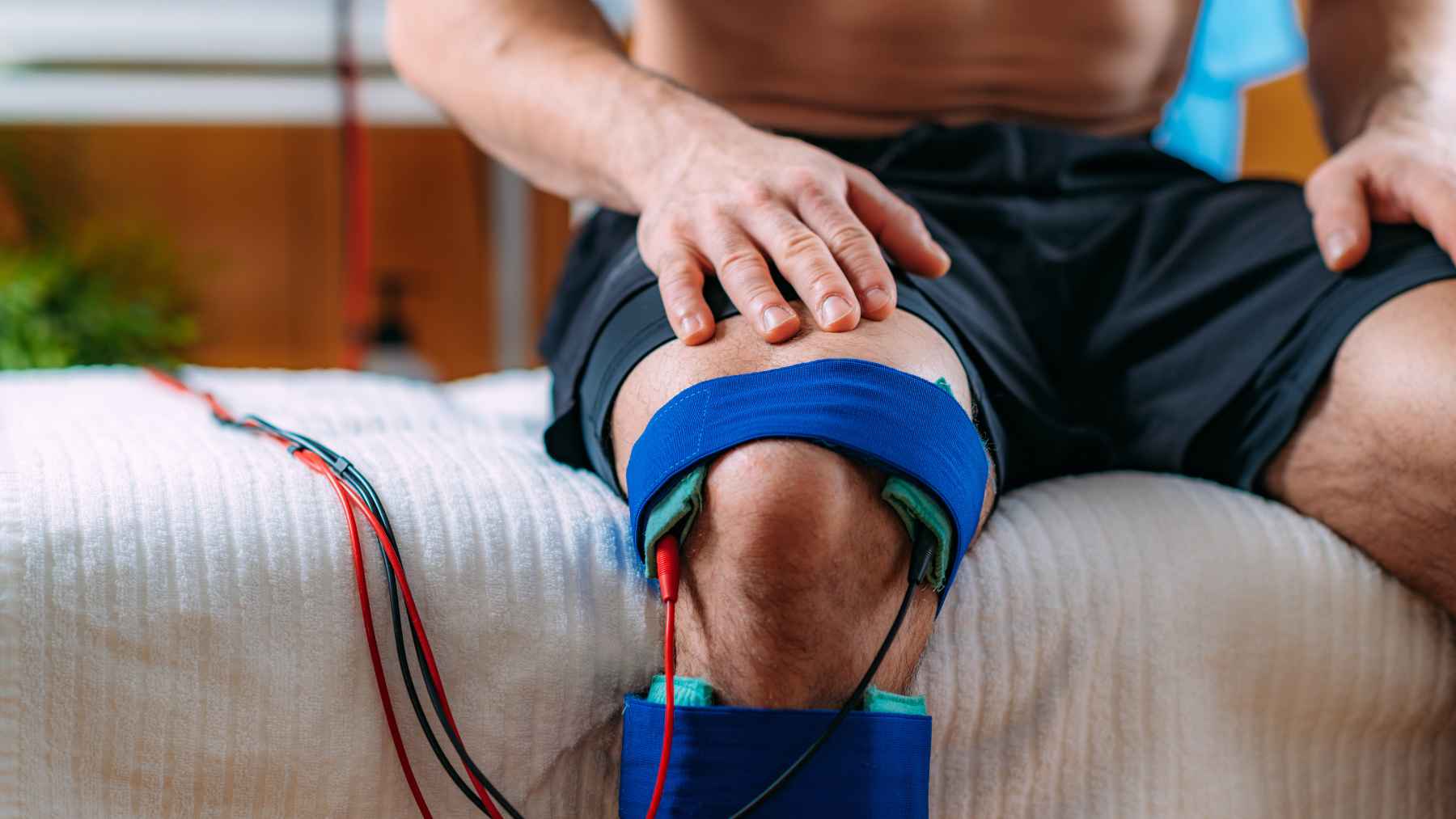
Electrical muscle stimulation uses pads called electrodes placed on the skin. The device sends small pulses that make a muscle tighten and relax, somewhat like the signal the nervous system sends when a person decides to move.
The key difference is that the muscle can contract without the joint having to move much. For someone whose knee or hip hurts with every step, that could offer a way to keep muscle active while avoiding some of the painful loading that comes with exercise.
Dr. Louise Burgess, a lecturer in sport and exercise science at Bournemouth University, has written about neuromuscular electrical stimulation as a possible tool for people with osteoarthritis who struggle with regular exercise.
Her research background includes work on muscle weakness in hip osteoarthritis and electrical stimulation.
What studies have found
A 2021 systematic review found that neuromuscular electrical stimulation is a promising approach for muscle problems in hip and knee osteoarthritis, as well as recovery after joint replacement surgery.
The same review found adherence in clinical trials was similar to education or voluntary exercise groups, suggesting the device itself may not be the main barrier for many patients.
Another 2021 study tested stimulation in adults with advanced hip osteoarthritis.
Electrical stimulation of the knee-extending muscles produced visible contractions in most participants with hip osteoarthritis, and the researchers concluded it may be feasible and acceptable for addressing muscle loss.
There is also interest before and after surgery. A pilot study in people preparing for total knee replacement found that a home-based stimulation program may improve quadriceps strength and help recovery, although the study was small and the authors called for more research.
It is not a cure
This is not a replacement for exercise for most people. At the end of the day, the goal is still to help people move better, stay independent, and keep doing ordinary things without pain taking over the whole day.
Experts are also careful about the limits. Some studies have been small, some results have been mixed, and not everyone likes the feeling of electrical stimulation on the skin.
It may also be unsuitable for some people, including those with certain implanted devices such as pacemakers. Anyone considering it should speak with a clinician first, especially if they have heart problems, nerve conditions, or are recovering from surgery.
A bridge back to movement
The most useful way to think about electrical muscle stimulation may be as a bridge. It could help people maintain strength when swelling, pain, or fear of movement makes normal exercise hard to tolerate.
That bridge could matter before surgery, during early recovery, or during a flare-up when even a short walk feels like too much. In those moments, keeping muscles awake may help prevent a bad week from turning into months of weakness.
For the most part, the message is not that electricity beats exercise. It is that some people may need another path back to movement, and this emerging therapy may give clinicians one more practical option.
The main work has been published in The Conversation.