The blank page looks harmless until you have to fill it. Then it can start to feel like a spotlight, especially when the words are personal, the deadline is close, or the first sentence refuses to behave. Writing is not only a technical skill. It is also a psychological task that asks people to tolerate uncertainty, judgment, and revision, often all at once.
That is why writer’s block is not simply a matter of bad discipline. Research on writing anxiety suggests that fear, physical stress, and avoidance can get tangled with performance, making it harder for writers to put ideas on the page.
In one study of 68 learners completing an IELTS writing task, writing anxiety had a significant negative relationship with writing performance, while somatic anxiety and avoidance behavior were significant predictors of lower scores.
The blank page starts in the body
Writing can feel strangely physical. Your shoulders tighten. The cursor blinks. The coffee goes cold while one sentence gets written, deleted, and written again.
That reaction is not mysterious. The Frontiers in Education study found that somatic anxiety, the body’s stress response, was strongly linked with weaker writing performance in the sample. In practical terms, the problem may begin before grammar or structure even enter the picture.
This matters because many writers blame themselves when they stall. They assume they are lazy, untalented, or out of ideas. But what if the brain is simply treating the draft like a threat?
Perfectionism can freeze the draft
Perfectionism sounds productive from a distance. Who would not want high standards? Up close, though, it can become a trap.
The study did not find a significant direct link between the measured dimensions of perfectionism and writing performance in that particular group. But the researchers noted broader evidence connecting maladaptive perfectionism with negative outcomes, and they described writing as a task loaded with apprehension and expectations.
Anyone who has tried to write a school essay, a work report, or a book chapter knows the feeling. You want the first draft to sound polished, so you never let it be rough. The sentence has to be perfect before the next one can exist.
Professional writers usually learn the hard way that drafting and editing are not the same job. First, you make the clay. Later, you shape it.
Procrastination may be protection
Procrastination is often treated as a moral failure. But for writers, it can also be a way to avoid exposure. The unwritten piece cannot be criticized yet.
That does not mean procrastination is harmless. It makes the pressure worse, and the pressure makes writing harder. A short delay can become a loop, especially when every attempt to begin comes with the fear of being judged.
So the useful question is not always “Why am I not working?” Sometimes it is “What am I trying not to feel?” That question can be uncomfortable, but it can also open a door.
Feedback changes the emotional weather
A draft is a vulnerable thing. It carries the writer’s thinking, but it is also unfinished, which means feedback can feel personal even when it is meant to help.
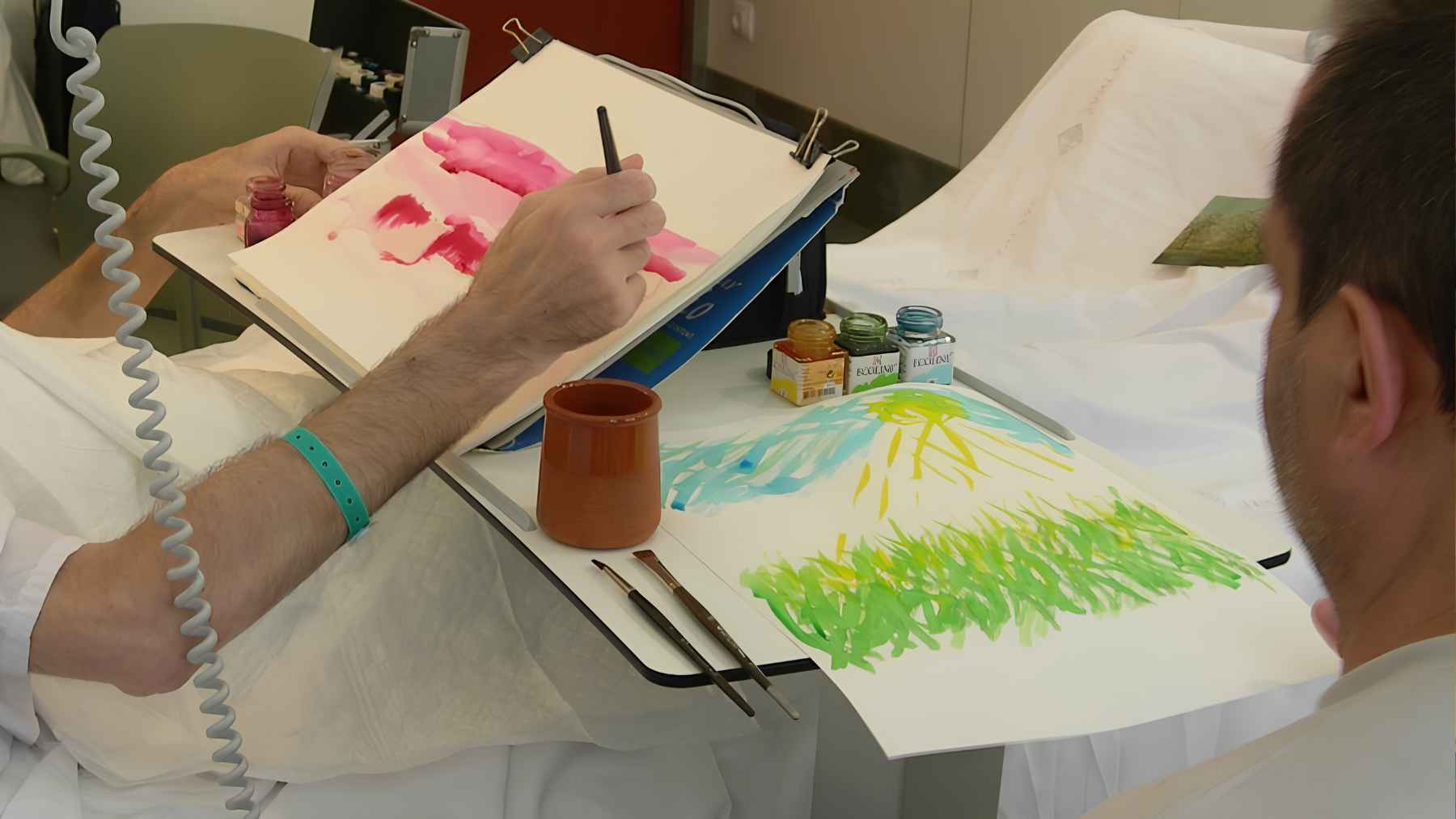
Recent work on writing anxiety in higher education notes that negative experiences with writing and feedback can deepen anxiety across cognitive, social, and behavioral areas. The same paper argues that creative practices and supportive learning communities can help reduce apprehension and rebuild confidence.
That is why good editing is not just correction. Yes, grammar matters. Structure matters too. But the bigger task is helping the writer see what the piece is trying to say before the red marks make everything feel like failure.
Movement can loosen ideas
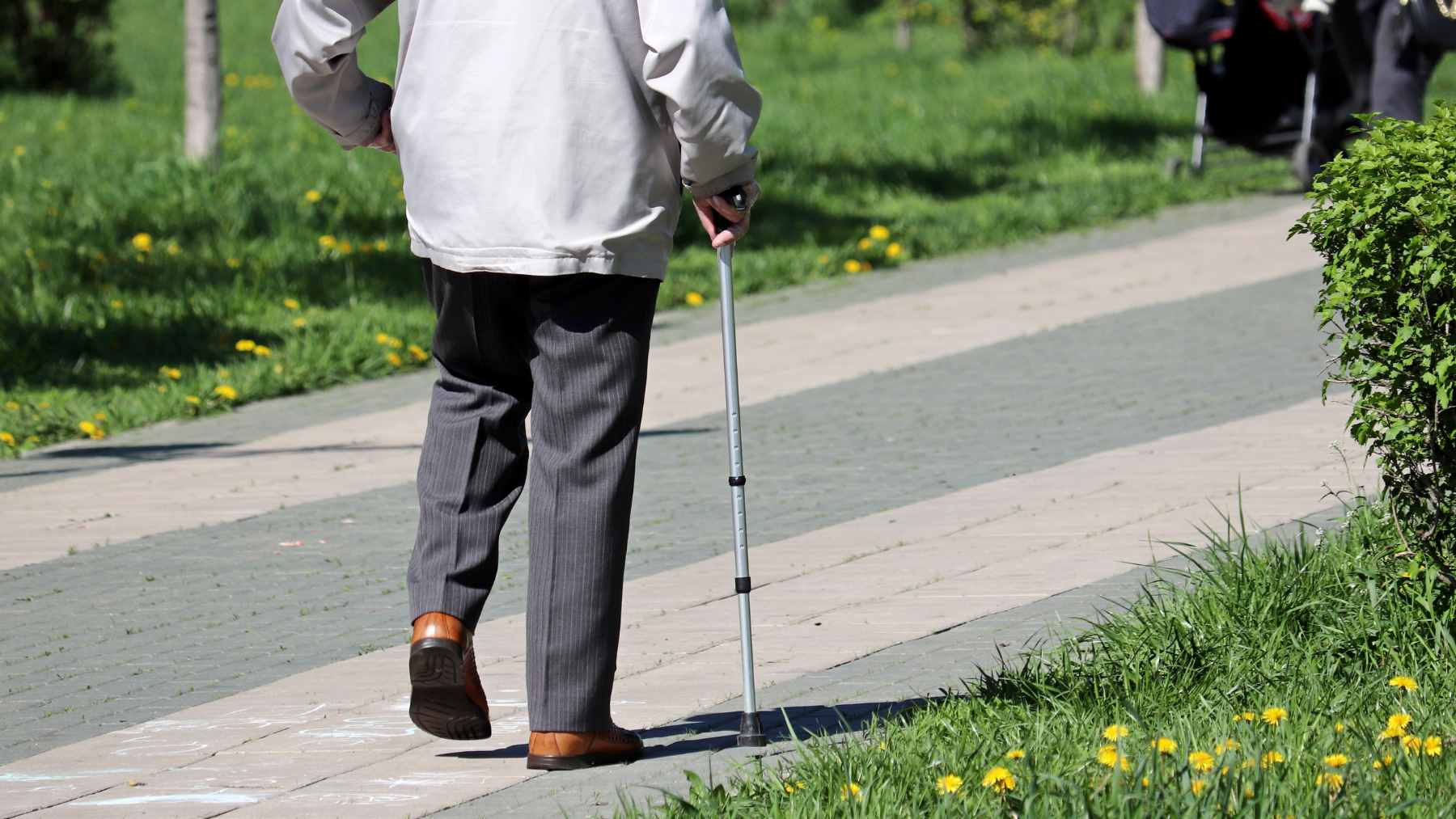
Sometimes, the best writing tool is not a keyboard. It is a walk around the block.
Stanford researchers found that walking boosted creative output by an average of 60 percent compared with sitting, especially for divergent thinking, the kind used to generate new ideas. That does not mean walking solves every problem. The study also found it did not help the same way with focused tasks that require one correct answer.
Still, for a stuck writer, that distinction is useful. When you need ideas, move. When you need to fact-check, organize, or polish, sit back down and focus.
The secret is not waiting for inspiration
Many people imagine professional writers as people who feel inspired more often than everyone else. The less glamorous truth is that they tend to have systems for writing when inspiration is missing.
That may mean writing for 20 minutes without editing. It may mean drafting the easiest section first, talking through the idea with someone else, or leaving a note for tomorrow’s self. Small rituals matter because they lower the emotional cost of starting.
At the end of the day, a writing habit is not built by defeating uncertainty forever. It is built by learning to work while uncertainty is still in the room.
A healthier way to write
The main takeaway is simple. Writer’s block is real, but it is not proof that a person has nothing to say.
For the most part, it is a signal. The writer may be tired, anxious, overcorrecting too early, or trying to satisfy an invisible audience before the idea has had time to breathe. That is frustrating, but it is also workable.
Start messy. Separate drafting from editing. Take a walk when ideas dry up. Ask for feedback from someone who can see the work clearly without turning the process into a trial.
The blank page will still be blank at first. But it does not have to be a verdict.
The full study was published in Frontiers in Education.