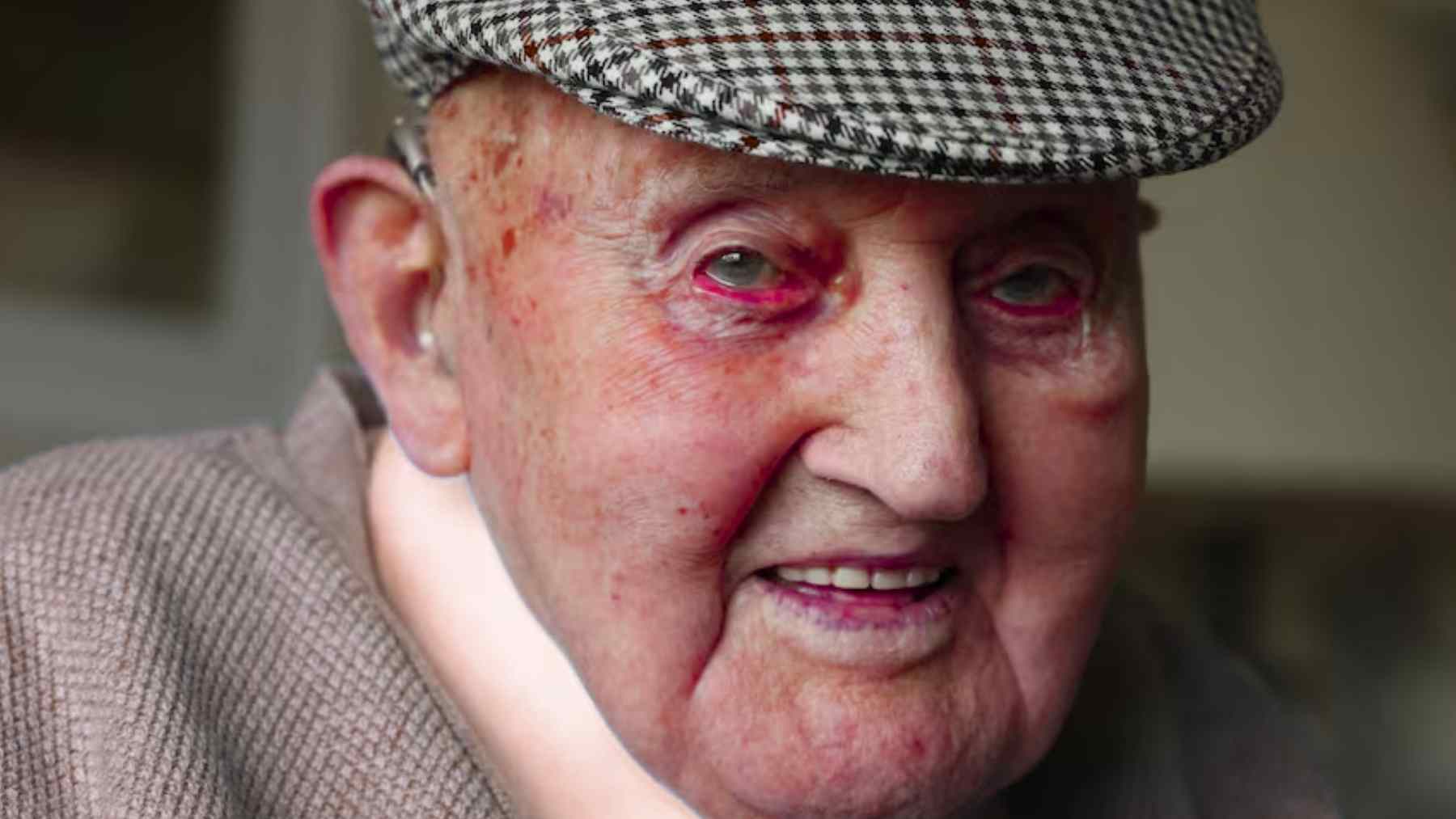
At 104, Paddy Claffey still lives in his own home in rural County Offaly, and he credits his longevity to “hard work,” a “good appetite,” never drinking alcohol, and quitting smoking at 45.
He also points to his late wife Margaret’s brown bread and apple tarts, and he still gets fresh air on a mobility scooter while checking the local mart on a tablet.
Centenarian stories can turn into a search for a single “secret,” but one life does not prove cause and effect. What it can do is highlight the basics that get lost in the wellness noise, and his list lines up with the big themes from public health research.
Start by dropping the highest-risk habits, then make daily life easier to repeat.
A simple routine at 104
Claffey gets up around 10 o’clock, rides his scooter when the weather is good, and keeps up with the paper, sports, and the mart on his tablet. He also goes out with family on the farm and stays rooted in local life, including leading the St Patrick’s Day parade in Clara.
Routine is not glamorous, but it tends to be protective. A day with movement, stimulation, and a reason to step outside is different from a day spent isolated on the couch. That’s the point.
Tobacco is the biggest lever
One detail in Claffey’s story deserves a spotlight. He smoked and then stopped at 45, and large studies suggest quitting can matter more for lifespan than any single “superfood” swap. Midlife is not too late.
A 2024 pooled analysis of four national cohorts in the United States, the United Kingdom, Canada, and Norway followed about 1.48 million adults for roughly 15 years and recorded more than 122,000 deaths.
Current smokers had about 2.7 to 2.8 times the risk of death compared with never smokers, and smokers lived 12 to 13 fewer years between ages 40 and 79.
The same study found benefits of quitting were evident as early as three years after cessation, with longer-term quitters approaching the survival of never smokers.
Compared with continued smoking, the authors estimated quitting for fewer than three years could avert about five years of life lost, while quitting for 10 or more years could avert about 10. That is a big return for a single decision.
Alcohol abstinence is not a fringe choice
Claffey says he has never drunk alcohol, which can sound extreme if a drink is part of your social routine. But the idea that “moderate” drinking is harmless has gotten a lot less certain. For many people, cutting back is starting to look like the simpler option.
WHO Europe says available evidence cannot identify a threshold below which alcohol’s carcinogenic effects do not occur, so risk does not suddenly begin at a neat number of drinks.
That does not mean every sip guarantees disease, but it does mean “less” is a meaningful direction. If you do not drink, there is no health reason to start.
Baking is not a magic ingredient
Claffey’s shout-out to brown bread and apple tarts is a reminder that longevity is lived, not optimized. Enjoying food can be compatible with health when the overall pattern is steady, and when treats stay as treats.
For most people, the bigger issue is not home baking, it’s the everyday drift toward highly processed, sugary, and salty foods.
The current Dietary Guidelines for Americans keeps the message plain, urging people to “eat real food” and to limit highly processed foods, added sugars, and refined carbohydrates.
That kind of advice can fit with a kitchen that produces bread and the occasional tart, as long as most meals still look like meals. Perfection is not the goal, repetition is.
Connection shows up in small practical ways
His family rotates support, with daytime visits and someone staying overnight, and he has not spent a night alone since his wife died in 2004. That is caregiving, but it is also companionship and safety. It is easy to overlook how much that shapes daily stress and resilience.
WHO’s Commission on Social Connection reports that 1 in 6 people worldwide is affected by loneliness, and it links loneliness to more than 871,000 deaths a year.
Stronger social connection is associated with better health and longer life, and the report points to small steps like reaching out to a friend and being present in conversation. Who is in your corner when things slip?
What readers can borrow without chasing immortality
If you smoke, the takeaway is blunt. Quit, and get help doing it. The data suggests benefits can show up within a few years, even if you are not 25 anymore.
If you drink, consider cutting back, and if you do not drink, do not feel pressured to start for “heart health.” Then keep moving in ways you can repeat, because CDC guidance points adults toward 150 minutes a week of moderate activity plus two days of muscle strengthening.
Finally, make the routine social, whether that means a walking buddy, Sunday dinner, or a quick call that turns into a real check-in. These are the kinds of habits that do not look impressive on an app, but they add up over decades.