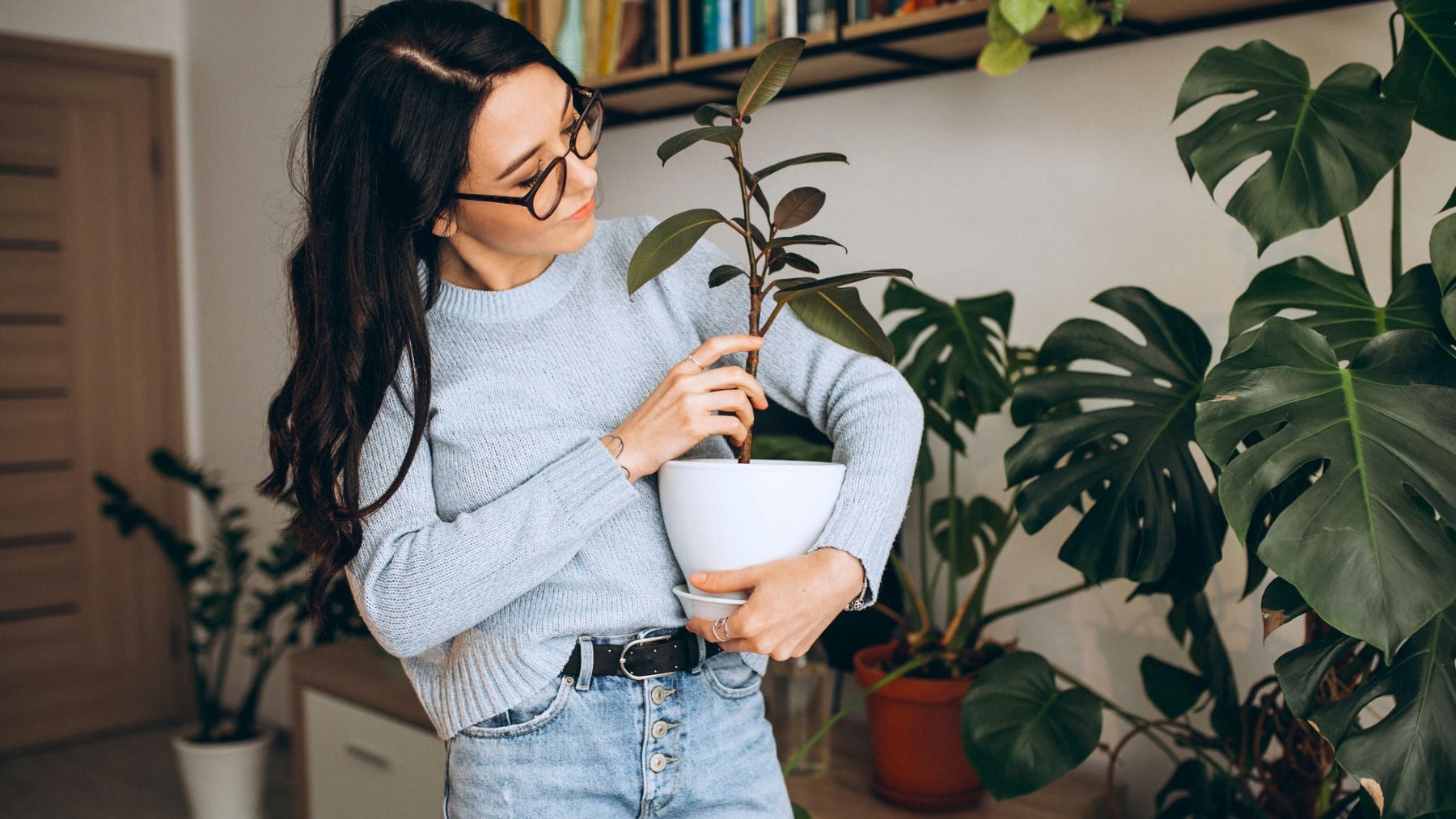
Plants bring life to any room. They clean the air, brighten corners, and can even improve your mood. But in Feng Shui, not all of them have the same effect. Some plants attract positive energy, while others may disrupt it. One plant in particular, popular for its color and beauty, is said to bring bad luck and emotional heaviness if kept indoors.
That plant is the hydrangea. While it looks soft and delicate, Feng Shui traditions warn against keeping it inside your home. Here, we’ll explain why the hydrangea is considered bad luck indoors, what it symbolizes, and how to use it more intentionally. We’ll also go over other tips for creating a balanced and harmonious space using Feng Shui.
The hydrangea: a plant that doesn’t belong inside
Hydrangeas are loved for their full, showy blooms and soft hues, from pale blues to vibrant pinks. You’ll see them in wedding bouquets, front yards, and floral displays. But when it comes to interior placement, Feng Shui takes a more cautious view.
According to Feng Shui principles, the hydrangea is linked to solitude and emotional distance. It’s said to attract feelings of isolation, withdrawal, and even sadness.
These associations may come from the plant’s historical symbolism: across different cultures, hydrangeas have been tied to unrequited love or apology. That emotional weight makes it a poor choice for a home environment, especially in places where you want to foster connection or warmth.
That doesn’t mean you need to get rid of your hydrangeas altogether. If you love the plant, the best place to keep it is outside—in a garden, on a balcony, or near a window that faces outdoors. From there, it still brings beauty without interfering with the emotional balance of your living space.
Other Feng Shui tips to keep your home in balance
Feng Shui is all about the flow of energy, or chi. When that energy is blocked or disrupted, it can affect your mood, focus, or relationships. The goal is to create a space where chi moves freely and supports your life. Here are a few ways to apply it at home:
- Choose plants with supportive energy: Look for ones tied to health, abundance, or protection, like jade plants, bamboo, or peace lilies.
- Keep entryways clear: The front door is where energy enters. Avoid clutter or obstacles that block it.
- Use the five elements: Fire, earth, metal, water, and wood can be reflected through color, materials, or shapes. A balanced mix keeps energy moving.
- Avoid sharp corners and harsh lines: Round shapes and soft edges help ease the energy in a room.
- Let go of what you don’t use: Clutter weighs down a space. If something has no purpose or brings bad memories, it’s time to let it go.
Like any design practice, Feng Shui works best when you apply it with intention. That includes what you bring in and what you leave out. Hydrangeas may be beautiful, but they carry an emotional weight that doesn’t always belong indoors. Try placing them outside and notice the shift.