Tennessee regulators have ordered Carbon Rivers of Knoxville to cease activities at its recycling site. A July 21 inspection concluded that some shredded fibers were escaping after processing in its ongoing case, and that a viable market for the material had not been established.
That does not mean wind blade recycling is a dead end. It does mean the industry’s hardest problem may be bigger than the furnace itself. A recycling process only closes the loop when discarded blades are safely handled, the recovered fiber meets buyers’ needs, and those buyers are ready to purchase it at scale.
The promise inside a giant blade
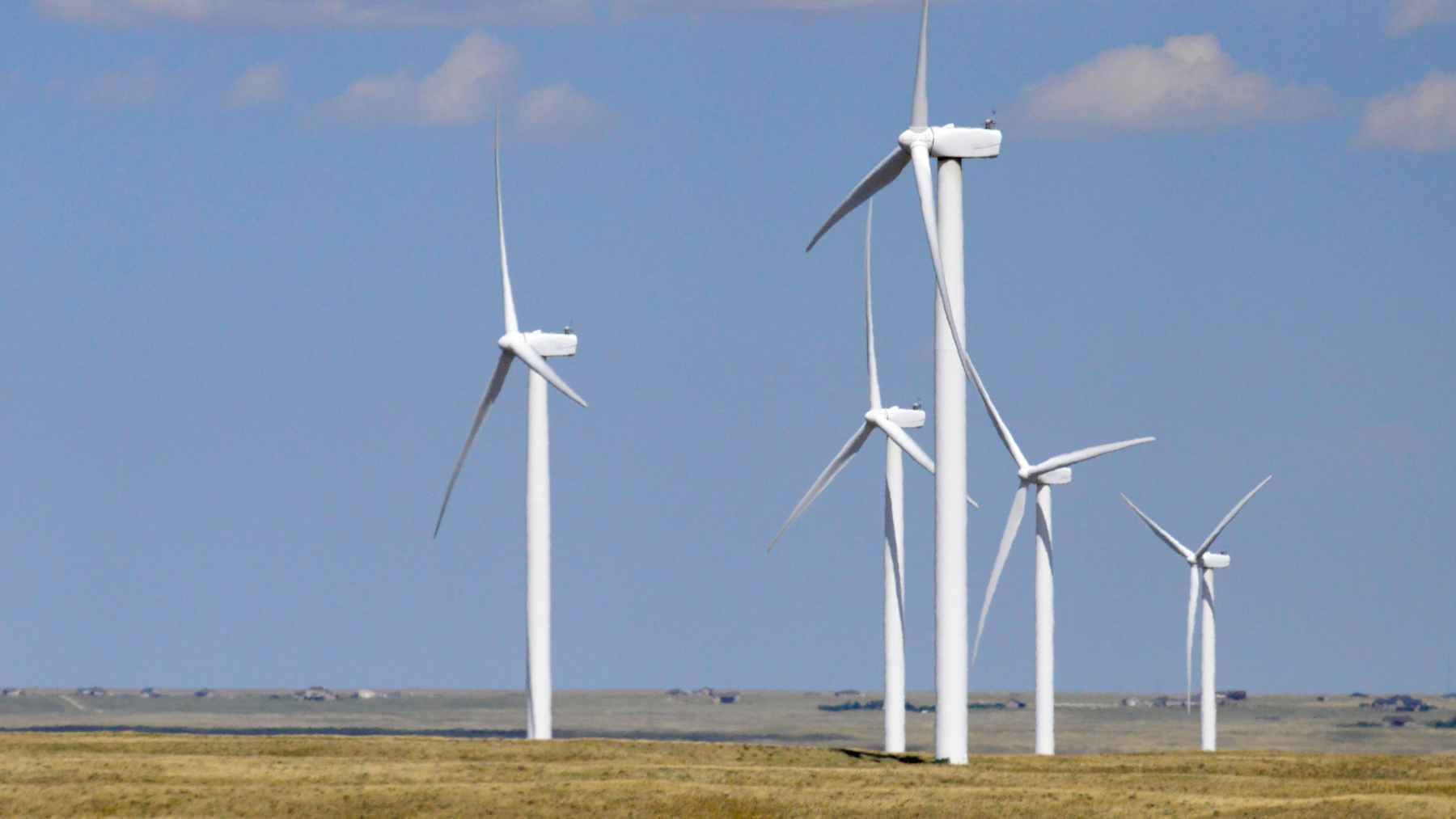
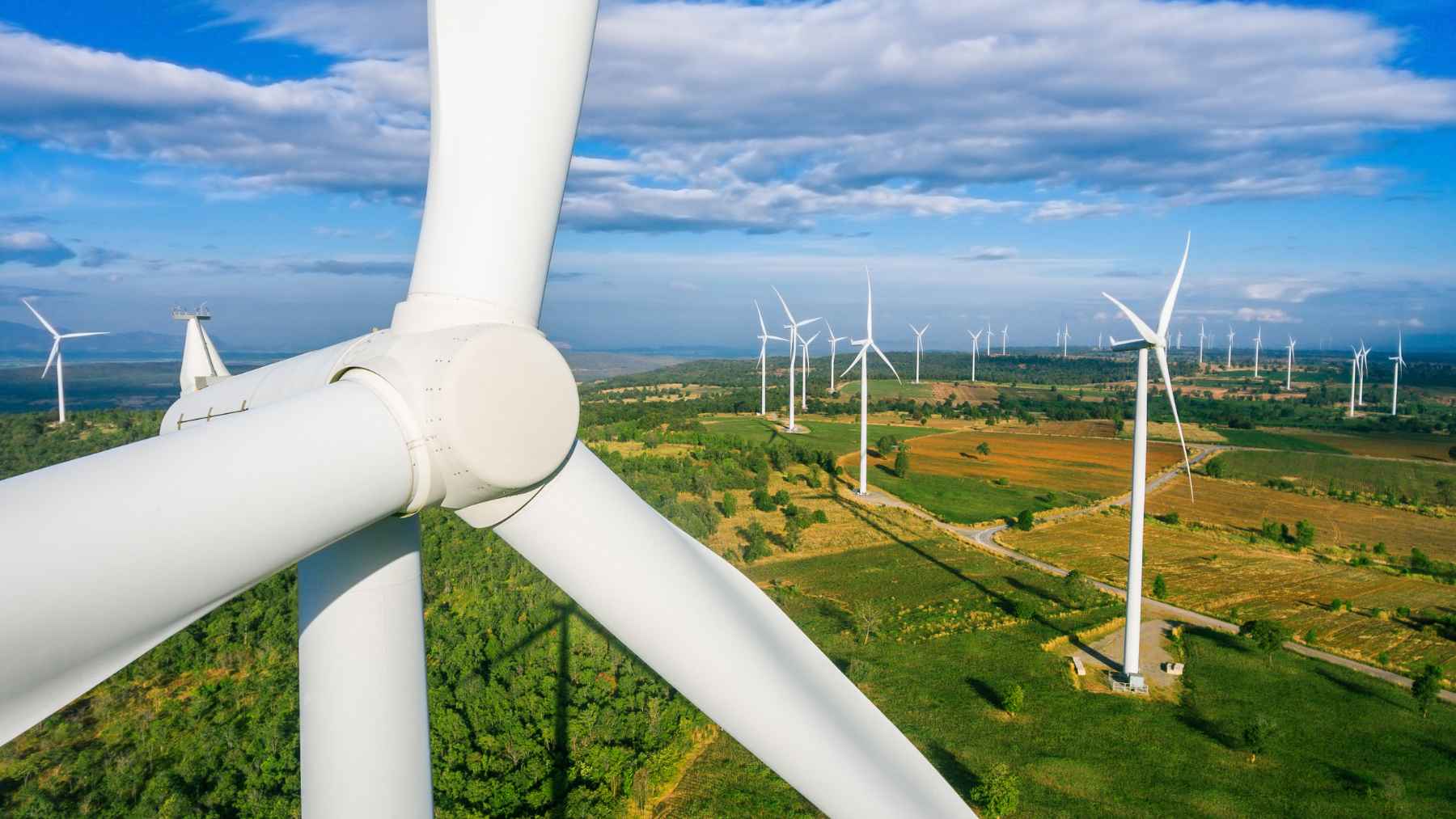
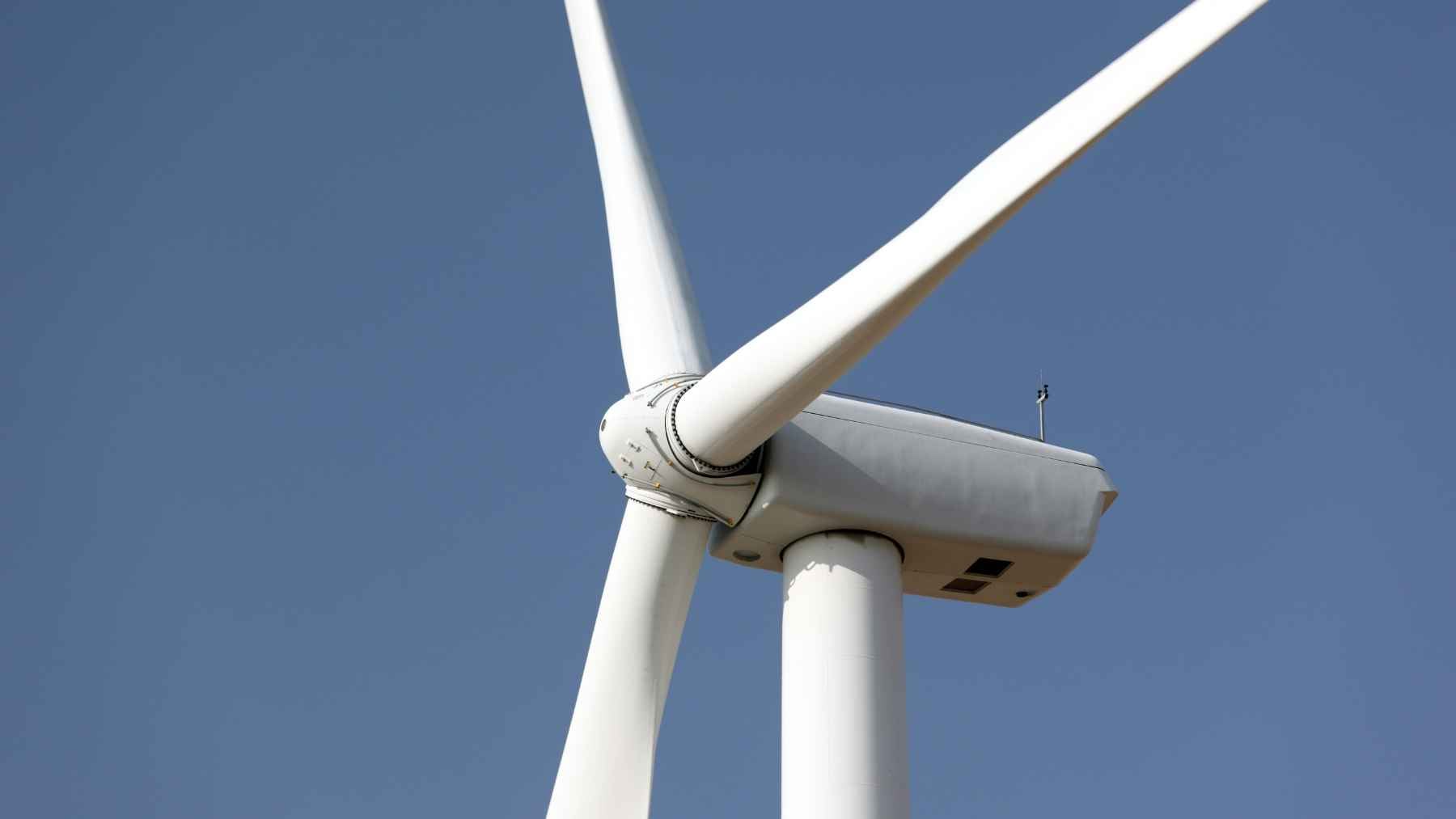
A modern land-based wind turbine blade can stretch beyond 170 ft., while the largest offshore models reach about 350 ft. Built to flex through storms and survive years of weather, these structures often contain large amounts of glass fiber held together with tough resins. That durability is useful in the sky and stubborn on the ground.
Most of a wind turbine is not especially difficult to recycle. The Department of Energy estimates that roughly 85% to 90% of a turbine’s mass, including steel, copper, and other metals, can already move through established recycling markets. Composite parts such as blades make up a much smaller share, generally 6% to 14%, but they remain the awkward piece of the puzzle.
Why old blades pile up
For years, landfills were the practical default because cutting, hauling, and burying blades was often cheaper than recovering their composite materials.
The Department of Energy said that, as of 2022, most retired blades were still landfilled because alternative routes were more expensive or unavailable in many regions. Cheap disposal can make an elegant recycling idea difficult to finance.
The volume is also set to rise. Federal estimates projected about 3,000 to 9,000 blades retiring annually in the United States during the first half of the 2020s, potentially increasing to 10,000 to 20,000 a year by 2040. Depending on assumptions about blade life, annual U.S. blade waste could reach roughly 200,000 to 370,000 tons by 2050.
What Carbon Rivers developed
Carbon Rivers attracted federal support for a thermal process known as pyrolysis. In an oxygen-free environment, heat breaks down the resin and other polymers around the reinforcement fibers, leaving glass fiber that can be collected and used again. The Department of Energy reported a recovery purity of 99.9% and said the process also produces syngas and pyrolysis oil.
The company had processed several thousand tons when the Energy Department profiled the technology in 2022. It was also developing capacity for more than 55,000 tons. Carbon Rivers still says its recovered material can serve automotive, aerospace, marine, construction, and wind industry customers.
That is the attractive part of the pitch. Instead of paying to bury fiberglass, manufacturers could turn it into vehicle panels, building products, boat components, or even new composite structures. In practical terms, the old blade becomes an inventory of material rather than a final disposal bill.
The Tennessee case changes the picture
Tennessee’s environmental agency lists Carbon Rivers as a recovered materials processing facility at 350 Powerhouse Road in Kingston. The case update supplied for this story says the agency ordered the company in February 2026 to stop accepting material and remove everything within one year under case SWM25-0034.
The same update says inspectors later reported shredded fibers leaving the property and said the company had not shown a viable market for the recovered fiber. Carbon Rivers neither admitted nor denied the findings. It said an end customer terminated a contract in early 2025 and committed to vacating the site by February 2027.
That distinction matters. The state action does not, by itself, prove that pyrolysis cannot recover useful glass fiber. It does show that promising laboratory or demonstration results do not remove the need for containment, dependable customers, storage controls, and a business plan that works when a major contract disappears.
A buyer matters as much as a furnace
Recycling has three linked jobs. Material must arrive safely, the process must produce a consistent output, and someone must buy that output at a price that supports the whole operation. Break the last link and recovered fiber can become another stockpile, even when the underlying technology works.
This is especially important for composites because buyers have strict requirements for fiber length, strength, cleanliness, and consistency. Recycled material also competes with newly manufactured glass fiber, while landfill costs vary by location.
The Department of Energy has repeatedly identified economics, market demand, infrastructure, and regulation as decisive factors in a blade’s end-of-life route.
What the wind industry should watch
Pyrolysis is only one path. Mechanical recycling can grind blades into fillers, while repurposing can turn sections into bridges or other structures. Researchers and manufacturers are also developing thermoplastic resin systems that can be reheated and reshaped more easily than conventional thermoset composites.
The Carbon Rivers case is therefore not a verdict on every blade recycling method. It is a warning about what happens when technical ambition runs ahead of commercial resilience and day-to-day environmental controls.
Wind power’s cleanup challenge will not be solved by one impressive machine alone. It will take reliable buyers, enforceable standards, transparent operations, and designs made with their eventual retirement in mind.
The official enforcement records were published on the Tennessee Department of Environment and Conservation public register.