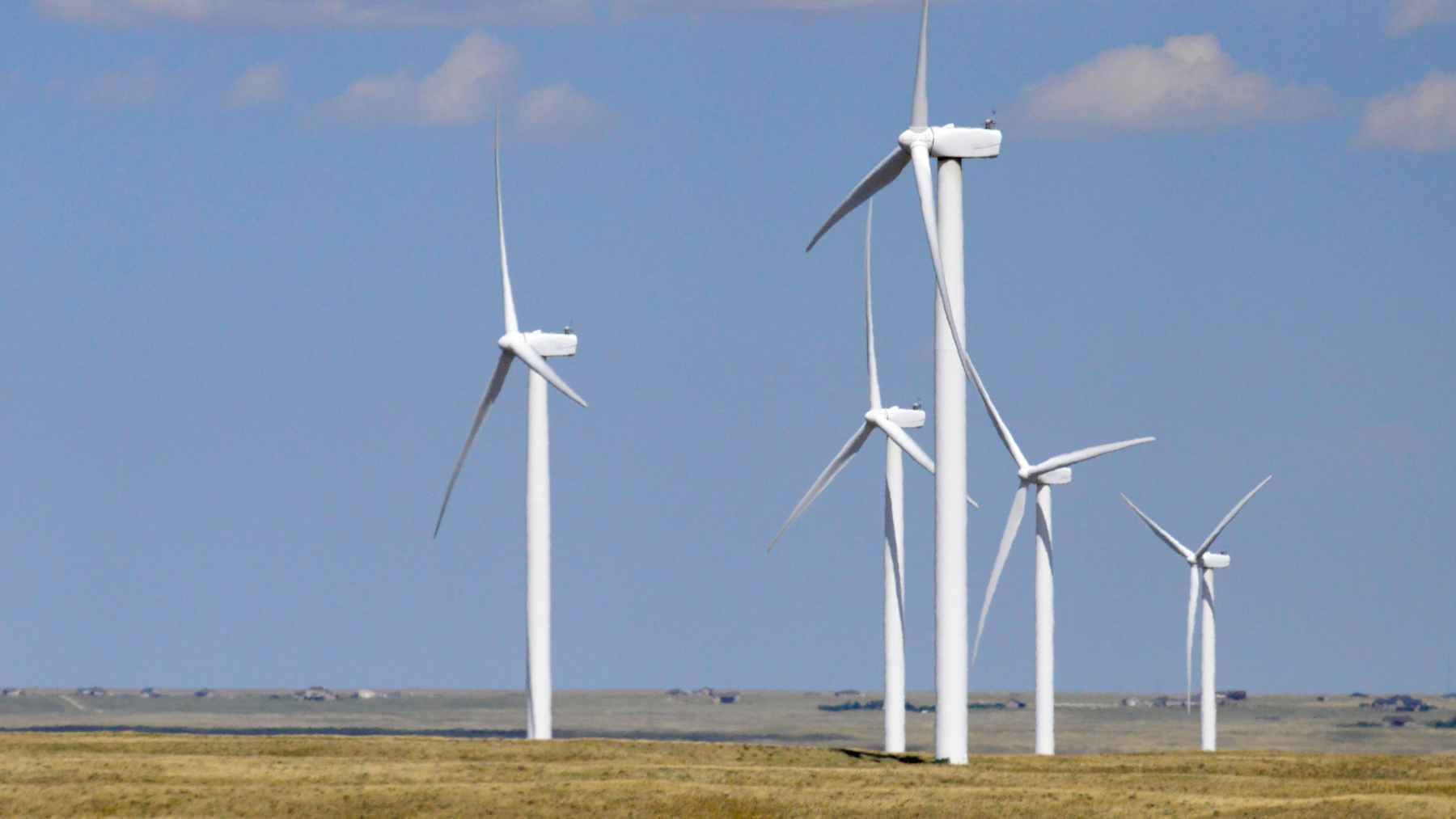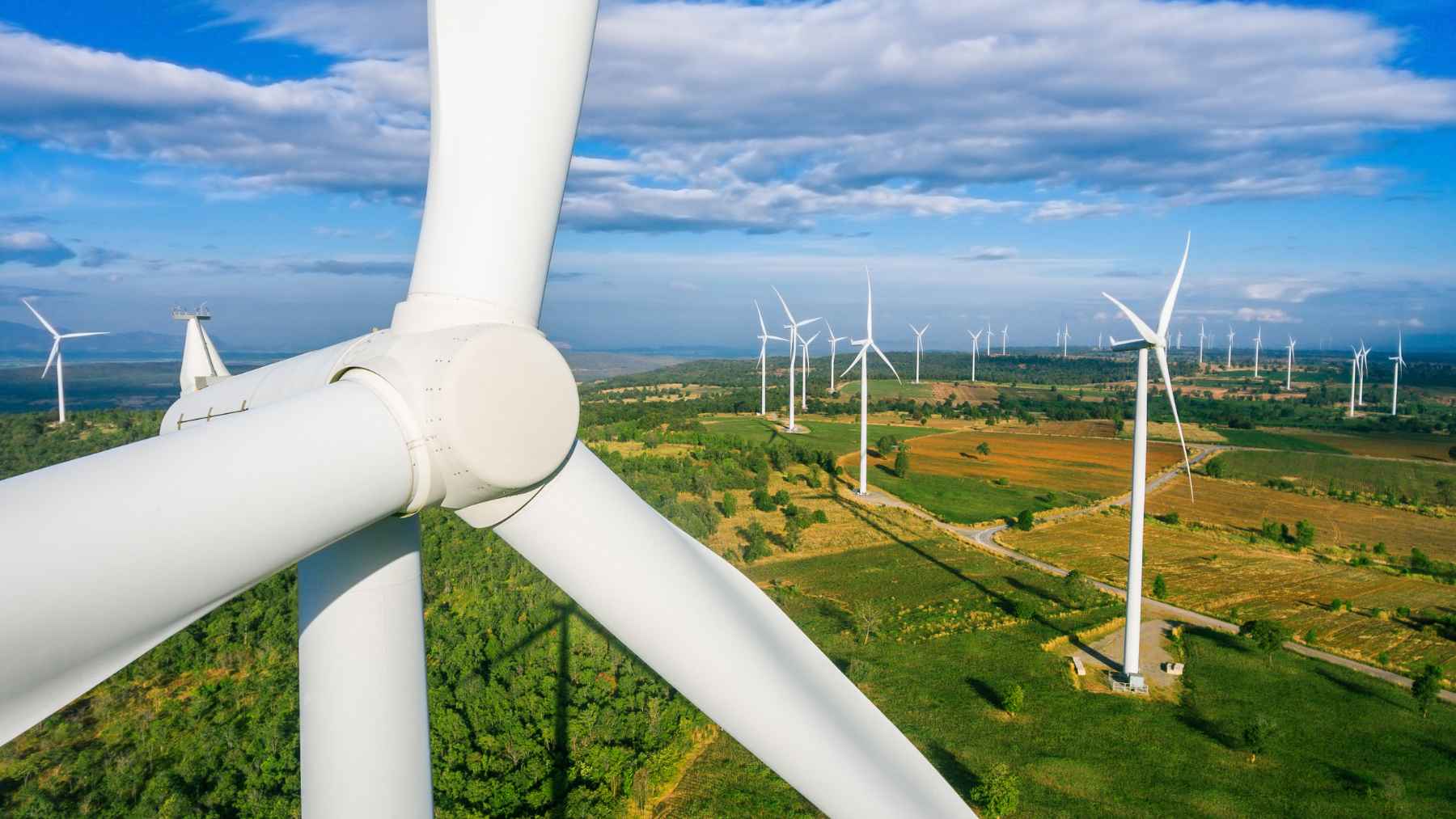
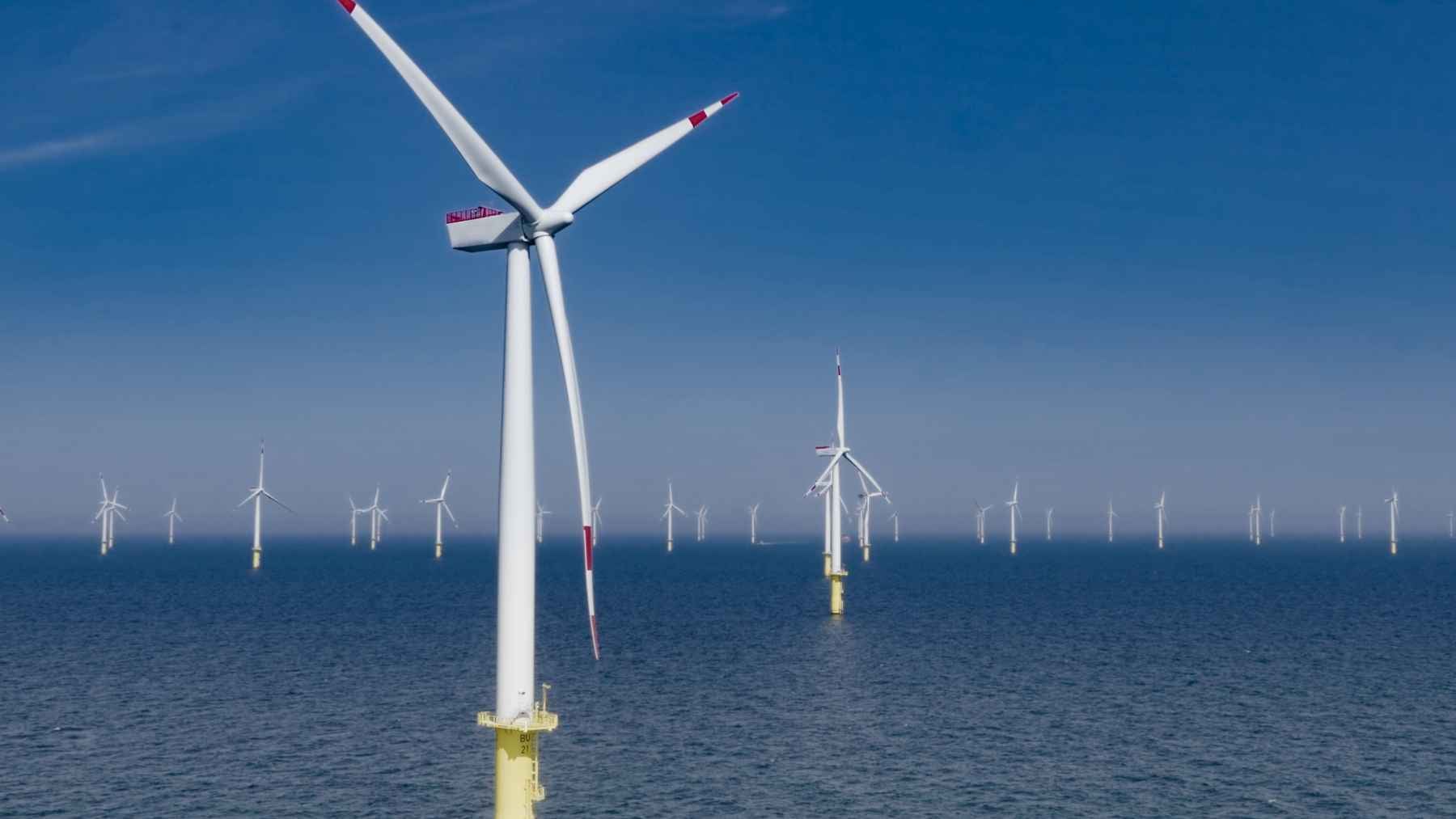
Here is something kind of wild: an offshore wind farm in the German North Sea appears to be slowing down the wind before it even reaches the first row of turbines, according to long-range laser measurements.
Researchers measured an average 4 percent decline over about 1.8 miles during stable atmospheric conditions, when the turbines were operating with high thrust.
So what does that actually mean? It is a real-world proof of something called “global blockage,” basically a farm-wide effect that can change the airflow well before it ever touches a single blade.
And this discovery might actually matter a lot going forward, since it could push developers to sharpen their output forecasts as offshore wind projects keep getting bigger and start packing into the same stretches of sea.
Lasers spotted the change
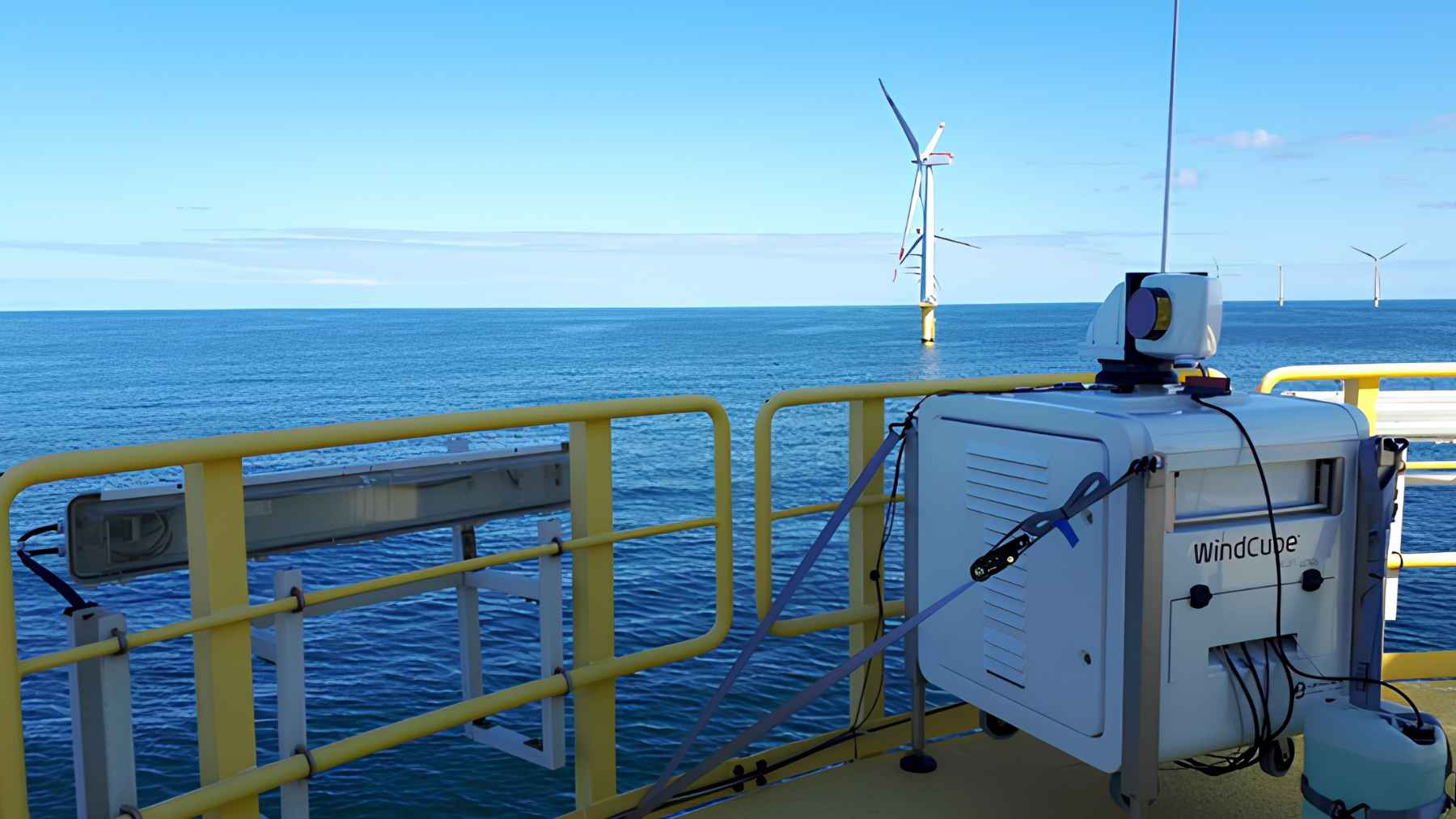
So how’d they actually catch this happening? Researchers installed a scanning Doppler lidar about 81 feet above sea level at the 400-megawatt Global Tech I wind farm. Instead of just checking wind speed at one single spot, this instrument mapped the incoming wind across several miles at once.
And here is the interesting part: the effect did not show up everywhere, only under pretty specific circumstances. It was visible in a stably layered atmosphere when turbine thrust was high, but not during unstable conditions or when the machines were exerting little thrust.
Why does the air slow down
Think about it like walking through a crowded doorway. People start bunching up before they even reach it, right? In a weird way, a large turbine array seems to create something similar in the atmosphere.
Basically, all those turbines together create a kind of pressure buildup right up in front of the wind farm, slowing down part of the incoming air, pushing some of it up and over, or around, the whole array.
More recent computer simulations indicate that, under certain atmospheric conditions, displacement near the top of the boundary layer and the resulting pressure changes may dominate over the simple mechanical blockage of individual rotors.
Small numbers can matter
Okay, four percent does not exactly sound like a huge deal at first glance, right?. But here is the catch: below a turbine’s rated output, the actual power available in the wind scales with the cube of wind speed. So that same small drop in wind speed translates to about 12 percent less kinetic power in the air, even before accounting for turbine controls or other farm effects.
But hold on, before you start panicking about your electric bill: the researchers did not claim an equivalent 12 percent loss in annual electricity production. Quite the opposite, actually. They said global blockage is much smaller than ordinary wake losses and that its annual energy impact still needs experimental and numerical study.
Offshore design is changing
This whole thing matters for a pretty practical reason. Output estimates underpin financing, turbine spacing, and long-term revenue forecasts. Germany’s plan for 70 gigawatts of offshore wind by 2045 will make the German Bight increasingly dense, raising the value of models that account for interactions between neighboring farms.
There is actually an ongoing project called the C²-Wakes project that is testing scanning lidar, optimized layouts, new turbine concepts, and control methods to reduce large-scale effects. The goal is not to slow offshore wind growth, but to make the next generation of projects more predictable before steel reaches the water.
The latest scientific study discussed here was published on Wind Energy Science.