How fast is too fast when it comes to new technology and car models? Consumer Reports’ 2026 reliability survey listed five models most prone to malfunctions, all SUVs and trucks, pointing to a common thread and raising the clichéd quip, “they don’t build them like they used to.”
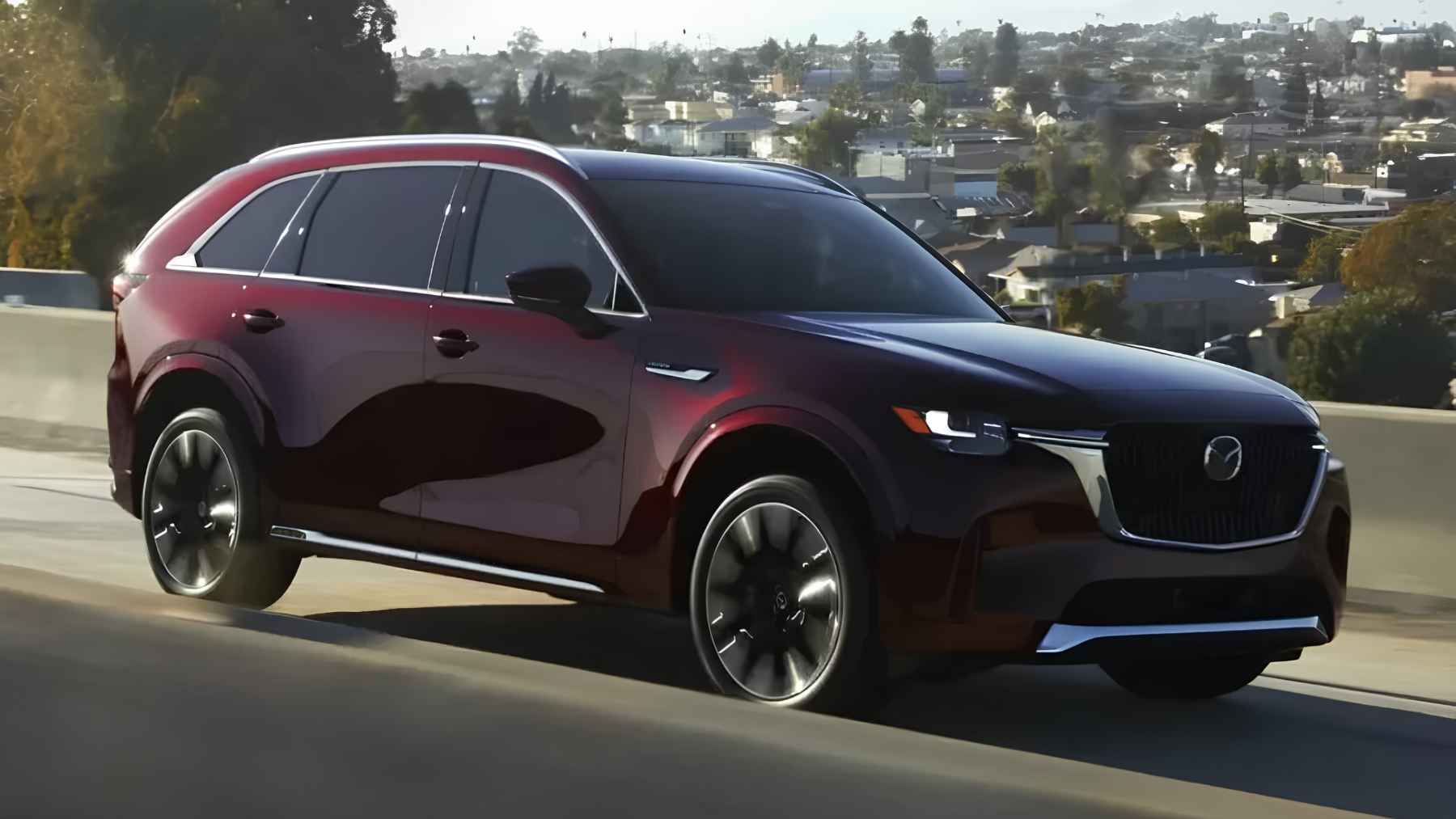
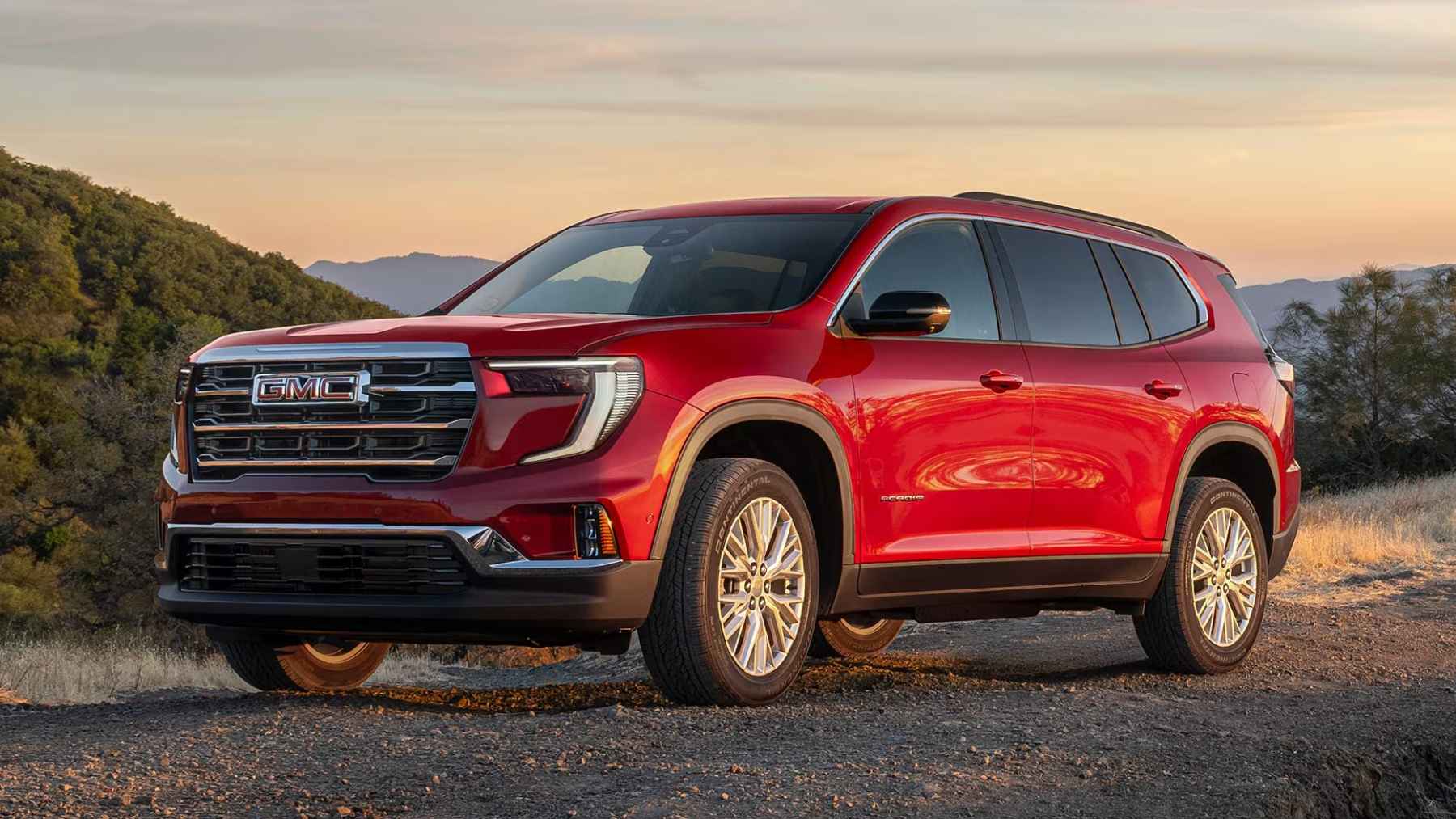
The GMC Acadia sits last with a predicted reliability score of 14 out of 100, followed by the Rivian R1T at 18, Chevrolet Blazer EV at 19, Mazda CX-90 Plug-in Hybrid at 20, and Genesis GV60 at 21. Four of the five are electrified, yet the worst performer is a gasoline SUV.
That distinction matters because the real warning is not simply about EVs, but about complex new platforms reaching buyers before every problem has been ironed out.
How the ranking works
Consumer Reports gathered information on about 380,000 vehicles covering model years 2000 through 2025, along with some early 2026 models.
Owners reported problems experienced during the previous 12 months across as many as 20 areas, including engines, transmissions, electric motors, batteries, charging systems, brakes, climate controls, body hardware, and in-car electronics.
The organization then weights those problems by severity and uses the results to predict how new models are likely to perform.
In practical terms, a score is a warning signal rather than a promise that every example will fail. It is also why shoppers should study the exact model and model year instead of trusting a badge or an entire powertrain category.
Genesis and Mazda stumble
The Genesis GV60 ranks fifth from the bottom with a score of 21. Owners reported trouble involving the high-voltage battery, charging hardware, drive system, climate controls, brakes, electrical accessories, body components, infotainment, leaks, and exterior trim. Premium styling and a long feature list did not shield it from a surprisingly wide repair profile.
Just below it, the Mazda CX-90 Plug-in Hybrid scores 20. Its reported trouble spots stretch across the battery, electric motor, transmission, fuel system, steering, suspension, brakes, electronics, and cabin hardware.
A plug-in hybrid has to manage a gasoline engine and an electric drive system, which can turn one appealing package into a complicated mechanical balancing act.
Blazer EV and R1T face growing pains
The Chevrolet Blazer EV lands in third place with a score of 19. Consumer Reports cites battery and cooling concerns, climate-system faults, 12-volt battery failures, frozen or blank displays, and other electronic issues.
General Motors had already paused Blazer EV deliveries in December 2023 over software quality problems, then resumed sales in March 2024 after rolling out significant updates.
The Rivian R1T ranks second to last with a score of 18. Reported issues include the EV battery, electric motors, climate system, steering and suspension, power accessories, door handles, tailgate hardware, water or wind leaks, and loose trim.
The truck may be highly capable, but the survey shows how difficult it can be for a young automaker to scale an advanced vehicle while refining hardware and software at the same time.
GMC Acadia falls to last place
The GMC Acadia earns the lowest score at 14, and its most serious concerns are decidedly old-school. Owners reported transmission problems that included fluid leaks and, in some cases, full replacement, along with brake faults, electrical accessory failures, and infotainment trouble.
That is a rough list for a three-row family SUV expected to handle school runs, vacations, and daily commuting without drama.
Its last-place finish keeps the ranking from becoming a simple anti-EV story. A gasoline vehicle can still be the least reliable model when a redesign introduces weak components, electronics, or quality-control problems. New technology is only part of the puzzle, and execution still counts.
Reliability has a carbon footprint
A vehicle affects the environment before its first trip and after its last one. Raw-material extraction, parts production, assembly, maintenance, and disposal all sit inside its life cycle, while research has found that extending useful vehicle life can reduce the carbon burden associated with repeated manufacturing.
Put simply, durability deserves a place beside efficiency when people talk about greener transportation.
That does not mean one repair cancels a vehicle’s climate benefits. Still, premature replacement of a battery pack, drive unit, transmission, or electronic module can require additional materials, factory energy, shipping, and waste handling. The environmental cost is harder to see than a tailpipe, but it does not disappear.
This is not a verdict on every EV
The presence of several electrified models near the bottom should be read carefully.
The Environmental Protection Agency says EVs typically have a smaller lifetime carbon footprint than gasoline vehicles even after battery manufacturing is counted, and a Department of Energy life-cycle model estimates that a representative 2025 electric SUV produces 46% fewer greenhouse gas emissions than a comparable gasoline SUV.
Battery failures are not the norm across the entire EV fleet, either. The EPA cites recent data showing that replacements caused by failure fell below 0.5% for model year 2016 and newer vehicles, excluding major recalls. The problem highlighted by the Consumer Reports ranking is concentrated model reliability, not proof that electric propulsion itself is inherently disposable.
The broader technology lesson
Consumer Reports says EVs and plug-in hybrids average about 80% more problems than gasoline-only cars in its latest data, while conventional hybrids average about 15% fewer.
Jake Fisher, the organization’s senior director of auto testing, said many electrified models are “newer designs” whose remaining “kinks” are still being worked out. Mature engineering can matter more than novelty.
For buyers, that means looking beyond range, horsepower, screen size, and tax incentives. Check model-specific reliability, recall history, software-update status, warranty terms, dealer expertise, and local repair capacity. Many manufacturers offer battery coverage of eight years or 100,000 miles, but a warranty cannot make a long service delay convenient.
What buyers should keep in mind
There is no need to reject every first-generation EV, plug-in hybrid, or redesigned SUV. But shoppers who value low running costs and a smaller long-term footprint may be better served by a proven platform with a solid repair record, even when it lacks the newest dashboard or the fastest charging claim.
Sometimes the sensible choice is the one that simply keeps working.
At the end of the day, reliability is not separate from sustainability. A car that lasts, can be repaired, and stays useful for years makes better use of the energy and materials already invested in it.
The full reliability ranking was published on Consumer Reports.