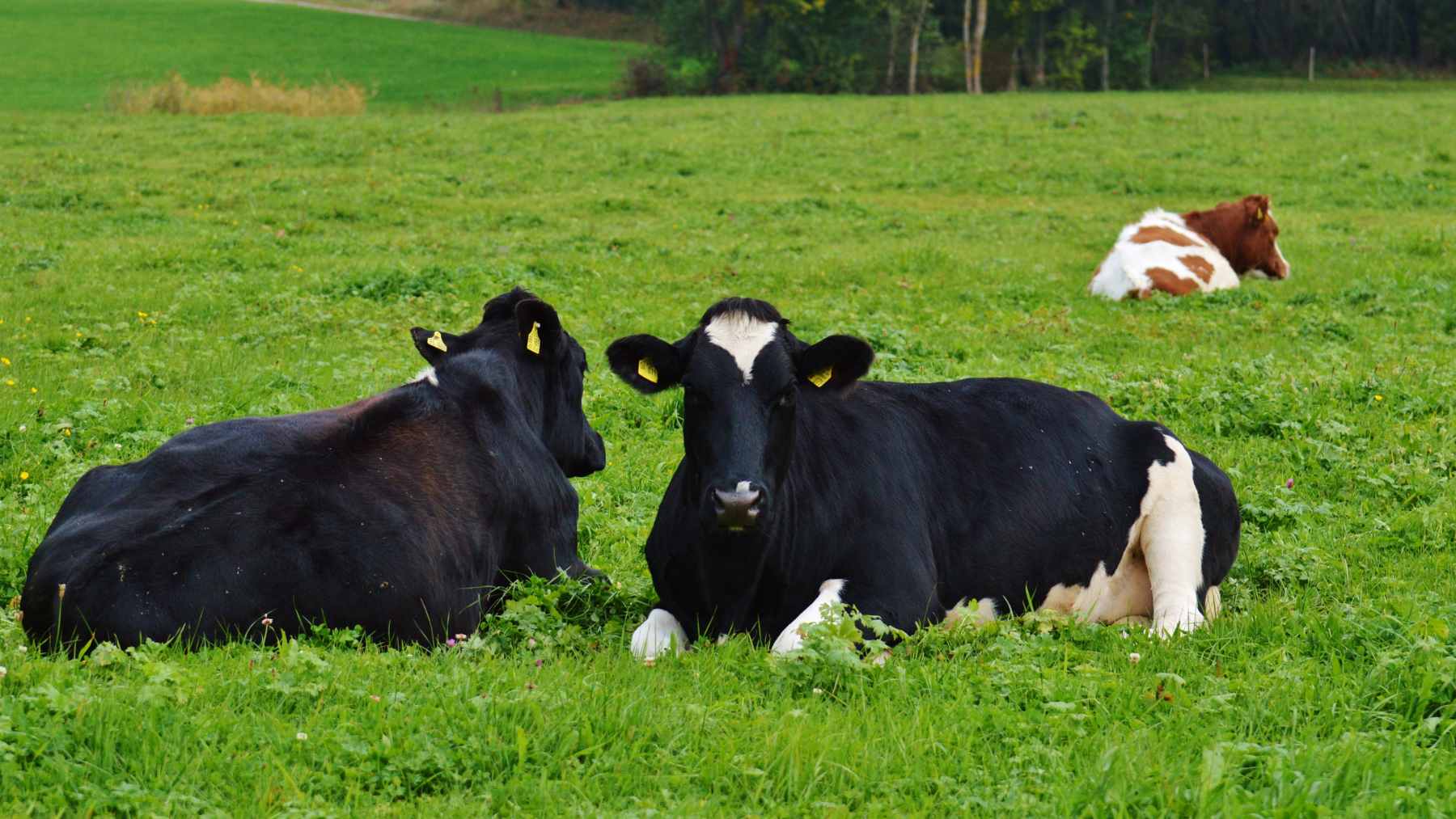
One of New Zealand’s larger dairy operators is exiting in a full wind-down, and it is not a small one. Hopkins Farming Group, a multi-farm business in Manawatū and Rangitīkei, has sold its farms and livestock and is now clearing out remaining machinery ahead of a planned completion date of June 1.
The group ran eight dairy farms and two drystock farms with about 6,500 cows, producing around 6.6 million lbs. of milksolids this season (a New Zealand industry measure based on the fat and protein in milk).
On paper, it looks like a straightforward business decision, but it also lines up with a bigger reality. For dairy, climate policy and climate data are starting to act like financial statements, and buyers are paying attention.
A big sell-off with clear timing
Hopkins Farming Group’s farms and livestock have already been sold, with Carrfields set to run the final machinery clearing sales on two properties in May. Carrfields lists a Hopkins “Northern Clearing Sale” on May 6 and a “Southern Clearing Sale” on May 20, which puts a real calendar around what “winding down” means in practice.
Chair Stu Nattrass described it as “a straightforward winding-up process” by a mature investor group, including family members, with some looking to retire and others looking to redeploy capital elsewhere in agriculture.
He also said the timing was not driven by Fonterra’s capital return this financial year, and that demand was strong from local buyers, including neighbors.
The climate footprint behind the business headlines
New Zealand’s latest greenhouse gas inventory snapshot shows how central agriculture is to the national emissions story. In 2024, agriculture made up 53% of gross emissions, and methane alone accounted for 48% of gross emissions across the economy, largely linked to farming.
That context matters because methane is not just another line item. UNEP says human-caused methane is responsible for roughly a third of current warming, which is why cutting it is often framed as one of the fastest levers for near-term climate impact.
And there’s a quieter detail buried in the official data that hits home for dairy operators. The inventory snapshot flags “higher milk production from cows” and “greater nitrogen fertiliser use” among the drivers behind emissions shifts between 2023 and 2024, which is a reminder that productivity gains can show up in national numbers.
Policy is leaning on tech, not a new farm tax
In October 2025, New Zealand’s government announced its 2050 biogenic methane target range at 14% to 24% below 2017 levels. The same release leaned hard into a “technology and partnership” approach, explicitly rejecting an agricultural methane tax and pointing instead to processor incentives and tool rollouts.
The government also said it is investing more than $400 million in industry to speed up methane-cutting tools, with the “first expected on farm in 2026” and up to 11 tools by 2030. Among the examples it cited was EcoPond, described as cutting effluent pond emissions by over 90%, plus advances in genetics, feed, and farm management.
Still, the debate over ambition is very real. New Zealand’s Climate Change Commission notes the current 2050 methane target range, while also stating it recommended a much steeper cut of 35% to 47% below 2017 levels in its 2024 review.
That gap is not just political noise, it is the kind of uncertainty that investors and farm buyers factor into long-term decisions.
Emissions are becoming measurable, which changes everything
For years, farm emissions were easy to argue about and hard to count in a consistent way. Now the tools are catching up.
New Zealand’s Ministry for the Environment points to a free on-farm emissions calculator released in October 2025 by the New Zealand Institute for Bioeconomy Science, backed by government funding, aimed at sheep, beef, dairy, and deer farms.
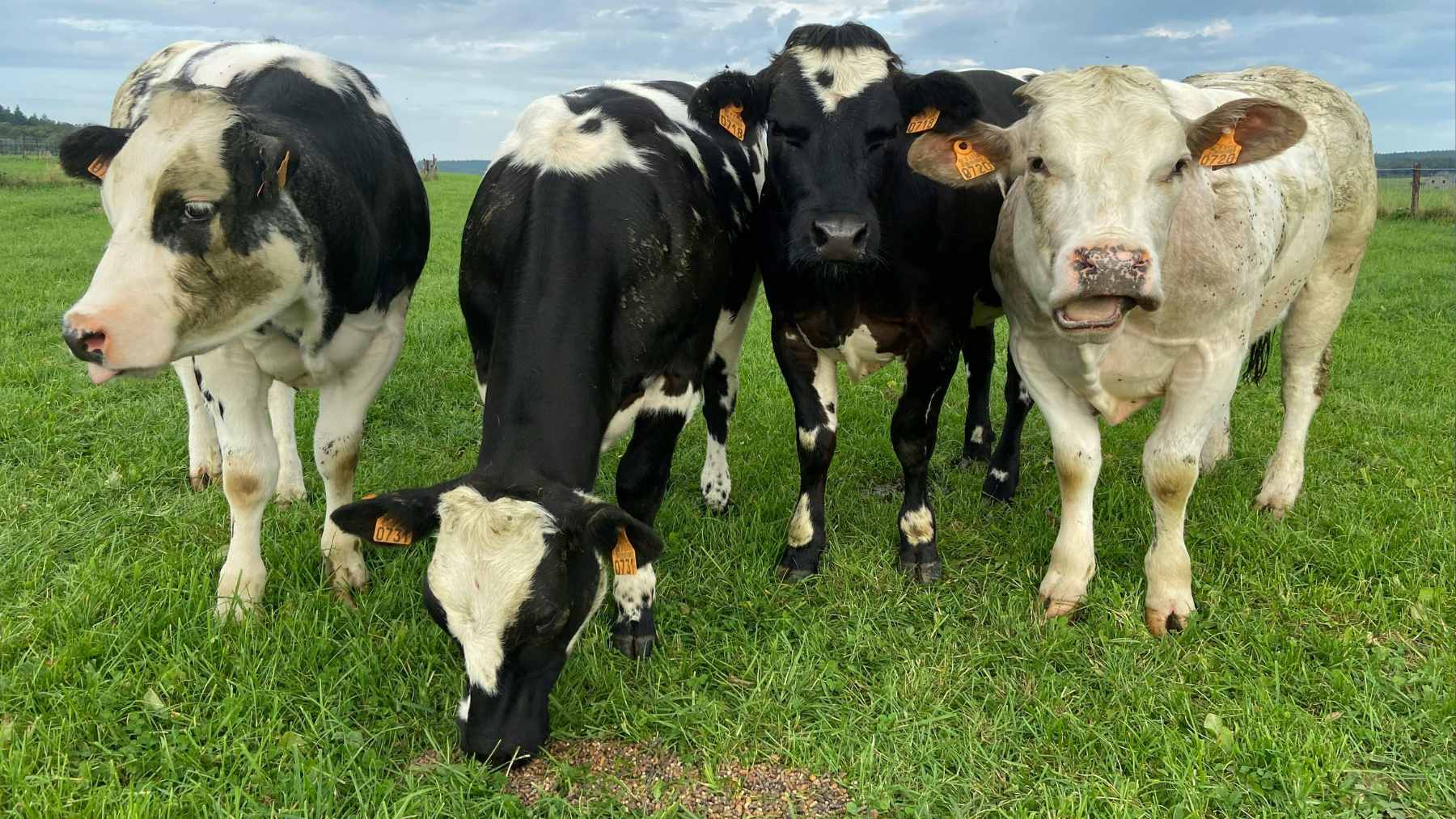
Once emissions can be measured, they can be managed, and they can also be priced. A Reuters analysis on investor pressure around methane warned that agriculture is a major methane source globally, yet methane reporting and targets in dairy and beef have lagged, creating what it called a “blindspot” risk for the sector.
Then comes the technology pipeline everyone is watching. Peer-reviewed research keeps finding that the feed additive 3-NOP can reduce methane from cattle, with recent meta-analyses reporting sizable average reductions across studies, although performance effects and real-world adoption costs still matter farm by farm.
Put simply, there are tools on the table, but scaling them is the hard part.
Why defense planners are tracking the same risks
Here’s the unexpected overlap: climate risk is now showing up in military spreadsheets the same way it is in farm budgets.
A February 2026 U.S. Government Accountability Office report says the Department of Defense estimates extreme weather has caused more than $15 billion in damage to military installations over the past decade, with impacts that can impair readiness.
GAO also highlights that in 2024 the Pentagon began an effort to track the effects of extreme weather at installations, but the data collection still had gaps. It is a very “defense” story, but the theme is familiar to agriculture. If you cannot track the damage and the risks, you cannot plan the upgrades, and you cannot justify the spending.
What to watch as new owners step in
So what happens next when a large operator sells out but the cows and land stay in production under new ownership? The near-term tells will be whether buyers change stocking rates, fertilizer practices, and effluent systems, because those decisions shape both emissions and waterways.
It is the kind of thing you do not notice at the grocery store, until prices shift or a drought squeezes supply.
Hopkins Farming Group’s exit is being framed as a planned wind-down tied to investor life cycles, and that may be true for the most part. But it is also a useful snapshot of where modern dairy is headed, where climate targets, measurement tech, and capital strategy are getting harder to separate.
The official report was published on Ministry for the Environment.