If you have ever filled a glass of tap water and wondered whether plastic is riding along, you are not alone. U.S. regulators are now treating microplastics as a serious drinking water topic, a shift that could eventually shape what utilities monitor and how they spend money. And of course, that can trickle down to your monthly water bill.
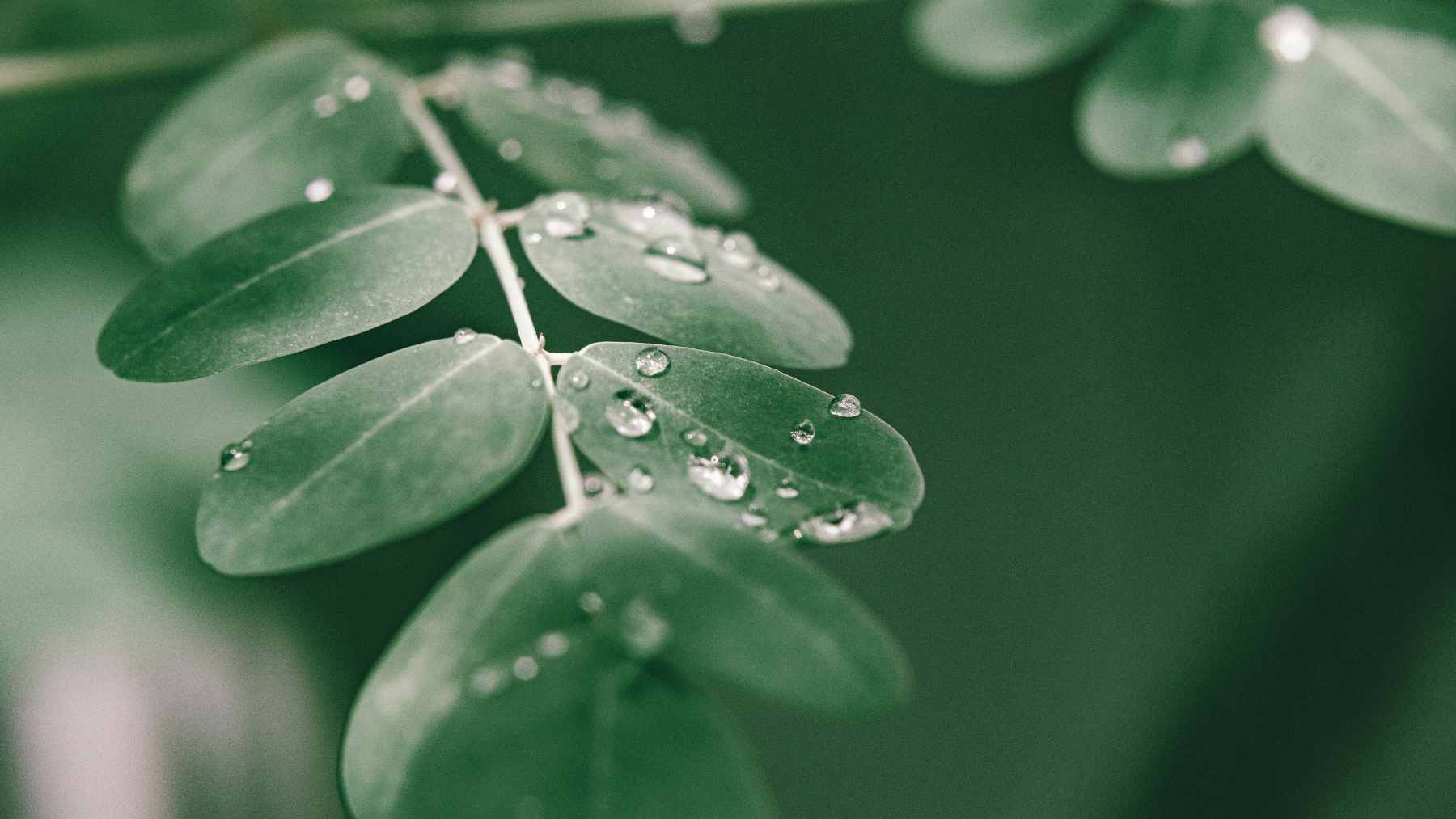
A new study from São Paulo State University (ICT-UNESP) in Brazil points to an unexpected tool for that fight, the seeds of Moringa oleifera (often called moringa or “white acacia”).
Researchers found that a saline extract made from the seeds removed aged PVC microplastics from low-turbidity water at rates similar to aluminum sulfate, a common coagulant used in treatment plants. The results are early, but the idea is straightforward enough to catch the attention of engineers, investors, and even planners who think about water in the field.
What the Brazilian team actually tested
The group spiked synthetic low-turbidity water with aged PVC microplastics at 15 mg/L, with a median particle size listed as D50 = 15.0 μm, plus humic acid at 10 mg/L to mimic natural organic matter.
They then compared moringa seed saline extract (MOS-SE) against alum across pH 5.0 to 8.0, looking at both water clarity and microplastic removal. In other words, it was a controlled stress test, not a messy real-world river sample.
Under the best-performing conditions, the study reports 98.5% removal of aged PVC microplastics using 30 mg/L MOS-SE at pH 6.0, compared with 98.7% removal using 9 mg/L alum at the same pH. Gabrielle Batista, the study’s first author, summed up the headline takeaway by saying the extract performed similarly to aluminum sulfate, and “in more alkaline waters, it performed even better.”
That alkaline detail matters because many source waters drift higher in pH depending on geology and treatment choices.
One of the more practical findings is that in-line filtration (coagulation followed by filtration) performed equivalently to a more complex direct filtration setup that included a flocculation step. Imaging showed larger aggregates when flocculation was added, but microplastic removal stayed comparable, suggesting the extra step was not necessary in this scenario.
Less equipment and less mixing time can mean fewer headaches, especially when budgets are tight.
The tech behind the simplicity
Microplastics and many other tiny particles tend to carry a negative surface charge, which makes them repel each other and resist being captured in a sand filter. Coagulants work by neutralizing that charge so particles can cluster into larger clumps that filters can trap. It is not magic, it is chemistry doing the unglamorous work.
To measure whether it worked, the researchers used scanning electron microscopy to count microplastic particles before and after treatment. They also used high-speed imaging and laser measurements to track the size of aggregates formed in different setups.
This is a reminder that “removing microplastics” is not just a slogan, it requires instrumentation and careful counting.
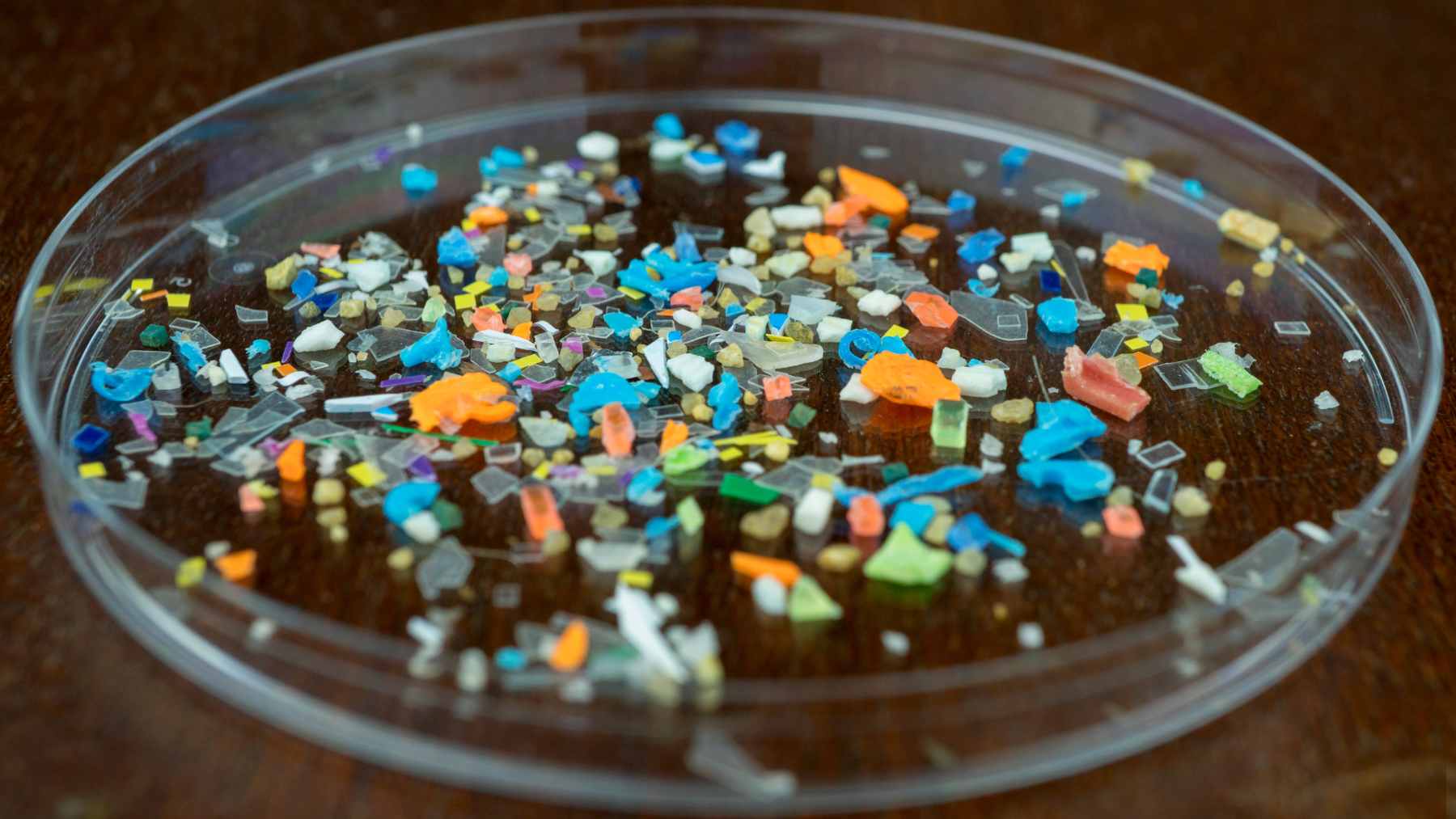
The team chose PVC microplastics and artificially aged them with ultraviolet radiation to better resemble weathered particles found outside the lab.
The rationale, as described in the research coverage distributed by FAPESP, is that PVC is viewed as particularly concerning from a human health standpoint and is also found in water bodies and treated water. That does not mean PVC is the only plastic that matters, but it helps explain why the study started there.
Where business sees an opening
For water utilities, alum is familiar, cheap, and widely deployed, which is exactly why alternatives have a high bar to clear. Still, the researchers point to growing scrutiny around aluminum and iron-based coagulants, and professor Adriano Gonçalves dos Reis argues the search for sustainable options is intensifying.
Even if the science is still evolving, the direction of travel is clear, companies are being pushed to prove their chemicals are safe, effective, and responsible over the long run.
Policy signals are also getting louder in the United States. In early April 2026, the EPA proposed adding microplastics to its draft Sixth Contaminant Candidate List, opening a public comment period and positioning the topic for more research and possible future limits.
This does not automatically create a new standard tomorrow, but it puts microplastics on a federal track that vendors, labs, and water districts pay attention to.
The business catch is that “natural” does not always mean “plug and play.” The study notes a tradeoff where MOS-SE increased dissolved organic carbon because of residual organic matter, even as it reduced specific ultraviolet absorbance (SUVA) by 88%, a metric tied to aromatic organic matter.
In practical terms, that can affect downstream treatment choices and costs, so scaling up would require standardized extraction, dosing controls, and clear performance guarantees.
Why defense and disaster response might care
Microplastics are not usually the first worry in a crisis zone, since pathogens and chemical spills can be immediate threats.
The World Health Organization has also cautioned that health risks from microplastics in drinking water appear low based on limited evidence, while emphasizing major known risks such as fecal contamination worldwide. But once monitoring expands, expectations change, and procurement follows.
That is where a simpler coagulation plus filtration approach gets interesting for military logistics and humanitarian operations. If a safe, standardized plant-based coagulant could reduce dependence on shipping conventional chemicals, it could lighten supply lines for remote bases or disaster relief staging areas.
The word is “could,” because shelf life, contamination control, and repeatability become make-or-break in the field.
The researchers are already moving beyond lab water and into real source water, testing moringa extract with water collected from the Paraíba do Sul River, which supplies São José dos Campos. Early results described in the project coverage suggest it is performing well under natural water conditions so far.
That is the kind of step that tells engineers whether a promising idea can survive outside controlled lab glassware.
What to watch next
It is tempting to hear that moringa extract “can be made at home” and treat this like a DIY hack. But removing microplastics is not the same as making water safe to drink, and safe systems still rely on disinfection and broader contaminant control. Think of this as a potential tool in the toolbox, not the whole toolbox.
There is also a measurement problem hiding in the background. WHO has stressed the need for better, quality-controlled studies that report particle size, shape, and composition, because the current evidence base is uneven and methods are not standardized.
That gap is a huge opportunity for tech, from cheaper detection tools to smarter dosing and filtration controls that adapt to changing water chemistry.
For now, the moringa result is best read as a sign of momentum, not a final solution. It shows that low-cost biology can sometimes match industrial chemistry, and that might be exactly what smaller communities and constrained operators need.
The study was published on ACS Omega.