Running a ceiling fan and an air conditioner at the same time sounds like a fast way to push an electric bill higher. But according to HVAC specialists, doing both together can actually save you money, as long as you bump up the thermostat and only run the fan in rooms people are actually using.
This actually matters a lot, since air conditioning is one of the largest electricity loads in American homes. The most recent federal household data show cooling made up about 19 percent, or 254 billion kilowatt-hours, of residential electricity use in 2020.
Why the combination works
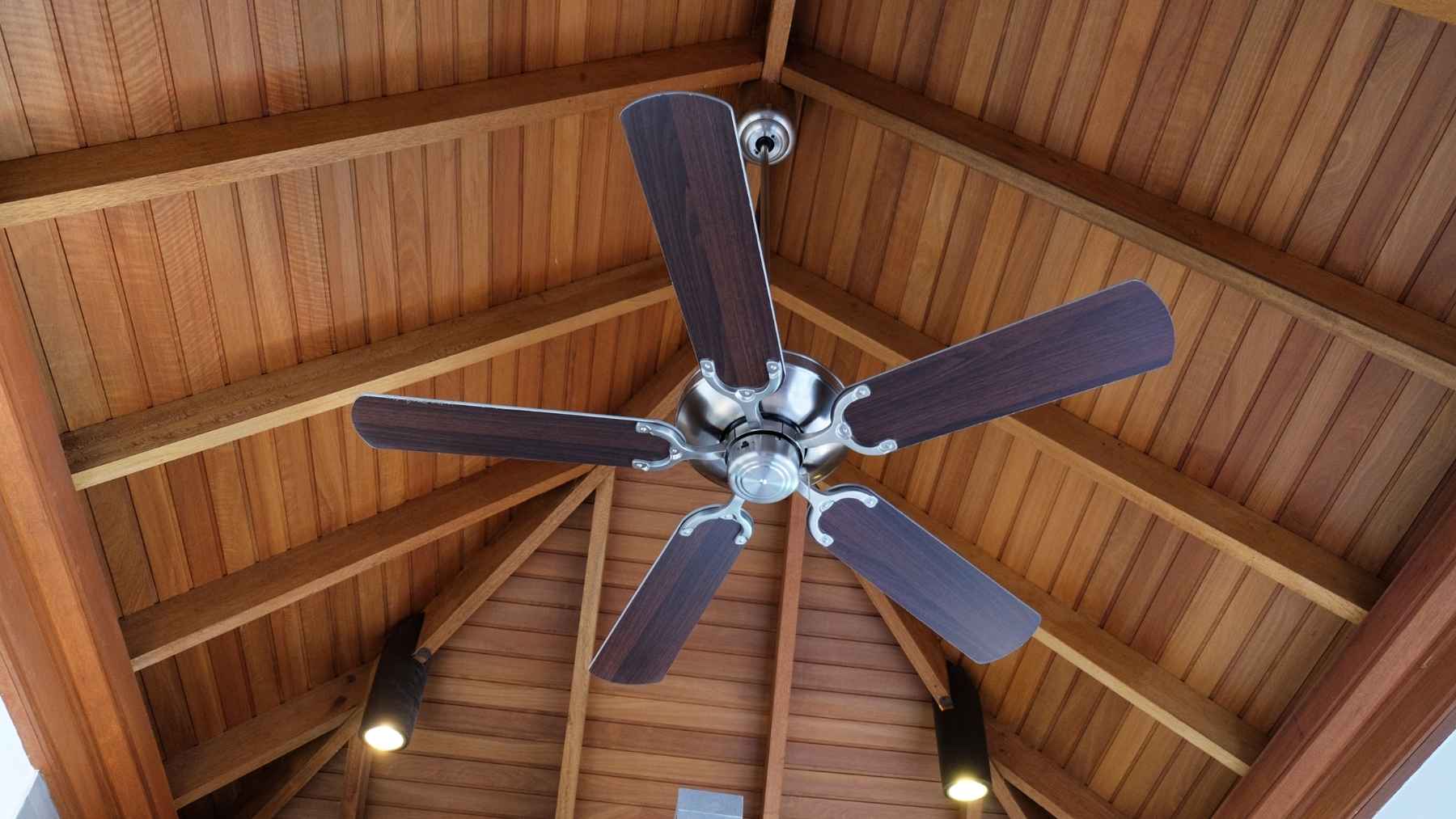
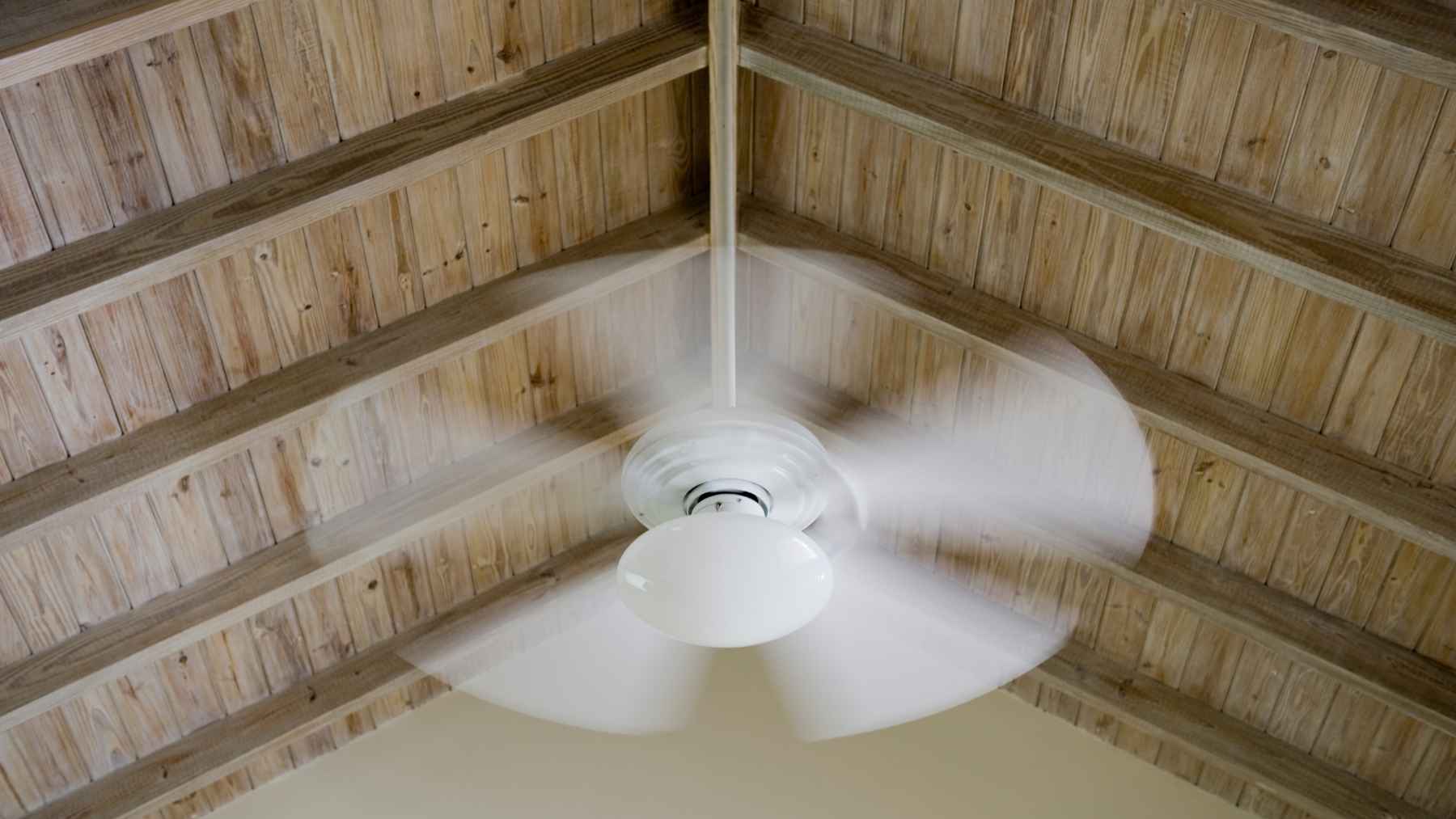
Here is the thing: a ceiling fan does not lower the room’s temperature. Instead, it moves air across the skin and creates a wind-chill effect, helping people stay comfortable at a warmer thermostat setting. According to ENERGY STAR, raising the thermostat by just 2°F while using a ceiling fan can lower air-conditioning costs by up to 14 percent.
Patrick Gambel, owner of General Heating & Air Conditioning, says a fan can cut down on how often your HVAC system needs to run. “A fan also uses a lot less electricity than your AC,” he pointed out. John Gabrielli, a NATE-certified contractor, adds that better air circulation can reduce temperature differences and distribute cooled air more evenly around the living space.
The thermostat is the key
Simply switching on another motor will not automatically save money. Kevin Goude, owner of First Choice Heating & Air, says the real savings only kick in once the fan lets you set the thermostat a few degrees higher than usual. That way, your AC’s compressor does not have to turn on as often and it is not working as hard when it does.
In other words, this means the fan should support the air conditioner rather than compete with it. Keeping the thermostat at the same low setting while adding a fan increases electricity use without reducing the cooling target, so the expected savings may disappear.
Use the fan where people are
Here is the detail that is easy to miss: fans, cool people, not rooms. Both the HVAC experts and ENERGY STAR recommend turning the fan off when nobody is in the room, since an empty space receives no comfort benefit from the moving air.
Summer direction matters too. ENERGY STAR recommends running ceiling fan blades counterclockwise so the airflow produces a downward breeze, while the experts interviewed by The Spruce suggest a moderate speed is usually enough for efficient cooling.
A small change with a wider payoff
This is not really about buying another gadget for your home. It is more about using what you have already got a little smarter. Since 88 percent of U.S. households used some form of air conditioning in 2020, that scale suggests even modest reductions in compressor use could add up across neighborhoods during hot weather.
There is also a cleaner technology option when an old fan needs replacing. ENERGY STAR certified ceiling fans use up to 44 percent less electricity than regular models, and according to the program, that lower electricity use also helps cut down on greenhouse gas emissions.
The official guidance was published on ENERGY STAR.