India’s government says a detailed Boeing examination found no abnormality in the fuel control switch of an Air India Boeing 787-8 after pilots reported a possible defect on a London Heathrow to Bengaluru flight in February.
The finding is reassuring, but it is not the end of the technical review because the complete thrust control module is still being inspected at the manufacturer’s facility.
That distinction matters. Fuel control switches have faced intense scrutiny since Air India Flight AI171 crashed in Ahmedabad in June 2025, killing 241 people aboard the jet and 19 on the ground, yet the latest test involved a different aircraft and does not determine what caused that disaster.
For passengers, this is the difference between a component finding and a root-cause finding.
What happened on Flight AI132
The incident began during engine start at Heathrow on Feb. 1, 2026. On two occasions, the left fuel control switch did not remain positively latched in the “RUN” position when light vertical pressure was applied, but it latched correctly on the third attempt and stayed stable.
The crew physically confirmed the switch was secure, saw no abnormal engine parameters or warnings, and completed the flight without incident. They also avoided unnecessary contact with the switch and closely monitored engine indications and alerting systems for the rest of the journey.
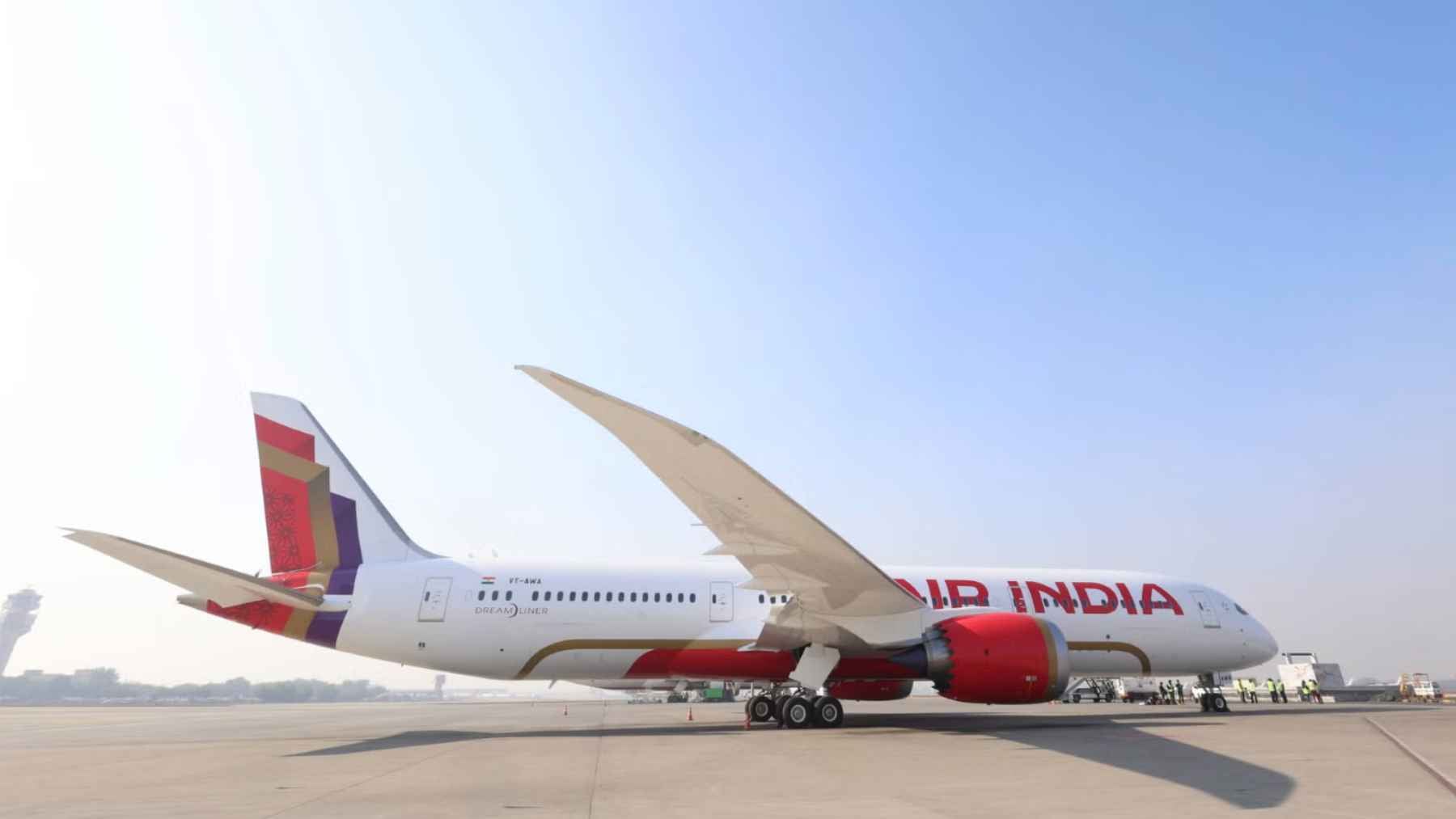
After landing in Bengaluru, the pilots logged the issue, Air India grounded aircraft VT-ANX, and the airline referred the matter to Boeing. DGCA-supervised checks found both left and right switches satisfactory, while the pull-to-unlock force tested within limits.
The regulator advised Air India to circulate Boeing’s recommended operating procedure and said a social media video demonstrated an incorrect way of applying force to the switch.
What the clean test really means
In its July 27 reply to Parliament, India’s Civil Aviation Ministry said the detailed examination included the structural integrity of the switch detents and found no abnormality. Detents are the mechanical features that help hold a control in its selected position, making them central to the concern raised by the crew.
But the ministry also said inspection of the complete thrust control module remains underway. The available finding is limited to the examined switch, while the wider assembly has not yet received a final public finding.
That is a narrow but important result. It reduces concern about an obvious defect in the tested switch, but it does not answer every question about the complete module or explain why the crew observed inconsistent latching during engine start. A no-abnormality result for one component is not the same as a completed system-level review.
Why a small switch carries so much weight
Fuel control switches regulate the flow of fuel into each engine and let pilots start, shut down, or restart an engine. On the 787, they sit below the thrust levers and use a locking feature intended to resist unintended movement between “RUN” and “CUTOFF.” Moving a switch to “CUTOFF” stops fuel flow to the corresponding engine, so the effect can be immediate.
The FAA issued a safety bulletin in 2018 after reports that locking features on some Boeing 737 fuel control switches had been installed disengaged. The agency said the concern did not amount to an unsafe condition requiring a mandatory airworthiness directive, while noting that similar switch designs were used on several Boeing models, including the 787.
Air India later said precautionary inspections of Boeing 787 and 737 aircraft in its group found no issues with the locking mechanisms. The February event nevertheless brought the component back into focus because the crew observed the switch’s latching behavior during engine start.
The Ahmedabad crash remains unresolved
Flight AI171 lifted off from Ahmedabad for London Gatwick on June 12, 2025, with 242 people aboard. The AAIB’s preliminary report recorded 241 onboard fatalities, one survivor, and 19 deaths on the ground after the aircraft struck buildings near the airport.
Flight data showed the aircraft reached 180 knots, about 207 mph, before the two engine fuel cutoff switches moved from “RUN” to “CUTOFF” one second apart. Engine power began falling immediately, and the cockpit recording captured one pilot asking the other why he had cut off the fuel, followed by a denial.
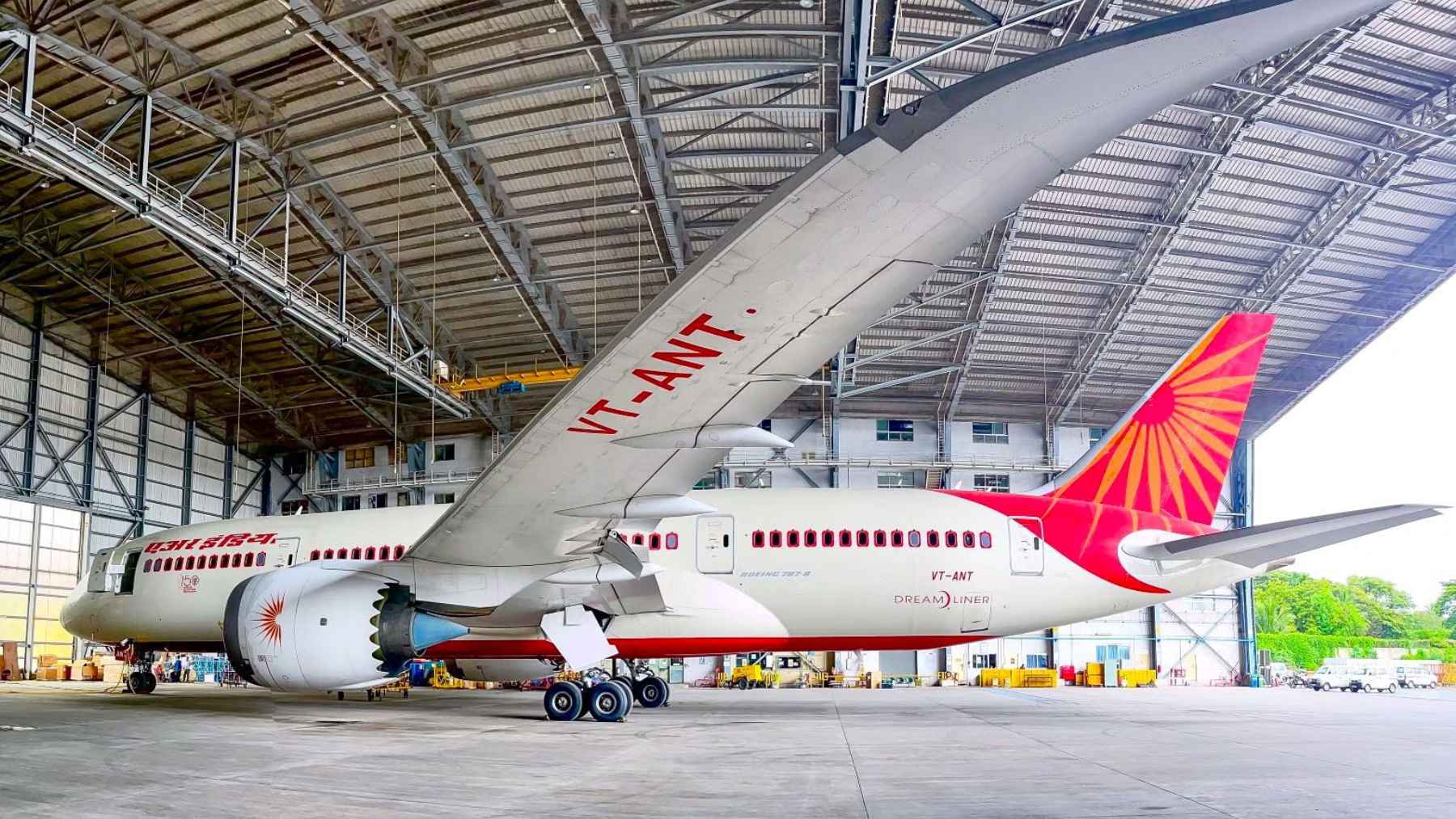
The switches returned to “RUN” seconds later and the engines began relight sequences, but the aircraft did not recover in time. Crucially, the preliminary report did not explain what moved the switches, and the AAIB has warned against blame or premature conclusions while the investigation continues.
What happens next
The next technical milestone is the result of the complete thrust control module examination. That finding could show whether the wider assembly adds anything meaningful to the AI132 report, though officials have not announced a completion date.
The larger unanswered question is still AI171. India says investigators are examining all probable causes and contributing factors, while the AAIB says its work covers aircraft systems, flight recorders, engine components, maintenance records, operations, and human factors.
The final report will be made public after the remaining investigative work and required international review process are complete. For passengers, the fairest reading is reassuring but incomplete.
The official parliamentary reply was published in the Rajya Sabha.