Javier Duque did not grow up dreaming of becoming a farmer, even though his father worked the land in Huesca, Spain. He trained to become a programmer, spent a year doing the job, and walked away after what he described as “a pretty bad time” in his life.
Then his father asked for help on the family farm, and within a month Duque was self-employed and working there every day.
Five years later, the 28-year-old says agriculture has changed his life, while his social media posts show both the good and bad sides of rural work. His story is personal, but it lands in the middle of a much larger European problem, with older farmers approaching retirement and too few young people ready to replace them.
Farming’s future will depend on making a demanding, high-tech and environmentally important job financially possible.
A career change that stayed
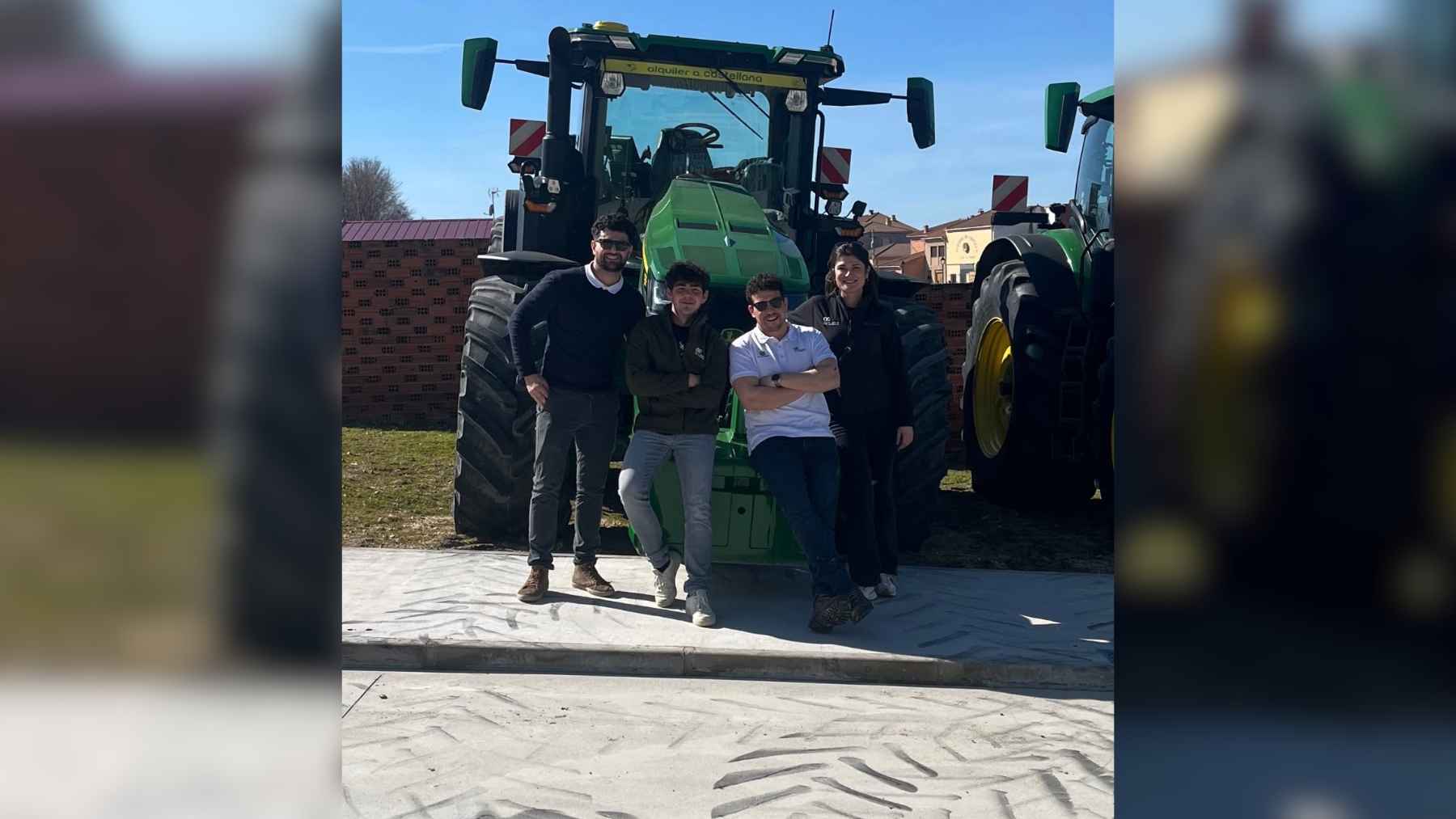
Duque says the countryside never attracted him when he was younger, and he had climbed into a tractor only three times before making the switch. His university friends were surprised because he had never discussed farming as a career. Once they saw him at work, he said, they could tell the interest was real.
He now works alongside his father and has no plans to return to information technology. “Here I found my passion. Farming changed my life,” Duque said, adding that he now wakes up to do work he genuinely enjoys. His days often last about 10 hours, but he still calls the job “hard, but rewarding.”
Why one young farmer matters
Across the European Union, only 10.7% of farm managers were younger than 40 in 2023, while 61% were at least 55. Spain’s age imbalance is sharper at the top, with 39.7% of farm managers aged 65 or older. That makes Duque less a quirky exception and more a glimpse of the workforce Europe urgently needs.
The number of EU farms fell by an estimated 5.6 million between 2005 and 2023, a 39% decline, even as agricultural land use changed comparatively little. About 93% of EU farms were family farms in 2020, so succession often involves both a business and a household decision.
For rural towns, this is not nostalgia, since it is about keeping food production and working communities alive.
Farming is already a technology job
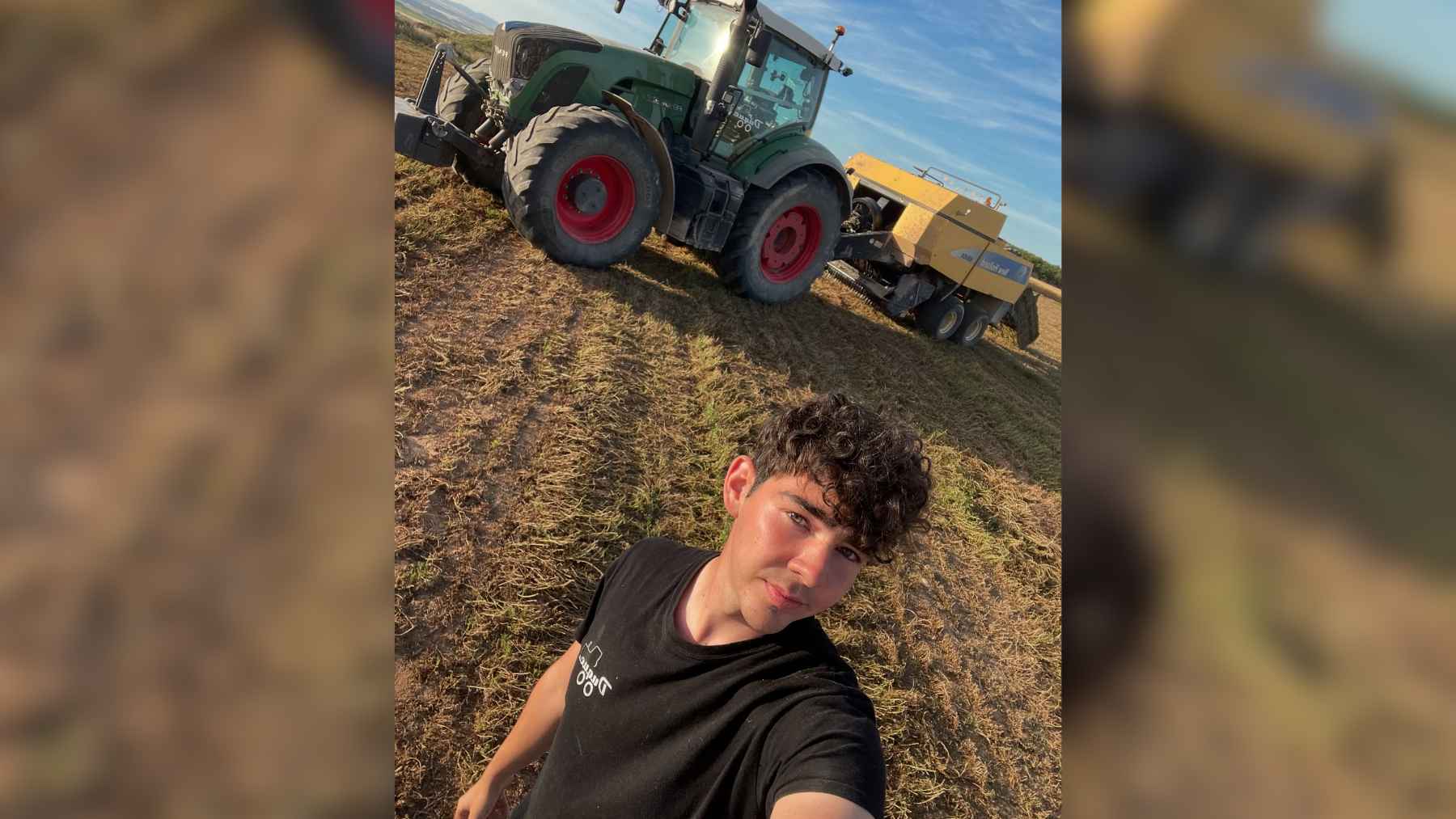
Duque uses social media to challenge the picture of agriculture as old-fashioned manual labor. He shows daily routines, problems and machinery, arguing that the primary sector is “full of technology” and open to people of different ages and backgrounds. A smartphone video cannot fix the labor shortage, but it can change who imagines they belong in a tractor cab.
Modern agriculture increasingly relies on data, automation and connected equipment to guide decisions across the farm. The European Commission says digitalization can improve efficiency and competitiveness while lowering farming’s environmental footprint. Better information can help a farmer avoid wasting fuel, fertilizer and time.
That makes Duque’s background more relevant than it first appears, even if he did not enjoy programming as an office job. Today’s farmers may need to understand screens and troubleshoot equipment while still reading soil, weather and crops. Code and cultivation are no longer opposites.
The difficult business behind the videos
Duque is equally blunt about the finances. He says grain prices have barely moved over decades while diesel, seed and fertilizer costs have risen sharply, leaving farmers to risk large sums for limited returns and sometimes operate at a loss.
That is his assessment of his own market, not a universal balance sheet, but it explains why enthusiasm alone cannot deliver generational renewal.
Rainfall adds another layer of uncertainty on dryland farms. Money spent on seed, fertilizer and fuel can disappear if the rain does not arrive, while the final selling price may remain unknown until close to harvest. Anyone watching a grocery bill climb might assume farmers automatically receive more, but commodity markets do not work that neatly.
He also points to imports, lower labor costs abroad and differences in permitted crop treatments as competitive concerns, particularly in relation to Mercosur countries. Duque says larger farms struggle to recruit workers, with foreign labor filling many fruit-harvest jobs that attract relatively few Spaniards.
The tractor may be high-tech, but someone still has to work long days when the crop is ready.
A greener future needs profitable farms
Young farmers are often discussed as if their main role were simply replacing retirees, but they can also carry new skills into a sector facing climate pressure. In 2023, 20.1% of young EU farm managers had full agricultural training, compared with 4.1% of managers aged 65 or older. That gap helps explain why generational renewal and modernization are so closely linked.
But the green transition has a basic business condition. A farm cannot invest in precision tools, cleaner machinery or soil protection if it cannot cover this season’s fuel and fertilizer bills. Sustainability has to be built into a business model that survives.
The European Commission aims to double the share of young and new farmers by 2040, while acknowledging barriers such as costly land, limited credit and weak rural infrastructure. Duque’s experience shows the opportunity and the warning at once. People may fall in love with farming, but passion needs room to become a durable livelihood.
What his story really says
Duque does not present agriculture as an escape from work. He presents it as work worth doing, despite 10-hour days, uncertain weather and prices he cannot control. The reward, he says, is watching a crop he planted grow successfully.
At the end of the day, Europe’s farm succession problem will not be solved by nostalgia for village life or by technology alone. It will be solved when people with modern skills can earn a stable living while producing food and caring for the land. The future may look less like leaving technology behind and more like taking it into the field.
Duque’s switch from programming to farming is one small example of that future already taking shape.