Rolls-Royce has put Prime Minister Andy Burnham’s new government on notice. Chief Executive Tufan Erginbilgic says Britain must decide soon whether to co-invest in a next-generation engine for short-haul jets, or the company may place the work in another country.
The 40,000 figure refers to jobs the program could create across Rolls-Royce and its supply chain, not existing positions already marked for cuts.
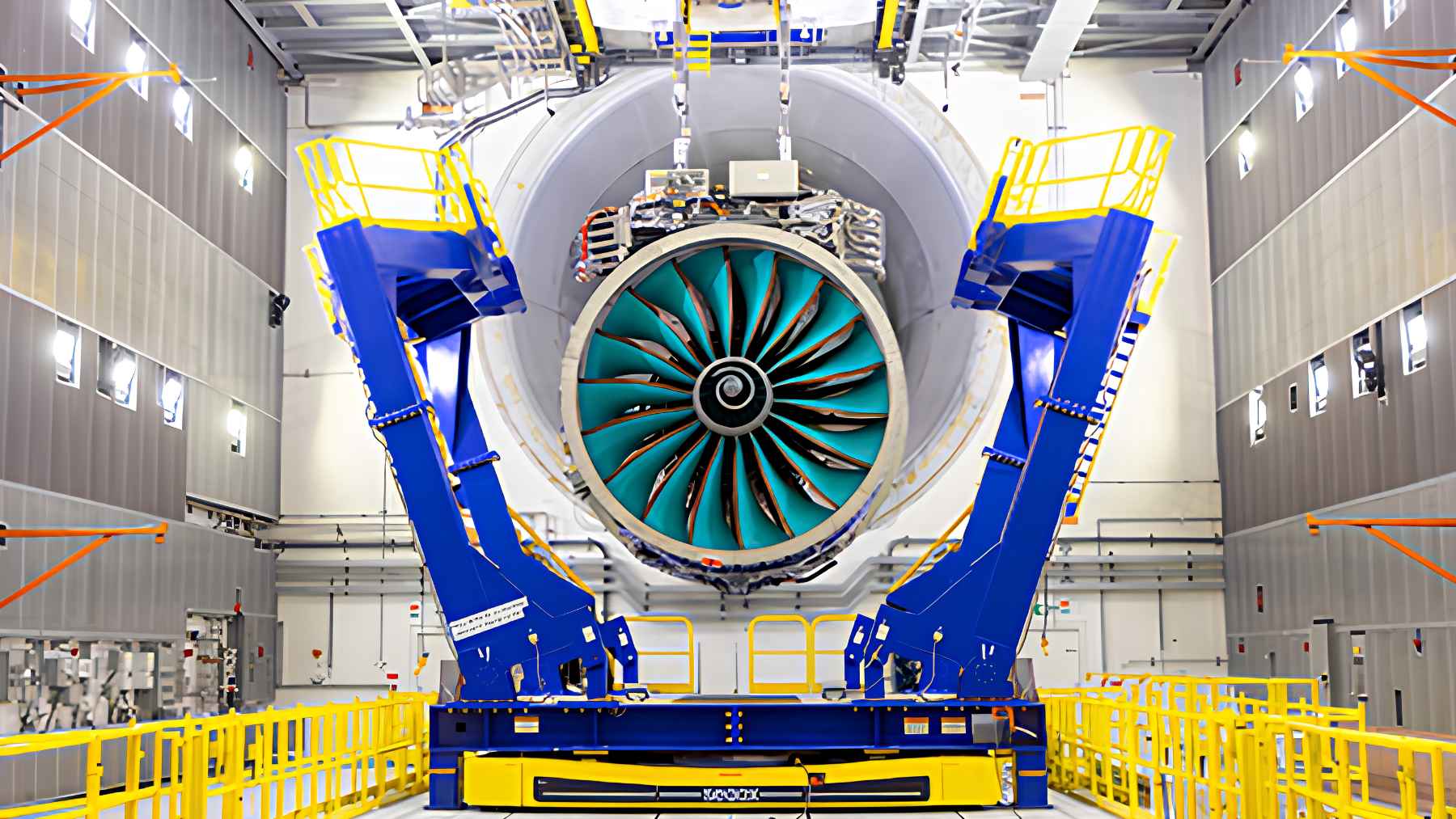
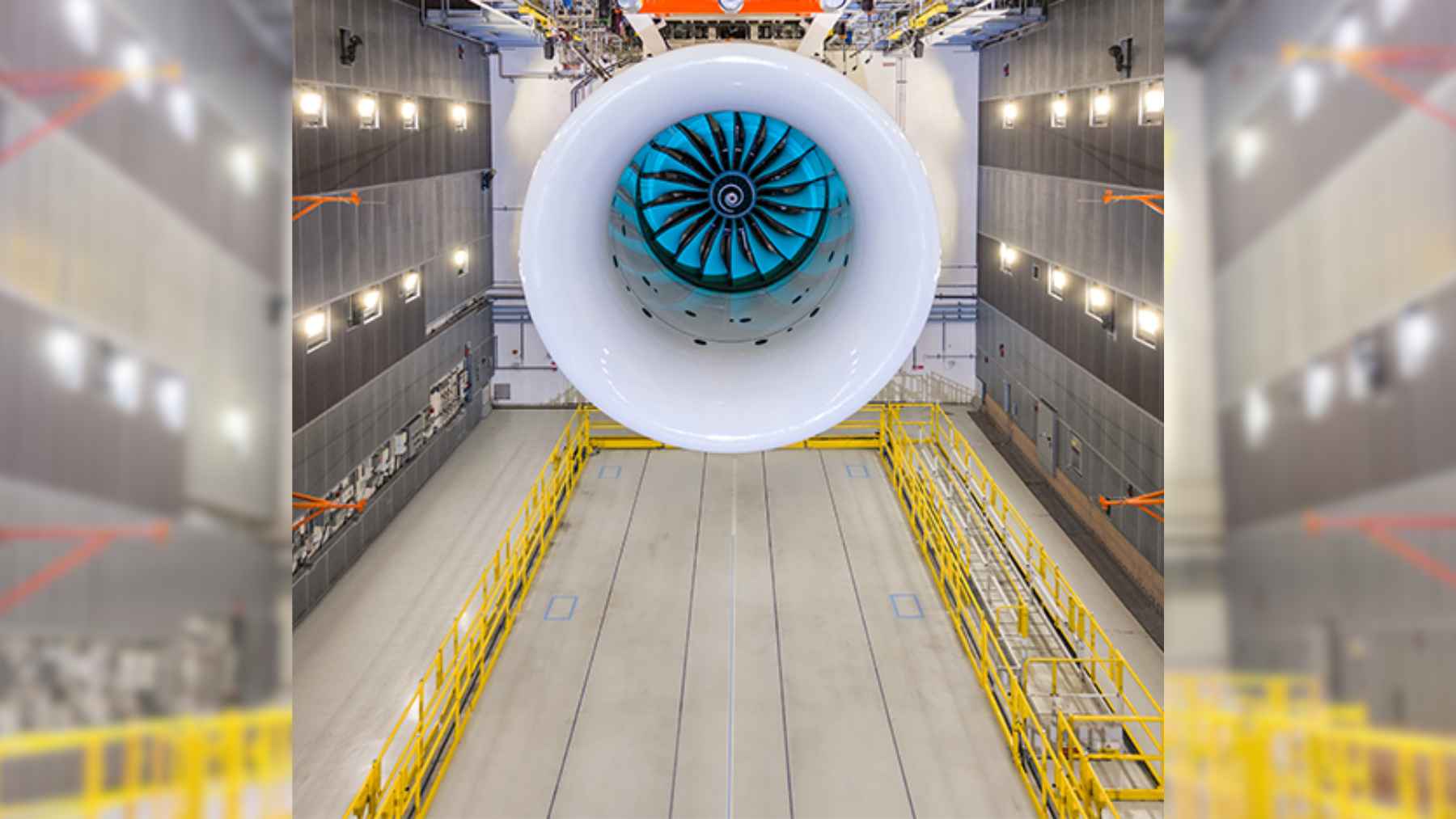
The fight is about more than factories and paychecks. The proposed UltraFan 30 engine is being developed for the next generation of single-aisle aircraft, with Rolls-Royce targeting up to 20% lower fuel use than engines operating today and compatibility with 100% sustainable aviation fuel.
Since single-aisle jets are expected to dominate aircraft deliveries for the next two decades, a decision made now could shape emissions, technology, and supply chains well into the 2040s.
A deadline set by Airbus and Boeing
Erginbilgic told reporters at the Farnborough International Airshow that Airbus and Boeing could make engine decisions for their next aircraft within two years. Rolls-Royce therefore needs clarity on British support quickly enough to complete development, secure a manufacturing partner, and make a credible offer to either airplane maker.
“We would like to do it in the U.K. because of our origin. Do we have other options? Yes,” he said. The company is also talking with other governments, while Germany and the United States have been linked to possible alternatives.
The timing became more complicated after Keir Starmer stepped down and Burnham entered Downing Street. Talks had been progressing before the leadership change, although Erginbilgic said he was encouraged by the appointment of John Healey as chancellor because of Healey’s previous defense brief and familiarity with Rolls-Royce.
Still, no complete project-specific funding deal has been announced.
The money is not a blank check
Calling this a $4 billion engine project is useful shorthand, but it does not tell the whole story. In February, Erginbilgic told investors that Rolls-Royce’s spending could range from roughly $4 billion to $8 billion over 12 years, depending on the partnership, the common engine core, and the number of versions requested by aircraft manufacturers.
He also stressed that Rolls-Royce was “not asking for any loan.” The company wants research and development co-funding of the kind it says competitors receive, rather than a rescue package for a weak balance sheet. That distinction matters.
Rolls-Royce reported about $4.7 billion in underlying operating profit for 2025 and announced roughly $9.4 billion to $12 billion in share buybacks through 2028. That financial strength is likely to make any taxpayer contribution politically sensitive, even as the company argues that rival engine programs receive two or three times as much public research support.
Britain has already offered partial support
Burnham’s government announced an aerospace package worth about $803 million one day after the CEO’s comments. More than $669 million was allocated to aerospace research and technology, while about $134 million was proposed for a supply chain fund involving companies including Rolls-Royce, Airbus, Safran, and GKN Aerospace.
The government specifically said the research portfolio includes Rolls-Royce projects that build on UltraFan and prepare the company for the narrowbody market. However, the announcement did not publicly identify how much money would go to this engine, nor did it confirm support through certification and full industrialization.
In practical terms, Britain has shown that it wants to help. What Rolls-Royce is still seeking appears to be a clear, long-term commitment large enough to keep the main development and production footprint in the country.
Why UltraFan matters for emissions
UltraFan 30 is a ducted, geared turbofan planned for ground testing in 2028. Its gearbox allows the turbine and the fan to run at more efficient speeds, while carbon-titanium fan blades, a composite casing, advanced materials, and additive manufacturing are intended to reduce fuel use, emissions, weight, and production waste.
For airlines, burning less fuel means lower operating costs. For the climate, it generally means less carbon dioxide from each trip when conventional jet fuel is used. But this is not a zero-emission engine, and compatibility with sustainable aviation fuel does not guarantee that enough genuinely low-carbon fuel will be available at an affordable price.
That caveat is important because air travel keeps growing. The International Energy Agency estimated that aviation emissions rose about 5.5% in 2024, while Airbus now forecasts 3.9% annual passenger traffic growth through 2045. Efficiency is essential, but demand can swallow the gains.
The largest aircraft market is at stake
Airbus expects the world to need 42,060 new aircraft by 2045, with 81% of them in the single-aisle category. Boeing’s latest forecast is similar, projecting 33,545 single-aisle deliveries and a global fleet of more than 36,000 such jets by 2045. This is the everyday backbone of aviation, from busy domestic routes to the short European flights familiar to millions of travelers.
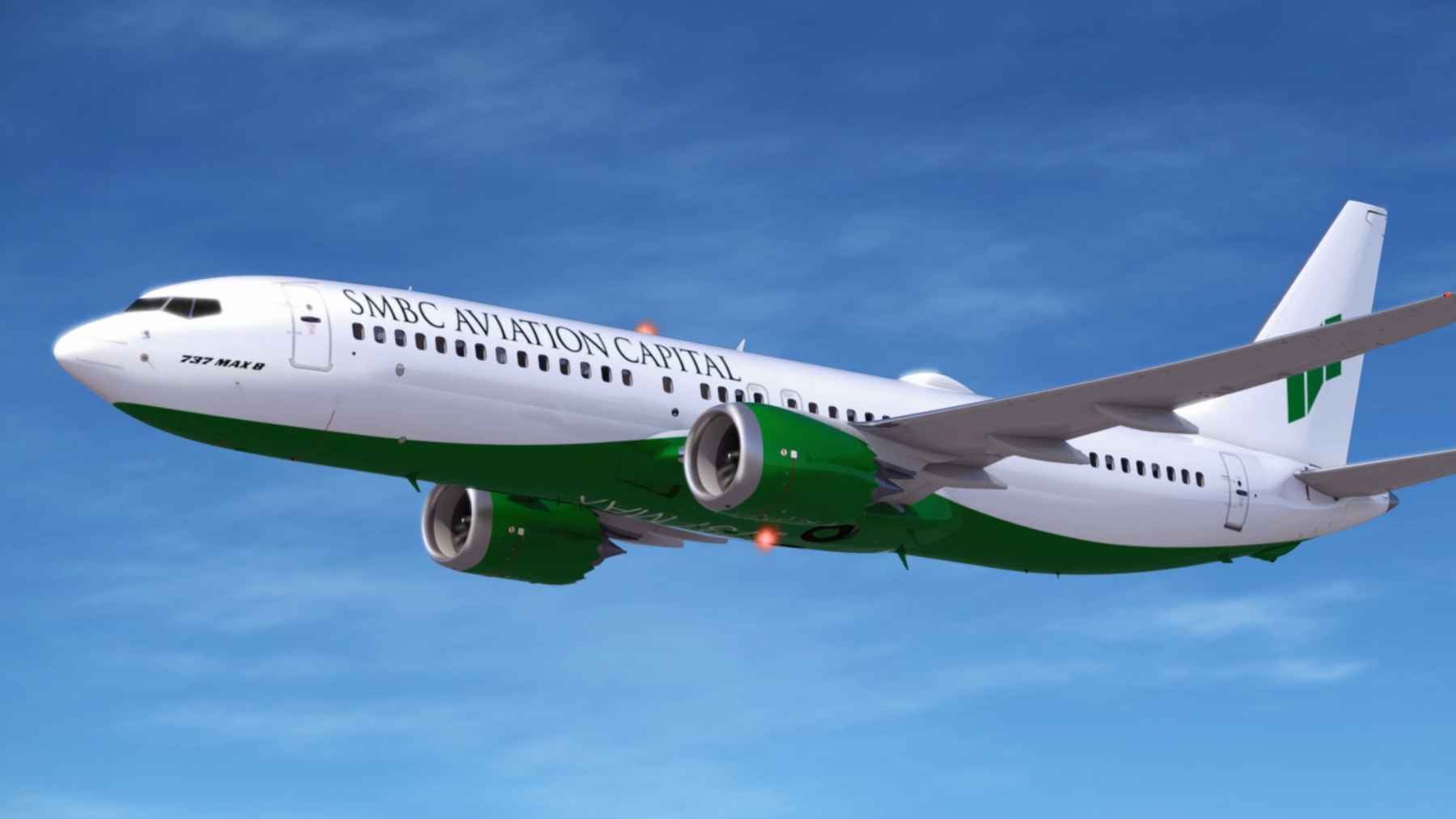
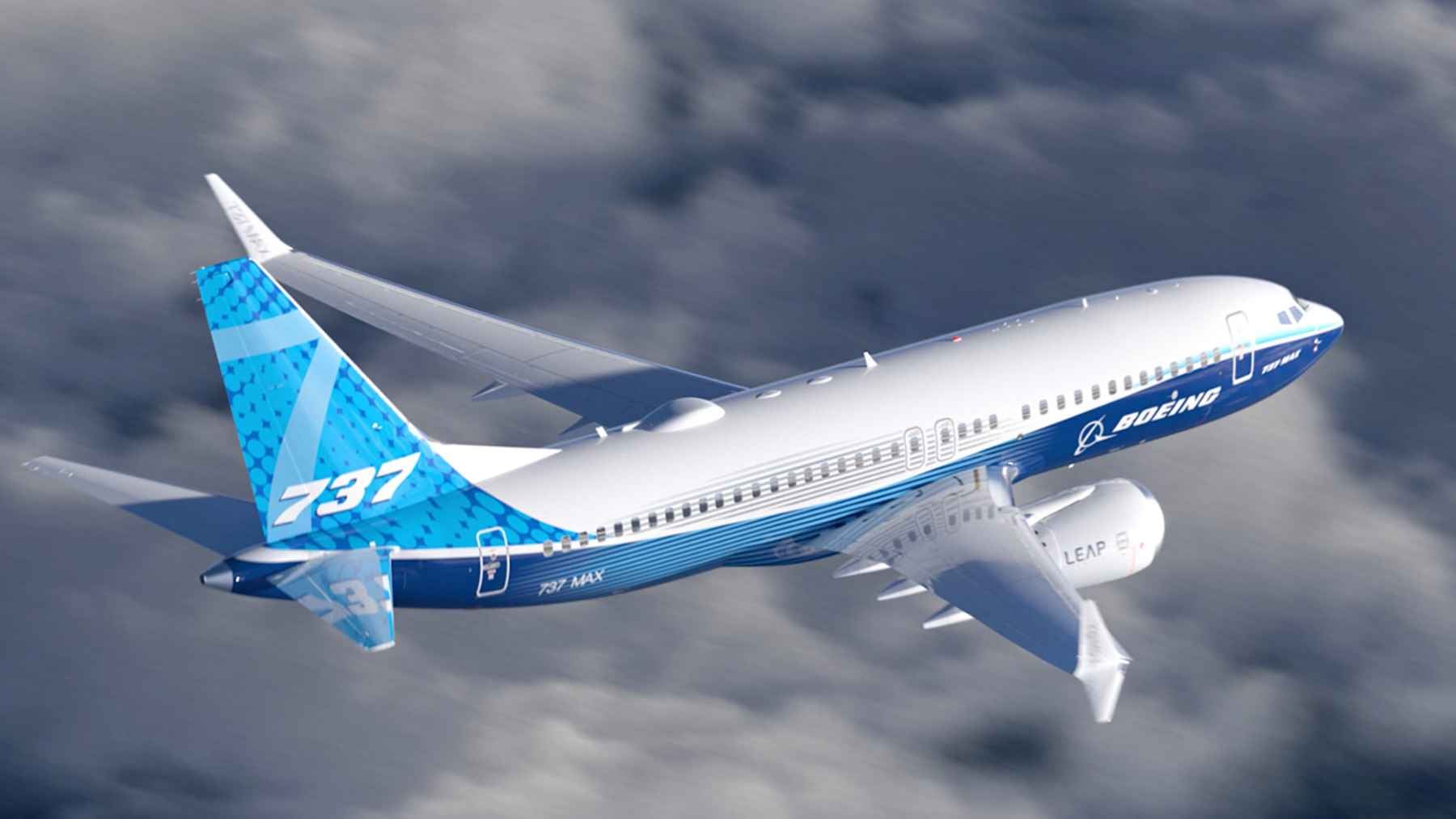
Rolls-Royce has been absent from this new-engine market for about 15 years. Today, the Airbus A320neo is offered with engines from CFM International or Pratt & Whitney, while Boeing’s 737 MAX uses CFM’s LEAP-1B. Re-entering means dislodging established suppliers with factories, service networks, and decades of airline data behind them.
The technology race is moving quickly too. CFM’s RISE program is targeting more than 20% better fuel efficiency for a future engine expected in the second half of the 2030s. A clever demonstrator is only the ticket to the race.
What Britain must decide
The unresolved question is not simply whether public money should be used. It is what Britain would receive in return, including domestic research, manufacturing, apprenticeships, export income, environmental milestones, and protections if production later moves abroad. A carefully structured agreement could share risk without writing a blank check.
There is also a strategic angle beyond passenger jets. Rolls-Royce says the same national skills pipeline supports advanced civil aerospace and defense work, including the Global Combat Air Programme. Losing the narrowbody opportunity could therefore weaken a wider engineering base that takes years to rebuild.
For Burnham’s government, the runway is short. Rolls-Royce has options abroad, Airbus and Boeing have their own timetable, and the next opening may not come for a generation.
The latest official company update was published on Rolls-Royce.