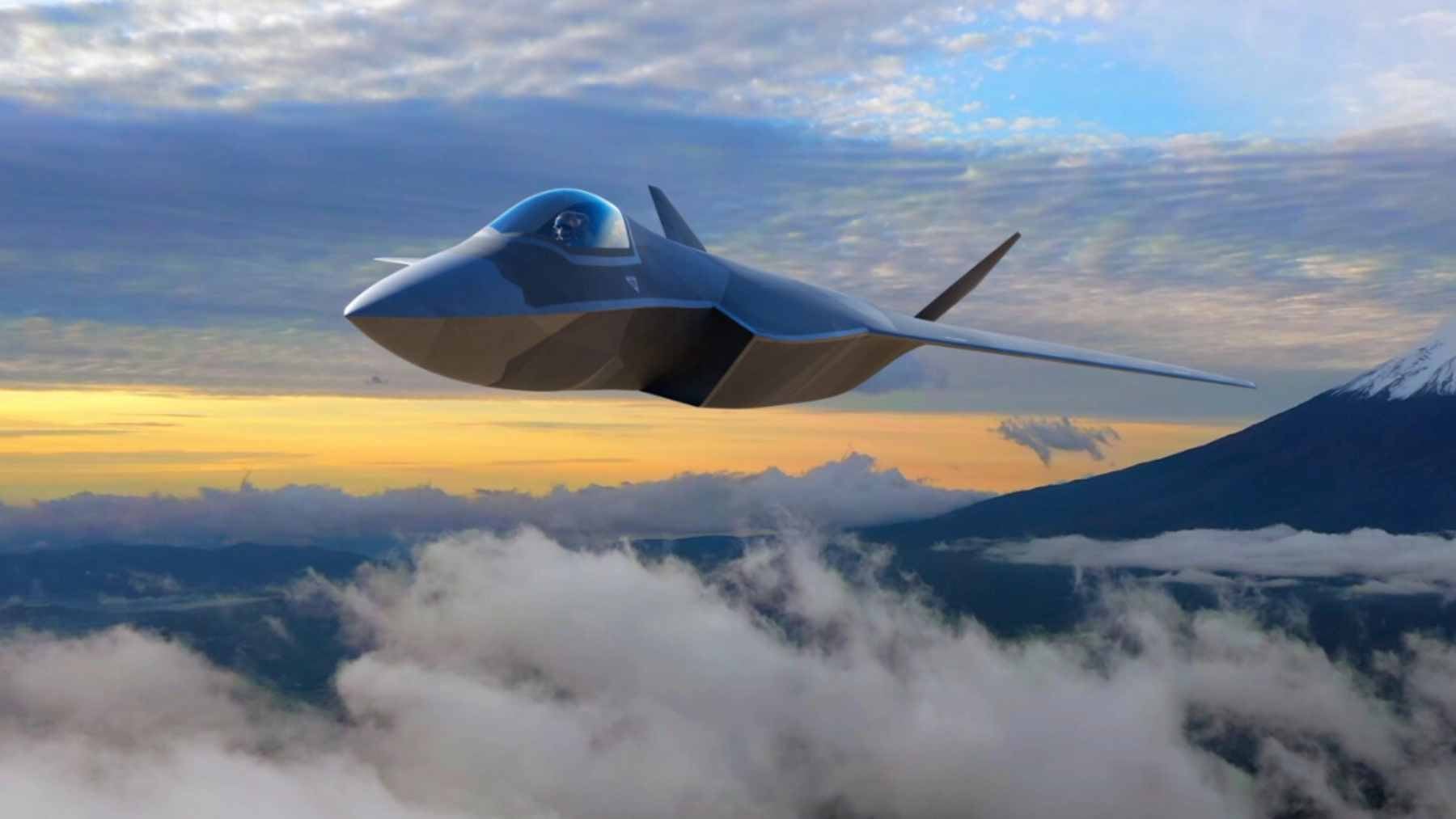
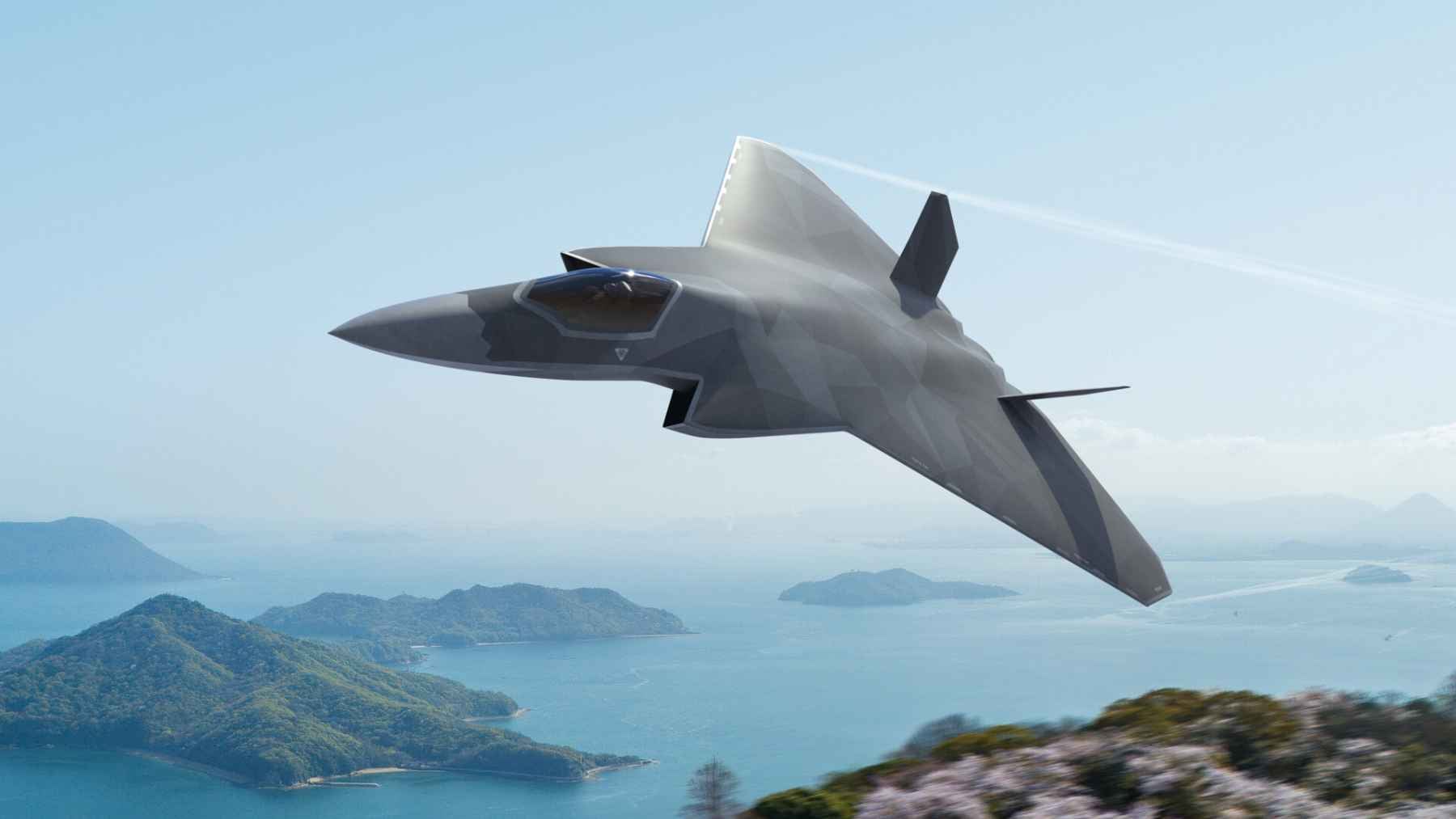
Britain has moved its newest combat aviation project from computer screens into a decisive manufacturing phase. BAE Systems says around half of the main structure of the U.K. Combat Air Demonstrator is now in final assembly, while engineers have designed more than 11,500 parts representing roughly 90% of the aircraft’s total weight.
This is not the operational GCAP fighter that the United Kingdom, Italy, and Japan intend to field. It is a flying test aircraft built to prove the engineering, manufacturing, propulsion, and flight-testing methods that should lower risk for the Global Combat Air Programme before 2035.
The most revealing story is therefore not only the jet’s shape, but the factory and digital system growing around it.
Half the structure is taking shape
Many of the 11,500 designed parts have been developed through the British supply chain. Team Tempest has also completed the first robotically assembled component at BAE Systems’ “Factory of the Future,” which the company describes as a pioneering achievement for the country’s aerospace industry.
That part is scheduled for structural testing later this year alongside one of the demonstrator’s wings. Engineers are about to find out whether the precision promised by computer models and robotic assembly survives the forces imposed on real aircraft hardware.
Richard Berthon, the U.K. Ministry of Defence’s director of Future Combat Air, described the milestones as evidence of the “pace and scale of progress.” He said the work is maturing critical capabilities while “reducing risk for GCAP.” That is the central purpose of the demonstrator.
A bridge to the 2035 fighter
Team Tempest was launched in 2018 and brings together the Ministry of Defence, BAE Systems, Leonardo, MBDA, and Rolls-Royce. The demonstrator itself is being delivered by the ministry and BAE Systems with Rolls-Royce and MBDA, while the eventual GCAP aircraft is a joint effort involving the United Kingdom, Italy, and Japan.
Why build a one-off aircraft before producing the real fighter? A flying demonstrator lets engineers expose weak points in structures, software, controls, propulsion integration, and manufacturing processes while there is still time to change them. Finding a problem here should be cheaper than discovering it deep into production.
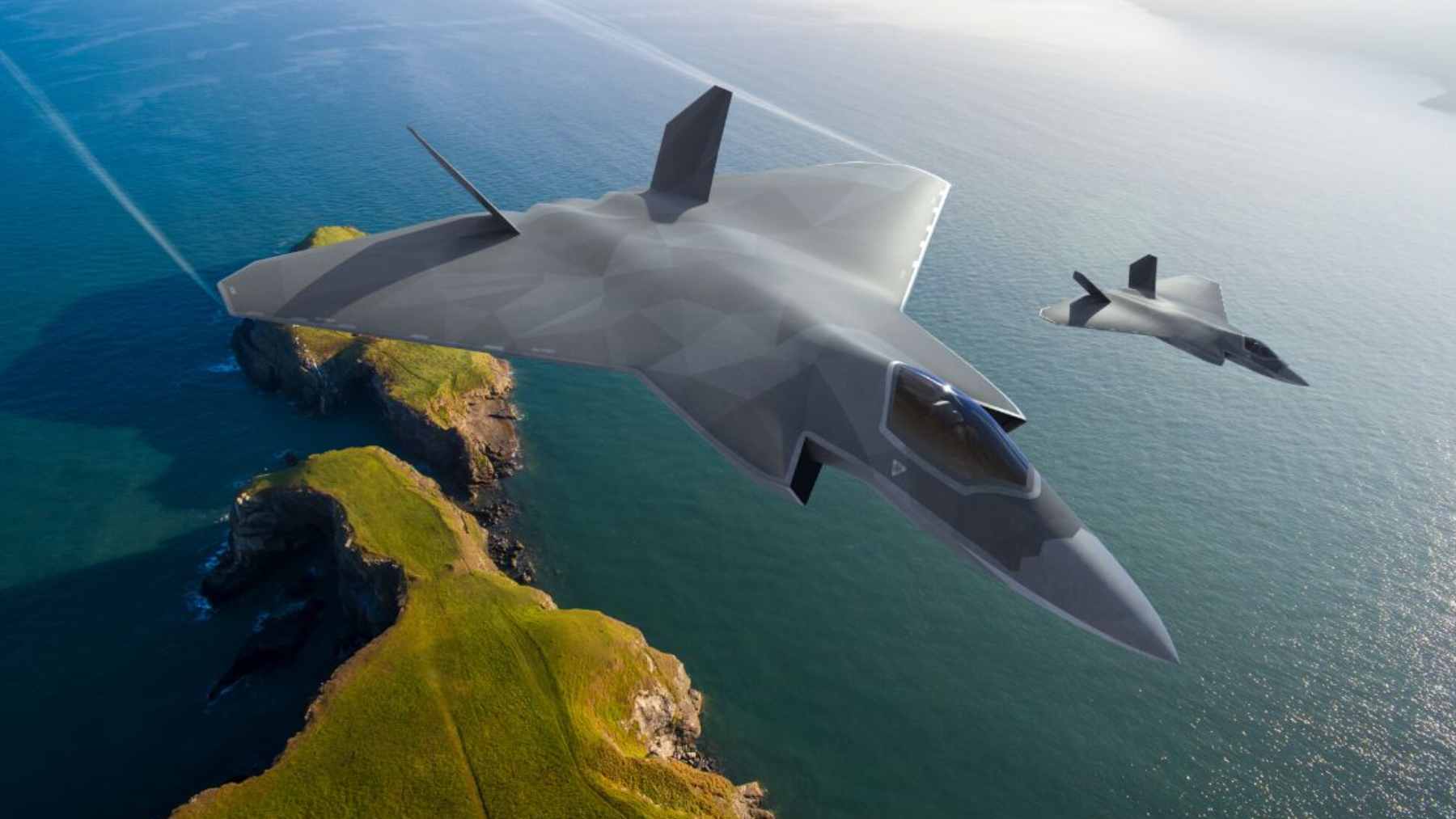
The three partner countries are targeting service entry in 2035. British officials say the new aircraft is expected to operate alongside Typhoons, F-35s, and autonomous systems, with digital engineering and artificial intelligence woven through its development. The clock is moving quickly.
Robots and digital models change the factory
The latest milestone is also a test of a different way to build military aircraft. U.K. officials say the wider program is using robotics, augmented reality, additive manufacturing, artificial intelligence, and complex digital engineering to speed up design, testing, and production.
The government placed the Future Combat Air System on a “digital first” footing several years ago, arguing that simulated design and testing can reduce cost, time, and emissions. BAE Systems also says modern manufacturing methods are improving quality, repeatability, precision, and efficiency on the demonstrator.
Think of it as catching an expensive mistake on a screen before cutting metal or rebuilding a large assembly. To a large extent, fewer physical iterations can mean less scrap, less rework, and fewer dedicated test assets. However, the latest update does not quantify carbon savings, material savings, or waste reductions.
Sensors and engines move in parallel
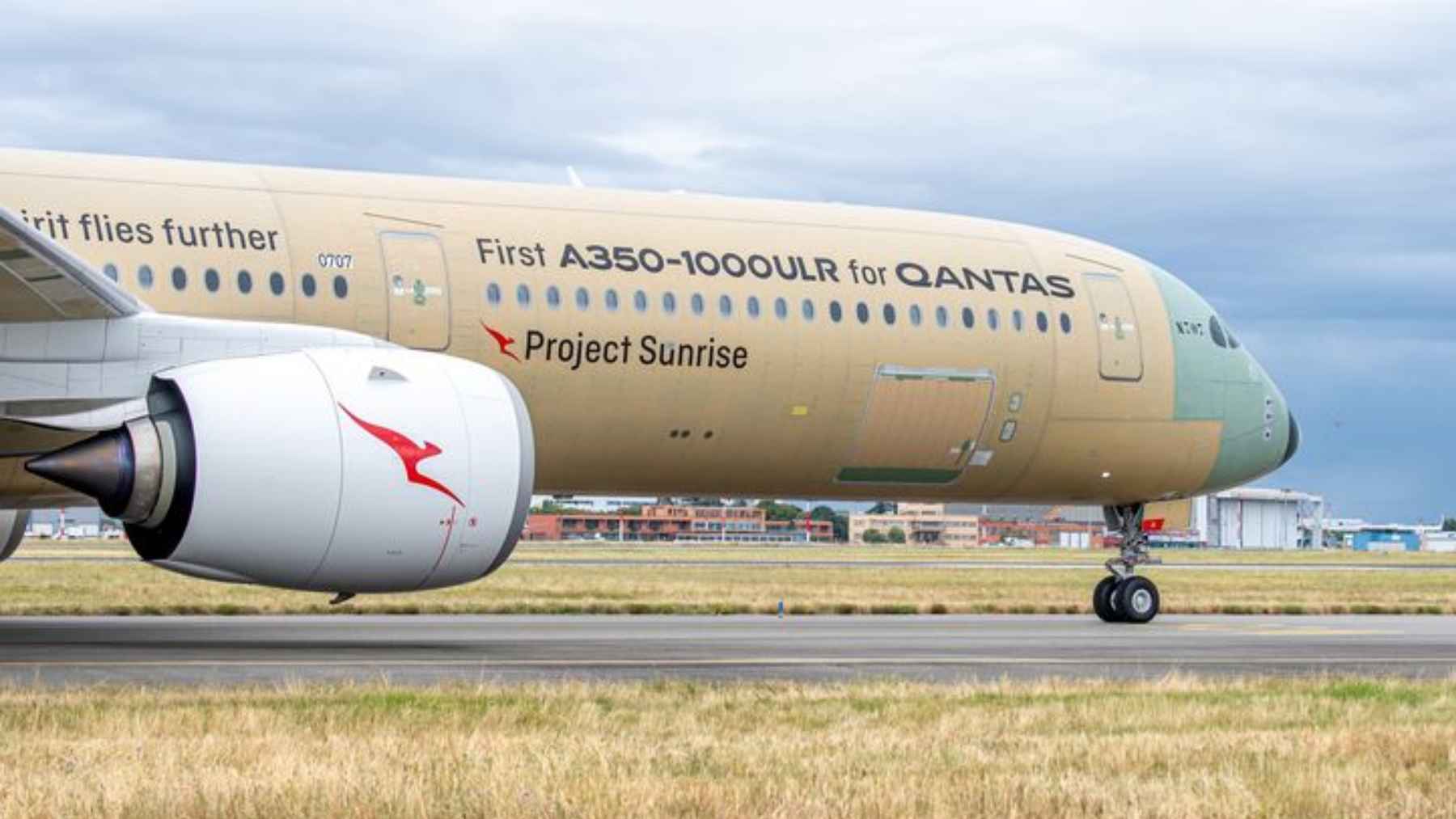
The aircraft structure is only one part of the work. Leonardo and 2Excel have modified a former commercial Boeing 757 called Excalibur into a flying laboratory that will test integrated sensors and communications for the future fighter, with flight data feeding back into GCAP development.
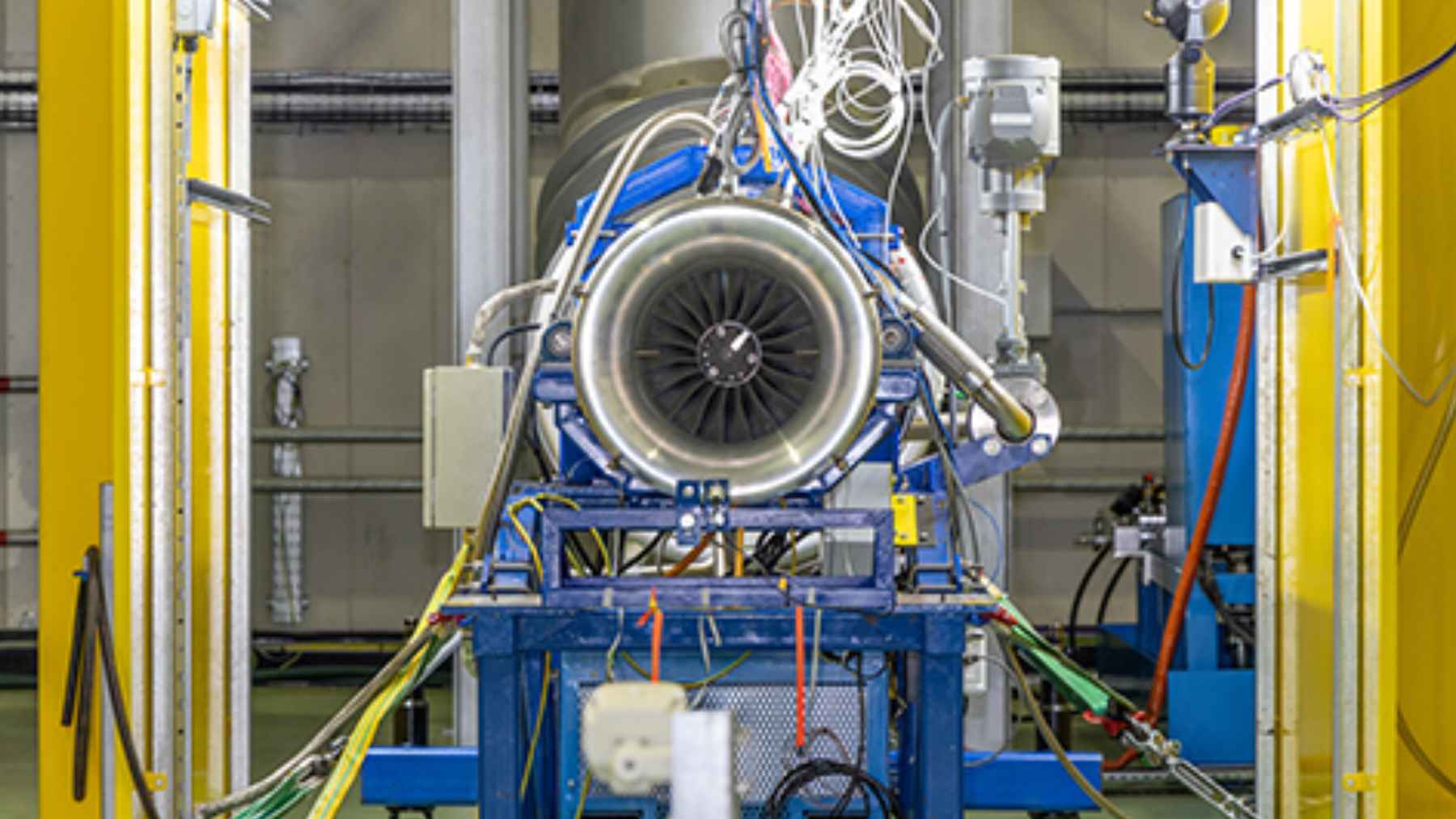
Propulsion work is advancing at the same time. Rolls-Royce, Avio Aero, and IHI have completed more than 100 subscale component tests for the international engine demonstrator and are moving toward ground testing, while lessons from Rolls-Royce’s smaller Orpheus project are helping shape the process.
Orpheus offers one of the clearest material-efficiency examples. Retired RAF Tornado engine blades were recycled into a new engine nose cone through atomization and 3D printing, and Rolls-Royce says the component was installed and tested. Additive manufacturing has also allowed complex assemblies to be consolidated into fewer parts.
The business stakes are substantial
Around 4,500 people now work directly on Team Tempest across the industry partners and the Ministry of Defence, while roughly 600 British suppliers are involved. That makes the program a workforce and supply chain strategy as much as a future aircraft project.
A PwC assessment commissioned by BAE Systems on behalf of the industry partners estimated that Tempest could contribute about $49.2 billion to the British economy between 2025 and 2070, using the latest Bank of England spot rate available on July 30, 2026.
The same assessment projected an average of 16,000 supported jobs per year during the next decade and said 85% of the economic contribution could fall outside London and southeastern England.
Those figures are modeled estimates, not guaranteed returns. Still, they show why the government is treating digital manufacturing skills, propulsion expertise, software, and systems integration as strategic assets. The tools developed for one defense program can spread through suppliers, but only when companies can reuse them elsewhere.
This is not yet a green fighter claim
There is a genuine environmental thread here, but it has limits. The newest BAE Systems announcement provides no figure for the eventual aircraft’s fuel consumption, lifecycle emissions, total manufacturing waste, or operational carbon footprint.
The defensible claim is narrower. Digital simulation, robotic assembly, additive manufacturing, and recycled-material experiments may reduce development waste, unnecessary prototypes, and rework. They do not automatically make a high-performance combat aircraft low-carbon.
That distinction matters because a factory efficiency story can easily grow into a sweeping sustainability claim. For now, the environmental progress lies in how parts are designed, tested, and manufactured, not in a proven low-emission aircraft. Useful progress, yes, but not yet a green breakthrough.
The next tests matter most
The robotically assembled component and a wing are due to face structural tests later this year, while Excalibur continues flight trials and the engine consortium moves closer to ground testing. Each result will feed into the larger GCAP effort and determine which technologies are mature enough to carry forward.
Britain has crossed a meaningful industrial milestone, but hardware now has to validate the digital promise.
The official statement was published on BAE Systems.