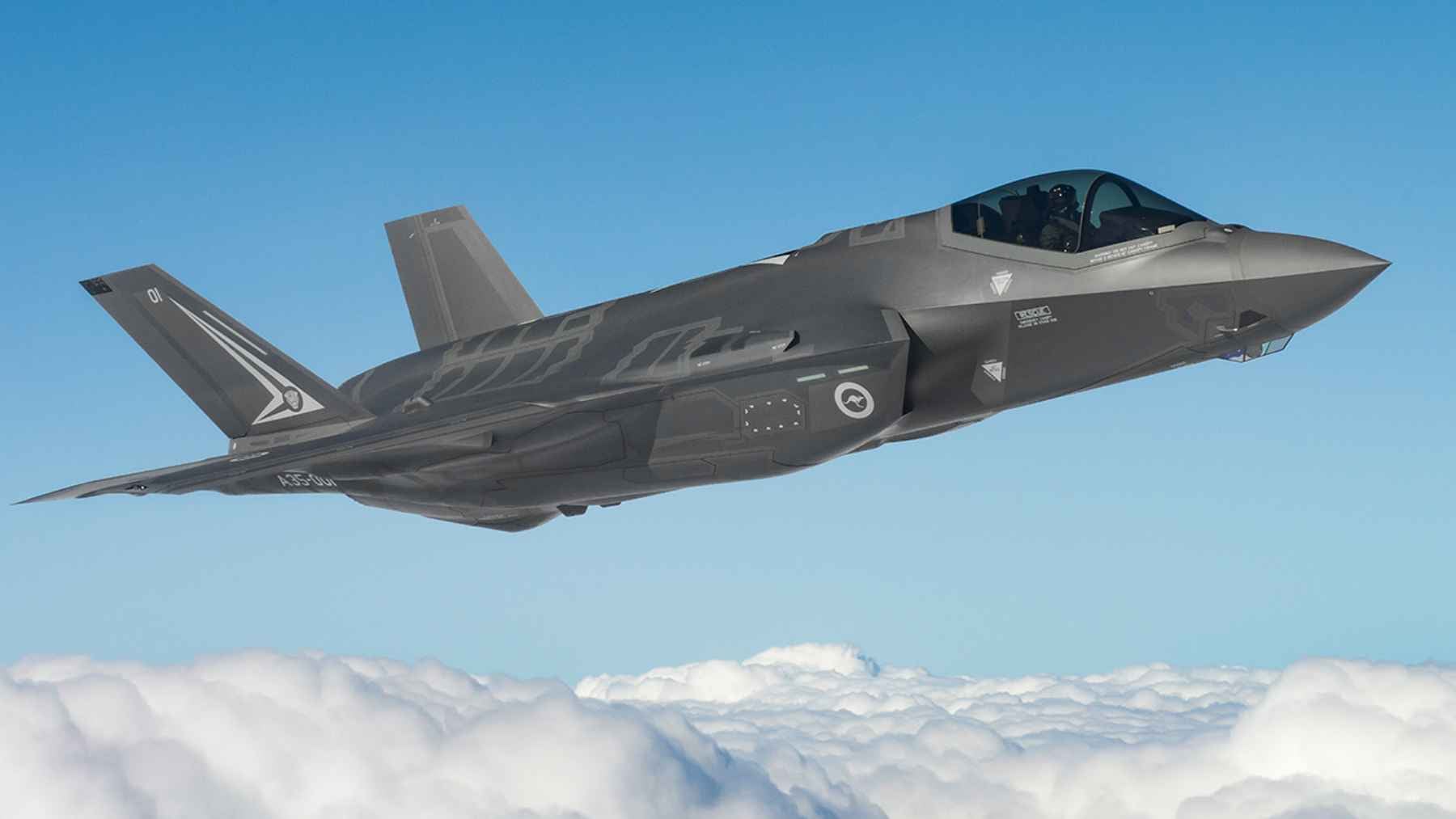
Australia did not cancel a batch of F-35 fighter jets that was already under contract. The Royal Australian Air Force received all 72 F-35As formally approved by the government, with the final nine arriving in December 2024. What Canberra put on hold was the long-discussed fourth squadron of 28 additional aircraft that would have taken the fleet to 100.
Why stop there when the F-35 is supposed to be Australia’s most advanced combat aircraft? The answer is that defense planning is not only about buying more jets.
Australia decided that keeping its Super Hornets longer, expanding long-range missile stocks, upgrading electronic warfare and accelerating the MQ-28A Ghost Bat could produce a more balanced force for the money.
What Australia really put on hold
The clearest description is a postponed expansion, not the cancellation of contracted aircraft. Australia’s approved AIR 6000 acquisition covered 72 F-35As, associated weapons, support equipment and infrastructure, and every one of those aircraft has now been delivered.
The extra 28 remained a possible later phase rather than an unfinished order sitting on Lockheed Martin’s books.
That distinction matters because the word “canceled” suggests the aircraft failed or the buyer walked away from a signed deal. Neither happened. The Coalition later promised to restore a fourth squadron during the 2025 election campaign, but the current public 2026 investment overview continues to list the F-35A without announcing a new 28-aircraft purchase.
The F-35 became a victim of its own success
Then defense industry minister Pat Conroy offered an unusually simple explanation. The Super Hornets were “doing great work,” while the F-35 was “even more capable than we initially thought.” In other words, the existing 72 jets were delivering more operational value than planners had once expected.
That does not mean one F-35 magically replaces several conventional fighters. It means stealth, advanced sensors, data fusion, electronic protection and the ability to share information can make each aircraft useful far beyond the target directly in front of it.
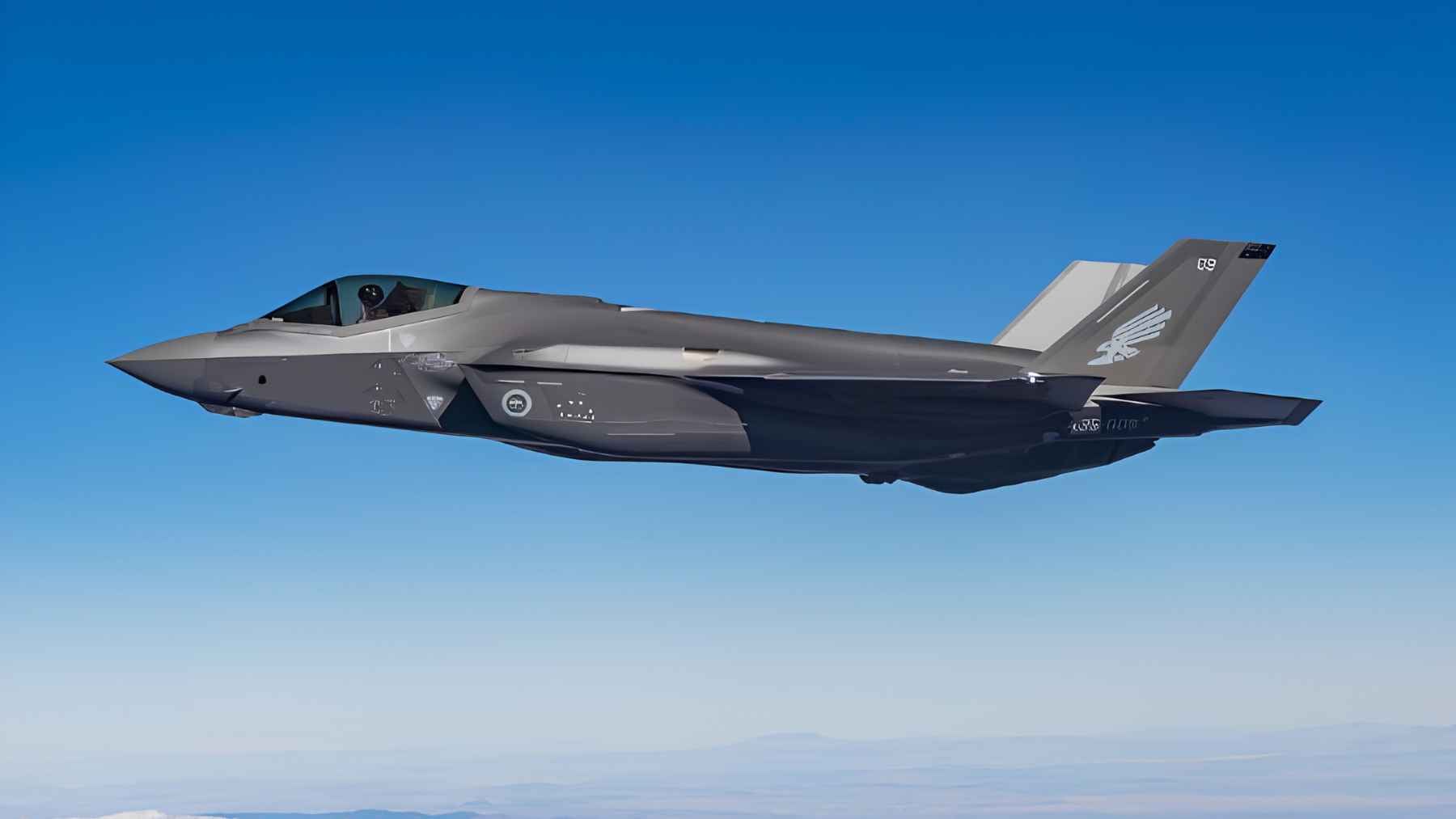
Australia’s Air Force describes the F-35A as a multirole platform built for air combat, strike and operations against emerging threats.
Keeping the Super Hornet changed the math
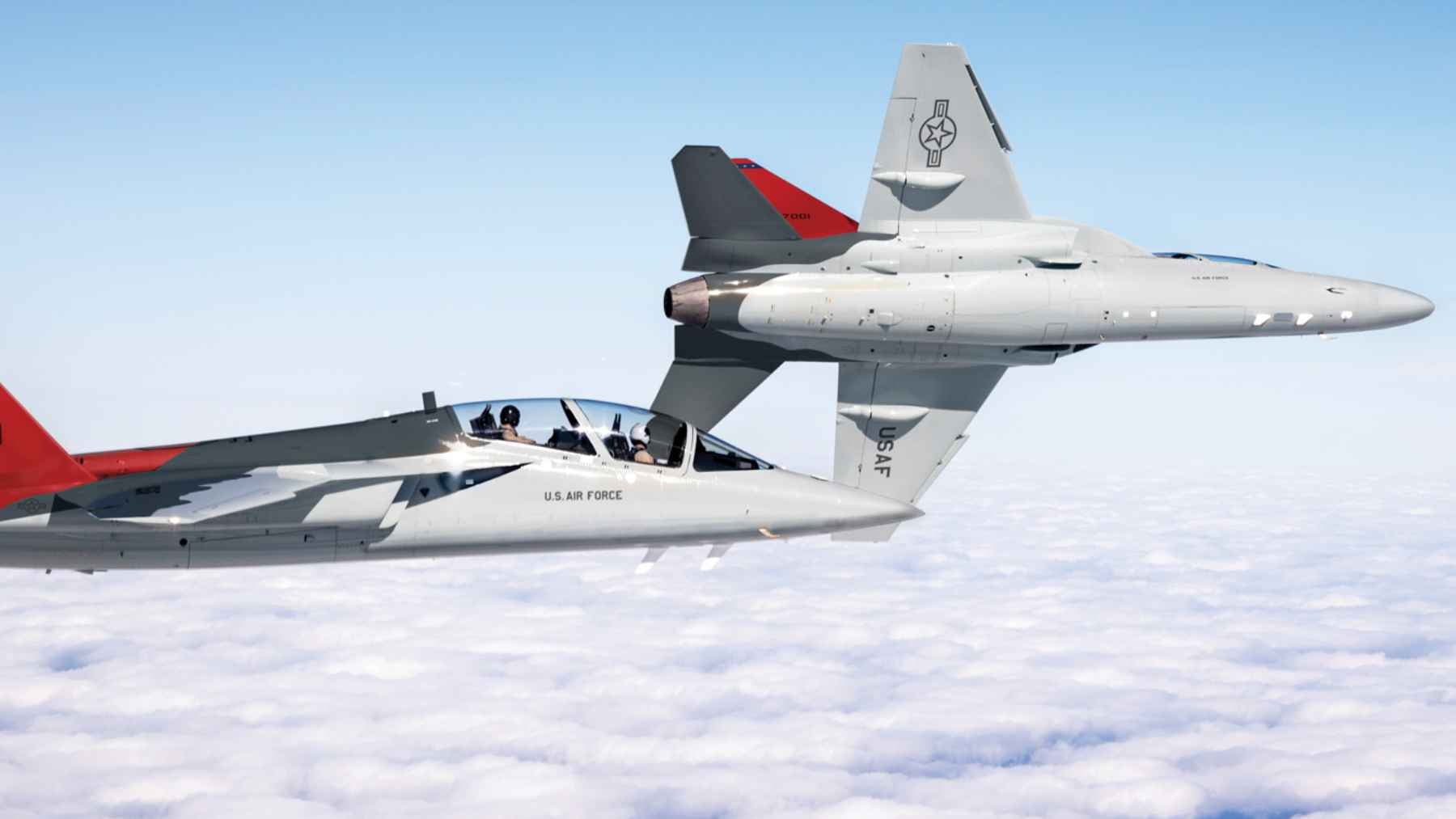
Australia also has 24 F/A-18F Super Hornets, plus its EA-18G Growler electronic attack force. The Super Hornets were once treated as a bridge between the retired F-111 and Classic Hornet fleets and the delayed F-35 program, but Canberra now plans to keep them useful much longer through upgrades and sustainment.
That buys time, but it also changes where money can have the greatest effect. A modern fighter without enough missiles, spare parts, trained pilots, maintainers and secure bases is little more than very expensive metal on a runway.
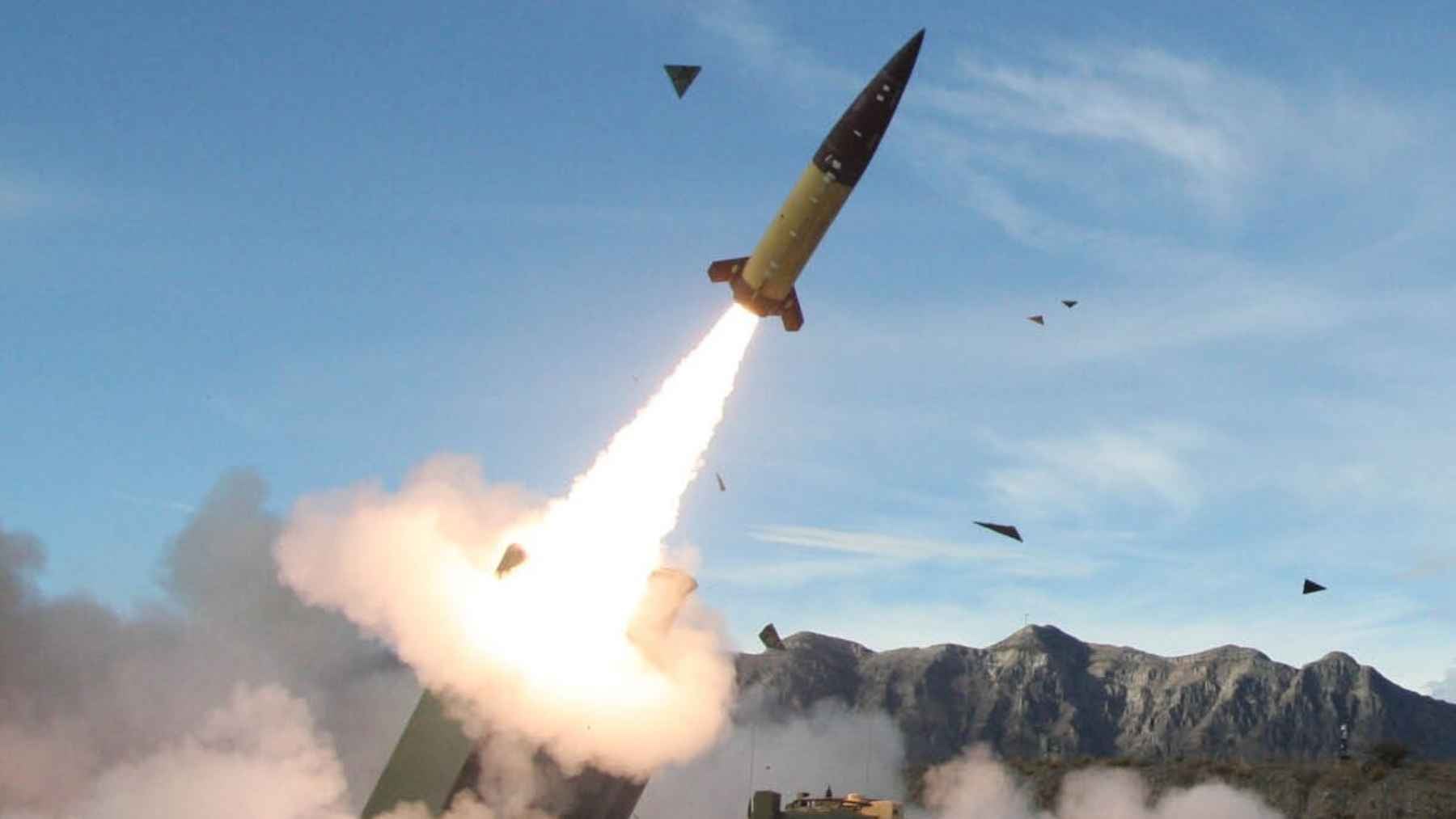
Australia has therefore placed major emphasis on long-range strike, guided weapons, storage, logistics and targeting systems in its 2026 investment program.
The strategy is already visible in operations. Australia declared the AGM-158C Long Range Anti-Ship Missile ready for operational use after a successful test from a Super Hornet in early 2025, giving the existing fleet a more serious maritime strike role. More aircraft would add capacity, but better weapons can also transform the aircraft already parked on the flight line.
Ghost Bat is the real wildcard
The MQ-28A Ghost Bat may be the most important reason Australia can afford to wait. This Australian-designed uncrewed aircraft is intended to work alongside crewed platforms, extending surveillance, adding combat mass and reducing the risks placed on pilots. It is not a science project sitting quietly in a hangar anymore.
In December 2025, a Ghost Bat successfully fired an AIM-120 air-to-air missile and destroyed an aerial target while operating with a Wedgetail and Super Hornet. Australia has since moved the program toward production and operational service, and the 2026 investment plan lists the MQ-28A alongside the F-35A and Growler under expeditionary air operations.
That changes the question. Instead of asking only how many crewed fighters Australia owns, planners can ask how many sensors, weapons and autonomous teammates each pilot can control across a connected battlespace. A force of 72 F-35s supported by Ghost Bats may eventually deliver more options than a larger fleet of crewed jets operating mostly on their own.
Waiting creates more future choices
Delaying the fourth F-35 squadron also keeps Australia from locking in a decision before the next generation of combat aircraft becomes clearer. The United Kingdom, Japan and Italy are developing the Global Combat Air Programme for service around 2035, and Australia received an informational briefing on the project in 2025.
That was not a commitment, but it showed that Canberra is watching alternatives for the period when the Super Hornet finally leaves service.
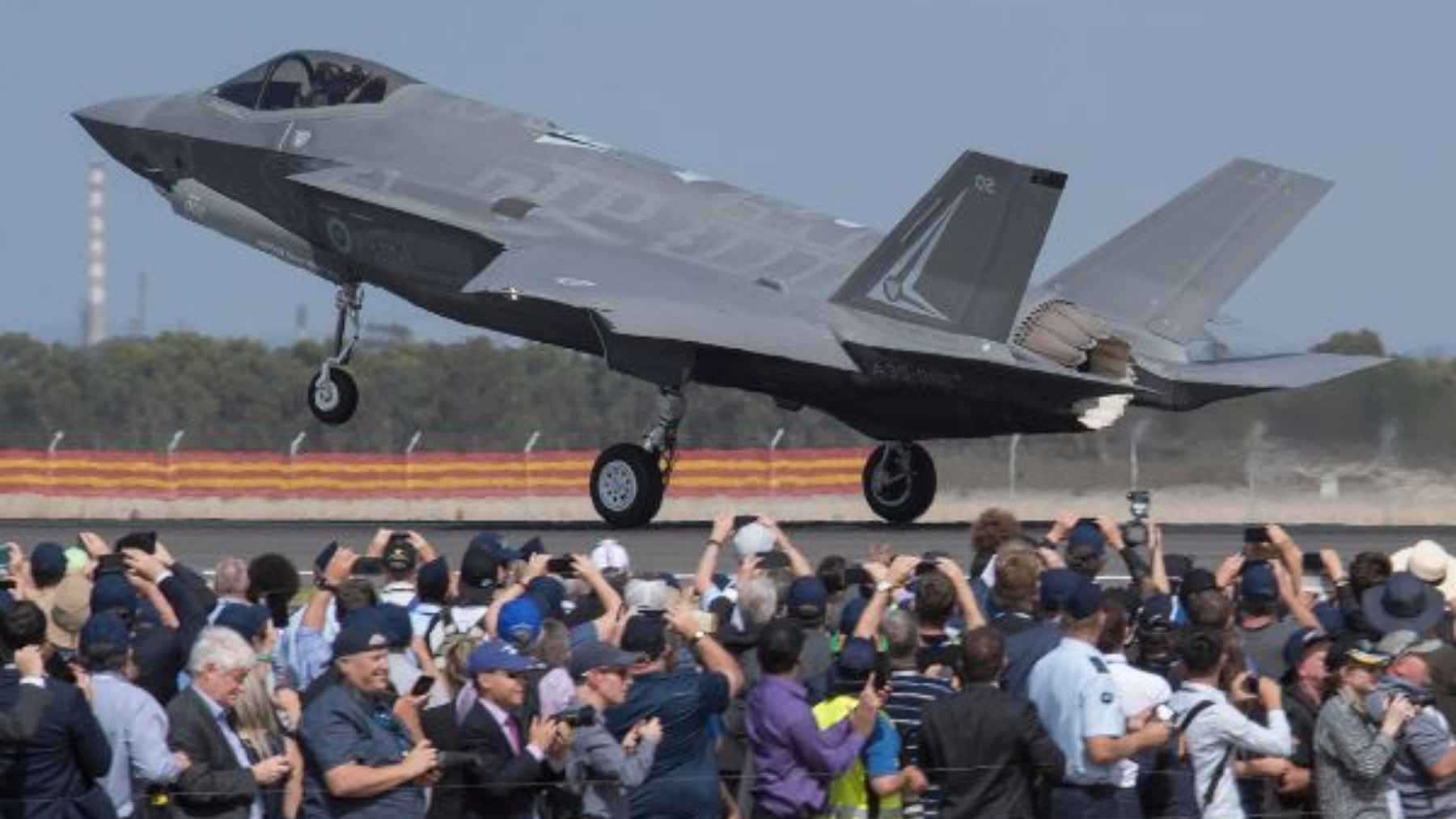
The same applies to the Ghost Bat and whatever follows it. If autonomous aircraft mature quickly, Australia may need fewer additional crewed fighters than previously assumed. If regional threats, aircraft availability or pilot numbers move in the opposite direction, another F-35 purchase could still return to the table.
The environmental trade-off is not simple
There is also an environmental angle, although Canberra has not presented this as a climate decision. Delaying 28 new aircraft avoids an immediate new production tranche, but extending older fighters also requires upgrades, replacement parts, maintenance and years of fuel-intensive flying. No honest lifecycle comparison can be made from the aircraft count alone.
The practical lesson is that longer service life can reduce premature disposal, yet it does not automatically produce lower emissions. The outcome will depend on flying hours, fuel use, maintenance demands and what eventually replaces the Super Hornet. For now, Australia’s stated logic is military efficiency and readiness, not a green dividend.
What readers should take away
Australia did not turn against the F-35. It completed its 72-aircraft acquisition, continues to upgrade the fleet and still treats the jet as a cornerstone of national air defense and strike capability. The decision was about where the next dollar, technician and weapons shipment could add the most combat value.
So the real headline is not that Australia canceled the F-35 because it failed. Australia paused 28 more because its current jets proved highly capable, the Super Hornet is staying longer, missile stocks matter, and uncrewed aircraft are opening a different path into the 2030s.
The official strategy was published on Australian Department of Defence.