After a serious shark attack at Sydney’s Coogee Beach, Australia’s beach-safety debate has taken a sharp turn. The issue is no longer just whether sharks are dangerous, but whether governments are ready to replace older, lethal tools with technology that can warn people sooner and spare marine life.
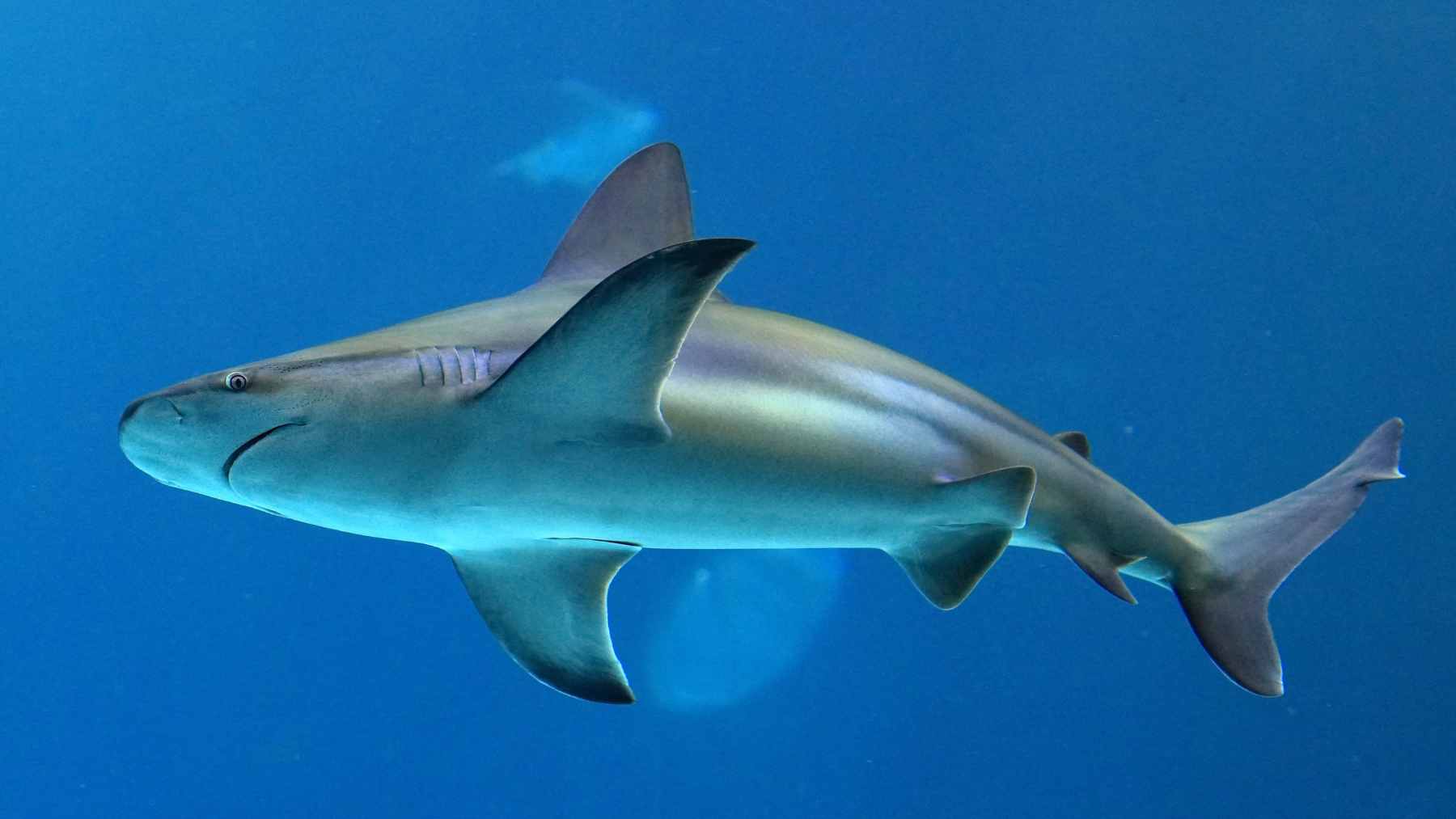
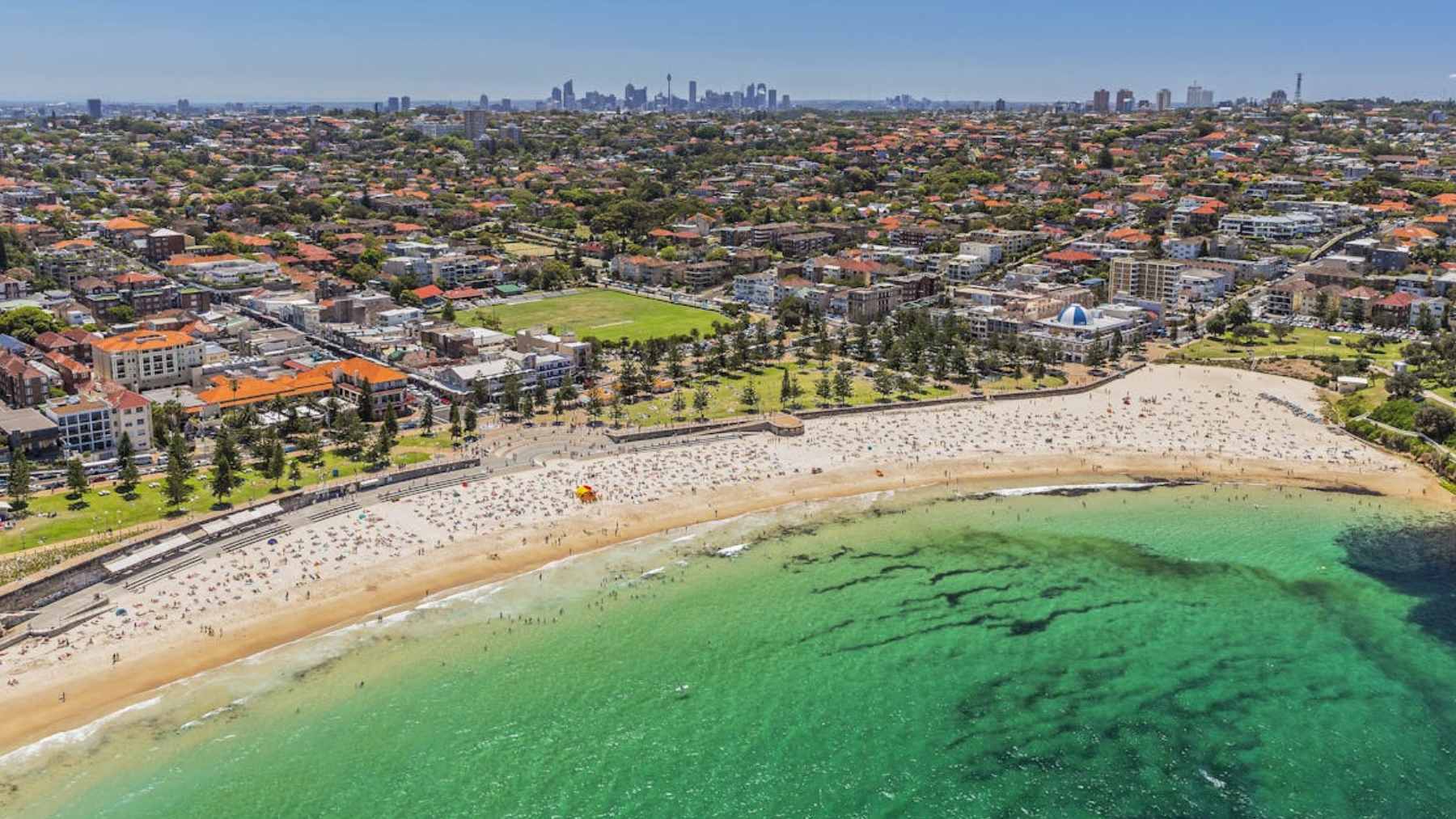
The attack left a 35-year-old woman critically injured after an 11-foot white shark bit her while she was swimming about 100 ft. from shore, according to emergency and lifesaving officials.
Coogee’s drone restrictions were then temporarily lifted because the beach sits close to Sydney Airport’s flight path, raising a blunt question for coastal cities everywhere: what good is safety tech if rules keep it grounded when it is needed most?
A frightening warning from Coogee
The swimmer was close to shore and between the flags, which is exactly where most people are told to be. NSW shark program head Marcel Green said the water was clear and that she was “doing everything right,” a detail that makes the incident feel especially unsettling.
That is why the Coogee case has become bigger than one beach. Surf Life Saving NSW secured an urgent exemption from Australia’s Civil Aviation Safety Authority so drones could fly over the area, and NSW Minister Tara Moriarty said “the temporary exemption has been granted” while officials work to make it permanent.
The risk is low, but fear is real
Shark bites remain rare, even in Australia. The Australian Shark Incident Database says the country averaged 27 shark incidents causing injury each year over the last decade, with an average of 2.7 fatalities annually.
Still, “rare” loses meaning when you are the person on the board, in the water, or watching from the sand. In 2025, Australia recorded five fatal shark bites, while Surf Life Saving Australia reported 357 coastal drowning deaths and 1,314 road deaths, which shows why policy has to stay calm and proportionate.
Climate and crowded beaches
Part of the challenge is that human-shark encounters involve two moving targets, people and sharks. More people are using the ocean year-round, and researchers warn that warming seas can shift prey, habitat, and the movement of migratory sharks and rays.
In southeastern Australia, recent research describes the region as an ocean-warming hotspot and says bull sharks on the east coast have already shifted farther poleward, allowing them to persist longer in areas once limited by temperature. That does not mean every warm day brings danger, it means the overlap is getting harder to predict.
Old nets are losing ground
For decades, shark nets have been the familiar answer. “Familiar” does not always mean effective, however, and the environmental cost is becoming harder to defend.
NSW’s 2024/25 Shark Meshing Program report recorded 223 marine animals caught in nets, including only 24 target sharks and 199 non-target animals. Just 74 animals, or 33%, were released alive.
A University of Wollongong study also concluded that shark nets were not effective at keeping people safe and had a significant negative impact on marine life. “We found that shark netting is outdated technology. It is time to move on,” Dr. Leah Gibbs said.
Drones and smart drumlines
Drones are where the beach-safety conversation gets much more modern. NSW’s own SharkSmart material says drones provide aerial surveillance and real-time vision of coastal waters, helping lifesavers warn swimmers and surfers when a shark is nearby.
The state’s current shark program includes 305 SMART drumlines, 37 tagged shark listening stations, and drone patrols at up to 50 beaches, with 30 additional patrol locations added for the 2025/26 season. SMART drumlines are designed to intercept target sharks near shore while improving survival and reducing non-target catch.
AI could make those eyes in the sky sharper. University of New South Wales researchers reported that an AI shark detector identified dangerous sharks in live drone footage 80% of the time in realistic conditions, though they also warned that the systems need regular monitoring and updates.
Personal protection matters, too
Area-based safety can help, but it will never be perfect. That is why personal deterrents are becoming part of the toolbox, especially for surfers, divers, and spearfishers who spend long periods in the water.
A 2024 Scientific Reports study found that one surf-focused electric deterrent reduced the probability of bites by 54% across bull, tiger, and white sharks. The same study made the key point plainly: these tools reduce risk, but they do not eliminate it.
Researchers are also testing ways to reduce mistaken-identity bites, including lighting that breaks up the dark silhouette of a board from below. It sounds simple, almost like putting headlights under a surfboard, but the idea is serious.
Sharing the ocean safely
The old debate often sounded like people versus sharks. That framing is too small. As Professor Culum Brown’s source argument notes, human-shark interactions involve both sides, which means safety policy has to manage people and sharks together.
In practice, that means more drones where they can fly safely, smarter alerts, better emergency kits, more tested personal deterrents, and less dependence on gear that kills wildlife without clearly solving the problem. It also means being honest with beachgoers. No technology can promise 100% protection.
But the direction is clear. Australia does not need to choose between public safety and marine conservation as if they are enemies.
The official program statement was published on SharkSmart NSW.