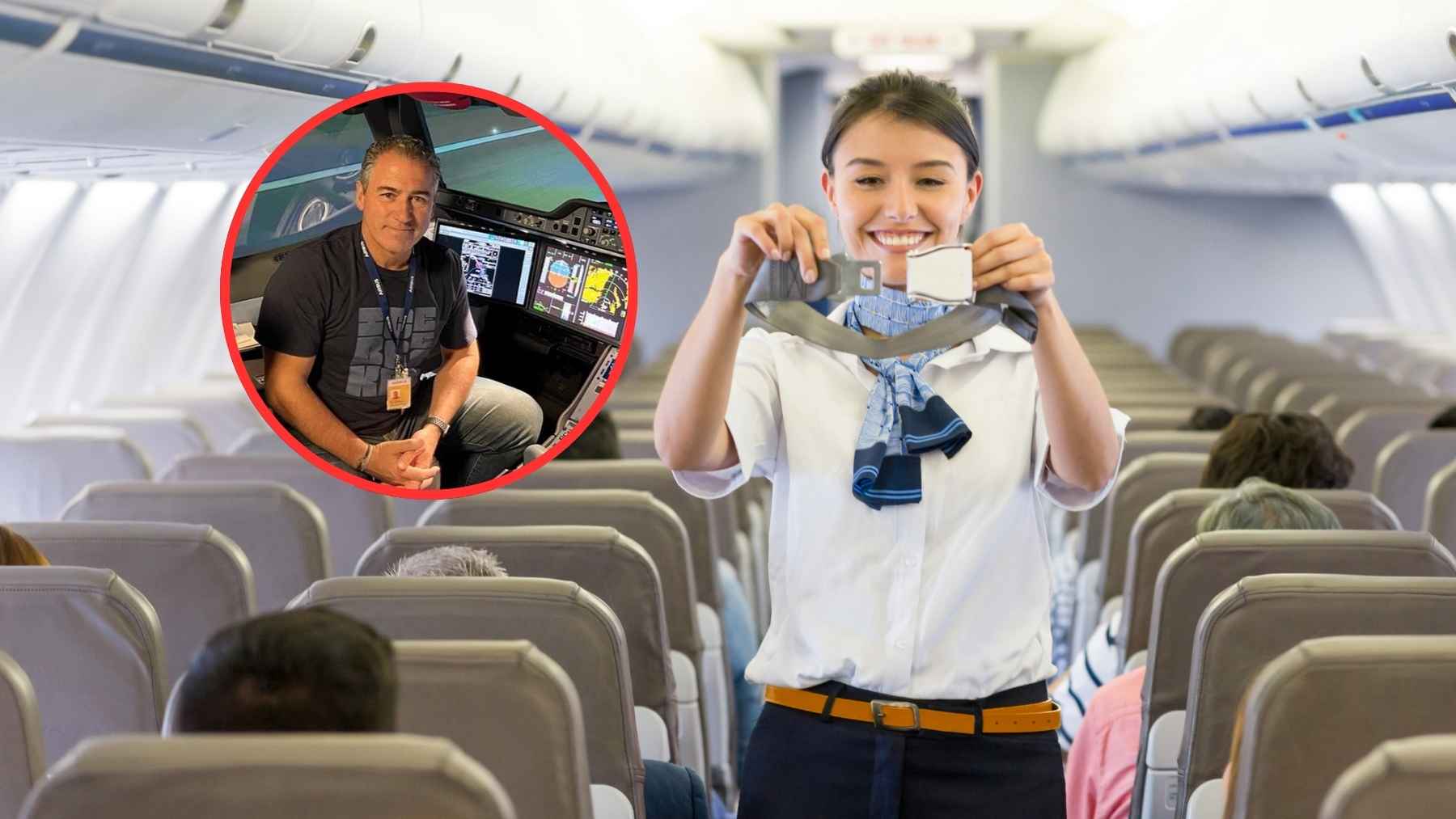
Headphones on, playlist running, eyes fixed on a phone. That is how many passengers spend the few minutes before takeoff, but veteran airline captain Ramon Vallès says those familiar safety instructions are not background theater.
They are a compact survival guide for the rare moment when a routine trip suddenly stops being routine.
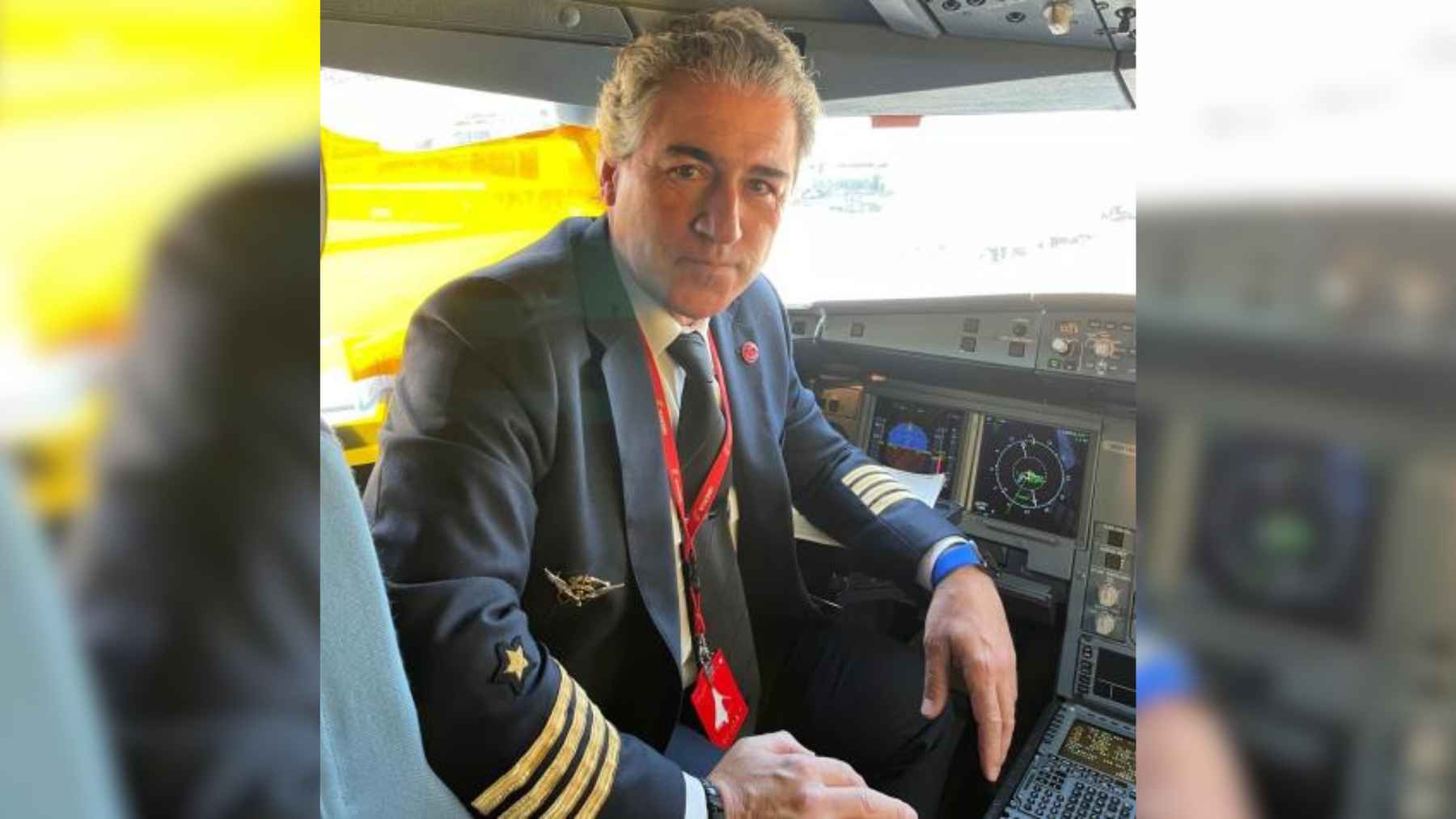
After four decades in aviation and more than 25,000 flight hours, Vallès now combines cockpit work with public education through social media and his new book, ¡Bienvenidos a bordo! Les escribe su comandante.
His central message is reassuring but firm, since modern airplanes may be packed with sophisticated safety systems but passengers still need to know what to do when the crew gives an emergency order.
The briefing is not background noise
“I have as much or more respect for flying than you do because I know what is at stake,” Vallès said during an interview with El món a RAC1. He then delivered the warning that has caught travelers’ attention, saying their lives may depend on the information explained before takeoff that many people do not listen to.
That information covers the basics passengers are most likely to need under pressure. It includes how to fasten and release the seat belt, where the exits are, how oxygen masks work, when to use a life vest, and how to follow crew instructions during an evacuation.
The International Civil Aviation Organization says this information is delivered through demonstrations, cards, signs, lighting, and verbal briefings because informed passengers can react more effectively in an emergency.
Even frequent flyers should pay attention. The Federal Aviation Administration says safety cards must be appropriate for the specific aircraft type and model, since equipment and exit arrangements can differ. The routine may sound the same, but the cabin around you may not be.
Oxygen comes before everything else
Vallès has experienced many unusual situations during his career, including an emergency landing. When describing an unexpected emergency descent, he said passengers should first protect their health by using the supplemental oxygen provided on board, then prepare to leave in an orderly way.
The instruction to put on your own mask before helping someone else can feel cold, especially to a parent sitting beside a child. But the logic is practical. FAA guidance tells passengers to secure their own oxygen mask first because a person who becomes impaired cannot reliably help anyone nearby.
Passengers should also follow the demonstration rather than guessing how the equipment works. Depending on the design, pulling or extending part of the mask assembly may start the oxygen flow, and the reservoir bag may not visibly inflate even though oxygen is being delivered. That small detail is exactly the sort of thing panic can erase from memory.
Leave the suitcase behind
Vallès was equally direct about evacuation. Do not collect personal belongings, he said, and leave the airplane in an orderly manner. He warned that disorder during an evacuation can have deadly consequences.
This is not merely a matter of courtesy. FAA guidance says carry-on bags can slow people down, injure other passengers, block an exit, and damage an evacuation slide. Evidence from evacuations and post-incident interviews has found that some travelers still attempt to retrieve luggage even after being told to leave everything behind.
A passport, laptop, purse, or vacation suitcase can feel impossible to abandon, but every object becomes secondary to keeping the aisle clear and getting people out. Things can be replaced. Time cannot.
Fear needs facts rather than false reassurance
Fear of flying is far from unusual, although estimates change depending on how researchers define anxiety and phobia. The RAC1 report cited international estimates suggesting that 20 to 40% of passengers experience fear, while academic research has reported a broader range reaching up to 40% for varying degrees of flying anxiety.
Vallès does not argue that passengers should feel nothing. His own word is closer to respect. He says people should trust the professionals operating the aircraft while also recognizing that aviation safety is built on discipline, preparation, and repeated practice rather than luck.
He also told listeners that today’s airplanes have safer systems than those flying a decade ago. That is his reassurance, but it comes with a condition. The practical implication is that advanced technology and informed passenger behavior solve different parts of the same safety problem.
Safety is a shared system
Aviation safety works like a chain. Aircraft design, maintenance, pilot training, cabin crew procedures, emergency equipment, and passenger behavior all connect to one another. Most travelers will never need an oxygen mask or evacuation slide, but those systems are designed for the day when normal procedures are no longer enough.
In practical terms, the passenger’s job is simple. Remove the headphones for a few minutes, locate the exits, read the card for that airplane, keep belongings properly stowed, and follow the crew immediately. These are small actions on an ordinary day.
You may never need any of them, which is the outcome everyone wants. But Vallès’ warning is worth remembering the next time the cabin doors close and the safety demonstration begins.
The full interview was published on RAC1.